

Table of Contents:
Why Eco-Conscious Athletic Flooring Matters
Traditional gym flooring comes at a high cost, not just financially but environmentally. Every square foot of non-recyclable materials contributes to growing landfill waste. Gyms and sports facilities, long considered bastions of health and fitness, are now being scrutinized for their environmental impact. If you're building or renovating a facility that aligns with modern sustainability values, eco-conscious athletic flooring deserves serious consideration.
Many facility owners assume they have to sacrifice durability or performance for sustainability. The opposite is true. Recent innovations in green gym flooring materials — recycled rubber, cork, and rapidly renewable bamboo — outperform many traditional options in shock absorption, indoor air quality, and long-term cost savings. For a comprehensive look at one of the leading brands in this space, our complete guide to ECORE flooring solutions is a strong starting point.
This shift isn't about optics. It's about meeting rising demand for environmentally responsible facilities while improving functionality. Choosing eco-conscious athletic flooring reduces your facility's carbon footprint and gives you a competitive advantage: environmentally aware customers notice, safety improves, and operating costs drop over the long haul.
Benefits That Go Beyond Sustainability
When it comes to choosing athletic flooring, going eco-conscious delivers benefits that extend well beyond carbon-footprint reduction. Facility owners adopting sustainable flooring improve their bottom line, raise safety standards, and meet customer expectations for modern, health-conscious spaces.
Environmental Benefits of Eco-Friendly Flooring
The environmental advantages of green gym flooring materials are significant. By repurposing waste materials and using renewable resources, these options help gym owners contribute to sustainability while maintaining high-performance features.
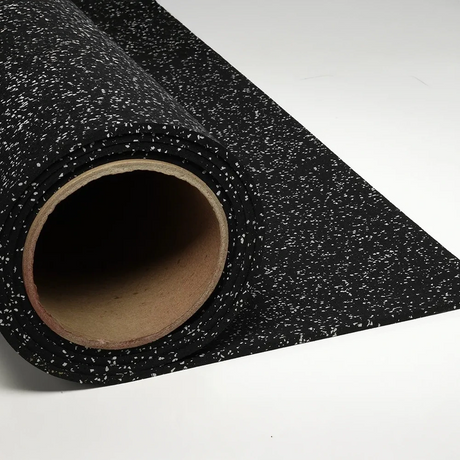
- Recycled Rubber Gym Flooring: The most popular eco-friendly option, recycled rubber converts discarded vehicle tires into durable, shock-absorbent surfaces. This process keeps millions of tires out of landfills annually and reduces the need for virgin raw materials. Brands like ECORE Athletic specialize in high-performance recycled rubber flooring built for commercial fitness environments. It's worth noting that not all recycled rubber is created equal — the ratio of post-consumer content (used tires) to post-industrial content (manufacturing scraps) affects both the environmental benefit and the product's density and durability. Higher post-consumer content is generally the more meaningful environmental choice.
- Renewable Materials like Bamboo and Cork: Natural resources such as bamboo and cork grow rapidly and regenerate without heavy ecological impact. Their biodegradable properties make them appealing for eco-sensitive buyers.
- Reduction in VOCs (Volatile Organic Compounds): Many traditional flooring materials release harmful VOCs into indoor air. Eco-conscious athletic flooring prioritizes low-emission manufacturing techniques, creating healthier spaces for facility users.
Choosing these materials actively reduces waste and combats pollution — a smart and sustainable decision for any gym operator.
Performance Without Compromise
Going green does not mean sacrificing durability or function. Eco-conscious athletic flooring is specifically engineered to perform under demanding conditions.
- Shock Absorption: Flooring crafted from recycled rubber delivers exceptional shock absorption, minimizing joint stress during high-impact workouts. This makes it ideal for weightlifting zones and HIIT training spaces — though thickness matters significantly here. A 6mm roll is adequate for yoga or stretching areas, but free weight zones require a minimum of 8mm to properly cushion drops and protect the subfloor. For laminate-style eco surfaces engineered with built-in impact protection, the ECORE Integrity Motivate Laminate Roll (7mm Class 1) is worth considering for multipurpose training areas. For a deeper look at how impact reduction works, see our guide on shock-absorbing gym floors.
- Improved Acoustics: Eco-friendly flooring, such as cork, offers superior sound-dampening qualities — a real benefit for both gym-goers and staff in busy fitness environments. This is particularly relevant in multi-story facilities, where building codes frequently require acoustic underlayment beneath rubber flooring to manage impact noise transmission between floors. Always factor this into your budget and specs before ordering.
- Durability in High-Traffic Areas: Recycled rubber stands up to heavyweight equipment, aggressive foot traffic, and frequent cleaning while maintaining its integrity over years of use.
Facility owners who choose sustainable flooring meet their operational performance goals while providing a safer, slip-resistant environment for athletes and gym-goers.
Health and Safety Standards
Health-conscious facilities understand that flooring choices impact more than aesthetics and functionality — they also play a role in overall user safety.
- Non-Toxic Materials: Many sustainable flooring products are free from harmful chemicals, improving air quality for gym users. Natural rubber mat flooring emits fewer pollutants compared to synthetic counterparts, making it a healthier option for enclosed spaces. One practical note: vulcanized rubber — which uses heat and pressure to create stronger molecular bonds — is among the most durable eco-conscious options available, but it does carry a noticeable initial odor. Plan to ventilate the space thoroughly for the first two weeks after installation.
- Antimicrobial Properties: Some green flooring options are inherently resistant to bacteria and fungi, promoting better hygiene in high-traffic fitness facilities where sweat and moisture are constant.
- Slip Resistance: Surfaces like recycled rubber gym tiles offer exceptional grip, ensuring safety during high-intensity activities or when equipment is moved across the floor. For environments where moisture management is a particular concern — think turf replacement areas or facilities near pools — the ECORE HydroGrip Motivate Laminate Roll (7mm Class 1) is specifically engineered for enhanced wet-surface traction.
Exploring Popular Eco-Conscious Flooring Options
Which type of eco-conscious athletic flooring suits your gym's needs? Here's a breakdown of the most popular options:
| Flooring Type | Best Use | Key Benefits |
|---|---|---|
| Recycled Rubber | Weightlifting zones, HIIT areas | High durability, excellent shock absorption, repurposes waste materials |
| Cork Flooring | Yoga/Pilates studios | Renewable, natural cushioning, energy-efficient properties, biodegradable |
| Bamboo Flooring | Multi-purpose or boutique studios | Hardwood aesthetics, high strength, sustainably harvested |
| Recycled Plastic | Outdoor courts/playgrounds | Water-resistant, highly durable, made from post-consumer waste |
| Eco Laminate Roll | Group fitness, multipurpose studios | Wood-look aesthetics with sustainable construction, Class 1 fire rating, impact cushioning layer |
The type of flooring you choose depends on your facility's unique needs, aesthetic preferences, and usage patterns. Whether you're designing a quiet meditation space or an action-packed weightlifting zone, there's an eco-conscious flooring solution for you. One practical planning note: always order 2–3% more material than your room dimensions suggest to account for edge cuts and fitting — especially in irregularly shaped spaces where tile formats tend to be more efficient than rolls. For a comprehensive comparison of gym flooring options for home or commercial use, check out our dedicated guide. If a wood-look surface is on your radar, our breakdown of ECORE Moxie flooring covers how premium wood-look athletic surfaces balance aesthetics with sustainability.
Maintenance That's Sustainable Too
Even the greenest materials require proper care. When it comes to eco-conscious flooring, the way you clean and maintain your facility matters just as much as the materials you chose.
Tips for maintaining eco-friendly flooring include:
- Daily Cleaning: Wipe down surfaces with cleaning solutions specifically formulated for athletic flooring. These products are biodegradable and designed to minimize environmental harm. Using a protectant designed for rubber and laminate athletic surfaces — such as ECORE E-Finish Flooring Protectant — adds a durable barrier that resists scuffing, staining, and daily wear while keeping cleaning intervals manageable.
- Preventative Measures: Protect high-traffic zones with area mats or regular rotation of equipment placement to evenly distribute wear.
- Prompt Repairs: Address scuffs, scratches, or other damage quickly. This extends the lifespan of recycled rubber gym flooring and reduces the need for full replacements. Our gym flooring installation and maintenance guide covers best practices in detail.
By investing in sustainable cleaning practices, gym operators simultaneously protect their flooring and their brand's commitment to environmental responsibility.
A Smarter Future for Gyms and Sports Facilities
The global shift toward sustainability demands long-term, impactful solutions from every industry — and fitness spaces are no exception. Through innovations in eco-conscious athletic flooring, the transition to greener, cleaner gym facilities is well underway. Combined with advancements in green gym flooring materials and proper maintenance practices, these solutions deliver strong value for businesses, customers, and the planet.
Facility design itself plays a role here too. IHRSA recommends a minimum of 3 square meters per person for gym space planning, but experienced operators tend to plan for 4–5 square meters to avoid crowding and distribute floor wear more evenly — which also extends the life of your flooring investment. Pairing smart space planning with the right eco-conscious surface from the start is one of the most cost-effective decisions a facility manager can make. For more on how ECORE products specifically address environmental goals, read our guide to eco-friendly ECORE rubber flooring, and for a deeper brand overview, see our post on who ECORE Athletic is and how they approach sustainable flooring.
By choosing smarter materials and aligning your operations with eco-friendly values, you'll create a facility that meets modern consumer demands while leading in sustainability.
FAQ: Eco-Conscious Athletic Flooring
1. What is eco-conscious athletic flooring?
Eco-conscious athletic flooring is made from sustainable or recycled materials designed to minimize environmental impact without compromising performance. Key materials include recycled rubber from tires, cork, bamboo, and recycled plastic, which are durable, eco-friendly, and safe for high-performance gym use.
2. What are the benefits of eco-conscious gym flooring?
Eco-conscious gym flooring offers numerous benefits, including:
- Environmental sustainability — made from renewable or recycled materials.
- Durability — withstands high foot traffic and heavy equipment.
- Safety — slip-resistant, shock-absorbing surfaces reduce injury risk.
- Indoor air quality — low VOC emissions and non-toxic materials contribute to healthier air.
- Cost savings — long-lasting materials reduce replacement costs over time.
3. Which type of eco-conscious flooring is best for high-impact workouts?
Recycled rubber flooring is the best option for high-impact workouts. It provides excellent shock absorption, reduces stress on joints, and stands up to heavy weights and intense activity, making it ideal for weightlifting zones and HIIT areas. For free weight zones specifically, look for a minimum thickness of 8mm — thinner profiles (6mm and below) don't provide adequate protection for dropped weights.
4. How does recycled rubber flooring compare to bamboo or cork flooring?
Here's how these materials differ:
| Feature | Recycled Rubber | Bamboo | Cork |
|---|---|---|---|
| Best Use | Weightlifting and high-impact zones | Multipurpose or boutique studios | Yoga and low-impact areas |
| Key Benefits | Durability, shock absorption, waste repurposing | Sustainable, hardwood-like aesthetics | Natural grip, acoustic insulation, renewable |
| Durability | High | Moderate | Moderate |
5. Is eco-conscious athletic flooring easy to maintain?
Yes, eco-conscious athletic flooring is straightforward to maintain with the right care. Use eco-friendly cleaning products formulated for athletic surfaces, protect high-traffic areas with equipment rotation, and apply a flooring protectant to extend wear resistance. Promptly repair any damage to preserve the flooring's lifespan and sustainable properties.
6. Why is recycled rubber a popular option for gym flooring?
Recycled rubber is popular because it combines durability, affordability, and sustainability. It repurposes discarded tires into high-performance surfaces, offers excellent shock absorption, and reduces the environmental impact of gym flooring production. The quality of recycled rubber does vary — products with a higher proportion of post-consumer content (recovered from used tires) generally deliver greater environmental benefit than those relying primarily on post-industrial scraps.
7. How do I choose the right eco-conscious flooring for my gym?
To choose the right eco-friendly flooring, consider:
- Activities — high-impact workouts need recycled rubber at 8mm or thicker, while yoga spaces benefit from cork or bamboo.
- Room shape — rectangular rooms are typically more efficient with rolls; irregular layouts waste less material with tiles.
- Environmental goals — look for renewable or recycled options with transparency about material sourcing.
- Certification — opt for materials with certifications like FloorScore or LEED compliance.
- Building requirements — multi-story facilities may need acoustic underlayment to meet building code, so factor this into your quote.
8. Do I need acoustic underlayment under eco-conscious rubber flooring?
In multi-story buildings, acoustic underlayment beneath rubber flooring is often required by building code to reduce impact noise transmission between floors. Even where it isn't mandated, it significantly improves the experience for occupants below. Always verify your local requirements and include underlayment in your budget calculations before finalizing your flooring order.
Your Next Step Toward Smarter, Healthier Spaces
Eco-conscious athletic flooring isn't just an upgrade for your facility — it's a commitment to health, performance, and sustainability. By choosing materials that improve safety, reduce environmental impact, and deliver top-tier functionality, you'll build a gym that resonates with today's values-driven consumers.
Whether you're building a serene yoga retreat or a heavy-duty weightlifting zone, there's a sustainable flooring solution suited for your needs. With proper maintenance practices, these eco-friendly surfaces stand the test of time while reinforcing your facility's green credentials.
At Blue Sky Fit Supply, we specialize in high-quality athletic flooring solutions that balance sustainability with commercial-grade performance. Browse our ECORE Athletic collection to explore eco-conscious options, or view our full flooring catalog to find the right fit for your facility.