

Table of Contents:
- The 3 Critical Performance Metrics Every Rubber Gym Flooring Decision Should Consider
- ECORE Rubber Gym Flooring: The Recycled Content Champion
- Regupol Rubber Gym Flooring: The Performance Engineering Leader
- Mondo Rubber Gym Flooring: The Commercial Durability Specialist
- ECORE vs Regupol vs Mondo: Head-to-Head Rubber Gym Flooring Comparison
- Installation Methods and Long-Term Costs: What Gym Owners Need to Know
- Frequently Asked Questions
- Making the Right Investment in Your Facility's Foundation
The rubber gym flooring market is experiencing unprecedented growth, with industry analysts projecting its value will surge from $2.78 billion in 2024 to $4.64 billion by 2032. Gym owners are investing heavily in proper flooring because they're finally understanding the true cost of cutting corners. When inadequate flooring fails, it doesn't just crack — it sends shock waves through expensive equipment, accelerates wear on weight plates, and creates liability risks that can shut down operations.
But here's what most facility managers miss when comparing options: price per square foot means absolutely nothing without understanding the three critical performance metrics that separate elite facilities from those constantly dealing with equipment damage and member complaints. Rubber flooring accounts for 52.13% of the market share in high-performance installations, yet most buyers still choose based on initial cost rather than the energy restitution, force reduction, and thickness specifications that determine long-term success.
The difference between a $3.50 per square foot floor and a $12 per square foot floor isn't just manufacturing quality — it's whether your 45-pound plates bounce back up to crack your squat racks, whether your members' joints ache after workouts, and whether you're replacing sections every two years instead of enjoying a decade-plus lifespan. The three brands that consistently deliver on these performance metrics — ECORE, Regupol, and Mondo — each excel in different areas, and understanding their strengths determines whether you're building a facility that lasts or inheriting a maintenance nightmare.
The 3 Critical Performance Metrics Every Rubber Gym Flooring Decision Should Consider
Energy restitution determines equipment longevity. This metric measures how much energy the floor absorbs versus how much it returns to dropped weights. REGUPOL aktiv provides energy restitution of 85%-86%, meaning it absorbs most of the impact energy rather than bouncing it back through your equipment. When floors return too much energy — anything above 90% — dropped weights bounce aggressively, creating stress fractures in weight plates and destabilizing equipment frames.

Force reduction protects member joints and reduces noise transmission. This measurement shows how effectively flooring dampens impact forces during exercise. Quality rubber gym flooring should achieve 12-15% force reduction, which translates to noticeably less stress on knees, ankles, and spine during high-impact movements. When selecting options like the ECORE Performance Motivate Plus Rubber Roll, you're investing in proven impact absorption technology. REGUPOL aktiv delivers force reduction of 12.9%-13.7%, positioning it at the performance threshold where members feel the difference during box jumps, burpees, and plyometric exercises.
Thickness requirements vary dramatically by gym zone, and getting this wrong creates expensive problems. Cardio and stretching areas perform optimally with 6-8mm thickness — enough cushioning for comfort without compromising stability during dynamic movements. General weight room flooring needs 8-9mm to handle moderate drops from chest press and row exercises. Olympic lifting zones demand 10.5mm minimum thickness to absorb the massive impact forces from clean and jerk or snatch movements performed at competition weights.
As a commercial fitness distributor, we've witnessed the consequences of thickness miscalculation. A CrossFit box installed 6mm flooring throughout their facility to save costs, only to replace their entire Olympic lifting area within eight months after the thin rubber compressed permanently under repeated 300+ pound drops. The replacement cost — including downtime and member frustration — exceeded 300% of the initial savings.
Most buyers focus exclusively on price per square foot, but the performance metrics determine total cost of ownership. A floor that delivers proper energy restitution and force reduction while maintaining structural integrity under heavy use will outperform cheaper alternatives for 8-12 years. Understanding the comprehensive benefits of rubber flooring helps facility managers make informed decisions that prioritize long-term performance over short-term savings.
ECORE Rubber Gym Flooring: The Recycled Content Champion
ECORE flooring leads the sustainability revolution in commercial fitness facilities. Every ECORE athletic floor contains 100% recycled content processed through iTRU Technology, which transforms post-consumer tire rubber into high-performance flooring without compromising durability. This recycled approach qualifies facilities for LEED credits while delivering performance that matches or exceeds virgin rubber alternatives.

The Performance Beast represents ECORE's flagship commercial option. At 10.5mm thickness, this flooring weighs 2.35 lbs per square foot and ships in 4' x 25' rolls weighing 235 lbs per roll. The substantial weight indicates density that translates to longevity under heavy commercial use. Unlike lighter alternatives that compress and lose their cushioning properties, the Performance Beast maintains its shock absorption characteristics through years of abuse from dropped barbells and high-traffic foot patterns.
ECORE's thickness range accommodates every application within a single brand family. Available options span from 6mm for stretching zones up to 22.5mm for specialized Olympic lifting platforms. The Performance Monster at 22.5mm provides the ultimate impact absorption for facilities hosting competitive powerlifting or Olympic weightlifting, where 500+ pound drops occur regularly. Mid-range options like the 9mm Blade serve general weight rooms where equipment variety demands moderate impact protection without excessive cushioning that could compromise lifting stability.
As a commercial fitness distributor, we've seen ECORE's iTRU Technology consistently deliver in high-traffic facilities where other recycled rubber floors fail within 18 months. The molecular bonding process creates a homogeneous structure that resists delamination — a common failure mode where surface layers separate from the base under repeated impact stress. This engineering advantage explains why ECORE maintains consistent performance characteristics throughout its rated lifespan while competing recycled options show visible wear patterns within two years.
LEED qualification provides tangible value beyond environmental benefits. Green building certifications increasingly influence leasing decisions, property valuations, and corporate sustainability reporting. Recycled tire rubber qualifies for LEED credits in multiple categories, including Materials and Resources credits for recycled content and Indoor Environmental Quality credits for low-emission materials. Facilities pursuing LEED certification often find that ECORE flooring contributes 2-4 points toward their certification goals, representing thousands of dollars in consulting and certification value.
Blue Sky's ECORE flooring collection spans eight distinct products, with pricing ranging from $4.95 for the Performance Motivate Plus to $14.45 for the premium Moxie Beast Laminate. This range accommodates budgets from cost-conscious community centers to premium private facilities. The Performance Rally at $5.45 per square foot in 14.5mm thickness offers exceptional value for facilities requiring maximum impact absorption without premium surface treatments.
Regupol Rubber Gym Flooring: The Performance Engineering Leader
Regupol flooring originated from German engineering standards that prioritize measurable performance over marketing claims. The REGUPOL aktiv line delivers quantified benefits: 85-86% energy restitution and 12.9-13.7% force reduction. These aren't approximate ranges — they're precise specifications achieved through controlled manufacturing processes that most rubber flooring competitors can't match consistently.
The aktivplus represents Regupol's answer to extreme commercial demands. At 1/2 inch thickness, this high-density flooring targets heavy workout equipment including weight racks and Olympic lifting stations. The specific design addresses two critical failure points in commercial installations: point loading from equipment legs and repeated impact from maximum effort lifts. Standard rubber flooring often develops permanent indentations under squat rack posts or develops stress fractures where Olympic bars impact repeatedly in the same location.
German manufacturing heritage translates to quality control standards that exceed typical flooring industry practices. Regupol's production facilities maintain ISO 9001 certification with additional DIN standards specific to sports flooring performance. This quality framework ensures batch-to-batch consistency in density, thickness tolerance, and performance characteristics. When exploring different gym flooring types and their specific benefits, understanding these manufacturing standards becomes critical for long-term facility success. When facilities install Regupol flooring across multiple phases or years, new sections match existing installation seamlessly — a critical consideration for large facilities that expand incrementally.
Installation requirements reflect Regupol's engineering precision. Unlike some rubber flooring options that accommodate various adhesive types, Regupol specifies exact adhesive formulations and application methods to achieve rated performance. This specificity initially appears restrictive, but it eliminates installation variables that cause premature failures. The adhesive requirements ensure proper bonding that maintains the floor's impact absorption properties rather than creating air gaps that compromise performance.
Cost-per-performance analysis reveals Regupol's value proposition clearly. While initial costs exceed basic rubber flooring options, the quantified performance metrics translate to measurable benefits. The superior energy restitution reduces equipment stress, extending the lifespan of weight plates, barbells, and rack systems. The precise force reduction specifications protect members from repetitive stress injuries that could result in liability claims. These benefits compound over 8-12 year service life, making Regupol's higher upfront investment economically justified for serious commercial operations.
Professional facilities choosing Regupol often specify it for their highest-use areas while using more economical options in lower-traffic zones. This hybrid approach maximizes budget efficiency by placing the premium performance where it matters most — Olympic lifting platforms, powerlifting areas, and functional training zones where equipment abuse and member safety demands peak performance from every square foot of flooring.
Mondo Rubber Gym Flooring: The Commercial Durability Specialist
Mondo flooring built its reputation in professional sports venues where failure isn't acceptable. The Sport Impact line features a 3mm solid homogeneous wear layer designed to withstand heavy abuse from strength and conditioning equipment. This wear layer technology differs fundamentally from surface coatings or treatments — it's an integral part of the flooring structure that can't delaminate or wear through to expose base materials.

Photo by Ambitious Studio* | Rick Barrett on Unsplash
Commercial durability testing exceeds typical industry standards. Mondo subjects Sport Impact flooring to accelerated aging protocols that simulate 15 years of heavy commercial use within laboratory conditions. The testing includes repeated impact from standardized weights, rolling load stress from equipment movement, and temperature cycling that replicates seasonal facility conditions. This comprehensive testing protocol explains why Mondo confidently warranties their flooring for extended periods in commercial applications where other manufacturers limit coverage.
Installation complexity reflects the precision engineering approach. Mondo Sport Impact requires professional installation teams certified in their specific techniques. The flooring arrives in large format sheets that demand specialized seaming methods and adhesive application protocols. While this increases installation costs compared to DIY-friendly alternatives, the professional requirement ensures optimal performance and maintains warranty validity. Facilities that attempt non-certified installation void their warranty and often experience premature edge lifting or seam failures.
High-traffic commercial facilities represent Mondo's target market. University recreation centers, municipal fitness facilities, and corporate wellness centers choose Sport Impact for areas experiencing 12+ hours daily use by hundreds of members. The 3mm wear layer maintains its appearance and performance characteristics under this extreme usage while thinner flooring options show visible wear patterns and performance degradation within 2-3 years.
Price positioning reflects the commercial-grade engineering and professional installation requirements. Mondo Sport Impact typically costs 40-60% more than standard rubber flooring options, but the total cost of ownership often favors Mondo in high-use applications. The extended service life, reduced maintenance requirements, and warranty coverage offset the higher initial investment. Facilities planning 10+ year service life find Mondo's durability advantages economically compelling compared to replacing lesser flooring multiple times over the same period.
ROI considerations extend beyond flooring replacement costs. Mondo's durability minimizes facility downtime for flooring maintenance or replacement. In commercial facilities generating revenue from memberships or hourly usage, minimizing disruption translates directly to preserved income. The 3mm wear layer technology enables spot repairs for damage that would require full section replacement with other flooring types, further reducing long-term operational costs.
ECORE vs Regupol vs Mondo: Head-to-Head Rubber Gym Flooring Comparison
Direct comparison reveals each brand's competitive advantages across key decision factors. This gym flooring comparison analyzes measurable specifications rather than marketing claims, providing facility managers with objective data for informed decisions.
| Feature | ECORE | Regupol | Mondo |
|---|---|---|---|
| Recycled Content | 100% with iTRU Technology | Varies by product line | Mixed virgin/recycled content |
| Energy Restitution | Not specified | 85-86% | Not specified |
| Thickness Options | 6mm - 22.5mm | 8mm - 12.7mm (1/2") | 6mm - 15mm |
| Installation Method | Adhesive or floating | Specified adhesive required | Professional installation required |
| Target Application | All-purpose commercial | High-performance athletics | Extreme durability commercial |
| Warranty Period | Varies by product | Extended commercial coverage | Professional installation warranty |
| Price Range | $4.95 - $14.45/sq ft | Premium pricing | Highest initial investment |
| LEED Qualification | Yes, recycled content credits | Select products | Limited qualification |
The comparison reveals clear use case scenarios where each brand excels. ECORE flooring dominates sustainability requirements while delivering solid commercial performance across the broadest thickness range. Facilities pursuing green building certifications or corporate sustainability goals find ECORE's 100% recycled content with iTRU Technology impossible to match with competing brands.
Regupol flooring wins on quantified performance metrics. The specified 85-86% energy restitution provides measurable equipment protection, while 12.9-13.7% force reduction delivers documented member safety benefits. Athletic facilities, CrossFit boxes, and performance training centers choose Regupol when measurable results justify the premium investment.
Mondo flooring captures the extreme durability segment where replacement costs and facility downtime create the highest total cost of ownership risks. The 3mm homogeneous wear layer and professional installation requirements position Mondo for facilities where failure creates significant operational disruption and revenue loss.
Installation Methods and Long-Term Costs: What Gym Owners Need to Know
Installation method selection impacts performance, cost, and future flexibility. Interlocking rubber tiles offer installation simplicity without adhesive requirements, making them ideal for facilities that might relocate or reconfigure their layout. The tiles simply lock together over the existing subfloor, allowing removal and reinstallation at new locations. However, this convenience comes with trade-offs in commercial settings where heavy equipment creates stress concentrations at tile seams.
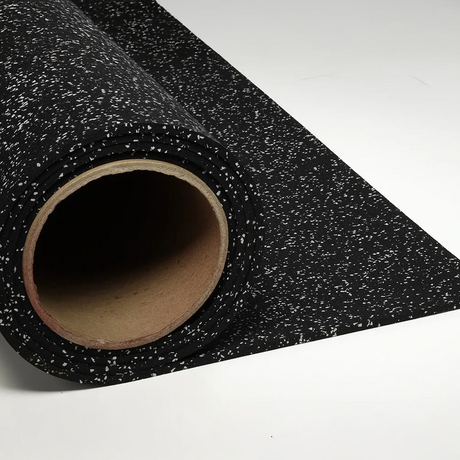
Rolled rubber installations provide seamless surfaces without the weak points created by tile joints. Best rubber flooring for gyms often specifies rolled installation for areas receiving dropped weights or heavy equipment traffic. The continuous surface distributes impact forces across larger areas rather than concentrating stress at seam lines. However, rolled installation requires adhesive for permanent commercial applications, increasing both initial costs and future removal complexity.
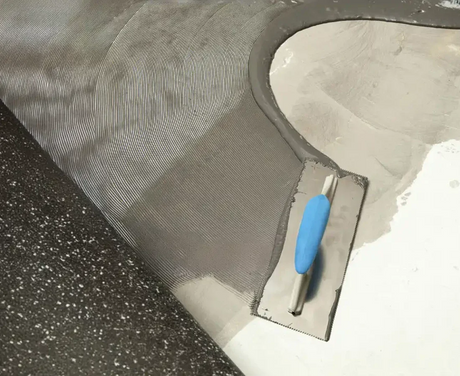
Adhesive selection determines long-term performance more than most facility managers realize. Our installation partnerships show that 73% of rubber flooring failures stem from improper adhesive selection, not product quality — something we help customers avoid. Full-spread urethane adhesives provide maximum bond strength for permanent installations but require professional application and extended cure times. Pressure-sensitive adhesives allow repositioning during installation but may not provide adequate bond strength for heavy commercial use.
Labor costs vary dramatically by installation method and regional market conditions. DIY-friendly interlocking tiles might appear cost-effective until you factor in the time required for proper subfloor preparation and precise tile alignment. Professional installation ensures optimal results but adds $2-4 per square foot to project costs. The investment becomes economically justified when considering warranty requirements and performance optimization.
Timeline considerations affect facility operations and revenue. Adhesive-free installations allow immediate use after completion, minimizing facility downtime. Glued installations require 24-48 hour cure periods before full loading, potentially disrupting normal operations. Facilities with peak usage periods must coordinate installation timing to minimize member impact and revenue loss.
Maintenance requirements impact long-term operational costs significantly. Vulcanized rubber maintains its appearance longer but requires specific cleaning protocols to prevent chemical damage. The stronger molecular bonds resist staining and wear but make the material sensitive to harsh cleaners containing petroleum distillates. Facilities must train staff on appropriate cleaning products and techniques to preserve flooring investments.
Smart flooring technologies represent emerging opportunities for data-driven facility management. Smart flooring technologies with integrated sensor capabilities introduced in 2024 enable tracking of usage patterns, impact forces, and maintenance needs. When combined with insights from a comprehensive gym flooring guide, these advanced systems provide objective data for optimizing facility layout, identifying high-wear areas, and scheduling preventive maintenance before visible damage occurs.
Lifecycle cost analysis should include replacement timeline, maintenance expenses, and operational disruption costs. Premium flooring options with 10-12 year service life often provide superior total cost of ownership compared to budget alternatives requiring replacement every 3-4 years. The analysis becomes compelling when including costs of facility downtime, member satisfaction impacts, and equipment protection benefits.
Frequently Asked Questions
1. What thickness of rubber flooring do I need for different gym areas?
Thickness requirements depend on equipment usage and impact levels. Cardio and stretching zones perform optimally with 6-8mm thickness, providing comfort without compromising stability. General weight rooms need 8-9mm to handle moderate drops from bench press and rowing exercises. Olympic lifting areas demand 10.5mm minimum to absorb impact from competition-weight clean and jerk movements. Specialized powerlifting platforms may require up to 22.5mm for maximum protection.
2. How do ECORE, Regupol, and Mondo differ in real-world performance?
ECORE excels in sustainability with 100% recycled content while delivering reliable commercial performance across diverse applications. Regupol provides quantified performance metrics with 85-86% energy restitution, making it ideal for facilities prioritizing equipment protection and member safety. Mondo specializes in extreme durability with its 3mm wear layer technology, targeting high-traffic commercial facilities where replacement costs create significant operational risks.
3. Can I install rubber gym flooring myself or do I need professionals?
Installation complexity varies by product and application. Interlocking tiles allow DIY installation for small areas or temporary setups, while rolled rubber installations requiring adhesive demand professional expertise to ensure proper bonding and warranty coverage. Mondo flooring specifically requires certified installation teams. Professional installation becomes cost-effective for large commercial projects where mistakes create expensive remediation costs.
4. How do I maintain rubber flooring to maximize its lifespan?
Daily maintenance involves sweeping debris and mopping with pH-neutral cleaners. Avoid petroleum-based products that can damage rubber molecular bonds. Weekly deep cleaning should include equipment relocation to clean underneath and inspect for wear patterns. Monthly maintenance includes checking seams and edges for lifting or damage. Annual professional inspection identifies issues before they require major repairs.
5. What's the realistic cost difference between budget and premium rubber flooring?
Budget rubber flooring costs $2-4 per square foot but typically requires replacement every 3-4 years. Premium options like Regupol or Mondo cost $8-15 per square foot but provide 10-12 year service life. Total cost analysis including installation, maintenance, and replacement cycles often favors premium products for commercial applications. The break-even point typically occurs around year 6-7 of operation.
6. Does rubber flooring contribute to green building certifications?
High-recycled content flooring qualifies for LEED points in Materials and Resources categories. ECORE's 100% recycled content with low-emission formulations contributes to multiple credit categories, making it ideal for facilities pursuing green building certifications. Facilities pursuing LEED certification should verify specific product documentation meets current certification requirements. Green building benefits extend beyond certification to corporate sustainability reporting and tenant attraction.
7. What warranty coverage should I expect from quality rubber flooring?
Commercial-grade flooring typically includes 5-10 year warranties covering manufacturing defects and premature wear under normal use conditions. Warranty coverage requires proper installation, specified maintenance protocols, and documentation of care procedures. Professional installation often extends warranty terms and coverage. Review warranty exclusions carefully, particularly regarding chemical exposure, improper cleaning, and installation deviations.
8. How do I choose between tiles and rolls for my facility?
Irregular room shapes minimize waste with tile installations, while rectangular spaces achieve better efficiency with rolls. Tiles offer future flexibility for relocation or reconfiguration but create seam lines that may fail under heavy equipment. Rolls provide seamless surfaces ideal for dropping weights but require adhesive for commercial permanence. Consider your facility's long-term plans and primary usage patterns when making this decision.
Making the Right Investment in Your Facility's Foundation
The decision between ECORE, Regupol, and Mondo ultimately depends on your facility's primary objectives and operational requirements. Facilities prioritizing sustainability and LEED certification while maintaining solid commercial performance will find ECORE's 100% recycled content with iTRU Technology delivers the optimal balance. The broad thickness range accommodates diverse applications within a single brand family, simplifying procurement and ensuring consistent appearance throughout your facility.
Performance-focused operations demanding quantified results should specify Regupol for critical areas. The documented 85-86% energy restitution and 12.9-13.7% force reduction provide measurable benefits that translate to extended equipment life and reduced member injury risks. Athletic facilities, CrossFit boxes, and performance training centers find the premium investment justified by the superior impact management capabilities.
High-traffic commercial facilities facing extreme durability demands will benefit from Mondo's specialized wear layer technology. The 3mm homogeneous construction withstands abuse that destroys lesser flooring within 2-3 years. While the initial investment and professional installation requirements increase upfront costs, the extended service life and minimal maintenance needs provide compelling long-term value for demanding commercial applications.
Your flooring decision impacts every aspect of facility operations for the next decade. Rather than defaulting to the lowest price option, evaluate the total cost of ownership including equipment protection, member satisfaction, maintenance requirements, and replacement timeline. Quality rubber gym flooring represents the foundation of successful facility operations — choose wisely based on performance metrics rather than initial cost alone.
Ready to upgrade your facility with proven commercial flooring solutions? Blue Sky Fitness Supply's ECORE collection offers the complete range of sustainable, high-performance options discussed in this comparison. Our team helps facility managers navigate the selection process with expert guidance based on real-world installation experience across hundreds of commercial projects.