

Table of Contents:
- What Is the Hyperice Venom 2 Line? A Compression Gear Overview for 2026
- What the 2026 Research Actually Says About Compression and Heat Therapy
- Venom 2 for Clinical Settings: What Physical Therapy and Chiropractic Clinics Need to Know
- Venom 2 for Corporate Wellness Programs: ROI, Employee Utilization, and Practical Setup
- Hyperice Venom 2 Product Comparison: Which Wrap Is Right for Your Facility?
- Frequently Asked Questions
- Your Facility's Recovery Program Deserves a Straight Answer
The global compression therapy market hit approximately $4.5–4.9 billion in 2025–2026, with North America commanding roughly 39–40% of that share. Physical therapy clinics are adding recovery technology to treatment rooms. HR directors are building out wellness rooms with compression and heat gear. And the vendors selling this equipment are moving faster than the research committees validating it.
Here's the tension, though. A 2025 review of 51 studies published in The Conversation concluded that compression garments do not enhance endurance race times or performance during exercise. Yet clinical adoption and corporate purchasing of compression devices is accelerating faster than at any point in the last decade. That's a contradiction worth sitting with.
The answer is simpler than it seems: most buyers are applying compression gear to the wrong window. They're buying performance; the evidence supports recovery. Those are different products serving different moments — and the facilities getting this right are building recovery protocols around the post-exercise period, not the warm-up.
The Hyperice Venom 2 compression gear line is designed exactly for that window. It's not a pneumatic sleeve for during-workout performance. It's a heat and vibration platform for what happens after — when muscle tissue is damaged, circulation matters, and consistent treatment between appointments or workouts makes the measurable difference.
This review covers the full Venom 2 lineup — the Back, Leg, and Shoulder wraps at $269 each, plus the Venom Go at $129 — evaluated specifically for two buyer types: physical therapy and chiropractic clinics making procurement decisions, and HR or corporate wellness directors building out employee recovery programs in 2026. We cite real research, acknowledge where the evidence is thin, and give you a direct verdict on whether the price is justified.
What Is the Hyperice Venom 2 Line? A Compression Gear Overview for 2026
Hyperice was founded in 2011 with a focus on recovery technology built for serious athletic use. Today, according to buyFSA's brand overview, the company is clinically tested, FDA-cleared for select devices, and used by professional athletes in over 60 countries. Fast Company named Hyperice one of its World's Most Innovative Companies, and TIME recognized Hyperice products as Best Inventions in both 2024 and 2025. That's the brand context — relevant for clinical and corporate buyers evaluating vendor credibility before committing to multi-unit orders.
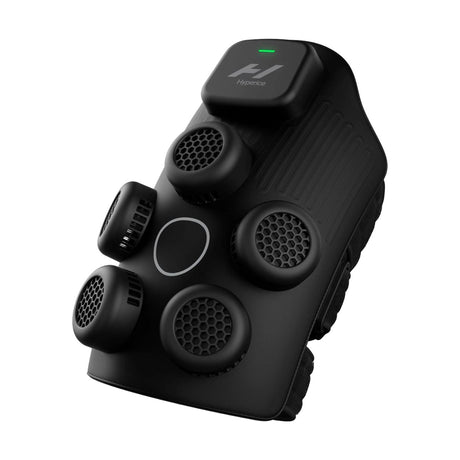
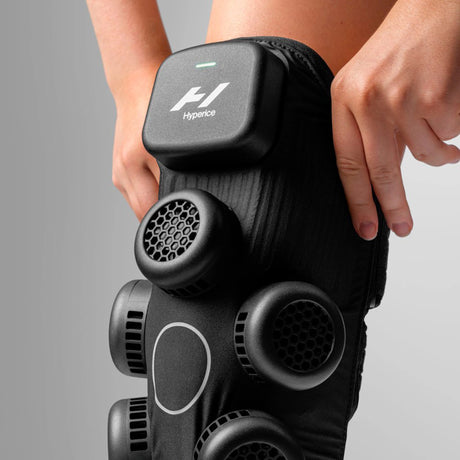
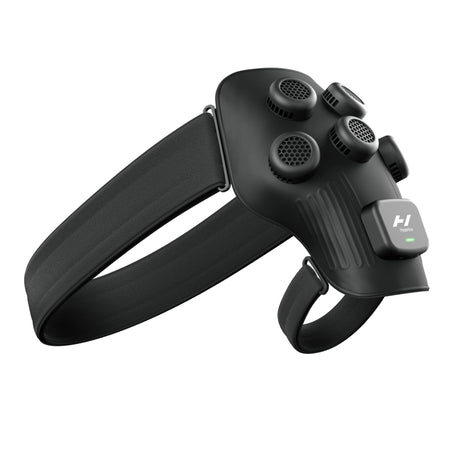
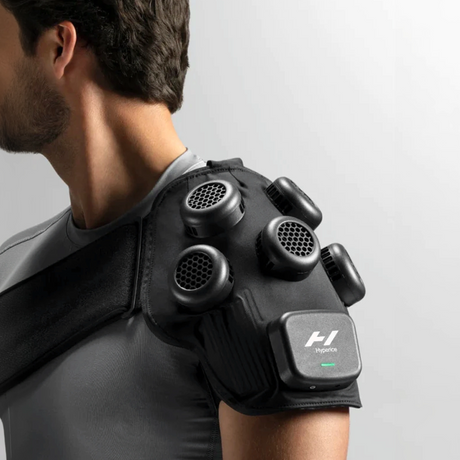
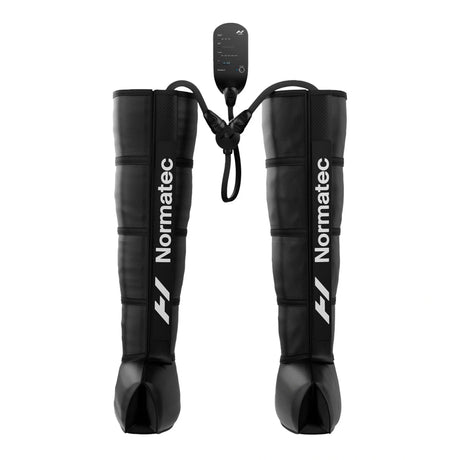
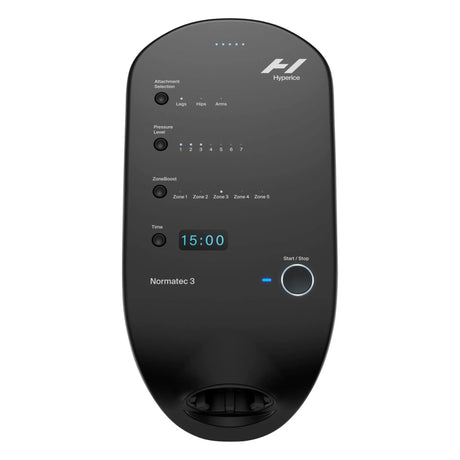
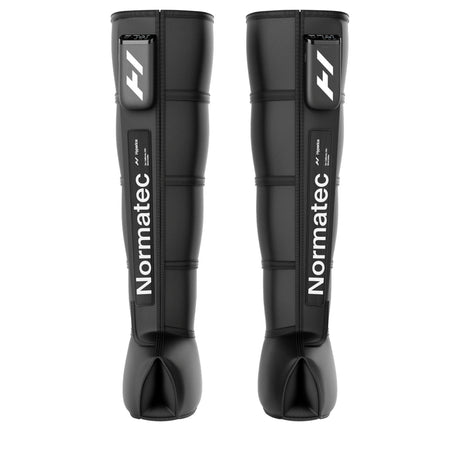
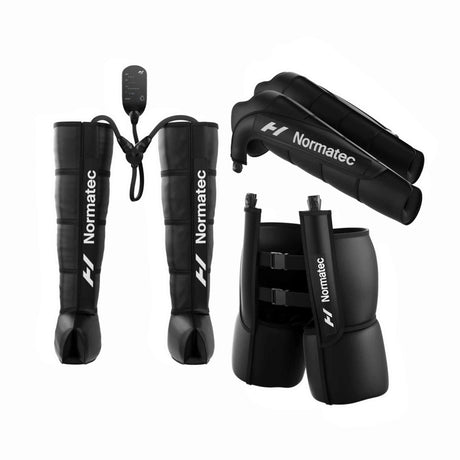
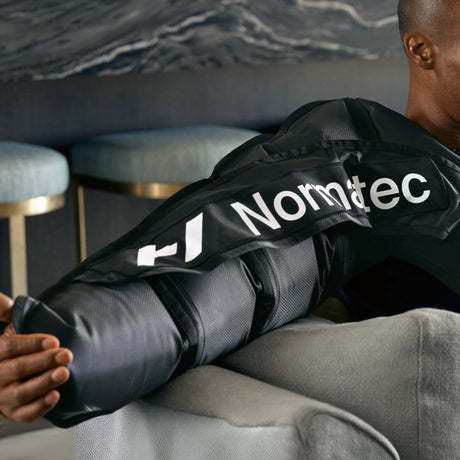
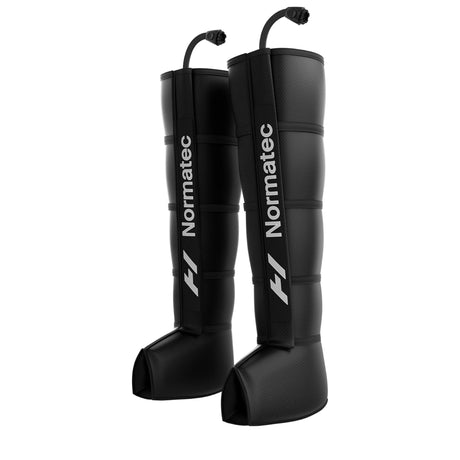
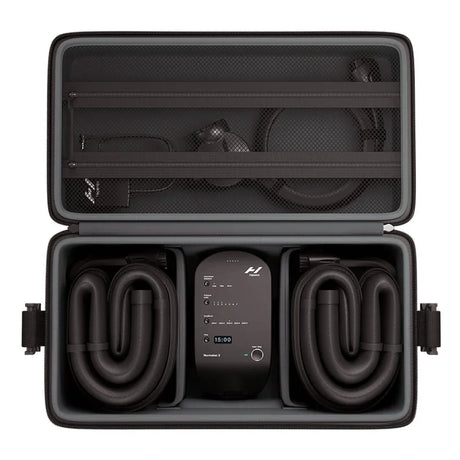
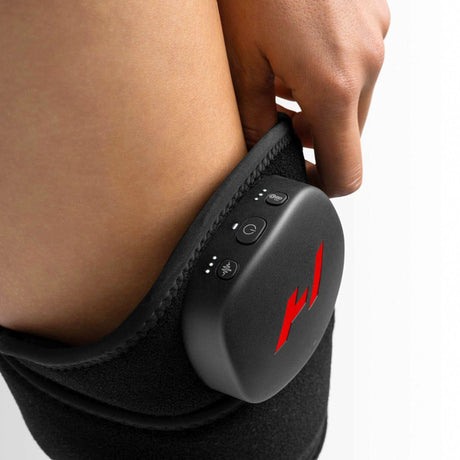
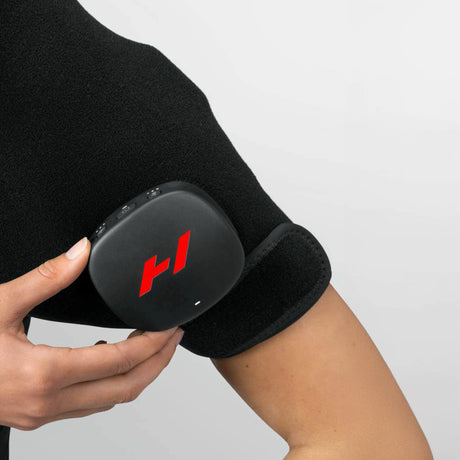
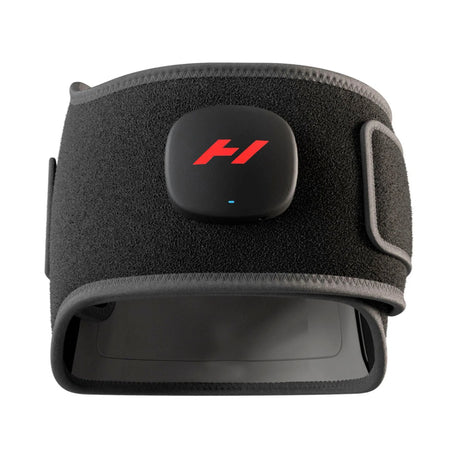
Before going further, one distinction matters enormously for anyone comparing Hyperice products: the Venom 2 is not a pneumatic compression device. It does not inflate. It uses heat and vibration — two separate therapeutic modalities — delivered simultaneously through a flexible neoprene wrap. If you're looking for sequential air compression across full limbs, that's the Normatec line, also made by Hyperice. Both serve legitimate recovery functions, but through completely different mechanisms. Confusing them leads to the wrong purchase.
The full Venom 2 product family breaks down as follows:
- Venom 2 Back Wrap — $269
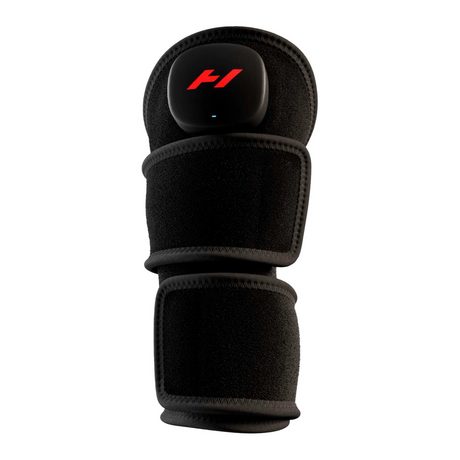
- Venom 2 Leg Wrap — $269
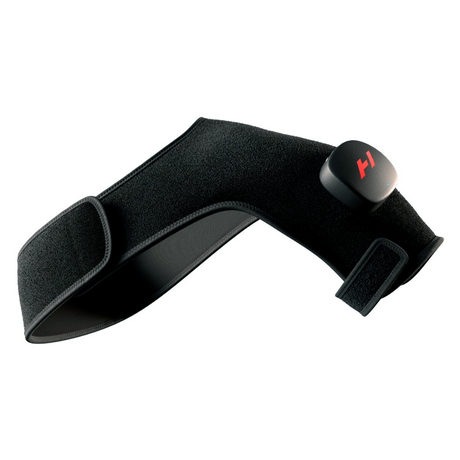
- Venom 2 Shoulder Wrap — $269
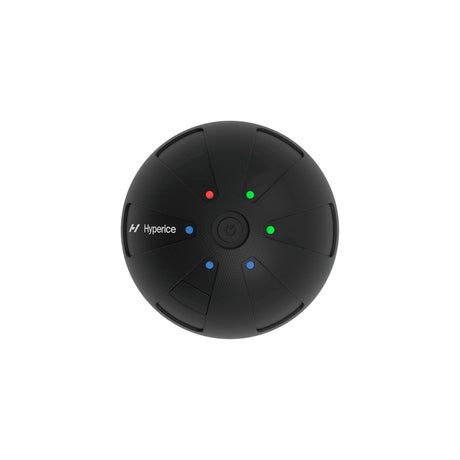
- Venom Go — $129
- Venom Go Case — $29
- Venom Go Refill Pack — $29
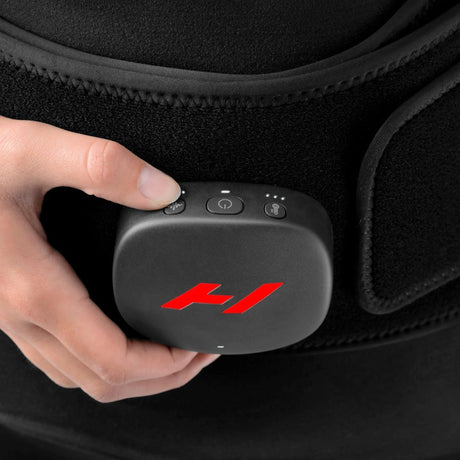
The core technology is HyperHeat™, which according to Hyperice's official product specs heats up 6x faster than a standard heating pad, with a surface area 2x larger than the original Venom. Three heat levels — 113°F (45°C), 122°F (50°C), and 131°F (55°C) — pair with three distinct vibration patterns, creating nine unique heat-vibration combinations. That range matters clinically: a practitioner treating acute muscle stiffness might use low heat with moderate vibration, while a patient in later-stage recovery might benefit from a higher heat setting with a different vibration pattern entirely.
Bluetooth connectivity via the Hyperice App allows clinical staff or corporate wellness coordinators to set and monitor protocols remotely — which means standardized treatment delivery across multiple practitioners or a managed shared-device setup in a wellness room. Battery life runs up to 3 hours per charge, and the device is TSA-approved for carry-on travel. For sports medicine clinicians who travel with athletic teams, or for corporate programs serving road-warrior employees, that portability is a real operational advantage, not a marketing footnote.
The entire Venom 2 line — including Venom Go Refill Packs — is FSA/HSA eligible, purchasable directly at checkout on hyperice.com. That's a meaningful procurement detail for both clinic patients using health accounts and employees tapping pre-tax wellness dollars.
One clinical distinction worth anchoring early: the Venom 2 is a heat and vibration tool, not a cold therapy device. Hyperice and authorized resellers are clear on the use-case separation — heat is appropriate for muscle soreness and stiffness, while cold therapy is the right choice for acute injuries involving active inflammation or swelling. A clinic deploying both modalities needs both tools; the Venom 2 covers one side of that equation specifically.
Hyperice's acquisition of Normatec combined with the Venom line creates an end-to-end recovery ecosystem. For facility operators, offering both modalities enables differentiated programming: Normatec for post-cardio lower body flush, Venom 2 for targeted joint and muscle pre/post treatment. Blue Sky carries both lines for facilities building out a complete recovery suite.
What the 2026 Research Actually Says About Compression and Heat Therapy
This section won't oversell the science. Clinical and HR buyers who've been burned by overhyped wellness tech deserve an accurate read of what the research actually supports — and what it doesn't.
Start with heat therapy. The American College of Sports Medicine recognizes heat therapy as an effective modality for muscle relaxation and pain relief. The Venom 2's HyperHeat™ technology operationalizes this within a portable, app-controlled device — making consistent heat delivery achievable in clinic settings without fixed treatment tables or corded equipment. That's an incremental improvement over standard heating pads, not a reinvention of the modality.
Vibration therapy, the second component of the Venom 2, has a separate and reasonably well-established evidence base for reducing delayed onset muscle soreness and improving tissue extensibility. The combination of heat and vibration is the device's real differentiator — both signals delivered simultaneously through a targeted anatomical wrap. For buyers who want a broader look at how Hyperice's brand has built its evidence base across its device lineup, our Hypervolt review covering Hyperice's massage gun technology examines the company's clinical positioning and research approach in depth.
Now, compression therapy as a broader market context. The evidence here is nuanced and worth reading carefully. A 2025 meta-analysis published in the journal Life (Li et al.), pooling 28 studies and 107 effect sizes, found statistically significant but modest restorative effects: Hedges g = -0.28 for strength recovery and Hedges g = -0.23 for power recovery from compression garment use. These are small-to-moderate effects — meaningful at a population level, but not dramatic at the individual level. Recovery benefits were observable at 1–48 hours post-exercise and also beyond 72 hours, suggesting compression supports both near-term and extended recovery timelines.
The important nuance: the 2025 review of 51 studies found compression garments do not enhance endurance performance during exercise. The Venom 2 is not a performance enhancer. Position it honestly as a post-exercise recovery tool — that's where the evidence sits, and that's where the device earns its keep.
Science for Sport's 2025 analysis identifies multiple simultaneous mechanisms through which compression works: improving joint proprioception, enhancing venous return, reducing muscle oscillation, and accelerating metabolic waste clearance. This multi-mechanism picture matters for institutional buyers — it means compression isn't a single-trick intervention but a multi-pathway recovery modality.
A 2025 study published in Nature Scientific Reports (Trybulski et al.) examined combat sports athletes and found compression therapies demonstrate clear benefits in accelerating recovery via enhanced blood flow and improved muscle mechanical properties. Critically, the study noted that pressure magnitude directly influences outcomes — an important data point for facilities considering whether calibrated commercial devices justify their price premium over generic heated wraps. They do.
Research published in the British Journal of Sports Medicine reinforces this: intermittent pneumatic compression accelerates recovery markers, reduces muscle soreness, and improves subsequent performance. The Li et al. 2025 analysis also found recovery benefits significant for both trained and untrained individuals — directly relevant for HR wellness buyers whose employee population spans everyone from competitive athletes to sedentary desk workers.
Two institutional signals worth noting for clinical procurement teams. Medicare expanded lymphedema compression treatment coverage in 2024 — a regulatory move that signals compression therapy gaining institutional legitimacy beyond sports medicine, accelerating crossover demand from medical to fitness markets. Separately, the University of Redlands is currently running an active clinical trial (NCT07573189, started March 2026) examining intermittent pneumatic compression's effects on blood lactate, neuromuscular function, and range of motion in collegiate athletes. The research pipeline is active and moving toward stronger evidence.
The honest summary: the evidence is solid for post-exercise recovery. It is not a cure-all, and the effect sizes are modest. But at the Venom 2's price point and with its clinical-grade feature set, the research is meaningful enough to justify institutional investment — particularly for facilities treating musculoskeletal complaints or managing high-intensity training populations.
The strongest evidence for compression therapy recovery benefits appears in the 24-hour post-exercise window following high-intensity or muscle-damaging sessions. Facility managers and clinical staff should position the Venom 2 as a post-workout recovery tool — not a warm-up aid — when developing treatment protocols.

Venom 2 for Clinical Settings: What Physical Therapy and Chiropractic Clinics Need to Know
Clinical procurement decisions run on five variables: efficacy, patient throughput, footprint, sanitation, and durability. The Venom 2 addresses all five — not perfectly in every case, but consistently enough across the line to justify serious evaluation.
The use-case mapping is straightforward. The Venom 2 Back Wrap ($269) covers lumbar treatment protocols — one of the highest-volume complaint areas in any outpatient musculoskeletal practice. The Venom 2 Shoulder Wrap ($269) fits rotator cuff post-treatment and shoulder girdle recovery. The Venom 2 Leg Wrap ($269) covers lower extremity work between sessions. At $269 per unit, multi-unit procurement for a three-treatment-room clinic runs under $1,000 — accessible for practices that aren't operating with hospital-system capital budgets.
Sanitation is a top concern for shared clinical equipment, and neoprene construction addresses it practically. The material wipes down cleanly between patient uses with standard clinical disinfectant wipes. The lightweight, adjustable strap design accommodates different body sizes without requiring equipment swap-outs between patients — a real throughput consideration in a busy practice running 6–8 patients per room per day.
The Hyperice App integration is worth examining specifically for clinical use. App-controlled heat and vibration settings allow practitioners to set standardized protocols that replicate consistently across sessions and across staff. That's not a consumer-convenience feature — it's infrastructure for evidence-based, reproducible treatment delivery. A clinician can document the exact heat level and vibration pattern used in session three and replicate it precisely in session seven. That consistency matters for outcome tracking.
According to a Recovery For Athletes authorized reseller listing, the Venom 2 Back Wrap measures 48 x 11 x 2 inches with adjustable compression straps and up to 3 hours of battery life. No power outlet dependency during use means it works anywhere in the treatment space — on a mat table, in a chair, or on a treatment table without cord management issues.
The Venom Go ($129) has a specific clinical application that's often overlooked: patient take-home recommendations. Because the entire Venom 2 line is FSA/HSA eligible at checkout on hyperice.com, clinics can direct patients to purchase take-home devices using their health accounts — extending therapeutic continuity between appointments without adding to clinic overhead. From a clinical procurement standpoint, the FSA/HSA eligibility of the Venom Go creates a practical patient-referral pathway that strengthens the therapeutic relationship between appointments without requiring clinic-supplied loaner equipment.
The Venom 2's heat and vibration approach is complementary to existing clinical modalities — it doesn't replace ultrasound, manual therapy, or electrical stimulation. It adds a portable, between-session recovery layer. Clinicians in sports medicine contexts or those treating athletic clientele will find it pairs well with cold plunge protocols, where the evidence base for contrast therapy is also examined in depth.
On the FDA question: Hyperice is FDA-cleared for select devices, and the brand's regulatory track record is a legitimate credibility signal for clinical buyers evaluating vendor relationships. As with any device, verify specific clearance status directly with Hyperice for your intended treatment application rather than assuming blanket clearance across the line.
The 2025 Nature Scientific Reports study (Trybulski et al.) noted that pressure magnitude directly influences recovery outcomes — supporting the case for commercial-grade, calibrated devices like the Venom 2 over generic heated wraps or non-calibrated compression products. And Li et al.'s 2025 finding that compression benefits were significant for both trained and untrained individuals means the Venom 2 is relevant across a clinic's full patient population, not just the athletic subset.

Venom 2 for Corporate Wellness Programs: ROI, Employee Utilization, and Practical Setup
HR and benefits directors evaluating recovery technology face a different decision matrix than clinicians. The questions are about utilization rates, liability exposure, maintenance burden, and whether the amenity signals genuine investment in employee wellbeing — or just looks good in a recruiting brochure.
Start with the market context, because it matters for justifying the budget line: the U.S. compression therapy market was valued at $1.5 billion in 2025 and is projected to reach $3.2 billion by 2035, growing at a 7.87% CAGR. According to Grand View Research's 2026 analysis, dynamic compression therapy is the fastest-growing technology segment in this category — outpacing static compression in growth rate as consumer demand shifts toward programmable, intelligent recovery devices. This is not a fringe wellness trend; it's a mainstream recovery category moving into corporate benefit packages.
The Venom 2's Bluetooth app and programmable heat and vibration settings position it squarely in that dynamic, high-growth segment. That's relevant when presenting the purchase to a CFO or benefits committee — you're not buying niche biohacking gear; you're buying the leading edge of a mainstream recovery category at a $129–$269 price point.
Office footprint is a genuine advantage here. The entire Venom 2 line is compact, portable, and requires zero installation. A corporate wellness room or recovery lounge setup costs nothing in renovation dollars — no plumbing, no dedicated electrical circuits, no contractor hours. The 3-hour battery life means employees can use devices away from outlets. A wellness coordinator can manage a fleet of three to five devices with the Hyperice App, setting protocols and monitoring usage without specialized training.
The employee utilization model is flexible. Venom 2 wraps can function as shared amenities managed by a wellness coordinator, or individual Venom Go units ($129) can be allocated to high-usage employees — desk workers dealing with chronic back or shoulder tension are the obvious target population, and the Venom Go's non-anatomically-fixed design works across multiple body areas. According to Mordor Intelligence, home healthcare compression system purchases are projected to rise at 5.86% CAGR through 2031 — employees already have appetite for this category at home, which reduces the utilization education barrier at the office.
Safety and liability considerations work in the Venom 2's favor. The ACSM recognizes heat therapy as an effective modality — meaning you're recommending an ACSM-recognized treatment approach, not a consumer gadget of uncertain provenance. The defined heat ceiling of 131°F with three calibrated levels eliminates the overheating risk present in unregulated consumer heating products. Hyperice is FDA-cleared for select devices, which gives HR legal teams a credible regulatory reference point. The Li et al. 2025 finding that compression benefits are significant for both trained and untrained individuals means the device is appropriate across your entire employee population, not just the gym-goers.
The Venom 2's TSA approval and portable battery operation mean facility operators can offer it as a member-facing amenity in recovery lounges or as a rentable recovery service — a genuine revenue-generating layer for corporate gyms or wellness centers without renovation costs. For corporate gym operators specifically, a recovery room with Venom 2 wraps and a defined booking process is a member retention amenity. Recovery rooms are increasingly a measurable differentiator — facilities with dedicated recovery spaces see lower churn rates, and the equipment investment is minimal at this price point.
Low maintenance is a real operational selling point for HR teams without dedicated facilities staff. No water, no filters, no plumbing. Neoprene wipes clean between users. The Venom Go Case ($29) and Refill Packs ($29) handle multi-user sanitation management without complexity.
For larger corporate wellness budgets, Hyperice's broader ecosystem scales logically. The Normatec 3 Full Body ($1,549) adds systemic pneumatic compression for post-cardio recovery. The Hyperice X Knee and Shoulder Wraps ($429 each) introduce hot-and-cold capability for facilities wanting both modalities in a single device. The Venom 2 works as an entry point into the Hyperice ecosystem — or as a standalone recovery investment for programs that don't need the full escalation. For corporate wellness programs building out a complete mobility and recovery protocol, complementary mobility work such as slant board training pairs naturally with compression recovery programming.

Hyperice Venom 2 Product Comparison: Which Wrap Is Right for Your Facility?
The Venom 2 line covers distinct anatomical targets — choosing the right device depends on your patient or employee population's primary complaint areas and your procurement budget. The table below lays out the full lineup, including the premium Hyperice X series for facilities evaluating the step-up to hot-and-cold capability.
| Feature | Venom 2 Back ($269) | Venom 2 Leg ($269) | Venom 2 Shoulder ($269) | Venom Go ($129) | Hyperice X Knee/Shoulder ($429) |
|---|---|---|---|---|---|
| Primary target area | Lumbar / lower back | Quadriceps / hamstring / calf | Rotator cuff / shoulder girdle | Flexible — back, shoulder, knee, wrist | Knee or shoulder (model-specific) |
| Therapy type | Heat + vibration | Heat + vibration | Heat + vibration | Heat + vibration | Heat + ice compression |
| Heat levels | 3 (113°F, 122°F, 131°F) | 3 (113°F, 122°F, 131°F) | 3 (113°F, 122°F, 131°F) | 3 (113°F, 122°F, 131°F) | Hot + cold (separate settings) |
| Vibration patterns | 3 patterns / 9 combos | 3 patterns / 9 combos | 3 patterns / 9 combos | 3 patterns / 9 combos | No vibration |
| Battery life | Up to 3 hours | Up to 3 hours | Up to 3 hours | Up to 3 hours | Varies (corded/battery) |
| FSA/HSA eligible | Yes | Yes | Yes | Yes | Yes |
| Bluetooth app control | Yes | Yes | Yes | Yes | Yes |
| TSA approved | Yes | Yes | Yes | Yes | Check with airline |
| Best for (clinical use) | Lumbar protocols, post-manual therapy | Lower extremity recovery between sessions | Rotator cuff post-treatment | Patient take-home referral, flexible use | Post-surgical or acute joint recovery |
| Best for (corporate use) | Desk workers with lumbar complaints | Standing-desk/active office workers | Upper-body tension, sedentary workers | Shared lounge amenity, per-employee allocation | Premium recovery room, large wellness budgets |
| Cold therapy capability | No | No | No | No | Yes (ice compression) |
| Sanitation (shared use) | Wipe-clean neoprene | Wipe-clean neoprene | Wipe-clean neoprene | Use with Refill Packs ($29) | Wipe-clean surface |
For clinics treating a mix of musculoskeletal complaints, starting with the Back and Shoulder wraps covers the two highest-volume complaint areas in most outpatient practices. Adding the Leg Wrap makes sense for sports medicine and orthopedic-adjacent practices with significant lower extremity caseloads. For corporate wellness programs operating with a single-device budget, the Venom Go at $129 offers flexible, non-anatomically-fixed recovery utility across a team — and the Venom Go Case ($29) and Refill Packs ($29) provide a clean sanitation management system for multi-user environments.
The Hyperice X Knee and Shoulder Wraps ($429 each) are the right choice for facilities that need both hot and cold capability in a single device — particularly relevant for post-surgical recovery protocols or clinics that want to reduce the total number of devices under management. The trade-off is that the Hyperice X does not include vibration therapy, which the entire Venom 2 line delivers. Different tools for different recovery goals.
Integrating smart technology — app control, guided protocols, and calibrated heat and vibration sensors — is now the primary competitive differentiator in compression and heat therapy gear. Buyers should evaluate devices on software ecosystem depth and brand regulatory credibility, not just hardware specs or price per unit. By that measure, the Venom 2 earns its place in both clinical and corporate procurement decisions. For a parallel example of how smart technology and brand credibility separate leading recovery devices from generic competitors, our in-depth Hyperice Hypervolt review applies the same evaluative framework to Hyperice's percussion therapy lineup.

Frequently Asked Questions
1. Is the Hyperice Venom 2 FSA or HSA eligible?
Yes, the entire Venom 2 line is FSA/HSA eligible and can be purchased directly at checkout on hyperice.com. This includes the Back, Leg, and Shoulder wraps, the Venom Go, and the Venom Go Refill Packs. For corporate wellness programs, this means employees can apply pre-tax health account dollars toward individual devices, reducing effective out-of-pocket cost and removing a common adoption barrier for workplace wellness initiatives.
2. What is the difference between the Hyperice Venom 2 and Normatec?
The Venom 2 delivers heat and vibration therapy through a targeted neoprene wrap designed for specific anatomical areas such as the back, leg, or shoulder. Normatec uses sequential pneumatic (air) compression across full limbs, primarily to enhance venous return and lymphatic circulation. Both product lines are made by Hyperice but work through entirely different mechanisms — Venom 2 is for targeted spot treatment of joints and muscles, while Normatec is for full-limb systemic flush. Facilities building a complete recovery room benefit from offering both modalities.
3. Does the Hyperice Venom 2 actually help with recovery?
Yes, with important context: the evidence supports post-exercise recovery benefits, not during-exercise performance enhancement. A 2025 meta-analysis by Li et al., published in the journal Life and pooling 28 studies, found statistically significant effects on strength recovery (Hedges g = -0.28) and power recovery (Hedges g = -0.23) from compression use. The Venom 2 adds calibrated heat and vibration on top of compression, with both modalities recognized by the ACSM as effective for muscle relaxation and soreness reduction. Clinics and corporate programs should position it as a post-workout recovery tool to align with where the evidence is strongest.
4. How long does the Venom 2 battery last?
The Venom 2 delivers up to 3 hours of battery life per charge. No outlet access is required during use, which simplifies deployment in flexible clinic or wellness room setups. The device is also TSA-approved for carry-on travel, making it operationally practical for sports medicine clinicians traveling with athletic teams and for corporate programs serving employees who work across multiple locations or travel frequently.
5. What heat and vibration settings does the Venom 2 offer?
The Venom 2 offers three calibrated heat levels — 113°F, 122°F, and 131°F — each pairable with three distinct vibration patterns, creating nine unique heat-vibration combinations. All settings are controllable via the Hyperice App over Bluetooth, allowing clinicians or wellness coordinators to set, document, and replicate specific protocols across sessions and staff members. That app control is what makes standardized, reproducible treatment delivery genuinely achievable in a shared clinical or corporate environment.
6. Is the Venom 2 suitable for shared use in a clinic or gym?
Yes, the neoprene construction wipes down easily between users with standard disinfectant wipes, making it practical for clinical and shared-facility environments. The adjustable strap design on the anatomical wraps accommodates different body sizes without requiring equipment adjustment between patients or employees. For the Venom Go specifically, facilities should pair shared units with the Venom Go Refill Packs ($29) and the Venom Go Case ($29) for structured sanitation management between users.
7. How does the Venom 2 compare to a standard heating pad?
The Venom 2 is not comparable to a standard heating pad in any meaningful clinical or operational sense. HyperHeat™ technology heats up 6x faster than a standard heating pad and covers a surface area 2x larger than the original Venom, per Hyperice's stated specifications. Beyond heat delivery alone, the Venom 2 integrates three vibration patterns, Bluetooth app control for remote protocol management, and up to 3 hours of cordless battery operation — none of which a standard heating pad provides. For clinical or shared-facility procurement, that functional gap justifies the price differential.
8. Which Venom 2 wrap should a clinic or corporate wellness program buy first?
For most outpatient musculoskeletal clinics, the Venom 2 Back Wrap is the highest-priority first purchase because lumbar complaints represent the highest volume in most practices, followed by the Shoulder Wrap for rotator cuff and upper body protocols. For corporate wellness programs operating with a limited initial budget, the Venom Go at $129 is the lowest-commitment entry point — its non-anatomically-fixed design works across multiple body areas and scales to shared-lounge or per-employee-allocation use without requiring a full fleet purchase upfront.
Your Facility's Recovery Program Deserves a Straight Answer
The verdict on the Hyperice Venom 2 is different depending on who's asking.
For physical therapy and chiropractic clinics: the Venom 2 line offers a clinically defensible heat and vibration platform at $269 per targeted wrap — accessible for multi-unit procurement without hospital-system budget requirements. FSA/HSA eligibility creates a genuine patient take-home referral pathway that extends therapeutic continuity between appointments. App-controlled protocols support standardized, documented treatment delivery. If your practice treats musculoskeletal complaints and you want a recovery-extension strategy that patients can continue at home, the Venom 2 earns its place in the treatment toolkit.
For corporate wellness buyers: compact, portable, zero-installation, low-maintenance, and backed by an FDA-cleared brand with ACSM-recognized therapeutic modalities. The Venom Go at $129 is a low-commitment entry point that scales — add anatomical wraps for targeted recovery rooms, step up to Normatec or Hyperice X as budgets allow. The ROI case is straightforward: recovery rooms drive member retention, and the equipment cost is minimal relative to renovation-free setup.
Blue Sky Fitness Supply carries the full Hyperice Venom 2 lineup. Explore the complete Venom collection to find the right configuration for your clinic or corporate wellness setup — whether that's a single Venom Go to test employee uptake or a full multi-wrap procurement for a treatment room buildout. For facilities building a complete recovery protocol that combines heat and vibration with cold therapy, our post on cold plunge benefits for athletic recovery covers the evidence base and commercial setup considerations for that complementary modality.
The directional signal here is clear. The global compression therapy market is projected to reach $6.5–9.9 billion by 2034–2035 across multiple research firms, and Medicare's 2024 expansion of lymphedema compression coverage signals that institutional credibility in this category is only growing. Facilities that invest in calibrated, app-controlled recovery gear now — rather than waiting for the category to fully commoditize — will have the protocol experience and patient or employee familiarity that latecomers won't be able to buy off a shelf. Getting ahead of that curve in 2026 is the smart procurement call.