

Table of Contents:
- What Are Normatec Boots? Origins, Technology, and How They Actually Work
- What Does the Research Actually Say About Normatec Boots? Evidence for Clinical and Commercial Buyers
- Normatec Boots Product Line: How to Choose the Right Model for Your Facility
- Contraindications, Safety Protocols, and Sanitation Standards for Normatec Boots in Professional Settings
- How to Evaluate Normatec Boots as a Commercial or Clinical Investment
- Frequently Asked Questions About Normatec Boots
- The Bottom Line on Normatec Boots for Professional and Commercial Settings
Recovery technology is no longer a luxury amenity. For clinic owners, gym operators, and corporate wellness managers, it has become a measurable differentiator — one that drives member retention, patient throughput, and demonstrable wellbeing ROI. And no product in this space carries more name recognition right now than Normatec boots.
The numbers back that up. According to Business Research Insights, the global compression recovery systems market was valued at approximately USD 1.32 billion in 2024 and is projected to reach USD 2.46 billion by 2033, growing at a CAGR of roughly 7.1%. Normatec went from hospital-grade circulatory devices to the most-recognized name in pneumatic compression recovery — and the category is still accelerating.
Here's where the picture gets more nuanced than the marketing suggests. The strongest research finding isn't dramatic objective biomarker improvements. It's the perceived-recovery signal — athletes subjectively feel recovered enough to train sooner. As Superpower Health's synthesis of the research points out, that turns out to be a real and trackable variable for high training-load management. For facility operators, it may actually be the more commercially relevant outcome.
This post is written for B2B buyers — clinic owners, gym operators, and corporate wellness managers evaluating Normatec boots for professional deployment. We'll cover how these devices actually work physiologically, what the clinical evidence shows (and where it's silent), how the current product line breaks down, what contraindications your staff needs to know, and how to evaluate the investment across different facility types. No hype, no glossing over trade-offs.
What Are Normatec Boots? Origins, Technology, and How They Actually Work
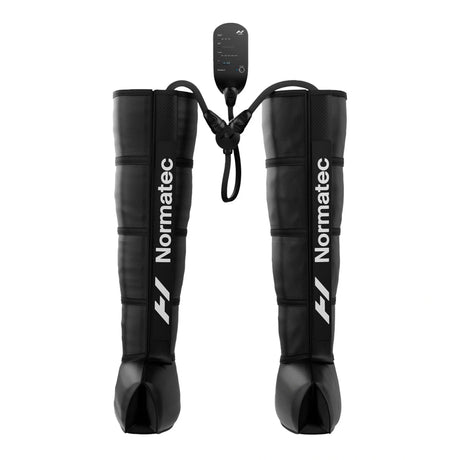
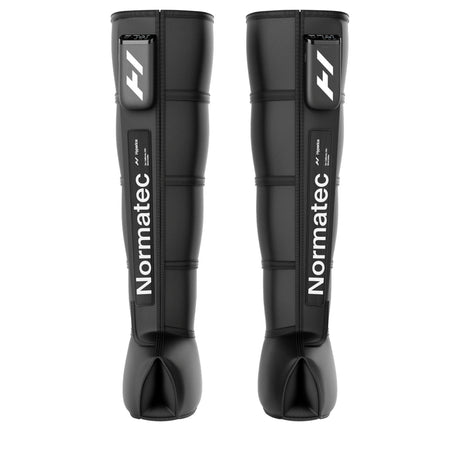
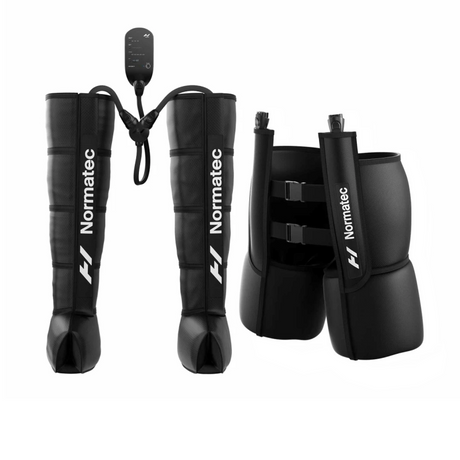
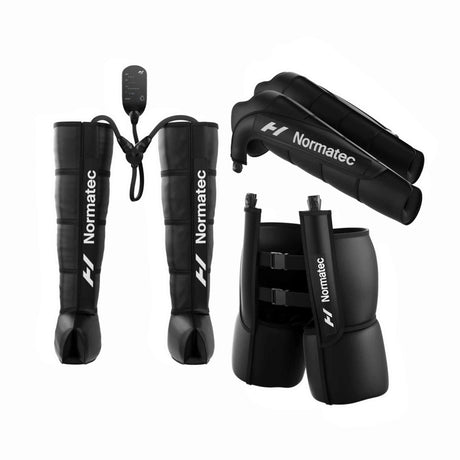
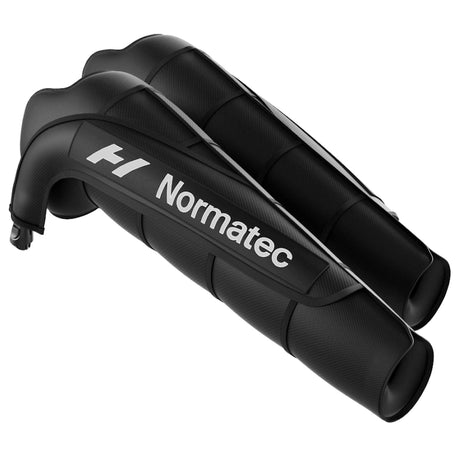
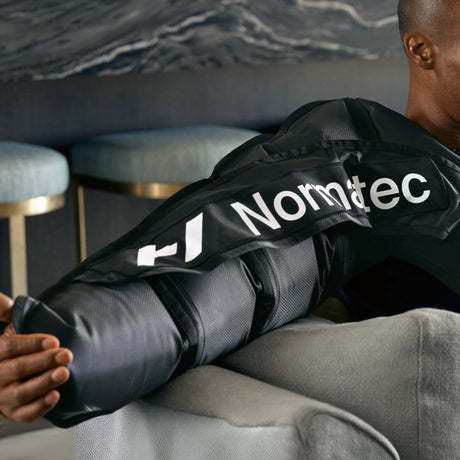
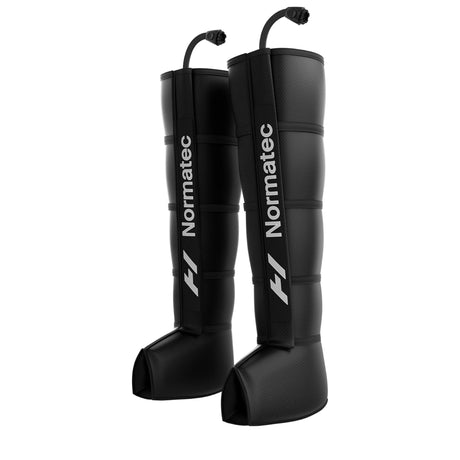
Normatec boots are pneumatic compression devices (PCDs) — multi-chambered air-filled sleeves that cover the foot, calf, and thigh, inflating and deflating in controlled sequences to move fluid through the lower extremities. That's the simple version. The mechanism behind them is considerably more sophisticated.
The origin story matters for credibility. According to Carolina Physical Therapy, NormaTec was invented by Dr. Laura Jacobs, a physician-engineer who originally developed the technology to help patients with circulatory disorders non-invasively. This wasn't a fitness gadget that got retrofitted with medical language — it was a clinical tool that athletes and fitness facilities eventually adopted. That lineage gives Normatec a credibility pathway that pure fitness products simply lack: the underlying technology has decades of clinical history in post-surgical edema management, venous insufficiency treatment, and lymphedema care.
Hyperice acquired NormaTec on March 5, 2020, integrating it into a global high-performance wellness brand. Today, Hyperice is the official recovery technology partner of the NFL, and athlete investors include Patrick Mahomes and Blake Griffin — a credibility signal that carries weight with both commercial gym members and corporate wellness stakeholders.
The PULSE Massage Pattern: What Makes Normatec Mechanically Different
The core of Normatec's technology is the patented PULSE Massage Pattern, which operates on three distinct mechanisms. Understanding them is essential for anyone making a purchasing decision — because these are the features that differentiate Normatec from standard compression sleeves on a biomechanical level, not just a marketing level.
Pulsing replaces static compression with dynamic, rhythmic compression. Static sleeves apply constant pressure; pulsing applies and releases pressure in waves, which more closely mirrors how the body's muscular pump functions during movement.
Gradient hold maintains a baseline pressure in zones that have already been compressed, preventing fluid from flowing backward between zones as the compression wave advances. This is the mechanism that matters most for lymphatic drainage. As Prime Performance explains, standard compression sleeves cannot replicate this one-directional pressure maintenance — because static garments have no zone-by-zone control. Normatec's gradient hold is what makes pneumatic compression devices mechanically superior for lymphatic applications, not simply more expensive versions of a sleeve.
Distal release means each zone fully releases pressure when the next zone inflates, allowing fresh blood to flow back into the distal tissue before the next compression cycle begins. The result is a flushing effect — metabolic waste out, oxygenated blood in — rather than just a squeeze.
The compression sequence begins at the feet and travels upward to the thigh, mimicking the body's natural venous and lymphatic pump. This matters anatomically: the lower extremities are farthest from the heart, making them the most vulnerable to fluid pooling and the most reliant on muscular and external pumping mechanisms for venous return. According to Carolina Physical Therapy, this foot-to-thigh sequencing aligns with — and amplifies — the body's own lymphatic valve structure, which transports fluid in one direction only.
What a Session Actually Feels Like
For facility operators evaluating member experience, the session itself is worth understanding. According to The Spine & Health Center, each session begins with a 90-second pre-inflate cycle that molds the boot chambers to the user's exact limb shape. Sessions typically run 20 to 60 minutes. Most users describe the experience as a deep, rhythmic massage — pressure builds in waves from foot to thigh, releases, and repeats. It is pain-free for the vast majority of users and requires no active effort from the person using the device.
That passive, comfortable experience is commercially significant: users can be productive (reading, watching content, working) during sessions, which makes Normatec a natural fit for corporate wellness lounges and recovery rooms where member time is limited.
What Does the Research Actually Say About Normatec Boots? Evidence for Clinical and Commercial Buyers
Clinics and facility operators need an honest evidence assessment — not marketing copy and not dismissal. Here's what the current literature actually supports, and where the gaps are.
The most current and comprehensive synthesis comes from the 2024 Biology of Sport systematic review and meta-analysis by Maia et al., available through NCBI. The researchers followed PRISMA guidelines and searched PubMed, Web of Science, SportDiscus, Academic Search Complete, and Science Direct — five major databases — making it the most methodologically rigorous review available on lower-limb intermittent pneumatic compression (IPC) and sports recovery.
A review of 17 studies involving 319 athletes, as analyzed by chartered physiotherapist Tom Goom, found modest recovery benefits overall — small improvements in performance recovery and DOMS reduction following exercise. Those results are real. They're also not dramatic.
Where the Evidence Is Stronger — and Where It Falls Short
A 2025 PM&R study directly examined IPC effects on delayed-onset muscle soreness (DOMS) and muscular-fatigue recovery, and a human randomized controlled trial published in BMC Sports Science documented effects on muscle function and creatine kinase — the primary biomarker for muscle damage used in IPC clinical research. According to Superpower Health's evidence review, these studies show measurable but modest reductions in creatine kinase levels alongside subjective soreness scores.
For facility managers evaluating Normatec claims, this distinction matters: look for studies reporting both creatine kinase reduction and subjective soreness scores. Creatine kinase alone tells you about tissue damage; the subjective score tells you about the member's actual experience. The two don't always move together, and the latter is what drives behavior in a commercial setting.
Head-to-head research comparisons reveal an important trade-off worth acknowledging directly: pneumatic compression boots are not clearly superior to a well-fitted static compression garment for DOMS reduction on objective biomarkers. If pure biomarker reduction were the only goal, static compression at a fraction of the cost could achieve comparable results for some users.
But that framing misses the commercially relevant finding entirely.
The Perceived-Recovery Signal: The Most Operationally Relevant Outcome
The strongest and most consistent finding across IPC research is the perceived-recovery signal. As Superpower Health documents, athletes subjectively feel recovered enough to train sooner — and that is a real and trackable variable for high training-load management. For gym operators, this is actually the more commercially relevant outcome: members who feel recovered return more frequently and are more likely to retain their memberships. That perceived-recovery benefit ties directly to churn reduction, which is the metric that matters most for a subscription-based facility.
For multi-day tournament or training-camp settings, the evidence gets particularly compelling. Repeated-session designs in basketball players show strong recovery support across consecutive training days — making Normatec especially valuable for sports performance facilities, collegiate programs, and facilities serving competitive athletes who can't afford recovery deficits between sessions.
The research pipeline continues to build. A University of Redlands clinical trial registered with ClinicalTrials.gov (NCT07573189, active as of 2026) is currently studying IPC effects on blood lactate levels, neuromuscular function, and range of motion in collegiate athletes. That kind of ongoing academic investment signals sustained research momentum — not a technology approaching obsolescence.
For PT and chiropractic clinics, the clinical use case has expanded well beyond sports recovery. Normatec is increasingly adopted for post-surgical recovery, venous insufficiency management, and lymphedema care — body areas and conditions that fall squarely within the scope of a dedicated rehabilitation equipment strategy — according to Accio Market Research, broadening the patient populations who can benefit and the billing documentation frameworks clinicians can reference.

Normatec Boots Product Line: How to Choose the Right Model for Your Facility
Hyperice has significantly refreshed the Normatec line over the past two years. For commercial and clinical buyers, the differences between models aren't cosmetic — they affect session workflow, maintenance burden, and the type of facility the device fits best.
Current Flagship Models
The Normatec Elite launched in June 2024 and was named to TIME Magazine's 2024 Best Inventions list. Each boot weighs 3.2 lbs, making it genuinely portable across treatment rooms or recovery spaces. The Elite is FSA/HSA eligible — a signal of regulatory acceptance worth communicating to health-conscious members and patients, and a practical accessibility lever for corporate wellness programs where employees may use their health accounts to participate.
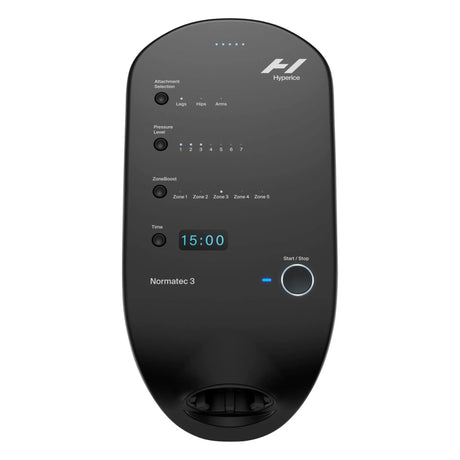
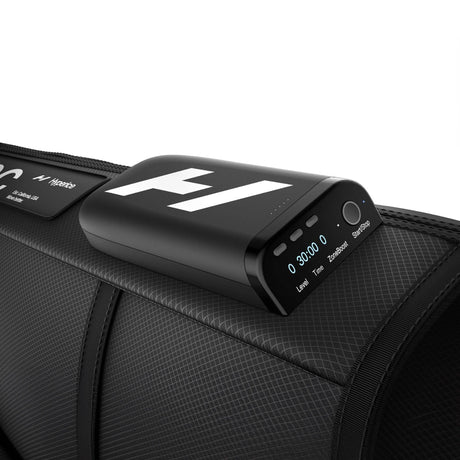
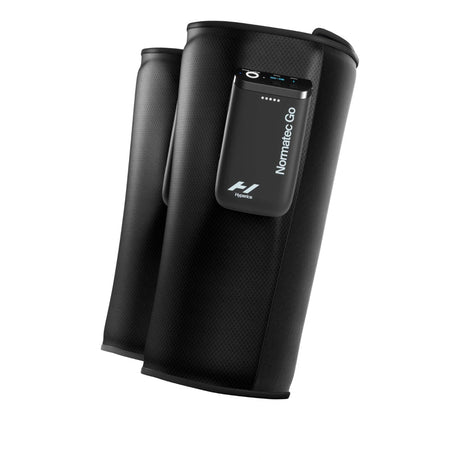
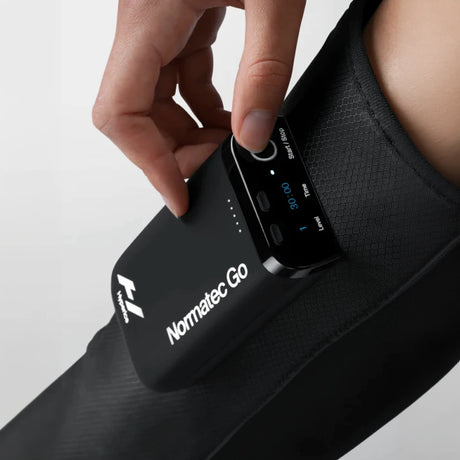
The Normatec Premier launched in October 2024, and according to Yahoo Finance, it represents the most advanced fully wireless dynamic air compression device Hyperice has produced — eliminating hoses and separate control units entirely. For commercial facilities, that's a meaningful operational upgrade, not just a consumer convenience. No hoses means fewer failure points, simpler session turnover between members, and a cleaner recovery lounge aesthetic that reflects the premium positioning these spaces require. When you're running 10 to 20 sessions per day across a recovery lounge, eliminating the most common mechanical failure point matters to your uptime numbers.
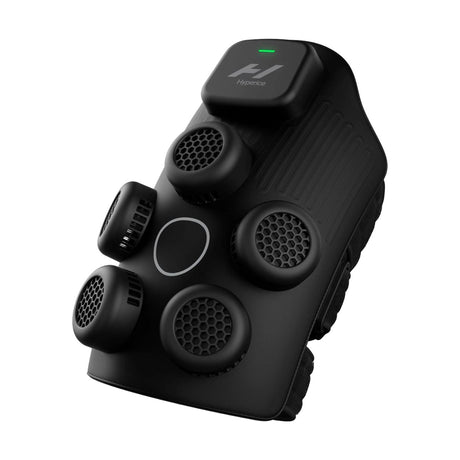
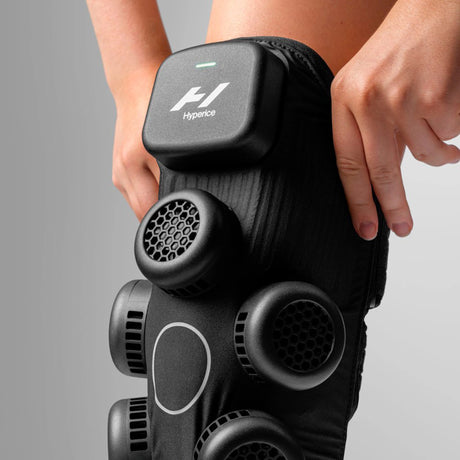
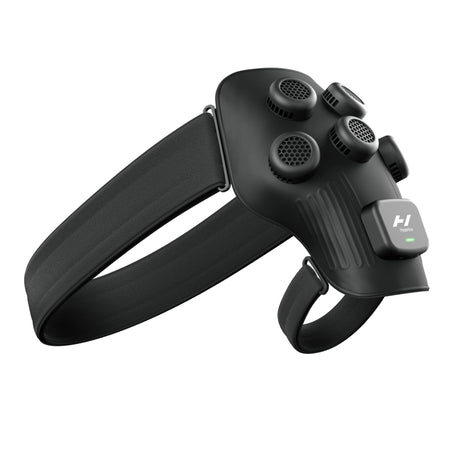
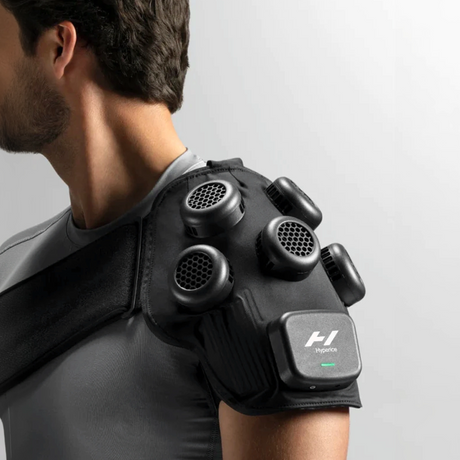
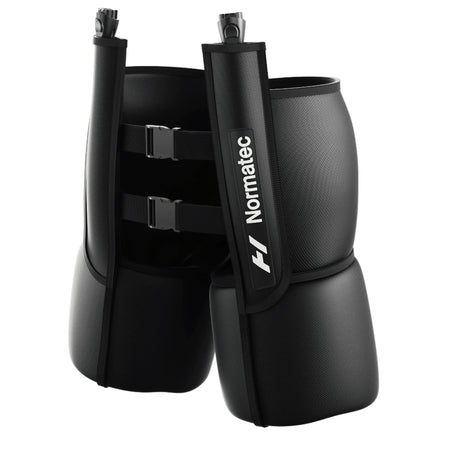
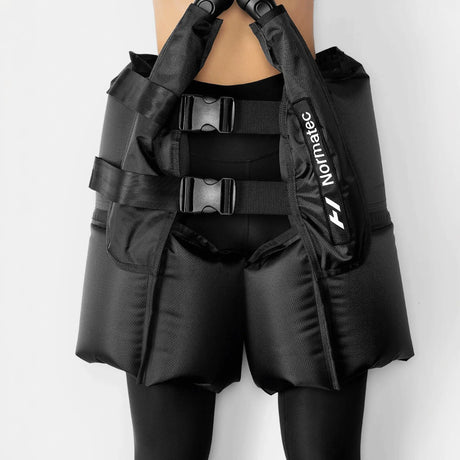
The Normatec Elite Hips, launched in October 2025, adds fully portable dynamic air compression targeting the hips, IT bands, and lower back — body areas that are consistently undertreated in recovery programming. Priced at $599 USD and FSA/HSA eligible, it's relevant for facilities serving athletes with hip mobility limitations or chronic lower-back tightness from prolonged sitting, making it an ideal addition to corporate wellness programs.
Evidence-Backed Session Protocol
For staff implementing Normatec sessions, the research-supported starting point is clear: 15 to 30 minutes post-exercise at 60 to 90 mmHg pressure. That's the protocol range used across the strongest studies, per Superpower Health's synthesis. Recreational users can extend sessions to 60 minutes comfortably. Build your facility's protocol around those parameters and adjust based on user feedback and session turnover requirements.
Facilities integrating recovery amenities like Normatec into the member journey — rather than simply making them available as an optional add-on — report member engagement increases of 15 to 20%, according to Blue Sky Fitness Supply distributor data. The integration model matters: scheduled sessions, recovery programming, and trained staff guidance are what convert a piece of equipment into a retention driver.
Product Comparison
| Feature | Normatec Elite | Normatec Premier | Normatec Elite Hips |
|---|---|---|---|
| Launch date | June 2024 | October 2024 | October 2025 |
| Target body area | Foot, calf, thigh | Foot, calf, thigh | Hips, IT bands, lower back |
| Wireless / hose-free design | Partial wireless capability | Fully wireless, no hoses or separate control units | Fully portable |
| Notable recognition or accolades | TIME Magazine 2024 Best Inventions | Most advanced Hyperice compression device at launch | First Hyperice hip-targeted compression device |
| Weight / portability | 3.2 lbs per boot | Compact, hub-free | Fully portable |
| FSA/HSA eligible | Check with administrator | Check with administrator | Yes — confirmed at $599 USD |
| Best fit for facility type | Gyms, PT clinics, collegiate programs | High-throughput recovery lounges, premium commercial facilities | Corporate wellness, athletes with hip/lower-back recovery needs |
| Approximate price point | Mid-tier | Premium | $599 USD |

Contraindications, Safety Protocols, and Sanitation Standards for Normatec Boots in Professional Settings
This section exists because professional settings carry professional liability. Whether you're a PT clinic, a commercial gym, or a corporate wellness program, deploying Normatec boots without a screening and sanitation protocol is an exposure you don't need.
The most serious contraindication is active deep vein thrombosis. This is not a minor caution — sequential compression applied over an unstable clot can dislodge it and cause a life-threatening pulmonary embolism. This contraindication is listed explicitly by Johns Hopkins Medicine and the Cleveland Clinic, as documented in the clinical review at Compression-Boot.com. Every clinical setting must screen for DVT history before a patient ever puts on a boot. There is no workaround here.
Additional contraindications to build into your screening process, per Acibadem International Health Library and the Compression-Boot.com clinical review, include:
- Severe peripheral arterial disease (PAD) — compression can impair arterial flow that is already compromised
- Decompensated congestive heart failure — increased venous return can stress an already-failing cardiac system
- Active leg infections (cellulitis or lymphangitis) — compression over an active infection can spread pathogens
- Open wounds or skin breakdown on the legs — direct compression over compromised skin is both a contamination risk and a wound-worsening mechanism
Practical Screening for Clinical Settings
A brief intake form is the minimum standard before placing boots on any patient or gym member. At minimum, that form should ask about DVT history, PAD diagnosis, CHF status, and any current leg infections or open wounds. For PT and chiropractic clinics, this should be integrated into standard intake documentation — the same way you screen before manual therapy or electrical stimulation. It takes two minutes and eliminates the serious risk scenarios.
Commercial Facility Sanitation Protocols
Multi-user environments introduce a sanitation obligation that single-user consumer purchases don't. In a gym or recovery lounge running 15 to 20 sessions per day across shared equipment, cleaning protocol isn't optional — it's a liability standard. Follow Hyperice's manufacturer-recommended cleaning protocols using appropriate wipes or disinfectant solutions. For high-volume settings, consider providing single-use session liners or barriers that fit inside the boots, reducing skin contact with boot surfaces between users. Establish a scheduled deep-clean rotation on a daily or weekly cycle depending on session volume. PT clinics should document sanitation as part of their infection-control protocols — both for patient safety and for audit-readiness.
Commercial Liability Management
For corporate wellness buyers specifically, a Normatec program should include clear usage waivers, visual equipment inspection protocols before each session, and either trained staff supervision or a posted contraindication checklist in plain view near the equipment. In commercial settings, a self-screening contraindication checklist posted near Normatec equipment — similar to the placement and format of AED signage — is an emerging industry best practice that reduces liability exposure while educating members on appropriate use. It doesn't require a clinician present; it requires the right information presented clearly.
The bottom line on safety: for the vast majority of users — healthy recreational athletes, competitive athletes, and deconditioned adults without the above conditions — Normatec boots are well-tolerated and present minimal risk. The screening requirement isn't about treating every user as high-risk. It's about identifying the small subset for whom compression therapy is genuinely contraindicated before a preventable adverse event occurs.

How to Evaluate Normatec Boots as a Commercial or Clinical Investment
Different facility types have different decision frameworks. Here's how the ROI case breaks down across each buyer category.
Gym and Recreation Centers
Recovery technology has evolved from trend to staple. According to All Things Fitness and Wellness, recovery modalities in gyms and fitness studios now represent both a genuine member benefit and a direct revenue stream — often offered as a premium time-slot service, a membership tier differentiator, or a billable add-on. Normatec boots fit naturally into any of those models. If you're evaluating whether the investment pays out over time at a commercial scale, the Normatec boots for commercial gyms ROI breakdown lays out the numbers in detail for gym and recreation center operators.
The member experience argument runs deeper than amenity appeal. From an injury prevention standpoint, promoting circulation and reducing muscle tightness through regular Normatec use may lower the risk of overuse injuries — which translates directly into member retention and reduced churn caused by training-related setbacks. That's the underappreciated ROI case: members who stay injury-free train consistently, and consistent members renew. The compression recovery benefit isn't just about feeling good after a workout; it's about keeping members in the building month after month.
PT and Chiropractic Clinics
Patient throughput and treatment room footprint are the operational variables that matter here. Each Normatec Elite boot weighs 3.2 lbs and requires no fixed installation — it moves between treatment rooms without infrastructure changes. The clinical legitimacy of pneumatic compression therapy, rooted in decades of post-surgical and lymphedema treatment history, supports both documentation and billing frameworks. Clinics can position Normatec sessions as adjunct recovery treatment with a defensible evidence base, particularly for post-surgical rehab, venous insufficiency patients, and athletic populations managing high training loads.
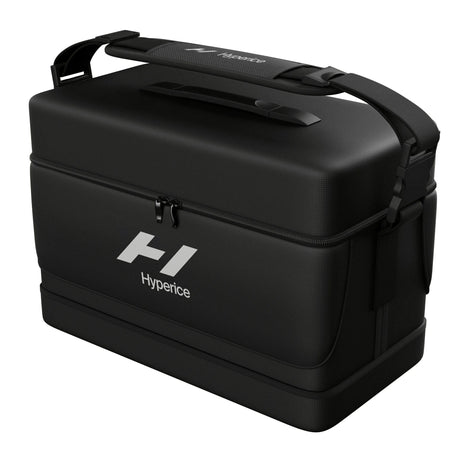
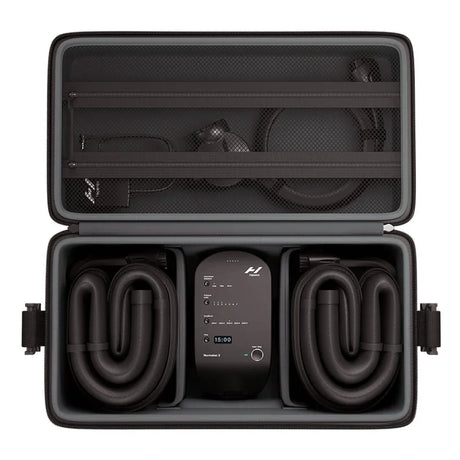
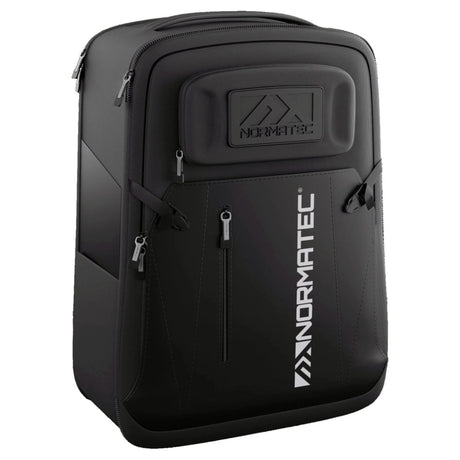
The Normatec Premier's fully wireless design reduces failure points compared to hosed predecessors — a practical durability consideration for clinical settings where equipment reliability affects patient scheduling and staff workflow. Clinics that transport devices between treatment rooms or satellite locations will also find the dedicated Normatec Carry Case by Hyperice a worthwhile addition to protect equipment and streamline inter-room deployment.
Corporate Wellness Programs
The FSA/HSA eligibility of the Normatec Elite Hips at $599 USD signals regulatory acceptance of compression therapy as a qualifying medical expense — a credibility and accessibility driver that HR and benefits teams can communicate directly to employees. Low maintenance, no fixed installation, and zero specialized infrastructure requirements make these devices easy to deploy in office wellness rooms without involving facilities management teams. Normatec is also a recruiting and retention talking point for organizations building out competitive benefits packages: visible, premium, health-forward amenities communicate that the organization takes employee wellbeing seriously.
Multi-Unit Considerations and Volume Deployment
A single pair of boots works for a pilot program or a small treatment room. A functioning recovery lounge — one that can handle member volume during peak hours — typically requires two to four pairs minimum. For collegiate athletic programs, gym chains, or multi-location corporate deployments, volume pricing becomes a meaningful cost variable. Blue Sky Fitness Supply works with facilities on multi-unit Normatec configurations, so B2B buyers evaluating a recovery lounge buildout should explore that conversation before committing to single-unit retail pricing.
For facilities building out a broader recovery space, cold therapy is the most common pairing with compression: compression boots flush metabolic waste and reduce inflammation, while cold exposure drives vasoconstriction and systemic recovery response. The combination appears frequently in elite athletic recovery programming. The market context reinforces urgency here. According to the Fact.MR Recovery Tools Market Report 2025, compression therapy devices are projected to grow at a CAGR of 11.7% — the fastest-growing segment in the recovery tool category. Member and patient expectations for this modality will rise regardless of whether individual facilities adopt it. The question is whether you're positioned ahead of that expectation or reacting to it. For buyers tracking where the broader fitness technology landscape is heading, the AI + Fitness Week 20 update covers several convergent trends in recovery tech and facility investment that are reshaping buyer priorities in 2026.

Frequently Asked Questions About Normatec Boots
1. What are Normatec boots used for in professional and clinical settings?
Normatec boots are used for post-exercise muscle recovery, delayed-onset muscle soreness (DOMS) reduction, and circulation improvement in athletic populations, as well as clinical management of post-surgical edema, venous insufficiency, and lymphedema. Their underlying pneumatic compression device (PCD) technology has a decades-long history of medical application that predates the fitness wellness market. In commercial gym and corporate wellness settings, they function as a premium recovery amenity that supports member retention and engagement.
2. How long should a Normatec boot session last for best results?
The research-supported starting protocol is 15 to 30 minutes post-exercise at 60 to 90 mmHg pressure. This range is used across the strongest IPC studies and represents the best balance of therapeutic benefit and session efficiency for most users. Recreational users can comfortably extend sessions to 60 minutes. For commercial recovery lounges managing high session volume, the 20 to 30 minute window best balances member benefit with turnover throughput.
3. Who should not use Normatec boots?
Anyone with active deep vein thrombosis (DVT) should not use Normatec boots, as sequential compression over an unstable clot can cause a life-threatening pulmonary embolism. Additional contraindications include severe peripheral arterial disease (PAD), decompensated congestive heart failure, active leg infections such as cellulitis or lymphangitis, and open wounds or skin breakdown on the legs. Professional facilities should implement a brief intake screening form before any session — both in clinical and commercial settings.
4. What is the difference between the Normatec Elite and the Normatec Premier?
The Normatec Elite (launched June 2024) offers high-performance intermittent pneumatic compression at 3.2 lbs per boot with partial wireless capability, and was named to TIME Magazine's 2024 Best Inventions list. The Normatec Premier (launched October 2024) is fully wireless with no hoses or separate control units, eliminating the most common mechanical failure point in high-throughput settings. For recovery lounges running 10 to 20 sessions per day, the Premier's hub-free design provides a meaningful operational and maintenance advantage over the Elite.
5. Are Normatec boots FSA or HSA eligible?
The Normatec Elite Hips, launched October 2025 at $599 USD, is confirmed FSA/HSA eligible, signaling IRS recognition of compression therapy as a qualifying medical expense. Eligibility for other Normatec models should be verified with your individual FSA or HSA plan administrator, as eligibility can vary by model and plan year. For corporate wellness programs, communicating FSA/HSA eligibility to employees is a practical way to lower the effective cost of participation and increase program uptake.
6. Do Normatec boots actually work, and what does the research show?
Yes, with important nuance: the most consistent finding across IPC research is improved perceived recovery, meaning athletes feel ready to train sooner, rather than dramatic objective biomarker changes. A 2024 meta-analysis of 17 studies involving 319 athletes found modest but real improvements in performance recovery and DOMS reduction. Creatine kinase reductions are documented but smaller and less consistent than subjective recovery scores. For commercial settings, perceived recovery is the more operationally relevant outcome because it directly drives member return frequency and retention.
7. How do Normatec boots differ mechanically from static compression sleeves?
Normatec's patented PULSE Massage Pattern — particularly the gradient hold mechanism — makes it mechanically distinct from static compression garments. Gradient hold maintains pressure in previously compressed zones to prevent fluid backflow between cycles, something no static sleeve can replicate because static garments apply uniform, constant pressure without zone-by-zone control. This one-directional pressure maintenance is what makes Normatec mechanically superior for lymphatic drainage applications, not simply a more expensive version of a compression sleeve.
8. How many Normatec boot pairs does a commercial recovery lounge need?
A functional recovery lounge capable of handling peak-hour member volume typically requires a minimum of two to four pairs of boots. A single pair is appropriate for a pilot program or small treatment room, but facilities running multiple sessions simultaneously during busy periods will find throughput constrained by single-unit deployment. For gym chains, collegiate programs, or multi-location corporate deployments, volume configurations should be evaluated before committing to single-unit retail pricing — multi-unit needs differ meaningfully from individual consumer purchases.
The Bottom Line on Normatec Boots for Professional and Commercial Settings
The research picture on Normatec boots is nuanced — and that's actually a good thing for informed buyers. Modest objective biomarker improvements, strong and consistent perceived recovery outcomes, and a decades-long medical heritage make this a defensible category purchase rather than a marketing-driven impulse buy.
For clinics, the clinical grounding is real. Pneumatic compression devices have a track record in post-surgical recovery, venous insufficiency, and lymphedema management that predates the athletic wellness market entirely. Proper screening protocols and sanitation standards are non-negotiable, but the therapeutic foundation is solid.
For gym and facility operators, the key takeaway is the integration model. Facilities that embed Normatec into the member journey — scheduled sessions, recovery programming, trained guidance — report member engagement increases of 15 to 20%, per Blue Sky Fitness Supply distributor data. Simply having boots available doesn't move the needle; building recovery into your programming does.
For corporate wellness buyers, the combination of FSA/HSA eligibility, zero fixed-installation requirements, low maintenance overhead, and genuine employee wellbeing ROI makes Normatec one of the more straightforward amenity additions in the recovery category.
The market trajectory reinforces the timing. According to the Fact.MR Recovery Tools Market Report 2025, the compression therapy device segment is projected to grow at 11.7% CAGR — the fastest in the recovery tool space. Member and patient expectations for this modality are going one direction only.
Blue Sky Fitness Supply works with clinics, gyms, and corporate wellness programs on Normatec boot deployments — including multi-unit recovery lounge configurations. If you're evaluating Normatec for a professional setting, browse our recovery equipment collection or reach out to our team for a facility consultation. We'll help you build a protocol and configuration that fits your space, your throughput requirements, and your budget — without the guesswork.