

Table of Contents:
- What is Red Light Therapy at Home?
- Benefits of Using Red Light Therapy at Home
- DIY Red Light Therapy Tips
- Affordable Red Light Therapy Solutions
- Creating Your Home Infrared Light Setup
- Maintenance and Upkeep for Home Red Light Therapy Devices
- FAQs About Red Light Therapy at Home
- Take Your Wellness Routine to the Next Level
Imagine if glowing skin, faster recovery, and pain relief could all happen in the comfort of your own home—without spending thousands on spa visits or professional treatments. Sounds almost too good to be true, right? But here's the kicker: it's not only possible, it's becoming one of the most sought-after health and wellness trends today. Enter red light therapy at home—your new secret weapon for natural, non-invasive results that don't demand a hefty price tag.
Here's the twist that might surprise you: Despite its luxurious reputation as a high-end skincare or rehab clinic treatment, setting up your own red light therapy routine is shockingly affordable, incredibly simple, and backed by an ever-growing mountain of research. From reducing fine lines to easing chronic pain, this revolutionary therapy uses targeted wavelengths of red and near-infrared light to supercharge your cells. Translation? Better skin, better recovery, and a body that feels as good as it looks—all while you binge your favorite Netflix series.
Why is the DIY approach gaining such massive traction? Because when you bring red light therapy to your bathroom, bedroom, or home gym, you're not just saving money—you're taking control of your health journey. Let's explore how this cutting-edge treatment can transform your wellness goals into reality with convenience, flexibility, and zero clinic visits required.
What is Red Light Therapy at Home?
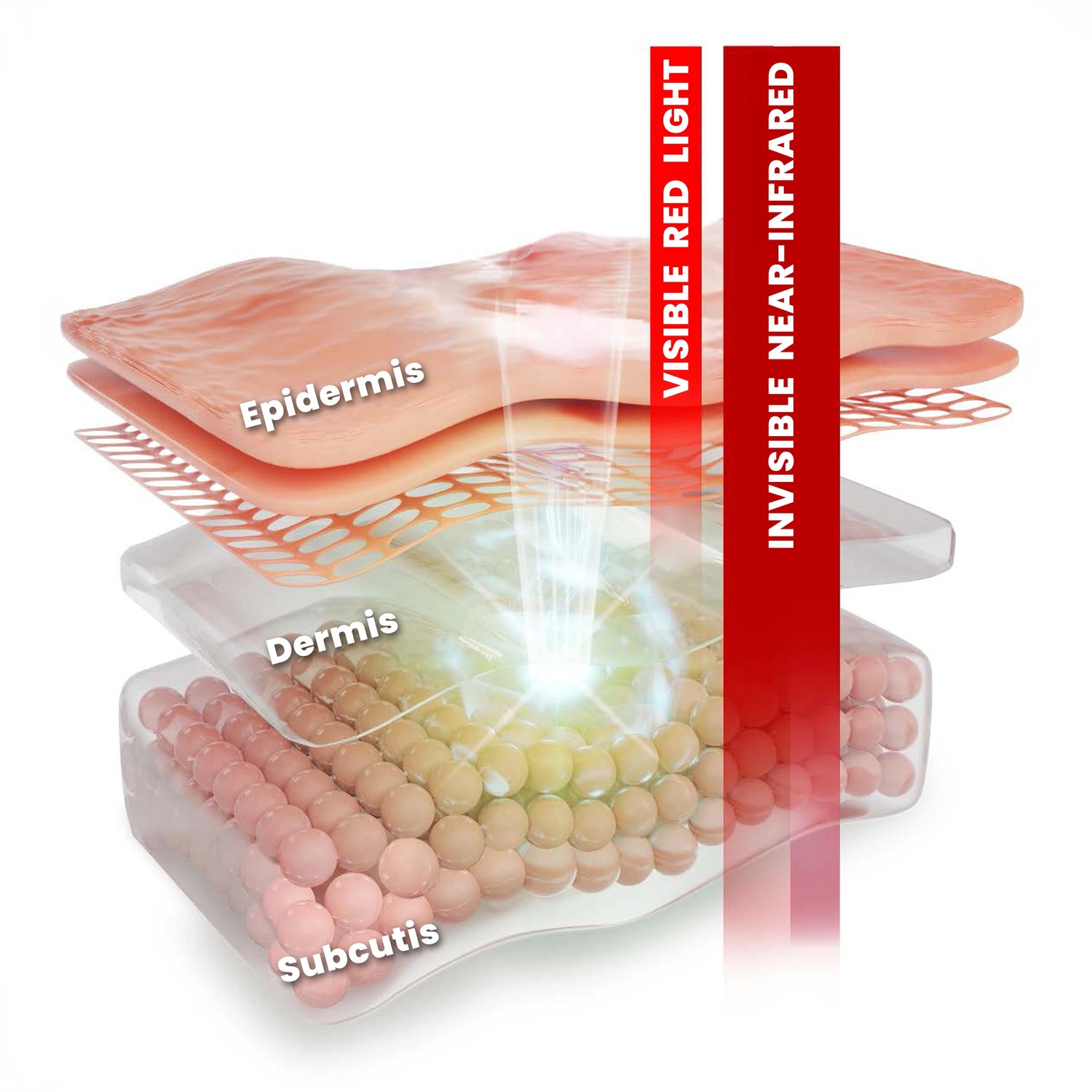
At its core, red light therapy at home involves the use of LED devices that emit targeted wavelengths of red and near-infrared light. These devices, which range from handheld wands and face masks to full-body panels, harness light in the 630-660nm (red light) and 810-850nm (near-infrared light) spectrum. When these wavelengths penetrate the skin, they stimulate cellular function by enhancing mitochondrial activity, which is responsible for producing the energy your cells need to repair themselves. The result? Healthier skin, better recovery, and a noticeable glow, all without needing professional treatments. If you're curious about how infrared wavelengths specifically support the body, our deep-dive into the benefits of infrared light therapy covers the science in detail.
Perhaps the best part is the convenience. With these devices now widely available, you have the freedom to create a personalized red light therapy experience in your bathroom or home gym. Whether you're targeting wrinkles, sore muscles, or chronic pain, this setup allows you to incorporate these treatments into your daily routine. You can browse our full red light therapy collection to find the right device format for your specific goals.
Benefits of Using Red Light Therapy at Home
1. Skin Rejuvenation
Red light therapy is a game-changer for skin health. Studies show that it promotes collagen production, reducing the appearance of wrinkles and fine lines while improving overall skin tone and elasticity. A 2014 randomized controlled study published in Photomedicine and Laser Surgery found that participants using red light therapy twice weekly experienced significant improvements in skin complexion, collagen density, and overall skin tone compared to controls—without adverse side effects. It's no wonder it's become a favorite for beauty enthusiasts looking for a non-invasive way to achieve glowing skin.
2. Pain Relief and Inflammation Management
For those suffering from joint pain, arthritis, or inflammation, red light therapy offers relief by reducing oxidative stress and enhancing circulation. Clinical evidence supports its ability to alleviate chronic discomfort—even for conditions like tendonitis or back pain—making it a go-to option for at-home pain management. Research published in the European Journal of Physical and Rehabilitation Medicine found that near-infrared therapy reduced pain scores in chronic low back pain patients by up to 50% over a four-week period, reinforcing its value as a non-pharmacological option. It's also worth noting that red light therapy has shown promising results for mood and mental health—our post on red light therapy for depression explores that emerging research in depth.
3. Enhanced Muscle Recovery
Athletes and fitness enthusiasts love red light therapy at home for its muscle recovery benefits. It accelerates tissue repair and reduces soreness, so you can bounce back more quickly between workouts. By boosting cellular energy production, it helps repair microtears in muscle fibers and minimizes exercise-induced fatigue. A 2016 meta-analysis in the Journal of Athletic Training reviewed 13 randomized controlled trials and concluded that photobiomodulation therapy applied before or after exercise consistently reduced delayed onset muscle soreness (DOMS) and improved subsequent performance—a compelling case for adding it to your post-workout routine.
4. Savings and Convenience
While professional red light therapy sessions can cost hundreds of dollars, home-based options are a fraction of the price. Best of all, you can use your device whenever it's convenient for you—no appointments, no commute, just flexibility on your terms.
DIY Red Light Therapy Tips
To maximize the results from your red light therapy at home, follow these expert-backed DIY red light therapy tips:
- Clean Your Skin: Clear skin allows for better light penetration. Wash and dry your face—or any treatment area—before starting a session.
- Mind the Distance: Sit or lie down 6-12 inches away from your device to optimize the light's impact.
- Set Proper Timing: Begin with 10-20 minute sessions, 3-5 times a week, for best outcomes. Consistency is key!
- Protect Your Vision: Use goggles or eye shields to avoid extended exposure to red light, which may irritate sensitive eyes.
- Hydration Matters: Staying hydrated allows your cells to perform better and may enhance the therapy's effectiveness.
Pro tip? Trust the maintenance and upkeep for home red light therapy devices. A clean and well-maintained device ensures consistent performance. And if you have any lingering questions about whether red light therapy is appropriate for your situation, our guide on whether red light therapy is safe walks through the evidence clearly.
Affordable Red Light Therapy Solutions
Not all red light therapy devices require a high budget. Here's a quick guide to choosing affordable red light therapy solutions that don't skimp on quality:
- LED Masks: Ideal for targeting facial concerns like wrinkles or discoloration.
- Handheld Devices: Perfect for localized treatments like sore areas or specific pain points.
- Compact Panels: A versatile solution for delivering therapy to multiple areas of the body.
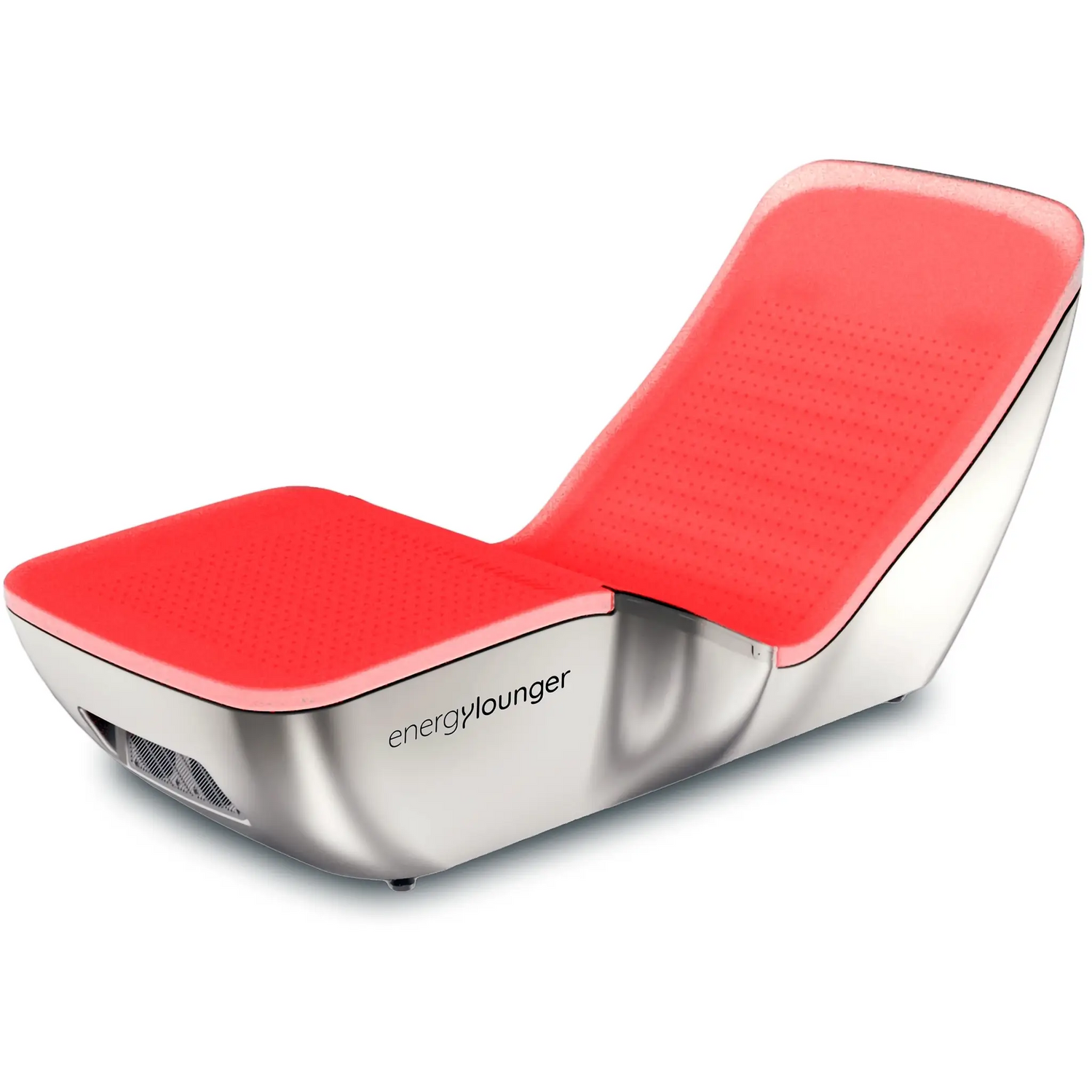
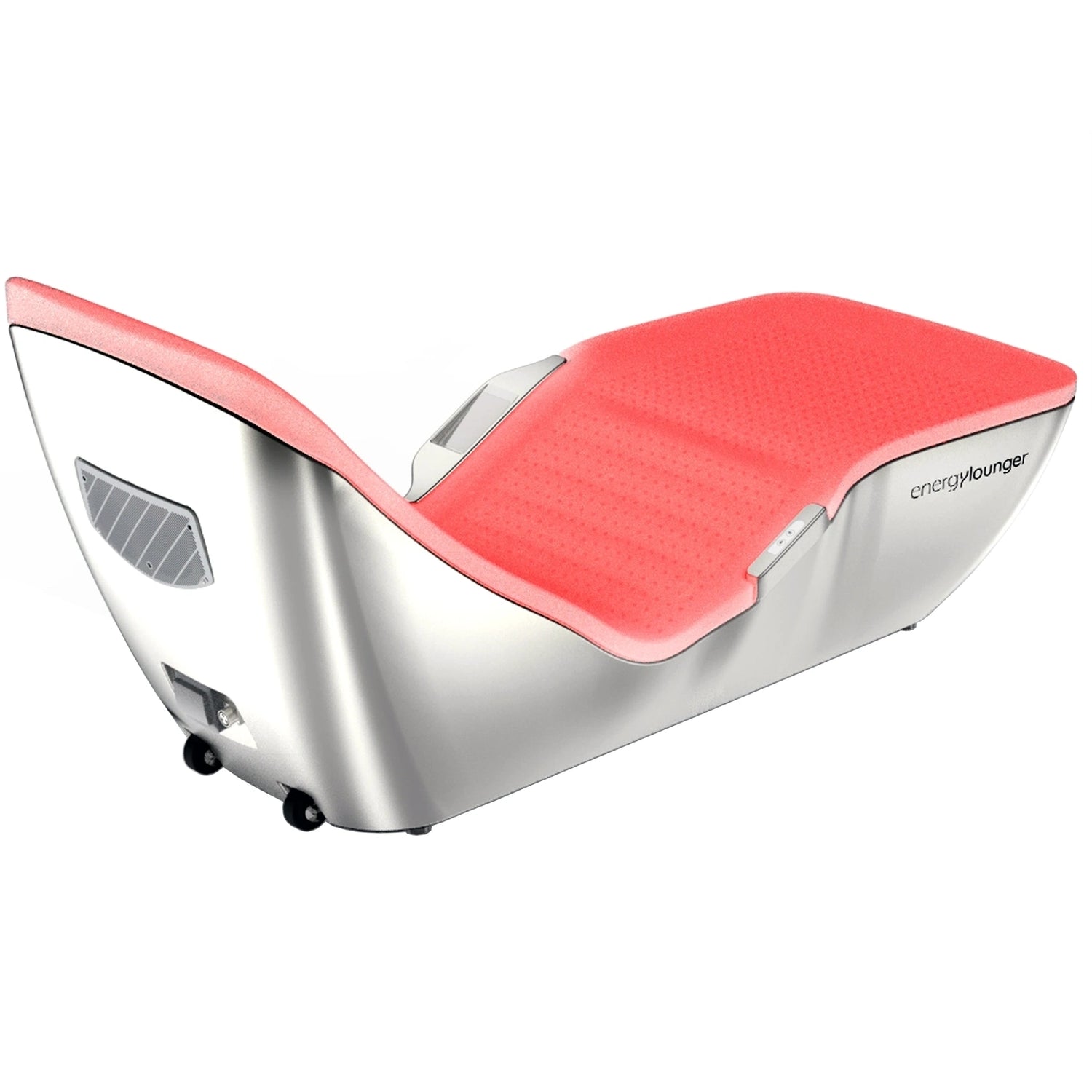
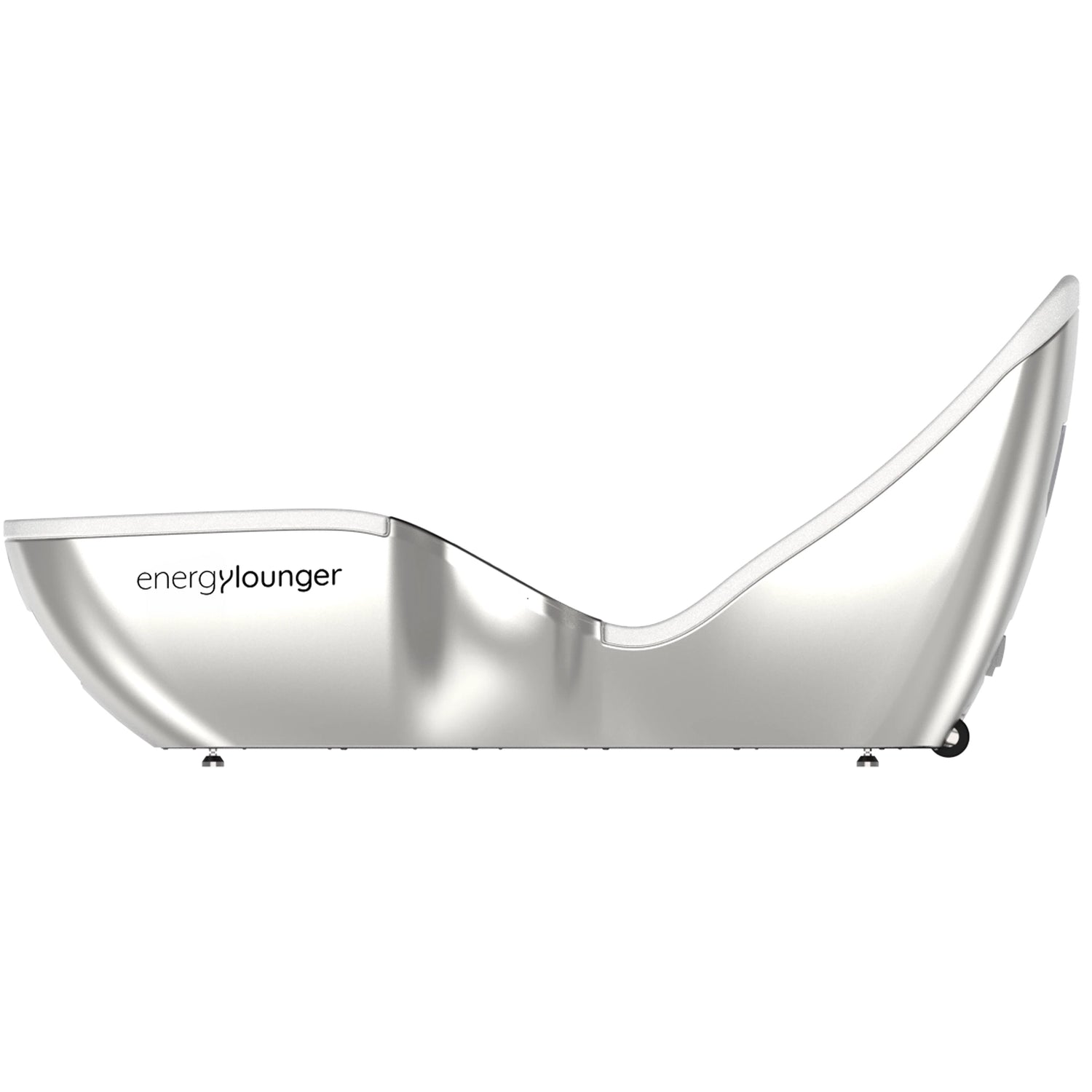
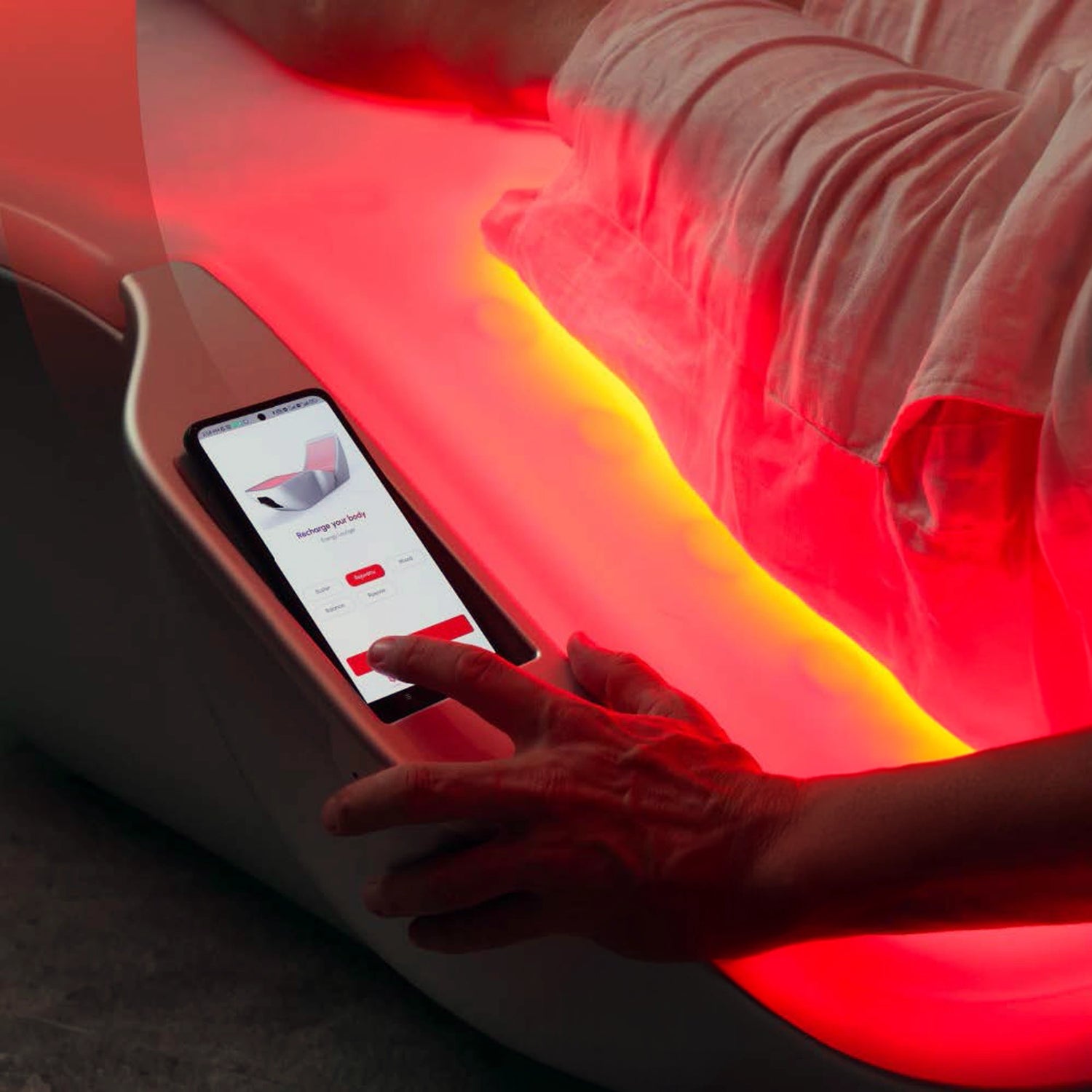
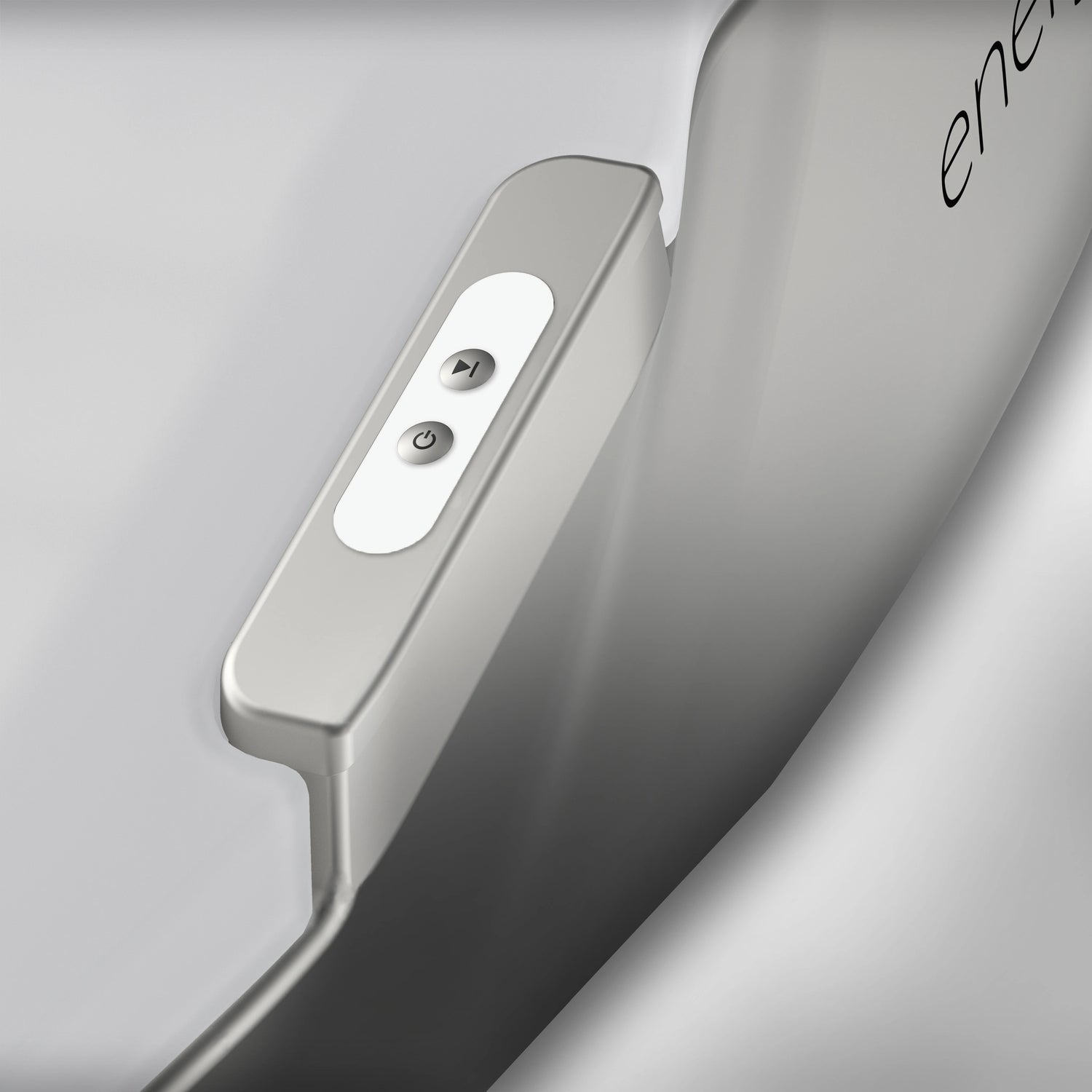
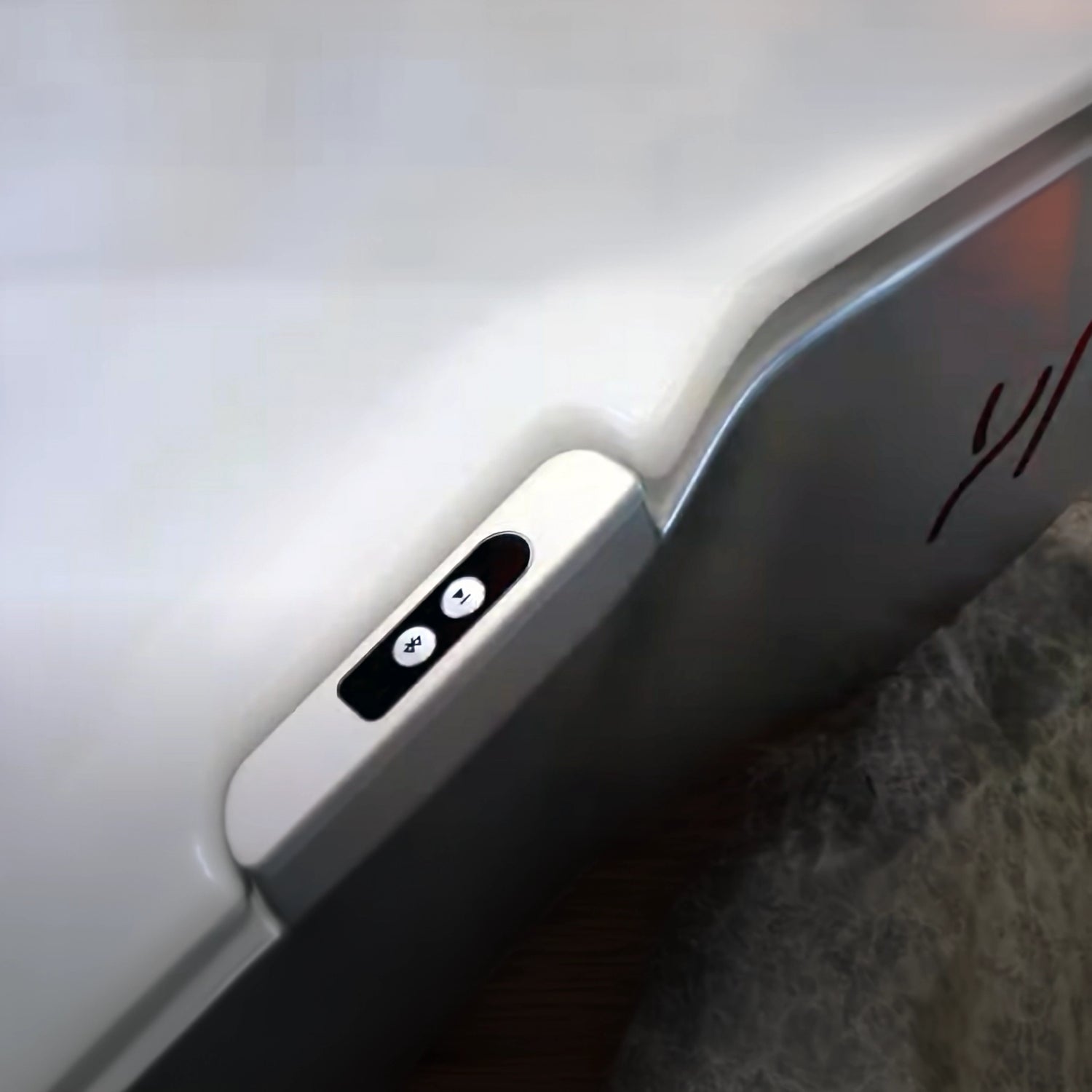
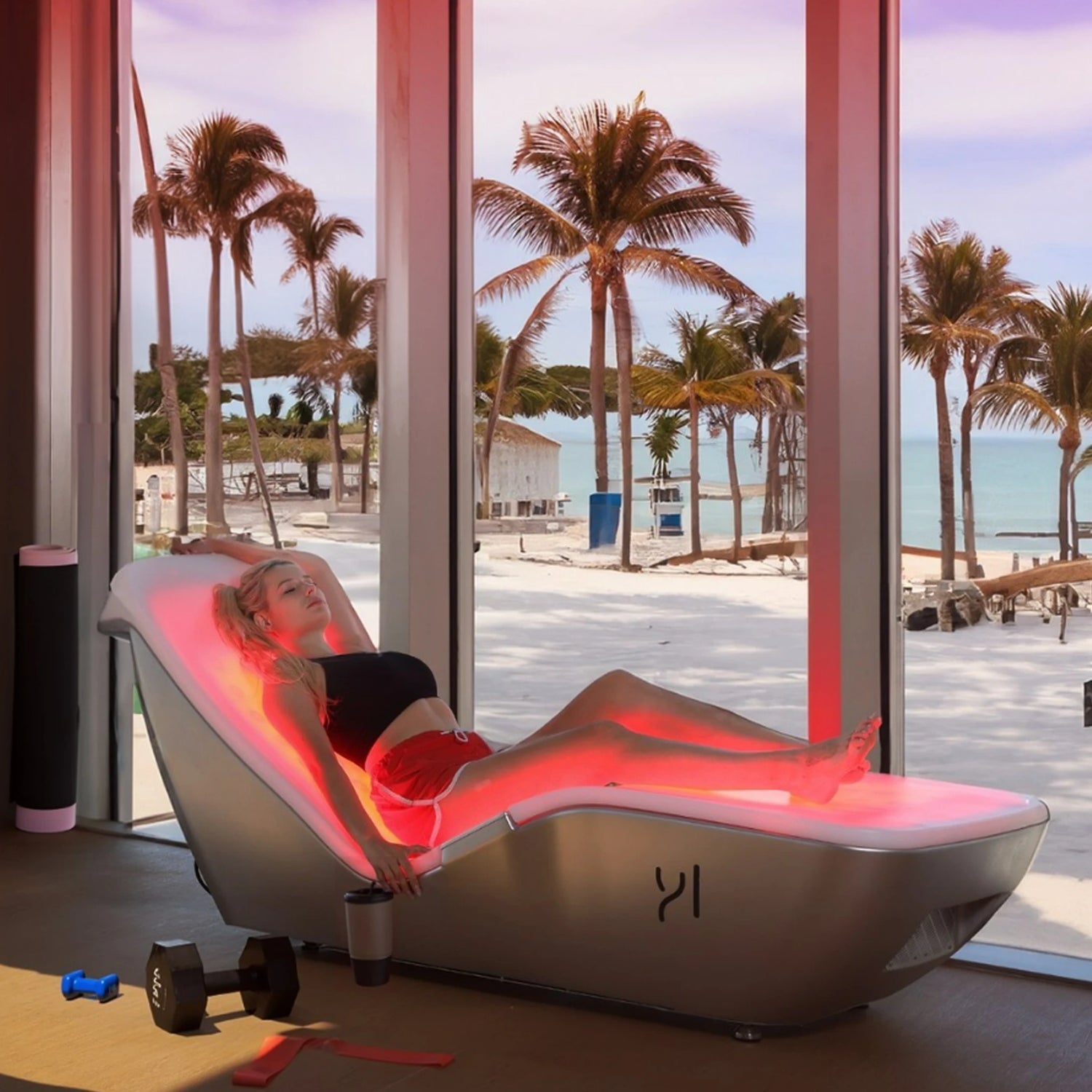
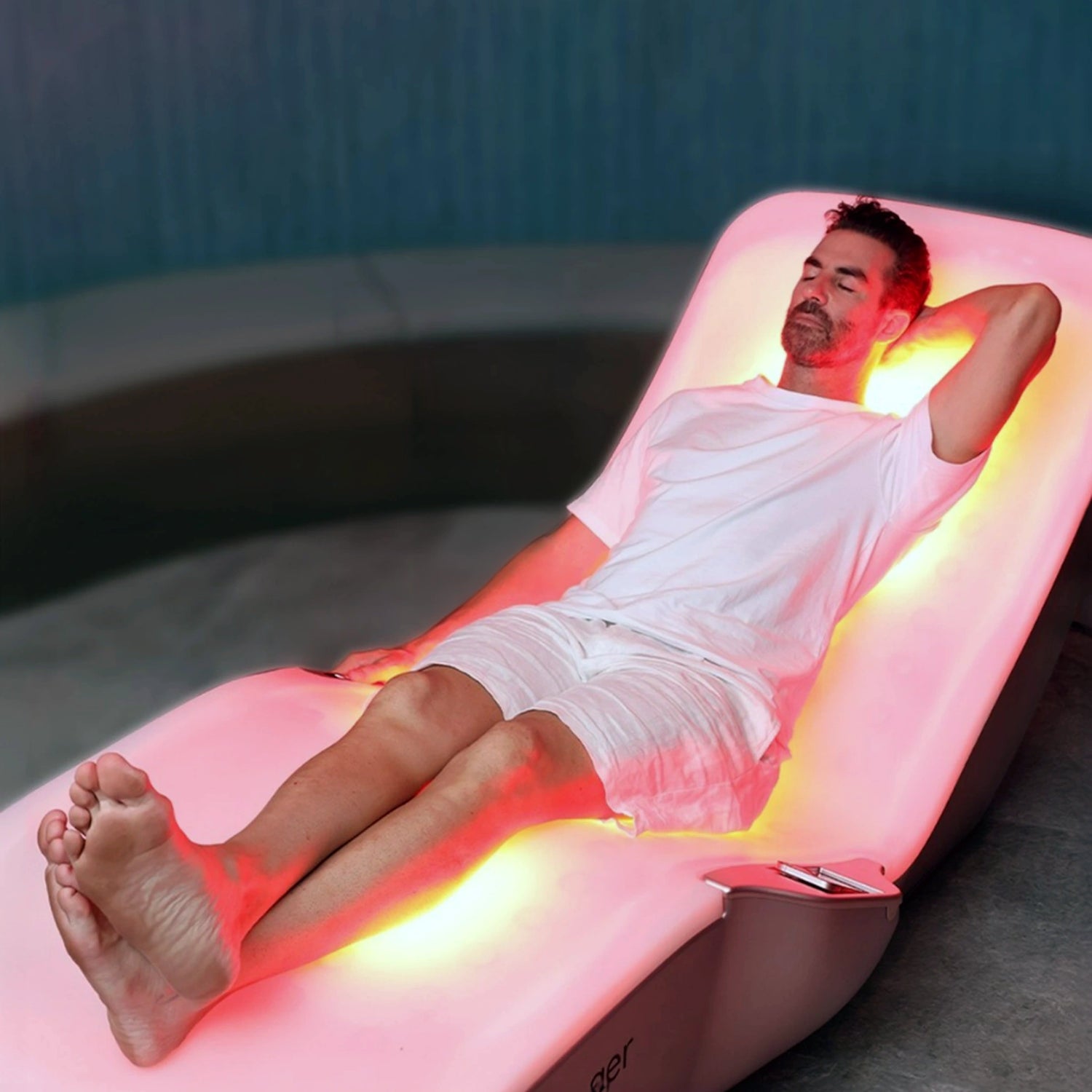
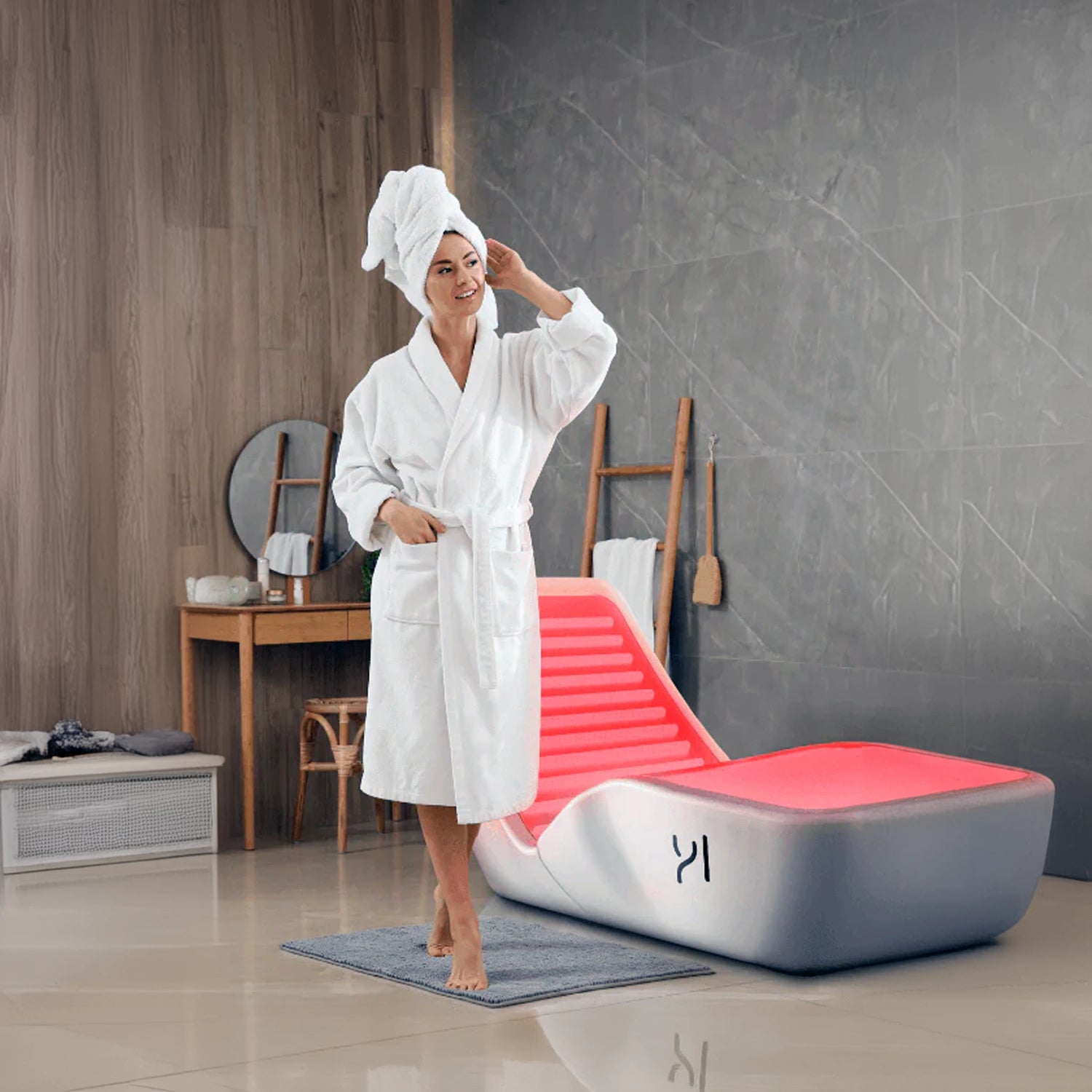
Look for devices that are FDA-cleared or come with endorsements from reputable dermatologists. It's worth being honest about trade-offs here: entry-level panels are cost-effective but often cover a smaller surface area, which means longer sessions or repositioning to treat the full body. If you're looking for the most comprehensive home setup and budget allows, a full-body option like the Red Light Full Body Therapy Bed by Energy Lounger delivers simultaneous whole-body exposure that handheld or compact panel devices simply can't match in a single session. For those exploring what's new in the home wellness space, our home new products collection is regularly updated with the latest arrivals.
Creating Your Home Infrared Light Setup
Setting up a home infrared light setup is easier than you think. Here's what you'll need:
- Ample Space: Select a quiet area like a bathroom, bedroom, or dedicated wellness corner.
- A Reliable Power Source: Ensure your device is close to an outlet for uninterrupted sessions.
- Matching the Right Device to Your Objectives: Full-body panels work well for muscle recovery, while masks or wands serve beauty-focused goals.
Attention to detail—like organizing your space with a comfortable chair—makes all the difference. One practical consideration worth noting: most home red light therapy panels and beds run on standard 110V household outlets, so you won't need special wiring or electrical upgrades for the majority of consumer devices. That keeps the setup process genuinely simple and accessible for most households.
Maintenance and Upkeep for Home Red Light Therapy Devices
To extend the life of your device:
- Regularly wipe it down with a soft cloth to clean dust or oils.
- Store it safely in a cool, dry place when not in use.
- Inspect parts for damage like frayed cords before operation.
Should issues arise, consult the manufacturer or reference the device manual. Keeping your device clean isn't just about longevity—residue from skincare products or dust buildup on the LED panel can reduce light output over time, which directly impacts the effectiveness of your sessions. A quick wipe-down after every few uses takes less than a minute and meaningfully preserves your results.
FAQs About Red Light Therapy at Home
1. What is red light therapy and how does it work?
Red light therapy uses low-level wavelengths of red and near-infrared light to stimulate cellular energy production, primarily by enhancing mitochondrial activity. This process helps repair damaged cells, improve skin appearance, and reduce pain and inflammation.
2. What are the benefits of doing red light therapy at home?
Here are the main benefits of red light therapy at home:
- Improves skin health by reducing wrinkles, fine lines, and discoloration.
- Promotes faster muscle recovery and pain relief.
- Offers convenience and cost savings compared to professional treatments.
- Supports inflammation reduction and enhanced circulation.
3. How do I choose the best red light therapy device for home use?
To choose the best red light therapy device for your needs, consider the following:
- Target area: Masks or handheld devices are great for the face, while panels are better for full-body treatments.
- Light wavelength: Look for devices offering 630-660nm for red light and 810-850nm for near-infrared light.
- Certifications: Ensure the device is FDA-cleared for safety and effectiveness.
4. How often should I use red light therapy at home?
The recommended frequency is 3-5 sessions per week, with each session lasting 10-20 minutes. Consistency is key to achieving the best results.
5. Are there any safety precautions I should follow during red light therapy?
Yes, follow these safety guidelines for optimal results:
- Wear protective eyewear to shield your eyes from prolonged light exposure.
- Maintain a recommended distance of 6-12 inches from the device.
- Avoid using the device over broken or irritated skin.
6. What is the difference between red light and near-infrared light therapy?
Red light (630-660nm) targets the skin's surface to promote collagen production and improve tone, while near-infrared light (810-850nm) penetrates deeper into tissues to address muscle recovery, pain relief, and inflammation.
7. Is red light therapy worth the investment?
Yes, red light therapy is a worthwhile investment for long-term improvements in skin health, pain management, and muscle recovery. Home devices offer convenience and cost savings compared to clinic visits, making them a practical choice for many users.
8. How do I maintain my red light therapy device?
Proper maintenance ensures your device lasts for years. Follow these tips:
- Clean the device after each use with a soft, dry cloth.
- Store it in a cool, dry place to prevent damage.
- Inspect cords and connections regularly for wear and tear.
Take Your Wellness Routine to the Next Level
Red light therapy at home is more than just a wellness trend—it's a practical, science-backed tool to support your health and vitality. From rejuvenating your skin to soothing chronic pain, boosting muscle recovery, and saving money on expensive treatments, the potential benefits are transformative. With the right setup and consistent use, you can create a personalized, effective therapy routine that fits seamlessly into your lifestyle.
Ready to bring the power of this innovative therapy home? Whether you're just starting out or looking to upgrade your setup, Blue Sky Fitness Supply has the at-home red light therapy solutions you need. From handheld devices to full-body panels, our red light therapy collection is designed to support your health, recovery, and performance goals—all in the comfort of your own space. Explore our range today and take the first step toward building a brighter, healthier tomorrow.
Your wellness journey starts here—why wait?