
Table of Contents:
For centuries, saunas and steam rooms have been trusted as sanctuaries for relaxation, rejuvenation, and wellness. Known for their ability to melt away stress and promote physical health, these heat therapies have secured a permanent spot in spas, gyms, hotels, apartments, and even private homes. But understanding the difference between a sauna and a steam room goes far beyond their surface-level appeal. If you've ever wondered, "which one is better for me?" or been torn between the soothing dry heat of a sauna versus the enveloping moisture of a steam room, you're not alone.
The battle of sauna v steam room comes down to more than just preference—it's about fit. Saunas offer high temperatures paired with dry heat, reaching up to 190°F with humidity levels hovering at a crisp 10-15%. On the other hand, steam rooms deliver lower heat, typically 110°F-120°F, but counter with nearly 100% humidity, creating a sweltering cocoon of moisture that's ideal for some but unbearable for others. Still, most people aren't aware that sauna v steam goes deeper than temperature, atmosphere, and the overall vibe—each uniquely impacts your body based on a much deeper level. They both have their strengths with things like detoxing, revitalizing sore muscles, revitalizing skin, de-stressing the mind, and clearing lung congestion.
And here's the kicker: Choosing the wrong one for your needs could mean missing out on the life-changing benefits the other could provide. So, how do you know which is your perfect match? Don't worry—we're putting the myths to rest and delivering the clarity you've been looking for. Let's dive into the key differences and benefits of saunas versus steam rooms so you can make an informed choice on your journey to better wellness.
What is a Sauna?
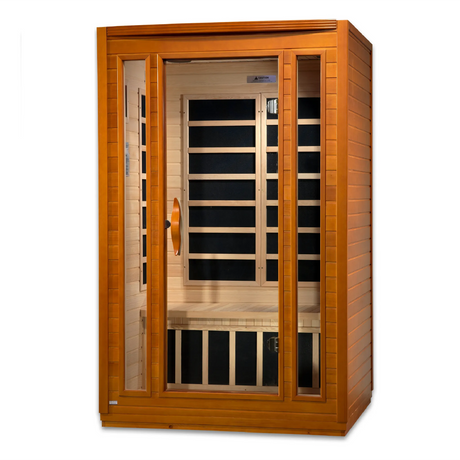
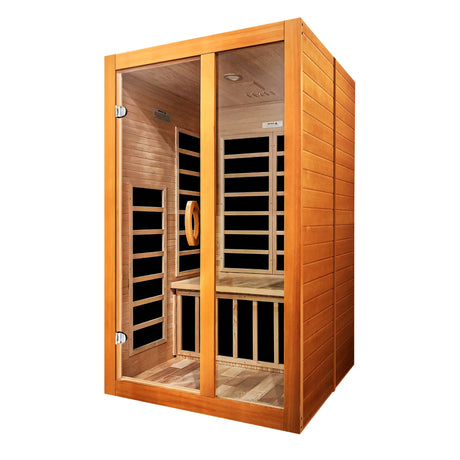
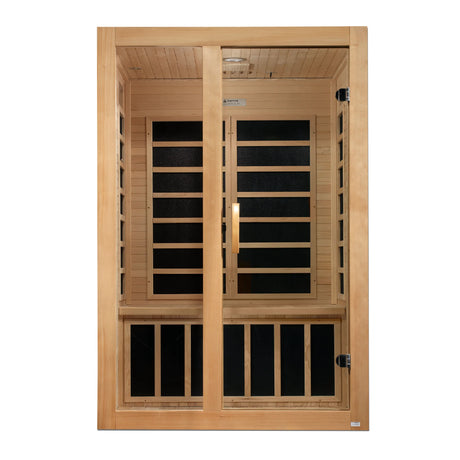
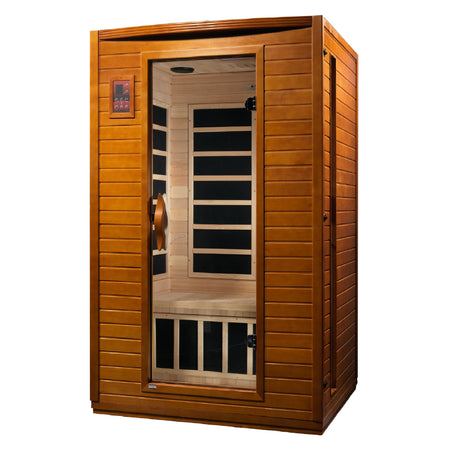
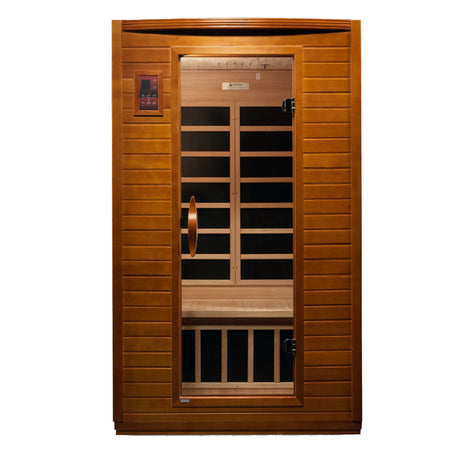
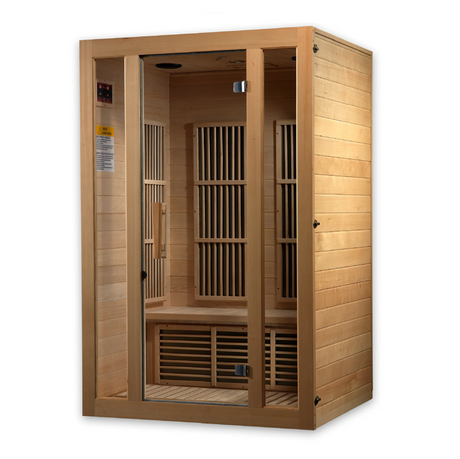
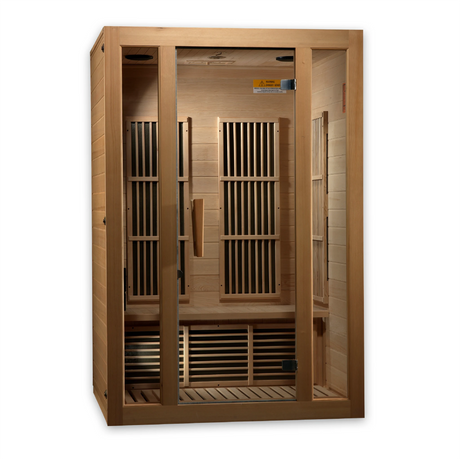
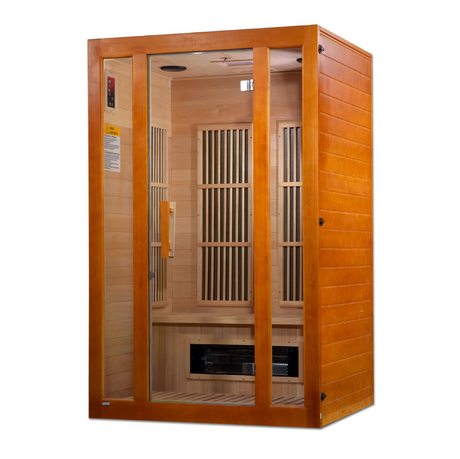
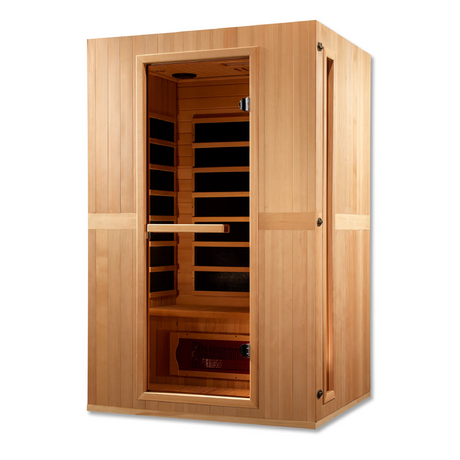
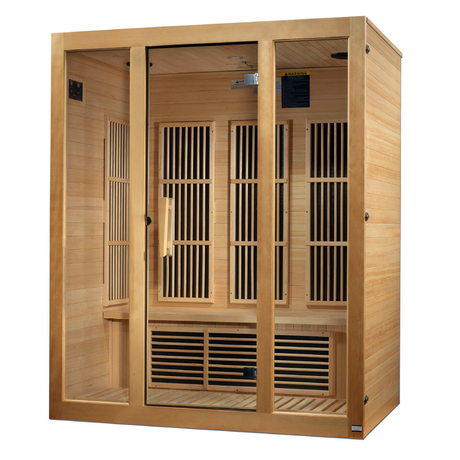
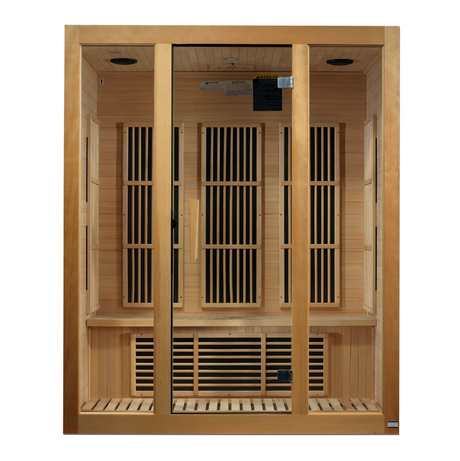
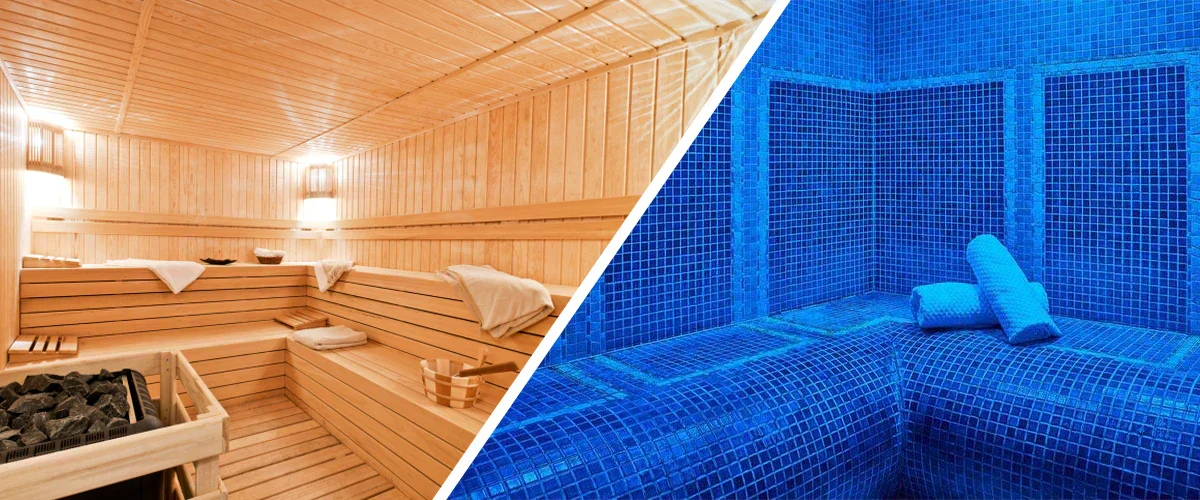
A sauna is a time-tested retreat meticulously designed for dry heat therapy. Originating from Finland, saunas are traditionally heated to temperatures between 115°F and 190°F, with a crisp humidity level around 10% to 15%—creating an environment that feels like a burst of desert warmth. The heat source varies depending on the setup. Some saunas rely on wood-burning stoves for a rustic charm, while others use electric heaters or heated rocks for modern convenience.
Step inside a sauna, and you'll be surrounded by wooden interiors purpose-built to enhance comfort and eliminate moisture buildup. Most quality saunas are constructed with Canadian hemlock wood, which is naturally hypoallergenic, resists warping at high temperatures, and doesn't off-gas harmful chemicals during heat exposure. In these serene settings, the dry heat works its magic by stimulating perspiration, which leads to detoxification and relaxation. Furthermore, saunas are known to improve circulation, foster quicker muscle recovery, and may even reduce cholesterol levels over time. Whether found in your local gym, day spa, or increasingly in private homes, saunas remain a wellness staple worldwide.
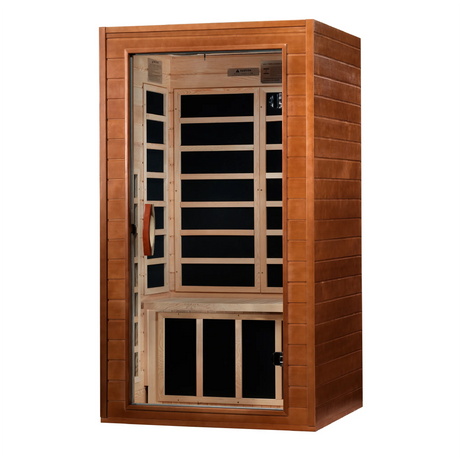
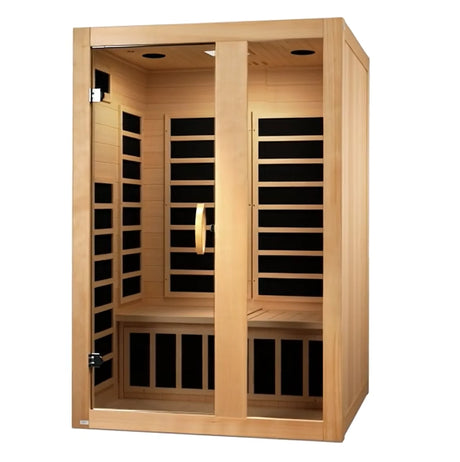
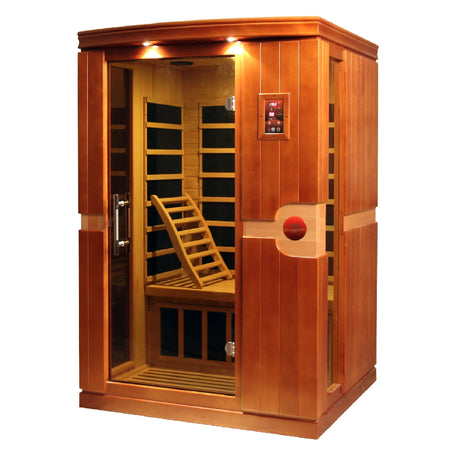
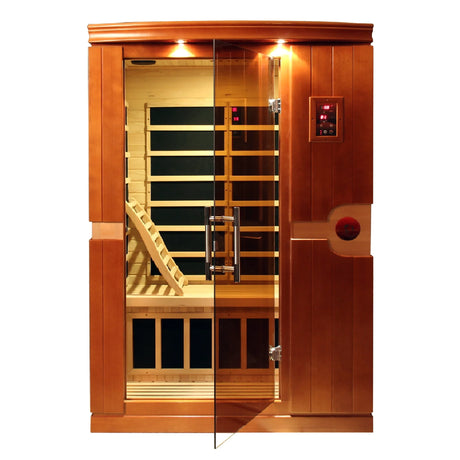
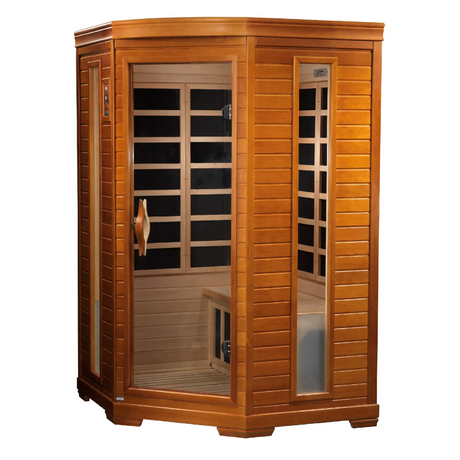
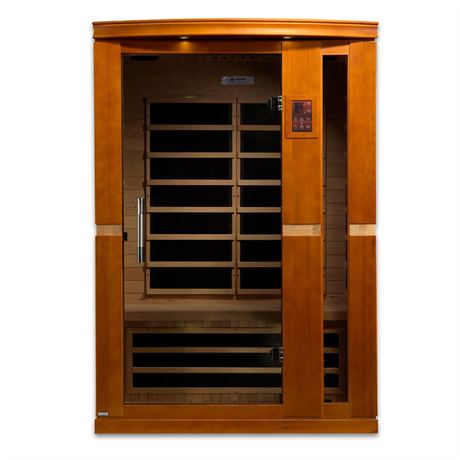
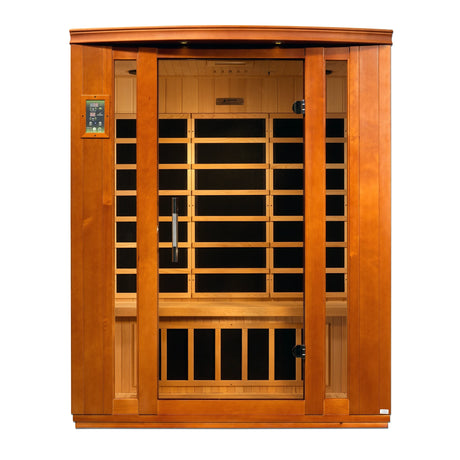
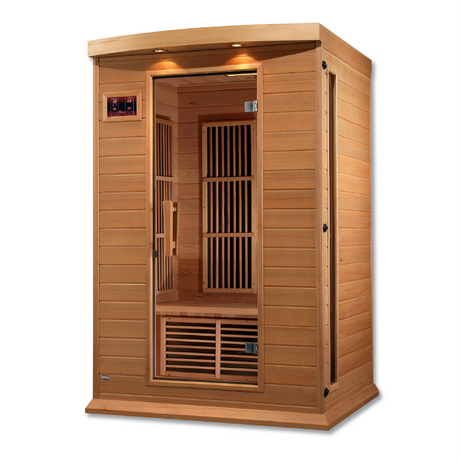
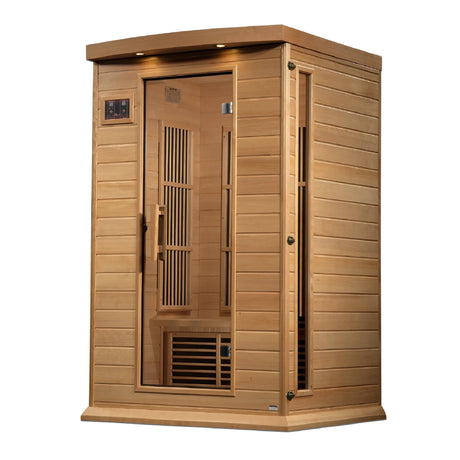
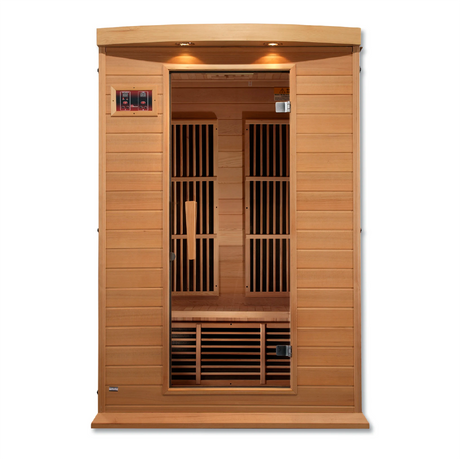
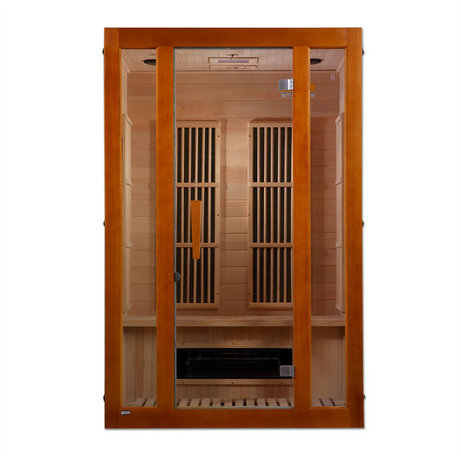
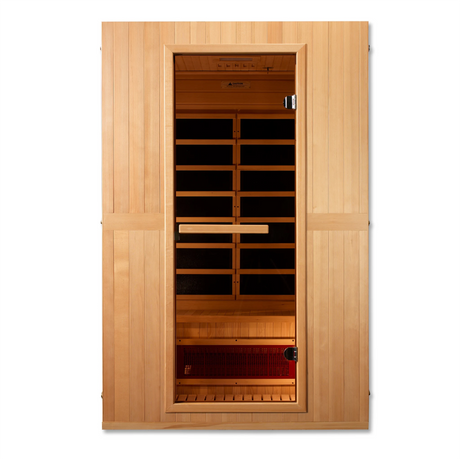
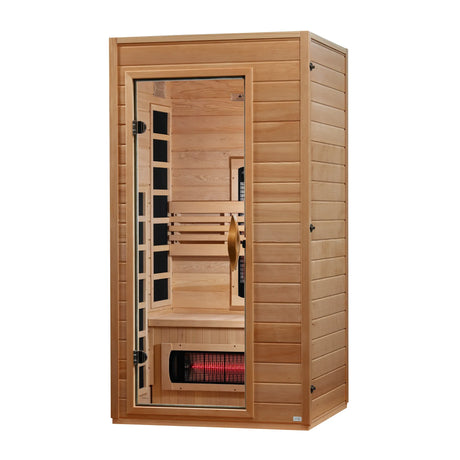
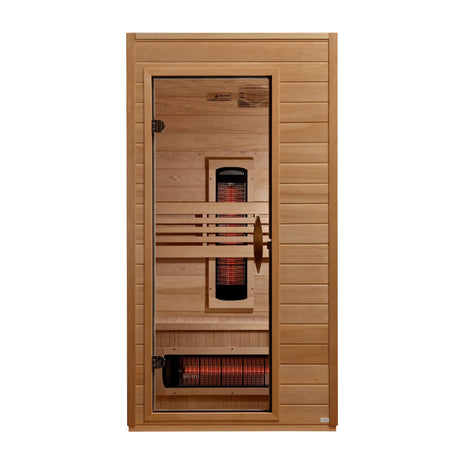
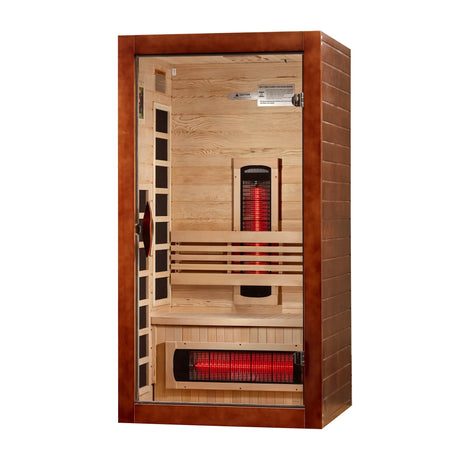
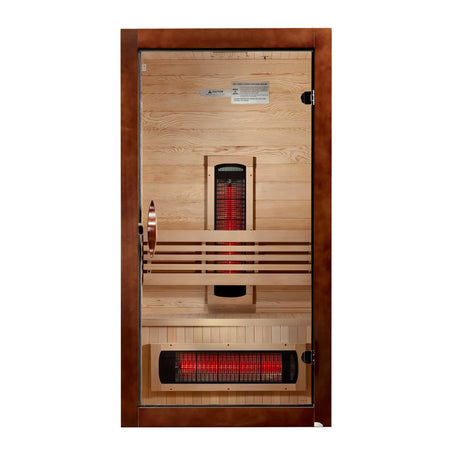
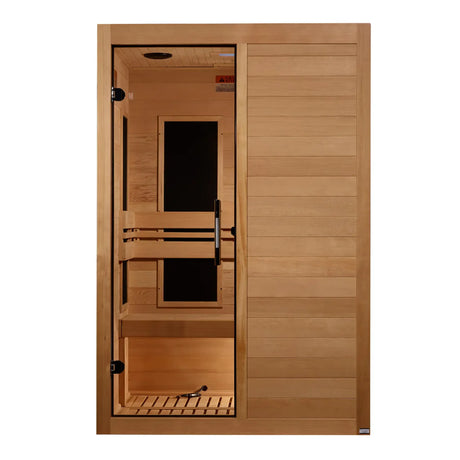
It's also worth noting that saunas come in many different shapes and sizes with a wide range of varying features. From traditional saunas to infrared saunas, outdoor barrel saunas to indoor saunas with large glass walls, there's many to choose from. Infrared saunas operate at lower temperatures (120-150°F) compared to traditional models but penetrate deeper into muscle tissue, which many users prefer for targeted heat therapy. Check out this guide here for a breakdown on the various kinds of saunas and installation considerations.

What is a Steam Room?
Imagine stepping into a warm, cocoon-like space drenched in soft, billowing clouds of steam. That's the essence of a steam room. Also called Turkish baths, these enclosures operate at slightly lower temperatures (typically 110°F to 120°F) but feature an astonishing 95% to 100% humidity level. Unlike the arid feel of a sauna, a steam room envelops you in moist heat that penetrates deeply into your skin and airways.
Constructed using non-porous, moisture-resistant materials like tile or stone, steam rooms are designed to handle excess humidity while maintaining durability. The heart of the operation is the steam generator, which heats water to the boiling point and efficiently pumps vapor throughout the enclosure. Steam rooms are prized for their respiratory benefits—think relief from asthma, sinus congestion, and allergies—as well as their ability to deeply hydrate the skin and soothe sore muscles. The high humidity environment can be particularly beneficial for those living in dry climates or seeking relief from conditions that benefit from moisture therapy.

Sauna v Steam Room: Key Differences
It's easy to group saunas and steam rooms together as "heat therapy," but their differences are vast and essential to know before choosing between the two. Understanding these distinctions can help you select the option that aligns best with your wellness goals and physical tolerance. Here's a quick snapshot:
| Aspect | Sauna | Steam Room |
|---|---|---|
| Temperature | 115°F to 190 °F | 110°F to 120°F |
| Humidity | 10% to 15% | 95% to 100% |
| Heat Type | Dry | Moist |
| Materials | Wood | Tile or Stone |
| Best For | Detox & Circulation | Skin & Respiratory Health |
While saunas specialize in creating a stark, dry heat ideal for detox through intense sweating, steam rooms cater to people seeking relief for respiratory ailments or greater hydration benefits. The choice often comes down to whether you prefer the intense, purifying experience of dry heat or the enveloping, therapeutic embrace of humid warmth.
Benefits of Sauna vs Steam Room
Both saunas and steam rooms have their unique perks. Let's break this down further to help identify which aligns with your wellness goals:
Sauna Benefits
- Improved Circulation: Saunas dilate blood vessels, promoting better circulation throughout your body. This increased blood flow can help deliver oxygen and nutrients more effectively to muscles and organs.
- Muscle Recovery: Studies show that the dry heat can ease post-workout soreness, speeding up recovery. For athletes and fitness enthusiasts, regular sauna use combined with targeted heat therapy devices can enhance recovery protocols.
- Detoxification: As your skin sweats, toxins may be expelled, leaving you refreshed. The intense heat promotes deep sweating that can help eliminate metabolic waste products.
- Potential for Reduced Cholesterol: Some research suggests regular sauna use may lower bad cholesterol levels and support cardiovascular health over time.
- Stress Reduction: The quiet, warm environment promotes relaxation and can trigger the release of endorphins, naturally improving mood and reducing stress hormones.
Steam Room Benefits
- Respiratory Relief: A steam room's moist heat can help clear airways for those who suffer from asthma, sinus congestion, or seasonal allergies. The humid air helps loosen mucus and makes breathing easier.
- Skin Hydration: The humid environment can nourish your skin, leaving it plump and radiant. Steam helps open pores and can improve skin texture and appearance.
- Stress Relief: Many users report feeling profoundly relaxed after even a short session in a steam room. The enveloping warmth and humidity create a meditative atmosphere that promotes mental calm.
- Joint and Muscle Relief: The moist heat can penetrate deeply into joints and muscles, providing relief for arthritis pain and muscle tension without the intensity of dry heat.
While both deliver relaxation, consider your health priorities to select the best fit for your lifestyle. Those with respiratory issues or dry skin conditions may find steam rooms more beneficial, while individuals focused on athletic recovery and detoxification might prefer saunas.

Choosing the Best Steam Room for Homes
If your heart is set on bringing the luxury of a steam room into your home, here's what to watch for:
- Size & Space: Choose a design that fits comfortably within your space. Consider ceiling height requirements (typically 8 feet minimum) and ensure adequate drainage.
- Steam Generator: Opt for a reliable generator customized to your room's cubic footage. A properly sized generator is crucial for maintaining consistent steam production and temperature.
- Waterproofing: Proper waterproofing will prevent moisture-related damage in the long run. This includes vapor barriers, waterproof membranes, and proper sealing around all penetrations.
- Materials: High-quality tiles or stone ensure longevity in a humid environment. Natural stone like marble or granite provides excellent heat retention, while ceramic tiles offer durability and easy maintenance.
- Ventilation: Adequate ventilation is essential to prevent mold and mildew. Consider both exhaust fans and natural air circulation when planning your installation.
- Electrical Requirements: Most residential steam generators require dedicated electrical circuits, similar to how quality sauna installations need proper electrical planning for optimal performance.
By consulting professionals for installation, you'll secure a seamless setup, giving your home the ultimate spa-like appeal. Professional installation also ensures compliance with local building codes and proper integration with your home's existing systems.

FAQs About Saunas and Steam Rooms
1. What is the difference between a sauna and a steam room?
The main difference lies in temperature and humidity. Saunas use dry heat at higher temperatures (115°F to 190°F) with low humidity (10-15%), whereas steam rooms operate at lower temperatures (110°F to 120°F) with extremely high humidity (95-100%). Generally speaking, saunas are ideal for detoxification and circulation, while steam rooms are better suited for respiratory relief and skin hydration.
2. Which is better for muscle recovery: sauna or steam room?
Saunas are generally better for muscle recovery. Their dry heat promotes increased blood flow and faster post-workout recovery. The higher temperatures in saunas help dilate blood vessels more effectively, delivering oxygen and nutrients to tired muscles. Steam rooms can also help relax muscles, but they are more effective for respiratory relief and skin hydration rather than deep muscle recovery.
3. Are saunas good for detoxification?
Yes, saunas are excellent for detoxification. The intense, dry heat stimulates profuse sweating, which can help flush out toxins through your skin. Regular sauna sessions promote the elimination of metabolic waste products and may support liver and kidney function. However, it's important to stay well-hydrated before, during, and after sauna use to support the detoxification process.
4. Which is better for respiratory issues: sauna or steam room?
Steam rooms are significantly better for respiratory issues. The high humidity and moist heat can help clear airways, relieve sinus congestion, and provide relief for conditions like asthma and seasonal allergies. The humid air helps loosen mucus and makes breathing easier, while saunas with their dry heat don't offer the same moisture-based benefits for respiratory health.
5. What materials are best for a home steam room?
Non-porous, heat-resistant materials like tile or stone are best for home steam rooms. Ceramic or porcelain tiles work well for walls and floors, while natural stones like marble or granite provide excellent heat retention and durability. These materials resist moisture damage and enhance durability when exposed to high humidity and warm temperatures. Proper waterproofing and ventilation are also crucial for longevity.
6. Can I have both sauna and steam features in one unit?
Yes, hybrid units are available that combine both sauna and steam functionality. Models like the Golden Designs Soria Hybrid and Golden Designs Visby offer both infrared sauna heat and traditional steam capabilities, allowing you to enjoy the benefits of both therapies in a single installation.
7. How much maintenance does a steam room require?
Steam rooms require regular maintenance to ensure proper performance. Key steps include weekly cleaning to prevent mold or mildew, monthly checks of the steam generator and water filters, ensuring proper ventilation function, and annual professional inspections of seals and waterproofing. The steam generator typically needs descaling every 3-6 months depending on water hardness.
8. What are the electrical requirements for home saunas?
Most home saunas require dedicated electrical circuits, typically ranging from 20-amp circuits for smaller infrared units to 40-60 amp circuits for larger traditional saunas. A 2-person infrared sauna usually needs a dedicated 20-amp circuit, while larger units may require 240-volt service. It's essential to consult with a qualified electrician and review the specific requirements for your chosen model to ensure safe and proper installation.
Wrapping Up Your Heat Therapy Decision
At the end of the day, both saunas and steam rooms deliver transformative wellness experiences, each bringing its own unique benefits to the table. Saunas shine with their ability to boost circulation, encourage deep detoxification, and speed up muscle recovery. Meanwhile, steam rooms stand out as a sanctuary for respiratory relief, ultimate relaxation, and luminous skin hydration. The key is understanding your health priorities, personal preferences, and lifestyle to make the right choice for you.
Looking to create your personal oasis at home? Whether you're considering outdoor sauna installations or exploring indoor options, we have everything you need to get started. From cutting-edge steam room setups to innovative sauna solutions, we help you bring spa-level indulgence and health benefits right to your doorstep. Plus, with our expert guidance, you can design a space tailored to your needs and aesthetic.
Now, here's something to consider: What would your daily life feel like with that added boost of calm, recovery, or revitalization? Don't just imagine the change, live the change!