

An 80-year-old resident at Sunrise Senior Living couldn't remember her daughter's name three months ago. After 12 weeks of red light bed sessions, she's not only calling family members by name but organizing weekly bridge tournaments. Traditional senior care facilities excel at providing comfort and safety, but they often overlook innovative wellness technologies that could transform quality of life for aging residents.
However, the most promising breakthrough in senior wellness isn't coming from pharmaceutical companies or medical device manufacturers.
Commercial red light bed therapy is quietly revolutionizing how aging care facilities approach cognitive decline, sleep disorders, and overall vitality in their residents. According to WebMD research, five people with dementia who received red light therapy for 12 weeks showed better memories, improved sleep, and reduced anger. While red light therapy gained popularity in athletic recovery, its most profound impact may be in senior care facilities where non-invasive, drug-free interventions can dramatically improve resident outcomes while generating substantial revenue streams for facility operators.
This isn't about replacing established medical protocols. Instead, forward-thinking senior living directors are discovering how commercial-grade red light beds integrate seamlessly into existing care workflows while delivering measurable improvements in cognitive function, sleep quality, and overall resident satisfaction. The financial case is equally compelling: facilities report session pricing of $25-100 nationally with payback periods often achieved within 4-8 months.
The Science Behind Red Light Bed Therapy for Aging Bodies
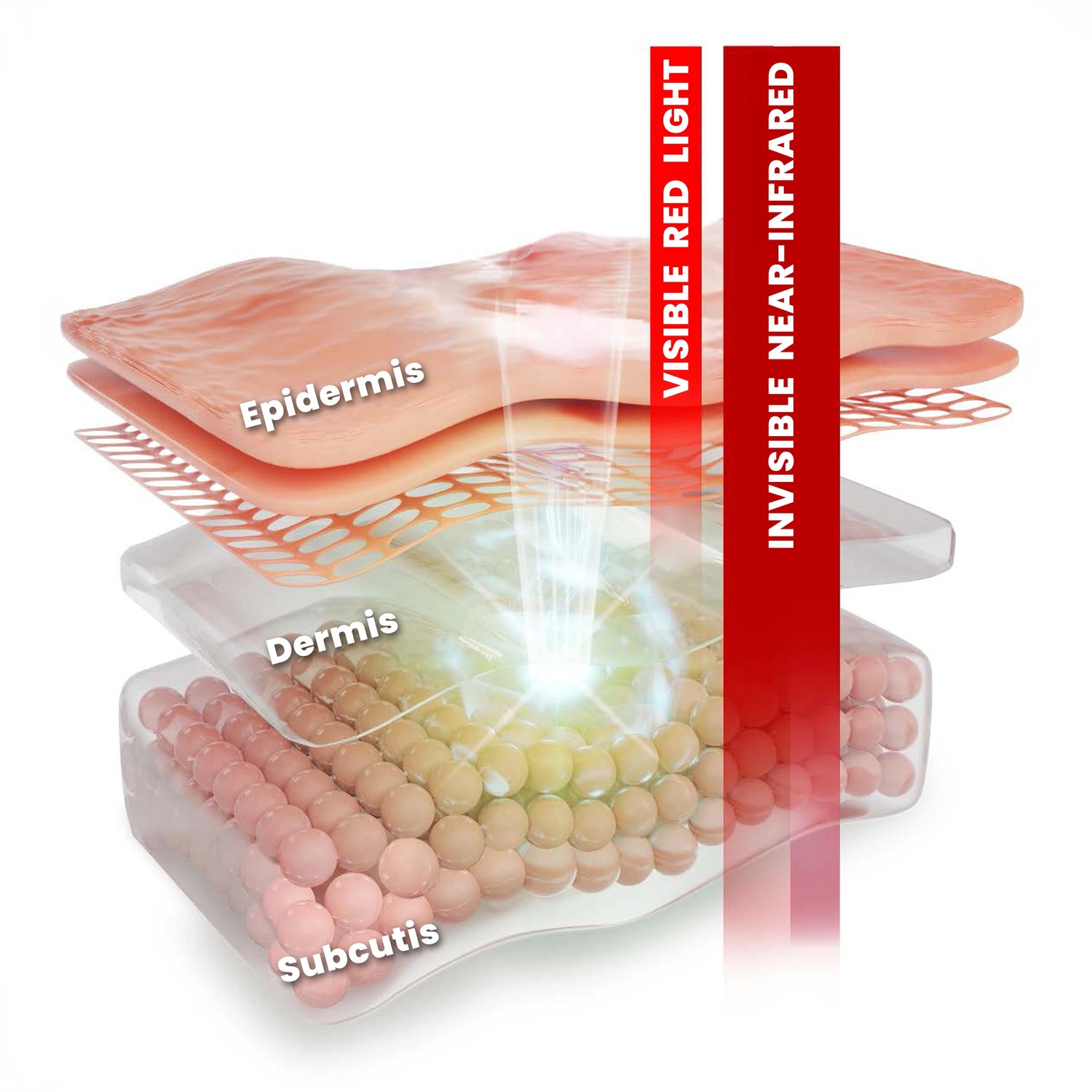
Aging fundamentally changes how our cells produce energy. Mitochondria — the cellular powerhouses responsible for energy production — become less efficient over time, leading to the fatigue, cognitive decline, and slower healing that characterizes aging. Research shows that red light therapy stimulates mitochondria using wavelengths between 620-700 nanometers, essentially jumpstarting cellular energy production in aging bodies.

The physics behind this process explains why commercial red light bed systems deliver superior results compared to handheld panels or smaller devices. Red light wavelengths (620-700nm) penetrate aging skin more effectively than shorter wavelengths, reaching deeper tissue layers where mitochondrial density remains highest. As skin becomes thinner and less elastic with age, these specific wavelengths encounter less resistance, making seniors ideal candidates for photobiomodulation therapy.
Near-infrared light extends these benefits beyond surface tissue. According to Seniors Guide research, near-infrared light can pass through the scalp and skull to reach surface brain tissue, potentially improving blood flow and supporting neurons. This transcranial photobiomodulation specifically targets brain cells but requires precise wavelengths around 810nm and proper power levels — factors that demand commercial-grade equipment for consistent delivery.
The Arndt-Schulz curve principle governs optimal dosing for elderly patients, establishing that moderate, well-spaced doses trigger cellular repair while too little stimulation produces no effect and excessive exposure can inhibit benefits. This biological law becomes particularly critical when treating frail seniors or residents taking multiple medications that might affect cellular sensitivity. Commercial red light bed systems excel here because they deliver standardized dosing protocols that account for these variables.
Traditional handheld devices or panel systems often struggle with dose consistency, especially when used by different staff members or across varying treatment schedules. Commercial success depends more on workflow integration and session standardization than raw technical specifications. Full-body red light bed exposure eliminates guesswork, ensuring each senior receives identical therapeutic doses regardless of which staff member operates the equipment or what time of day the session occurs.
The wavelength precision offered by commercial beds addresses another critical factor: aging skin's changing optical properties. Collagen reduction and increased skin transparency in seniors means therapeutic wavelengths reach target tissues more efficiently, but this also increases the risk of overexposure. Professional-grade systems incorporate safety protocols and automated shutoffs that prevent excessive dosing — essential features when treating vulnerable elderly populations who may not recognize discomfort or communicate effectively during treatment.
Cognitive and Vision Benefits: Red Light Bed Results for Senior Brain Health
Memory enhancement represents the most documented benefit of red light therapy in aging populations. A Journal of Gerontology study demonstrated significant improvements in memory and executive function after 3 months of treatment in adults aged 55-80, with participants showing measurable gains in word recall, attention span, and problem-solving tasks. These cognitive improvements weren't subtle — families and caregivers reported noticeable changes in daily functioning and social engagement.

Sleep quality improvements accompany cognitive benefits, creating a positive feedback loop that amplifies therapeutic outcomes. The same WebMD study that followed five dementia patients found reduced agitation and improved sleep patterns alongside memory gains. Better sleep naturally supports cognitive function, while reduced agitation improves quality of life for residents and reduces caregiver stress.
Vision improvements add another dimension to red light therapy's impact on senior wellness. A study published by the American Academy of Ophthalmology showed that 24 people experienced improved color contrast sensitivity after just 3 minutes daily of 670nm red light for two weeks. Enhanced visual contrast helps seniors navigate facilities more safely and maintain independence in daily activities.
Brain blood flow enhancement through transcranial photobiomodulation offers the physiological mechanism behind these cognitive improvements. Near-infrared wavelengths penetrate skull bone to reach surface brain tissue, stimulating nitric oxide production and improving cerebral circulation. For those interested in exploring the broader mental health applications of this technology, red light therapy for depression research shows promising results across multiple age groups. Increased blood flow delivers more oxygen and nutrients to brain cells while removing metabolic waste products that accumulate in aging brains.
Session protocols for cognitive benefits differ from those used for wound healing or pain management. Research supports 10-20 minute sessions performed 2-3 times weekly for optimal cognitive outcomes, with many facilities scheduling treatments during afternoon hours when seniors often experience energy dips. Red light therapy is most effective for seniors when combined with established care strategies rather than used as a replacement for existing cognitive stimulation programs or medical treatments.
The 6,000+ published papers supporting red light therapy benefits provide confidence for senior care administrators considering implementation. However, the specific studies focusing on elderly populations represent a smaller but growing subset, with most research concentrated on adults over 55 showing consistent positive outcomes across memory, sleep, and visual function measures.
Standardized cognitive assessments before and after red light therapy implementation allow facilities to track resident improvements objectively. Mini-Mental State Examinations, sleep quality surveys, and family satisfaction scores provide quantifiable metrics that support both clinical outcomes and marketing efforts for prospective residents and their families.
Energy Lounger Red Light Beds: Commercial-Grade Solutions for Senior Care
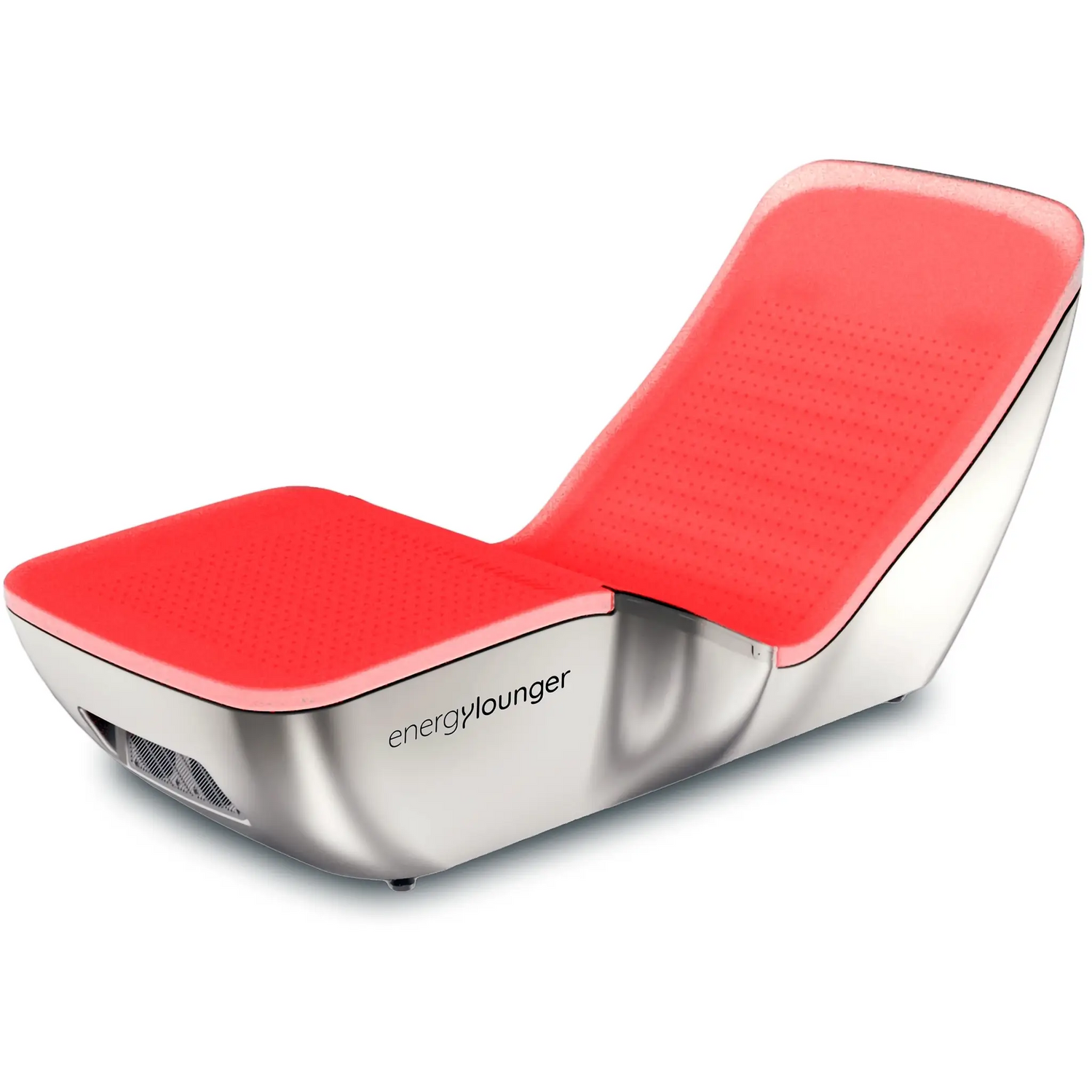
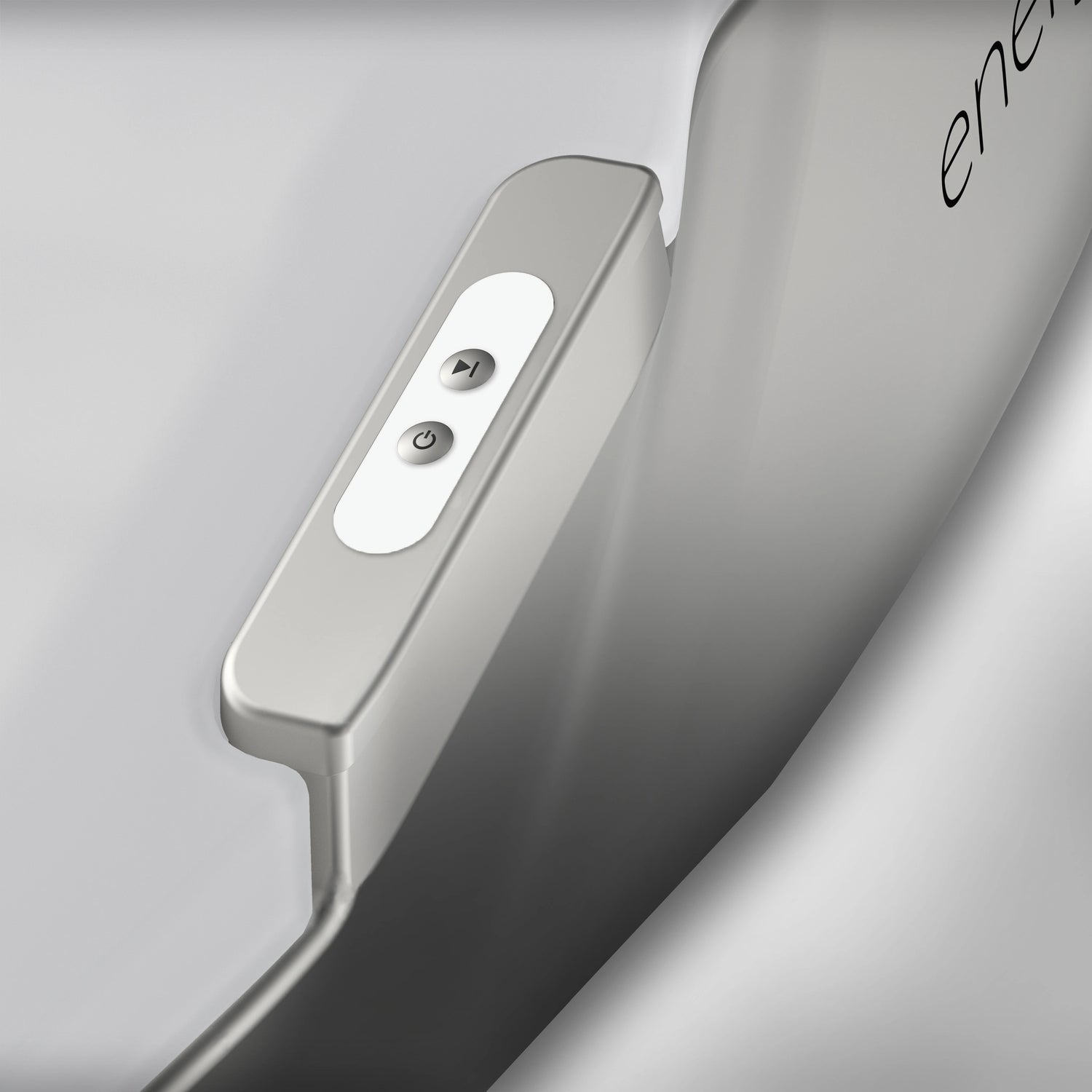
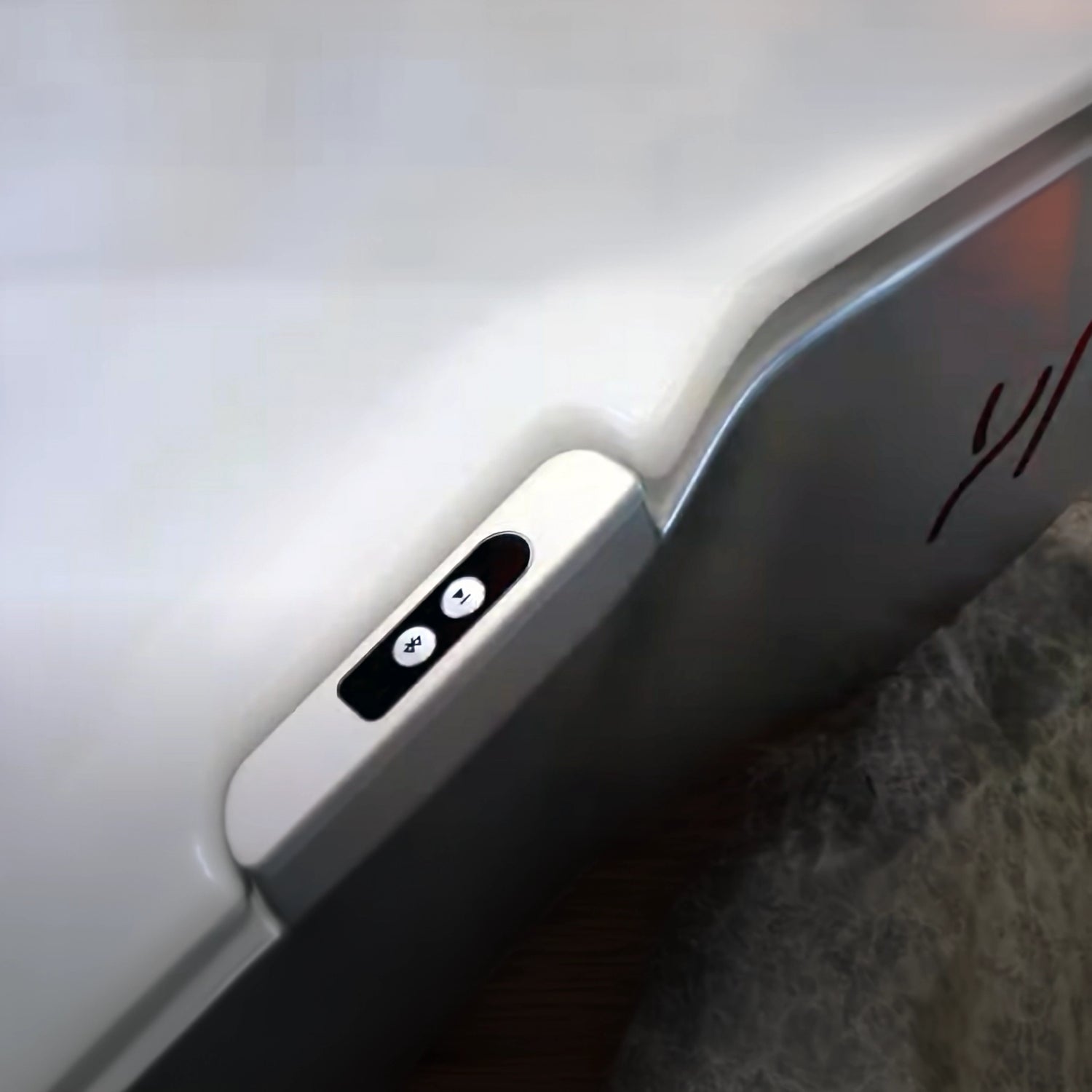
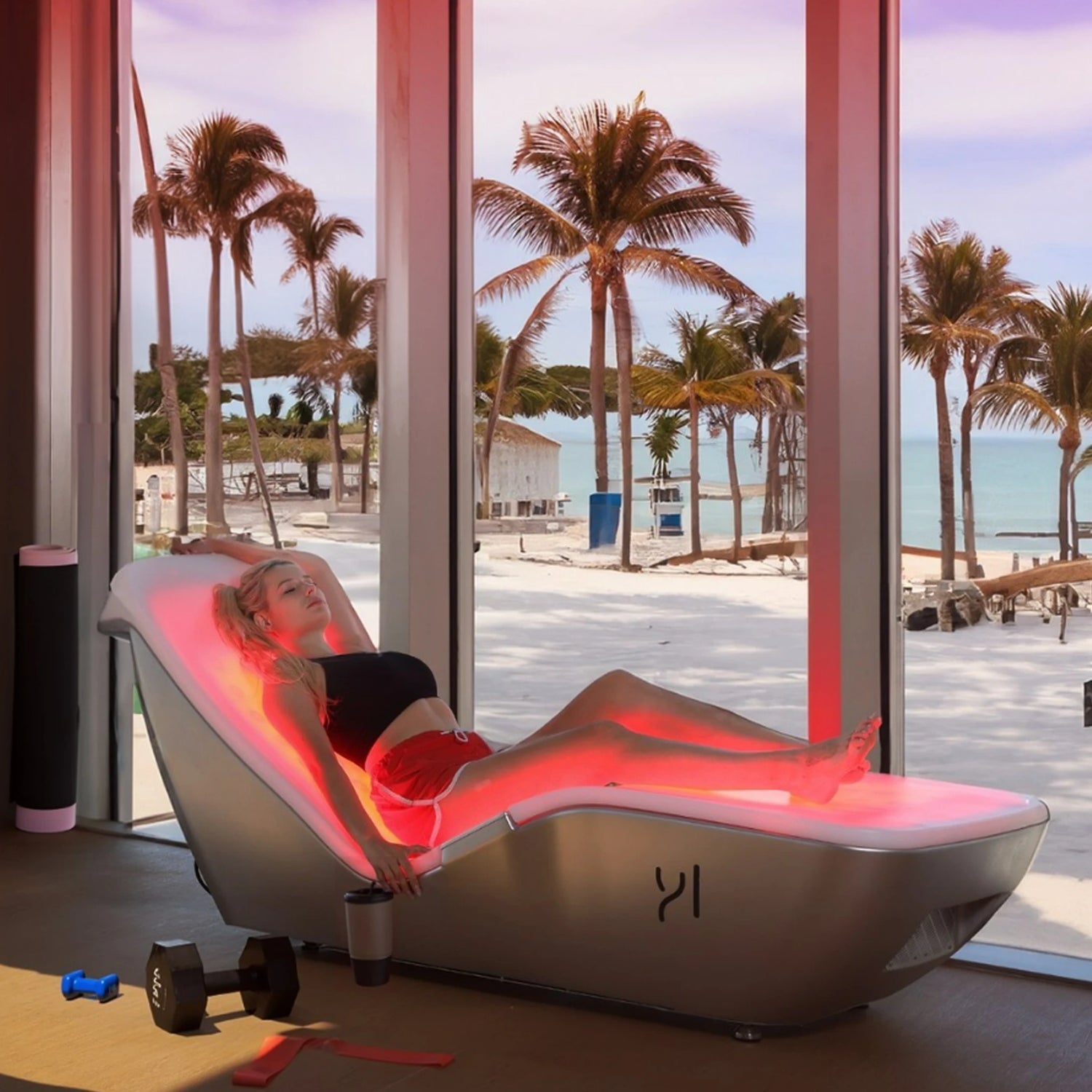
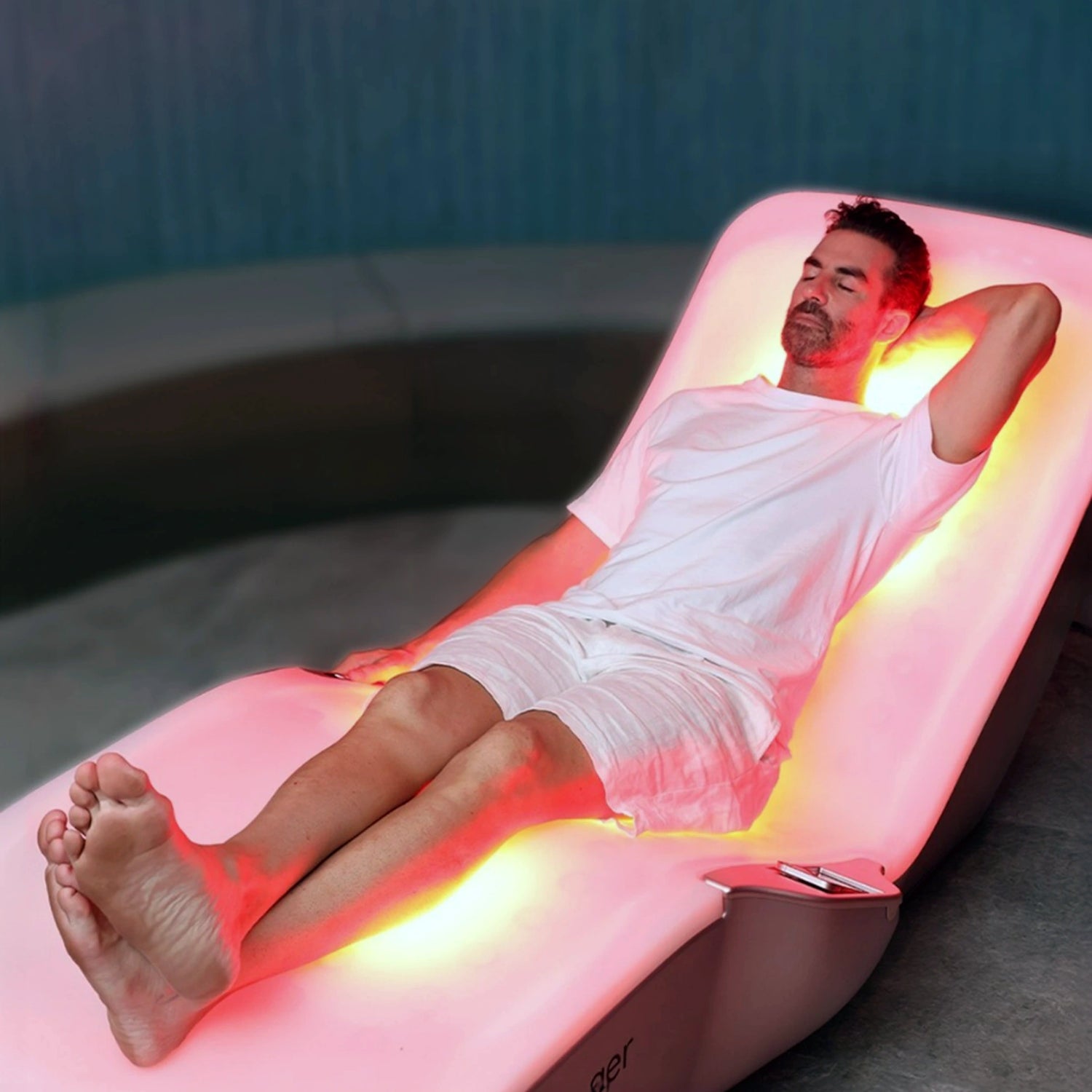
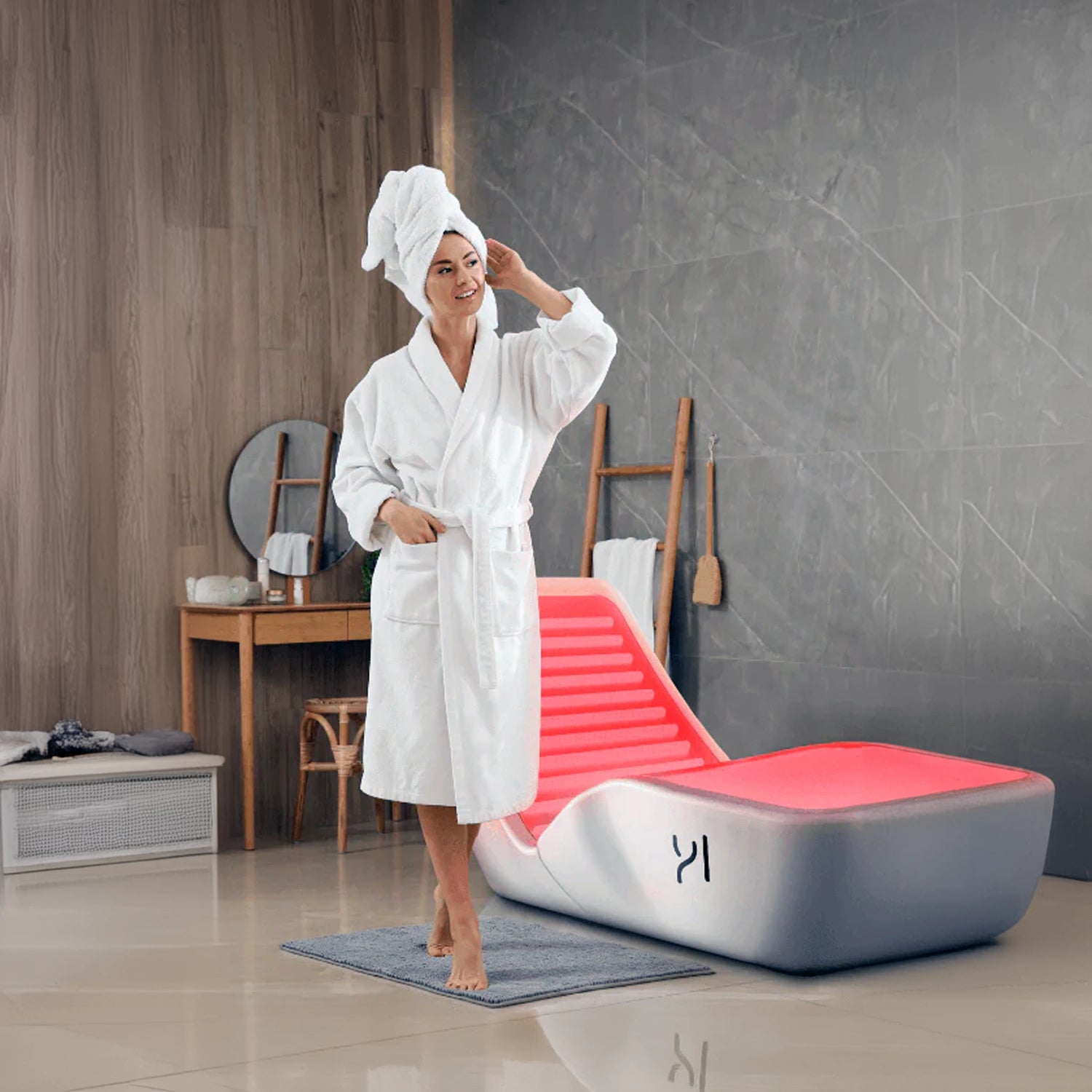
The Energy Lounger represents the gold standard for commercial red light therapy in senior care facilities, utilizing a three-wavelength system (630nm, 850nm, 940nm) that addresses the full spectrum of aging-related cellular dysfunction. This wavelength combination targets surface skin conditions, deeper tissue repair, and transcranial brain stimulation in a single session — critical efficiency for busy senior care environments.
Commercial durability becomes paramount when equipment serves multiple residents daily across extended operational periods. The Energy Lounger's commercial-grade construction withstands constant use while maintaining wavelength precision and power output consistency. Unlike consumer devices that degrade after months of regular use, commercial systems maintain therapeutic effectiveness through thousands of treatment cycles.
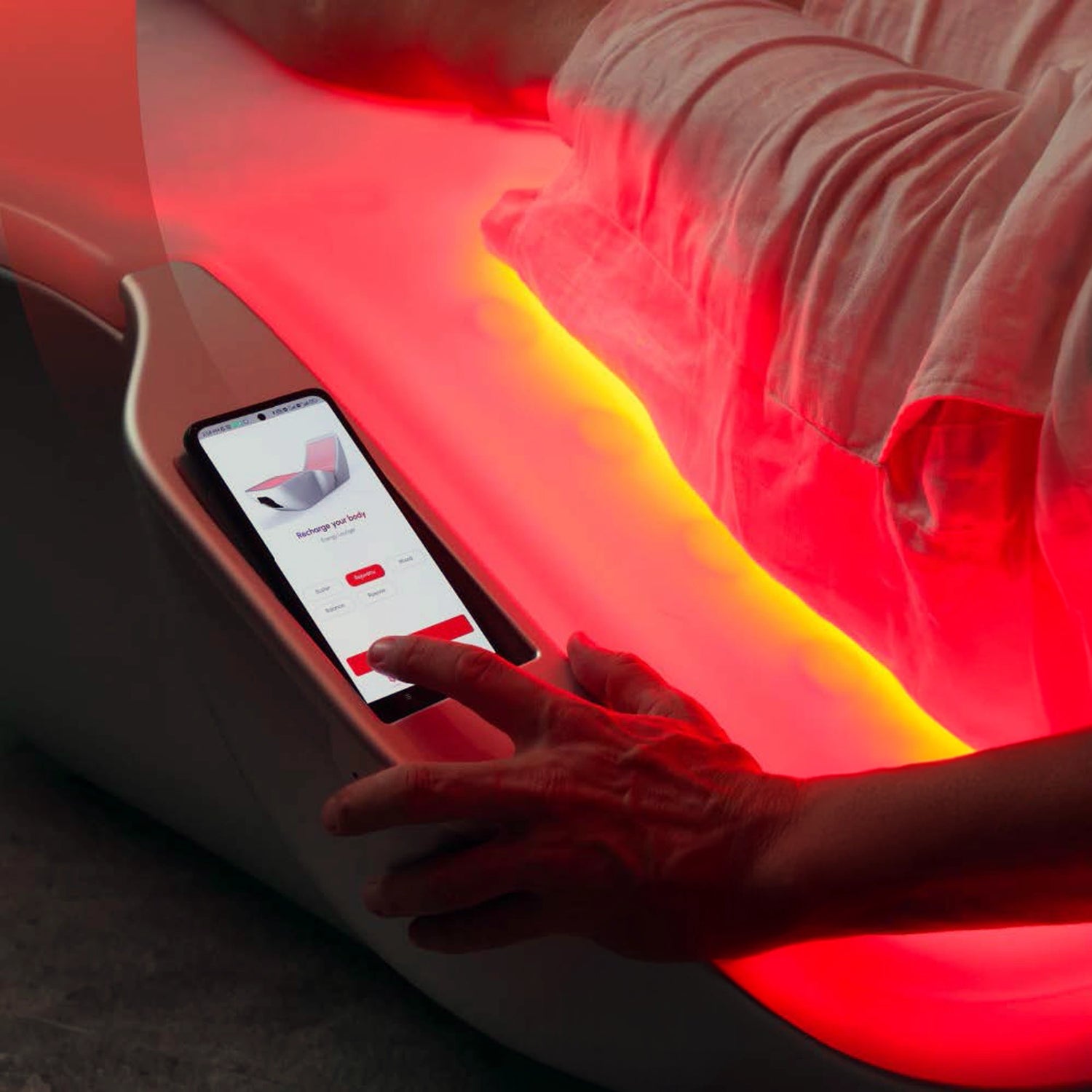
Professional-grade beds enable shorter, more standardized sessions which increase daily throughput compared to panels. Where traditional panel treatments might require 20-30 minutes to cover full-body exposure, commercial red light bed systems deliver equivalent therapeutic doses in 10-20 minutes. This efficiency allows facilities to serve more residents daily while reducing staffing requirements per treatment.
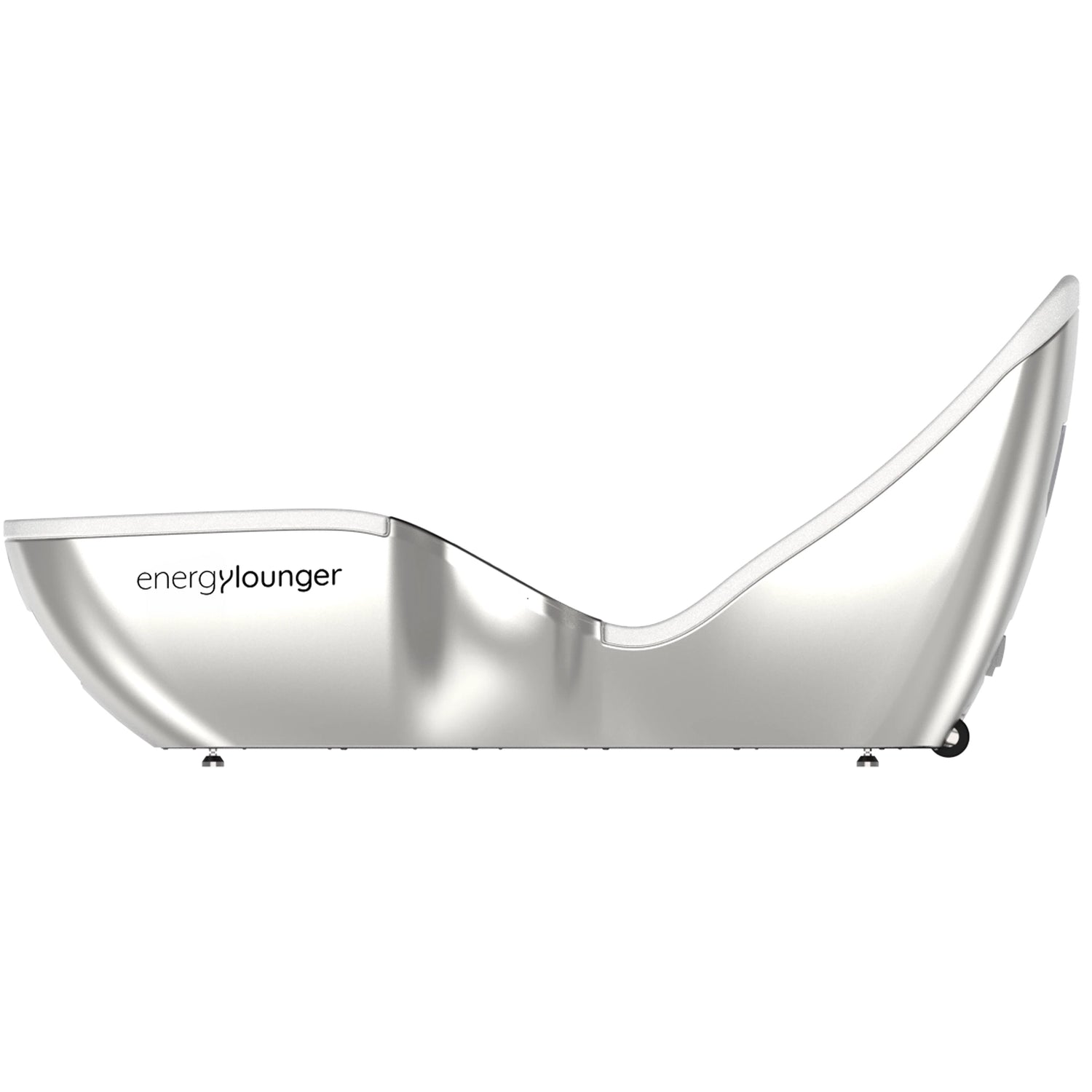
Safety features specifically designed for elderly patients differentiate commercial beds from athletic recovery equipment. Easy entry and exit protocols accommodate mobility limitations, while emergency stop mechanisms ensure immediate treatment cessation if residents experience discomfort. The reclined position reduces fall risk compared to standing panel treatments, addressing a primary concern in senior care environments.
| Feature | Energy Lounger | Standard LED Panels | High-End Arrays |
|---|---|---|---|
| Wavelengths | 630nm, 850nm, 940nm | 660nm, 850nm typical | Multiple, varies by model |
| Session Duration | 10-20 minutes | 20-30 minutes | 15-25 minutes |
| Senior Accessibility | Reclined entry, safety stops | Standing/sitting required | Variable positioning |
| Commercial Durability | 1000+ hours rated | 500-800 hours typical | 800-1500 hours |
| Investment Cost | $35,000 | $3,000-$8,000 | $90,000+ |
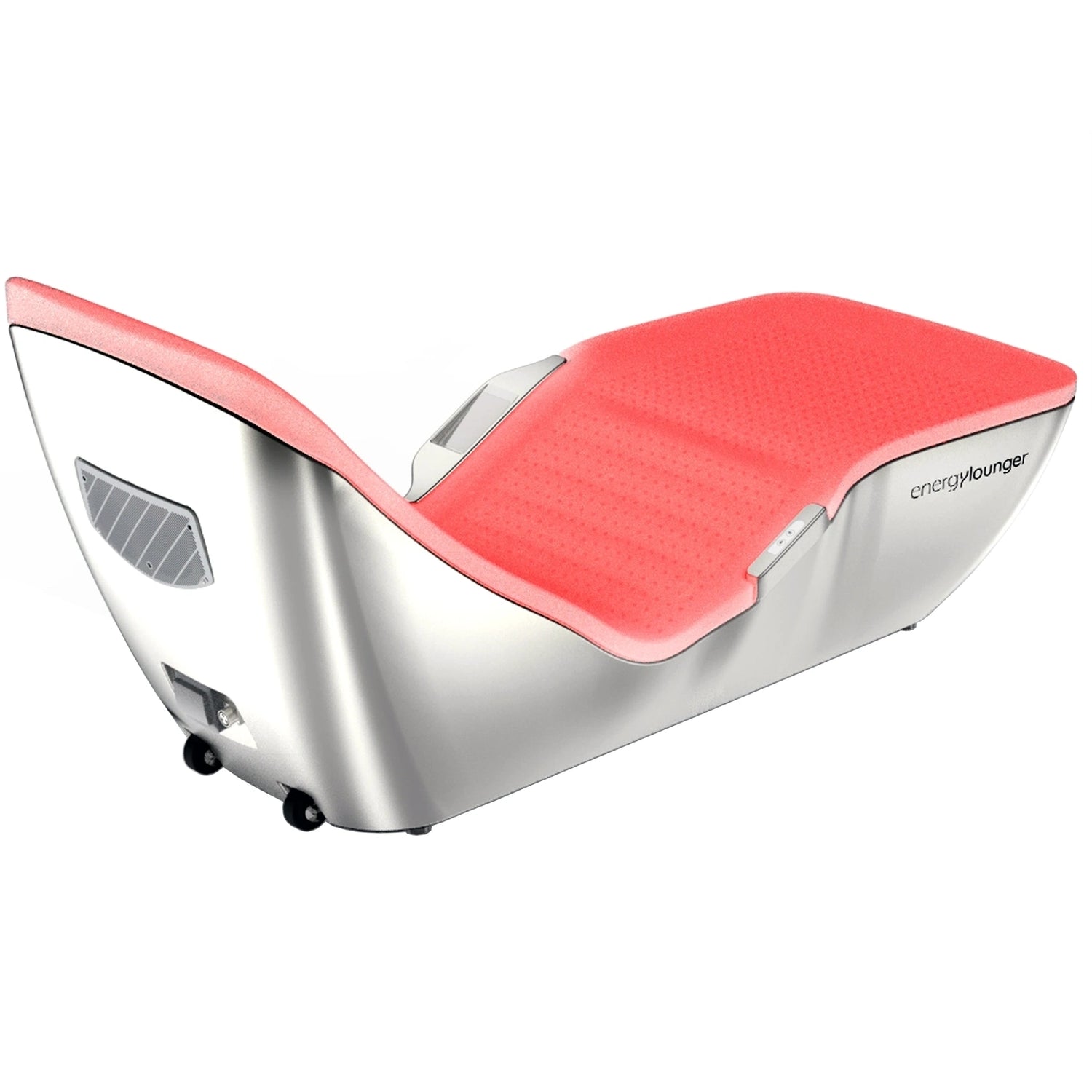
Integration with existing senior care workflows requires minimal staff training and infrastructure modification. The Energy Lounger operates on standard electrical systems while occupying roughly the same floor space as a hospital bed. Treatment protocols integrate seamlessly with physical therapy, occupational therapy, and wellness program schedules already established in most facilities.
The 'dose curve' principle is crucial for seniors — frail or medication-heavy older adults need carefully calibrated protocols. Commercial systems like the Energy Lounger include preset programs specifically designed for elderly populations, accounting for reduced cellular resilience and potential medication interactions that could affect treatment response.
ROI Analysis: Red Light Bed Investment for Senior Living and Healthcare Facilities
Session pricing models for senior facilities typically range from $25-100 nationally, with most successful implementations settling around $40-60 per session depending on local market conditions and facility positioning. Premium senior living communities often charge higher rates while assisted living facilities find success with mid-range pricing that remains accessible to Medicare Advantage supplemental coverage.

Payback period calculations demonstrate compelling financial returns for facilities implementing commercial red light therapy programs. At typical utilization rates of 5-10 sessions per day (conservative for most senior facilities), facilities achieve 4-8 month payback periods on their initial investment. A single Energy Lounger generating $50 per session with 7 daily treatments produces $12,250 monthly revenue, covering the $35,000 equipment cost in approximately 3 months.
Cost comparison analysis reveals the Energy Lounger's competitive position in the commercial market. While full-body LED arrays can exceed $90,000, the Energy Lounger provides equivalent therapeutic outcomes at $35,000 — a 60% cost reduction that significantly improves ROI metrics. Lower-cost panel systems require multiple units and extended treatment times to match commercial bed effectiveness, ultimately delivering inferior economics when factoring in space requirements and staffing costs.
Utilization patterns in senior care differ markedly from general wellness facilities, creating unique financial advantages. Senior residents maintain more predictable schedules than typical spa customers, enabling facilities to achieve higher equipment utilization rates. Most practices see ROI in less than 6 months depending on usage, with senior care facilities often exceeding industry averages due to consistent daily census and repeat treatment patterns.
Insurance and Medicare considerations add complexity but also opportunity to red light therapy implementation in senior care. While Medicare doesn't currently cover red light therapy as a standalone treatment, home red light therapy guidance shows growing acceptance among healthcare providers for various wellness applications. Medicare Advantage plans increasingly include wellness benefits that can offset session costs. Facilities partnering with progressive insurance providers report partial reimbursement for red light therapy when prescribed as adjunctive treatment for specific conditions like wound healing or seasonal affective disorder.
Revenue diversification beyond direct session fees enhances overall program profitability. Many senior facilities package red light therapy with existing wellness services, massage therapy, or physical therapy sessions, creating premium service tiers that justify higher monthly rates. Family members often pay privately for additional wellness services when they see measurable improvements in their loved ones' cognitive function and overall vitality.
Operational cost analysis reveals minimal ongoing expenses beyond initial equipment investment. Commercial red light beds require virtually no consumable supplies, minimal maintenance, and operate on standard electrical service. Staff training typically requires 2-4 hours per employee, and treatment protocols are straightforward enough for existing wellness staff to administer without specialized certifications.
Market positioning advantages emerge when senior facilities offer red light therapy as a differentiating amenity. In competitive markets, innovative wellness programs attract prospective residents and their families who research facility amenities extensively. The growing awareness of red light therapy benefits creates marketing opportunities that extend beyond direct revenue generation, supporting higher occupancy rates and premium pricing strategies across all facility services.
Frequently Asked Questions
1. How long does it take to see results from red light therapy in senior residents?
Most senior residents show initial improvements within 2-4 weeks of consistent treatment. Studies demonstrate that cognitive benefits, sleep quality improvements, and reduced agitation typically become noticeable after 8-12 sessions. More significant changes in memory function and overall vitality often manifest after 6-8 weeks of regular treatments.
2. What wavelengths are most effective for cognitive benefits in elderly patients?
Research supports wavelengths between 630nm-940nm for optimal cognitive benefits in seniors. The combination of 630nm red light for surface tissue repair, 850nm near-infrared for deeper penetration, and 940nm for transcranial brain stimulation provides comprehensive therapeutic coverage. This multi-wavelength approach addresses both cellular energy production and brain blood flow enhancement.
3. Is red light therapy safe for seniors taking multiple medications?
Red light therapy is generally safe for seniors on multiple medications since it's non-invasive and doesn't interact with pharmaceutical drugs. However, facilities should consult with residents' physicians before beginning treatment, especially for patients taking photosensitizing medications. The therapy works through photobiomodulation rather than chemical pathways, minimizing drug interaction risks.
4. Can red light therapy help with dementia and Alzheimer's symptoms?
Clinical studies show promising results for dementia patients receiving red light therapy treatments. Research demonstrates improvements in memory recall, reduced agitation, and better sleep patterns in participants with mild to moderate cognitive decline. While not a cure, red light therapy may slow cognitive deterioration and improve quality of life when used as part of comprehensive care plans.
5. What's the typical cost for implementing red light therapy in a senior care facility?
Commercial-grade red light beds like the Energy Lounger typically cost around $35,000 for initial equipment investment. Most facilities achieve 4-8 month payback periods through session pricing of $40-60 per treatment. Additional costs include minimal staff training (2-4 hours per employee) and standard electrical requirements with no ongoing consumable supplies needed.
6. How many residents can use a red light bed daily?
A single commercial red light bed can accommodate 8-12 residents daily with proper scheduling. Sessions typically last 10-20 minutes with short setup periods between treatments. Most senior facilities find optimal utilization with 6-8 daily sessions, allowing for equipment maintenance windows and flexible scheduling around residents' other care activities.
7. Do insurance plans cover red light therapy for seniors?
Traditional Medicare doesn't currently cover standalone red light therapy treatments. However, Medicare Advantage plans increasingly include wellness benefits that may partially cover sessions. Some facilities successfully obtain reimbursement when red light therapy is prescribed as adjunctive treatment for wound healing, seasonal affective disorder, or other covered conditions.
8. Which conditions in seniors respond best to red light therapy?
Seniors with mild cognitive decline, sleep disorders, seasonal depression, and chronic pain show the most consistent improvements with red light therapy. Additionally, residents with slow-healing wounds, arthritis symptoms, and general fatigue often experience significant benefits. The therapy is particularly effective for age-related conditions involving cellular energy dysfunction and poor circulation.
Transforming Senior Care Through Evidence-Based Wellness
The transformation happening in senior care facilities implementing red light bed therapy extends far beyond individual health outcomes. Facilities report improved staff satisfaction as caregivers witness residents becoming more alert, social, and independent. Family satisfaction scores increase when loved ones demonstrate measurable cognitive improvements and enhanced quality of life.
Commercial-grade equipment like the Energy Lounger represents more than a wellness amenity — it's a strategic investment in resident outcomes and facility differentiation. The convergence of proven science, practical implementation, and compelling financial returns creates an opportunity for senior care leaders to enhance both resident well-being and operational profitability.

For senior living directors evaluating red light therapy implementation, the evidence supports moving beyond pilot programs toward full commercial deployment. With 6,000+ published studies supporting photobiomodulation benefits and specific research demonstrating cognitive improvements in aging populations, the scientific foundation is solid. The financial case proves equally compelling, with most facilities achieving payback within months rather than years.
Blue Sky Fitness Supply specializes in helping senior care facilities implement comprehensive red light therapy programs, from initial equipment selection through staff training and ongoing support. The Energy Lounger we offer provides a commercial-grade solution designed specifically for high-volume senior care environments, backed by our expertise in wellness program development and facility integration.
Contact our senior care specialists to discuss how red light therapy can transform your facility's wellness offerings while generating substantial returns on investment. Your residents deserve access to the latest evidence-based therapies, and your facility deserves the competitive advantages that come with innovative care delivery.