

Table of Contents:
- Why Gym Flooring Matters More Than You Think
- Why Gym Flooring is Essential for Your Workout Space
- What Is Gym Flooring?
- The Key Benefits of Gym Flooring
- Types of Fitness Flooring: Find Your Perfect Match
- Floor Mats for a Gym: A Flexible Solution
- Factors to Consider Before Buying Gym Flooring
- Rubber Gym Flooring: Built for Intensity
- Maximizing the Lifespan of Your Gym Flooring
- Frequently Asked Questions About Gym Flooring
- Create the Foundation for Your Fitness Goals
Why Gym Flooring Matters More Than You Think
Every great workout starts from the ground up — literally. Every weight you lift, every burpee you perform, every stride on the treadmill happens on the surface beneath you. Yet gym flooring, the very foundation of any fitness space, is often overlooked despite its crucial role in safety, performance, and the longevity of your equipment.
Not all gym flooring is created equal. A lot of people assume any surface will do, but the wrong choice can lead to injuries, costly floor damage, and reduced workout efficiency. Imagine slipping mid-rep because your flooring wasn't designed for high-intensity movements. Or imagine having to move all equipment out of your gym because the rubber floor wasn't strong enough to prevent foundation damage — then tearing up the floor, repairing the foundation, and replacing everything. That scenario is as expensive as it sounds.
Here's where many gym owners and home fitness enthusiasts go wrong: they treat gym flooring as an afterthought. In reality, it's one of the most important investments in creating a safe, functional, and motivating workout environment. This guide covers why gym flooring matters, the best options for different workout needs, and how to choose the right solution for your space.
Why Gym Flooring is Essential for Your Workout Space
The surface of your gym isn't just a supporting player — it's the foundation of your exercise routine. Safety, performance, and longevity all hinge on the quality of your gym flooring. Performing high-intensity workouts on a surface that doesn't absorb shock properly wreaks havoc on your joints over time. And distressed flooring from repeated heavy equipment use easily leads to costly subfloor repairs.
Good gym flooring provides critical shock absorption, reducing impact on both your body and your subfloor while minimizing noise and providing a stable surface. Whether you're building a home gym or outfitting a commercial facility, investing in proper gym flooring transforms the workout experience and creates an environment built to last.
What Is Gym Flooring?
Gym flooring isn't your average home carpet or wood floor — it's engineered to endure heavy workouts and maximize safety. From weightlifting zones to yoga spaces, gym flooring comes in various materials tailored to different activities. Rubber tiles, rubber rolls, foam tiles, and PVC flooring are among the most common options. These floors balance durability, cushioning, and sound absorption for any type of training session.
Rubber gym flooring is renowned for its versatility, durability, and ability to absorb heavy impacts. Foam mats are softer and suited for stretching or Pilates — activities that don't demand extreme durability but benefit from extra comfort. Each type serves a unique purpose, making it essential to choose one that aligns with your workout needs. For a detailed comparison of mats vs. tiles vs. rolled rubber, read our guide to gym mat types and usage.
If you need flooring for a particular application and aren't sure what to go with, reach out and our team can assist with any questions.

The Key Benefits of Gym Flooring
Here's why gym flooring matters more than you might think:
- Safety First: Proper flooring reduces accidental slips, offering the traction needed for high-intensity movements. Better traction means fewer injuries.
- Joint Protection: Gym flooring minimizes impact strain with essential cushioning, protecting your body during rigorous workouts. For more on how this works, see our guide to shock-absorbing gym floors.
- Noise Control: Whether it's weights dropping in a commercial facility or your treadmill at home, gym flooring absorbs sound and keeps the peace.
- Durability: Gym flooring is built to resist wear and tear from heavy machinery and relentless foot traffic.
Added Aesthetic Appeal
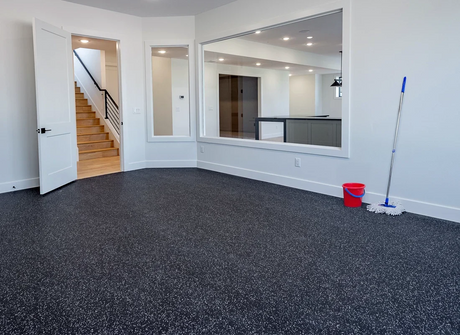
Beyond the functional benefits, gym flooring can improve the look of your space. Choose from a wide range of textures, finishes, and colors to match your gym's design and create a visually cohesive training environment.
Types of Fitness Flooring: Find Your Perfect Match
Not all gym surfaces are the same. Here's an overview of the most popular types of fitness flooring:
| Type | Best For | Key Feature |
|---|---|---|
| Rubber Flooring | Weightlifting, heavy equipment | Durable, absorbs impact |
| Foam Mats | Light exercises like yoga | Cushioning comfort |
| PVC Flooring | All-purpose workouts | Durable and easy to clean |
| Turf | Functional training | Unique aesthetic, sport-specific traction |
| Carpet Tiles | Low-impact areas | Noise reduction and comfort |
Other options include rolled vinyl, multi-layered systems, polished concrete, and inlaid custom platforms.

Floor Mats for a Gym: A Flexible Solution
Not ready for a complete floor overhaul? Gym floor mats are an excellent option for their flexibility and portability. They're ideal for protecting high-impact areas or creating specialized training zones.
Benefits of floor mats include:
- Portability: Easily rearrange or move mats to suit changing needs.
- Hygienic Design: Most mats feature antimicrobial properties, keeping your workout area cleaner.
- Cost-Effective: A solid entry-level option for improving workout safety and comfort.
Factors to Consider Before Buying Gym Flooring
Before you invest, here's a practical roadmap for choosing the best gym flooring:
- Type of Workouts: Heavy lifts? Cardio? Yoga? Align the flooring to your activities.
- Thickness: Thicker floors provide superior shock absorption and noise insulation. Start at 8mm for general use; 15mm+ for heavy free-weight areas.
- Durability: Choose materials that handle the wear and tear from your specific equipment and movements.
- Budget: Match your goals and long-term needs with a solution that balances cost and quality.
For step-by-step guidance on getting the installation right, see our gym flooring installation guide.

Rubber Gym Flooring: Built for Intensity
For those who push boundaries, rubber flooring dominates. From heavy strength workouts to intense intervals, rubber flooring excels in durability, safety, and sound reduction. It works seamlessly for both home and commercial spaces — whether you're deadlifting 300 pounds or powering through kettlebell swings.
If you've decided on rubber, the next big decision is tiles or rolls:
-
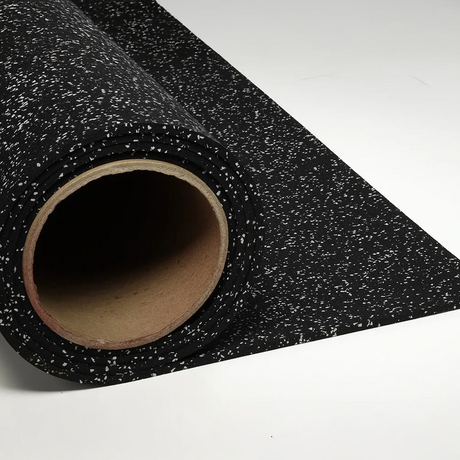
Rolled Rubber:
- Costs slightly less upfront per square foot
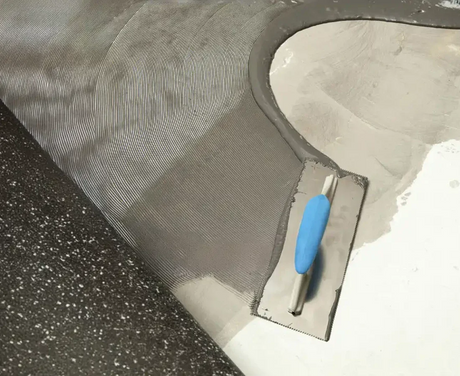
- Becomes a permanent fixture — 99% of facilities need to glue rolls down
- Harder and costlier to install professionally
-
Rubber Tiles:
- Cost slightly more upfront per square foot
- Not a permanent fixture — most facilities don't glue tiles down
- Easier and more cost-effective to install (DIY-friendly)
Both options are available in our ECORE Athletic collection, which includes commercial-grade rubber flooring in various thicknesses and formats.
Maximizing the Lifespan of Your Gym Flooring
Once you've invested in quality gym surfaces, maintenance is key to ensuring they last:
- Spot Clean Regularly: Stay ahead of spills to prevent staining or surface damage. ECORE E-Cleaner is fragrance-free, non-toxic, and won't damage or dull your floor.
- Deep Clean Periodically: Use appropriate cleaning solutions to keep flooring sanitized and performing at its best. ECORE E-Strip handles deep cleaning and buildup removal.
- Protective Measures: Place mats under heavy machinery for extra cushioning. Vary flooring thickness based on zone — cardio areas vs. free-weight areas with dropped weights.
- Consider Sustainability: For eco-conscious buyers, eco-conscious athletic flooring from ECORE provides a sustainable and durable solution for fitness facilities.

Frequently Asked Questions About Gym Flooring
1. Which type of gym flooring is best for weightlifting?
Rubber gym flooring is the best choice for weightlifting due to its durability, shock absorption, and noise reduction. Weightlifting can be done on both rolled rubber and rubber tiles — the key is choosing a floor thick enough to protect the foundation, protect the weights being dropped, and provide appropriate acoustical properties. Other factors to consider:
- Shock Absorption: Protects both your floor and equipment.
- Safety: Slip-resistant, even during intense workouts.
- Cost: An 8mm thick tiled floor works in many settings without high cost, while a 22.5mm thick rolled rubber 2-layer system provides substantially more protection at a higher price point.
2. What is the best gym flooring for home gyms?
The best gym flooring for home gyms depends on your workout style:
- Rubber Flooring — Best for durability, shock absorption, and heavy weights.
- Foam Tiles — Great for bodyweight exercises and light workouts.
- Vinyl Flooring — Easy to clean, water-resistant, and versatile.
- Turf Flooring — Ideal for sled pushes and agility training.
For most home gyms, 8mm rubber interlocking tiles offer the best balance of protection and stability.
3. How does rubber gym flooring compare to foam mats?
Rubber gym flooring and foam mats serve different needs:
| Feature | Rubber Flooring | Foam Mats |
|---|---|---|
| Durability | High (ideal for heavy equipment) | Moderate (better for light exercises) |
| Shock Absorption | Excellent | Good |
| Best Use | Weightlifting and heavy workouts | Yoga, Pilates, and light stretches |
| Price | Higher | More affordable |
Choose rubber for durability and foam for comfort, depending on your workout needs.
4. How thick should gym flooring be?
Ideal thickness depends on your workout type:
- 3-5 mm: Light fitness activities like stretching or yoga.
- 8-12 mm: General home gym use, including cardio equipment.
- 15 mm or more: Heavy weightlifting and commercial gym environments.
Thicker flooring provides better shock absorption and protection for intense workouts.
5. What are the benefits of using gym flooring mats?
Gym flooring mats provide targeted protection and flexibility:
- Portability: Easy to move and rearrange based on your layout.
- Targeted Protection: Great for high-impact areas or under equipment.
- Cushioning: Adds comfort for stretching or bodyweight training.
Mats are a cost-effective way to improve your gym's safety and usability.
6. How do I clean and maintain gym flooring?
Proper maintenance ensures longevity:
- Daily: Sweep or vacuum to remove dust and debris.
- Weekly: Use a damp mop and gentle cleaner to sanitize the surface.
- Spot Cleaning: Address spills immediately to prevent staining.
- Protective Measures: Place mats under heavy equipment to reduce damage.
With regular care, gym flooring can last for years while staying clean and safe.
7. Is rubber flooring worth the investment?
Yes, absolutely. Would you rather spend a little more to get a quality floor and peace of mind knowing your facility, equipment, and the people in your facility are protected? Or would you rather save upfront and find out later that your facility is being damaged, your equipment is taking a beating, and your clientele is getting hurt?
For commercial and light commercial facilities, buying the proper floor is one of the best investments you can make.
8. Can I install gym flooring myself?
Yes, depending on the type:
- Rubber Tiles: Interlocking tiles are easy to install without adhesives.
- Rolls: Can be secured with double-sided tape in some settings, but most facilities should use experienced installers to glue rolls down properly.
- Mats: No installation needed — simply place them where you want. Fair warning: these things are heavy, so prepare for a workout just positioning them.
Create the Foundation for Your Fitness Goals
Your gym flooring is the key to a safe, productive, and professional workout atmosphere. From cushioning joints during intense sessions to protecting equipment and improving the look of your space, the right flooring does far more than most people realize. It impacts performance, safety, and the overall training environment.
Every rep, every stretch, every achievement begins beneath your feet. At Blue Sky Fit Supply, we help you make the flooring choice that matches your goals. Whether you're outfitting a home gym or building a commercial facility, we offer a wide range of options tailored to your needs.
Browse our full selection of premium gym flooring to find the right fit. For product-specific guidance, explore the ECORE Athletic collection or contact our team for personalized recommendations.