

Table of Contents:
- Why Fire Station Saunas Are Becoming Essential Safety Equipment
- Infrared vs. Traditional: Which Firefighter Sauna Type Works Best
- Fire Station Sauna Sizing: From Single-User to Multi-Shift Capacity
- Fire Station Sauna Costs: Budget Planning and AFG Funding Strategies
- Installation Planning: What Fire Chiefs Need to Know
- Frequently Asked Questions
- Investing in Firefighter Health: The Bottom Line on Fire Station Saunas
The facts hit hard: firefighters face a 9% higher risk of cancer diagnosis and a 14% higher death rate from cancer compared to the general population. In 2023, the International Agency for Research on Cancer classified occupational exposure as a firefighter as carcinogenic to humans — a Group 1 classification that puts firefighting in the same category as asbestos and tobacco smoke.
But progressive fire departments aren't waiting for more studies.
Minneapolis and St. Paul fire departments are leading a quiet revolution in firefighter wellness, installing commercial-grade fire station saunas as essential safety equipment. Minneapolis has already placed three-person infrared saunas at five stations, while St. Paul is funding groundbreaking research on sauna-based detoxification protocols. These aren't luxury amenities — they're strategic investments in cancer prevention and cardiac health that could redefine how we protect our first responders.
This guide breaks down everything fire chiefs need to know about selecting, sizing, and installing the right commercial sauna system for their stations. From understanding why residential units fail in fire station environments to navigating AFG funding strategies, we'll cover the technical details that determine whether your sauna investment becomes a game-changing wellness tool or an expensive maintenance headache.
Why Fire Station Saunas Are Becoming Essential Safety Equipment
Traditional decontamination stops at the skin. That's the problem.
Firefighters absorb harmful chemicals including polycyclic aromatic hydrocarbons (PAHs) through their skin during fires, according to a 2017 University of Ottawa study by Dr. Blais. Researchers found 3-5 times more PAH byproducts in firefighters' urine after fire suppression activities — clear evidence that toxins penetrate beyond what surface decontamination can reach.
Current protocols focus on washing gear and showering within the hour after fire calls. These measures are critical and proven effective for surface contamination. However, they can't address the deeper tissue absorption that occurs during extended fire suppression activities when protective equipment is compromised or overwhelmed by extreme conditions.
Saunas bridge this gap through induced hyperthermia and deep sweating. The Minneapolis Fire Department's decision to install three-person infrared saunas at Stations 6, 7, 11, 14, and 17 reflects growing recognition that firefighter saunas can supplement traditional decon by encouraging elimination of toxins that have already entered the body. Heat stress triggers physiological responses that may help mobilize and eliminate stored toxins through enhanced sweating and improved circulation.
The cardiac benefits add another layer of protection. More than half of firefighter fatalities on duty are sudden cardiac deaths, according to NFPA data. Research published in the Journal of the American Medical Association found that regular sauna use (4-7 times per week) showed a 63% reduction in sudden cardiac death among men. For a profession where cardiovascular events claim more lives than fires and building collapses combined, this cardiac protection could be lifesaving.
St. Paul Fire Department is taking the research further, funding a study by Dr. Zeke McKinney at HealthPartners Institute specifically examining whether saunas can help firefighters flush out cancer-causing toxins. This research recognizes that firefighters need evidence-based wellness tools, not just theoretical benefits. The alarming statistics show 247 firefighter cancer deaths versus only 64 from other causes, highlighting the urgent need for comprehensive cancer prevention strategies.
The key is positioning saunas correctly: as a supplement to, not replacement for, proven decontamination protocols. Fire departments implementing sauna programs emphasize that proper gear cleaning, immediate post-fire showers, and established safety procedures remain the foundation of cancer prevention. Saunas add an additional layer of protection by potentially addressing toxins that slip past primary defenses.
Infrared vs. Traditional: Which Firefighter Sauna Type Works Best
Minneapolis chose infrared. There's a reason.
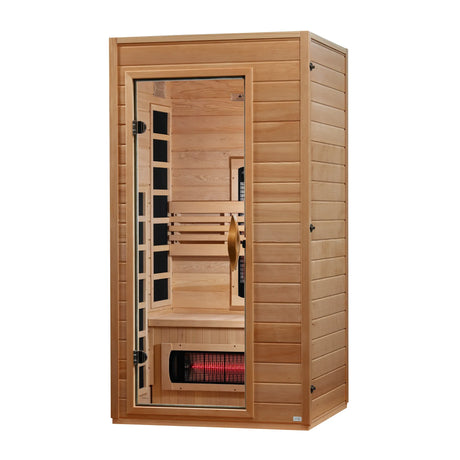
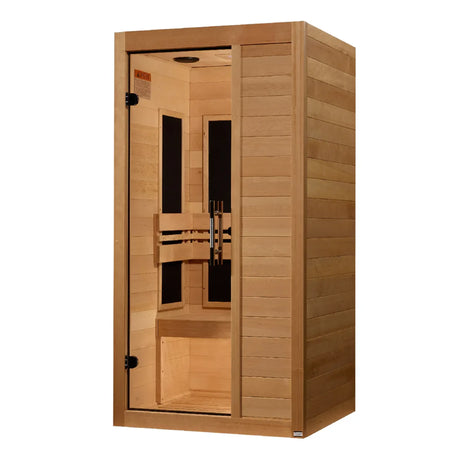
The Minneapolis Fire Department installed three-person infrared saunas at five fire stations specifically for firefighter detoxification after fire calls. This wasn't a random choice — infrared saunas offer practical advantages for post-call protocols that traditional steam saunas can't match.
Infrared saunas operate at 120-150°F compared to traditional saunas' 150-195°F temperatures. From our experience distributing both types, this temperature difference matters significantly for firefighters who may already be overheated from suppression activities. Lower temperatures allow longer sessions (20-30 minutes vs. 10-15 minutes) that potentially enhance detoxification without adding dangerous heat stress to personnel who may already be dehydrated or exhausted.
| Feature | Infrared Sauna | Traditional Steam Sauna |
|---|---|---|
| Temperature Range | 120-150°F | 150-195°F |
| Session Time | 20-30 minutes | 10-15 minutes |
| Detox Effectiveness | Deep penetrating heat | Surface heat activation |
| Installation Complexity | Minimal - plug-in ready | Complex - requires steam generator |
| Maintenance Requirements | Low - annual heater inspection | High - steam system maintenance |
| Energy Efficiency | High - direct heat delivery | Lower - heat loss through steam |
| Post-Call Immediate Use | Excellent - 10 min warm-up | Poor - 30+ min steam-up time |
Installation complexity heavily favors infrared systems for fire stations. Traditional saunas require steam generators, water lines, drainage, and complex ventilation systems. Infrared units are essentially plug-in appliances that need only electrical connections. For fire stations where downtime during installation must be minimized, infrared systems can often be installed and operational within a single shift.
Maintenance demands create ongoing operational differences. Traditional steam saunas require regular steam generator maintenance, water system cleaning, and humidity control system servicing. Fire departments already manage complex equipment inventories — adding high-maintenance sauna systems strains resources. Infrared saunas need annual heater inspections and occasional wood treatment, but lack the mechanical complexity that drives up maintenance costs.
The immediate-use factor matters most for post-call protocols. Firefighters returning from calls need quick access to detoxification tools. Infrared saunas reach operating temperature in 10-15 minutes, while traditional saunas need 30-45 minutes to generate proper steam conditions. This time difference determines whether saunas become practical wellness tools or unused equipment that's "never ready when we need it."

Fire Station Sauna Sizing: From Single-User to Multi-Shift Capacity
Size wrong, and your sauna becomes a bottleneck. Size right, and it becomes indispensable.
Fire stations need to balance immediate post-call detox use with ongoing wellness benefits for stress management. From our experience outfitting fire stations, the sweet spot is typically a 4-person infrared sauna — large enough for post-call group detox but not so large that it becomes impractical for individual wellness use during downtime.
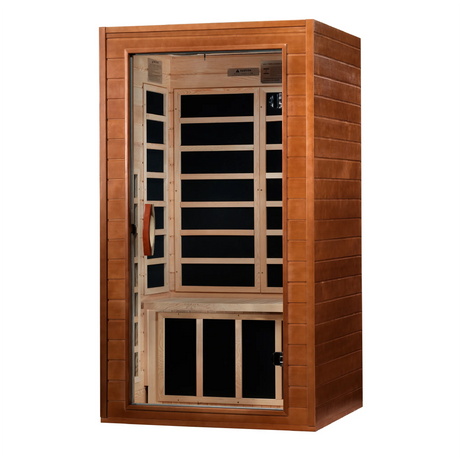
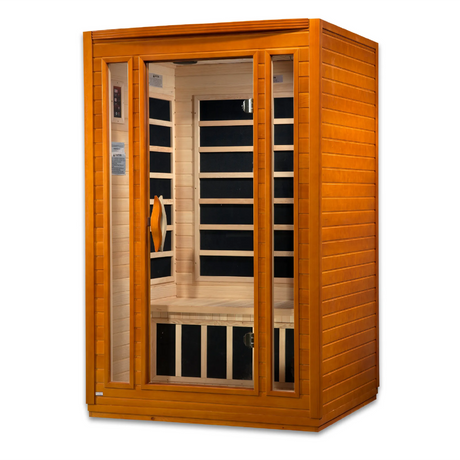
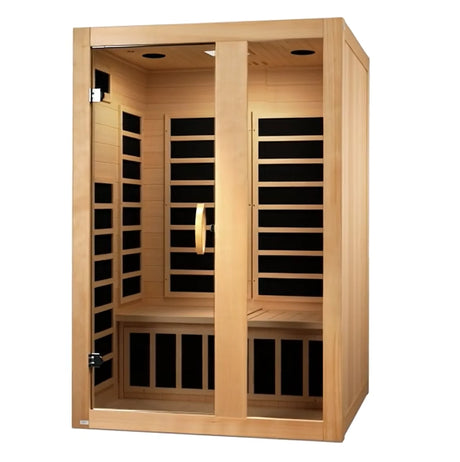
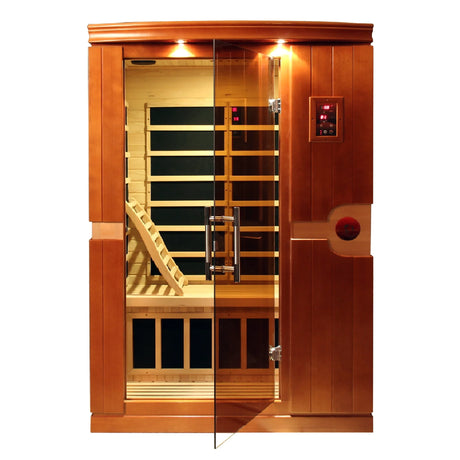
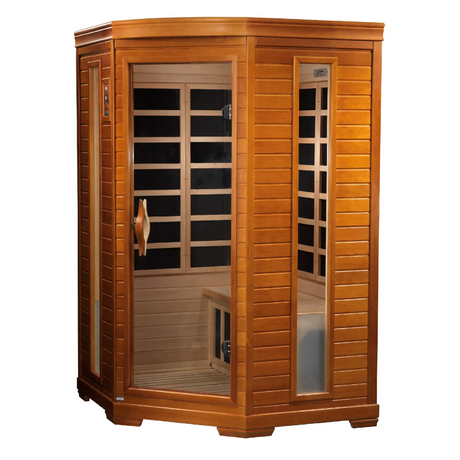
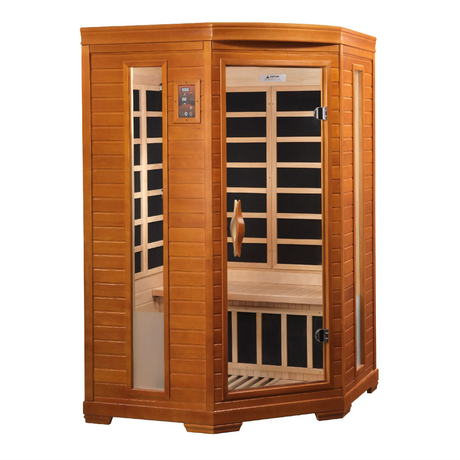
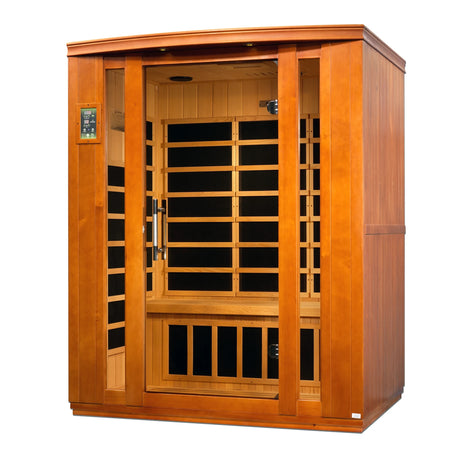
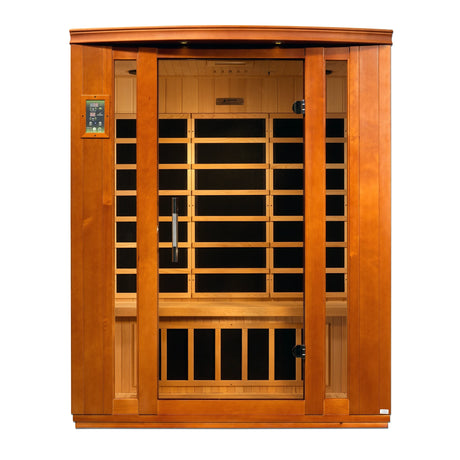
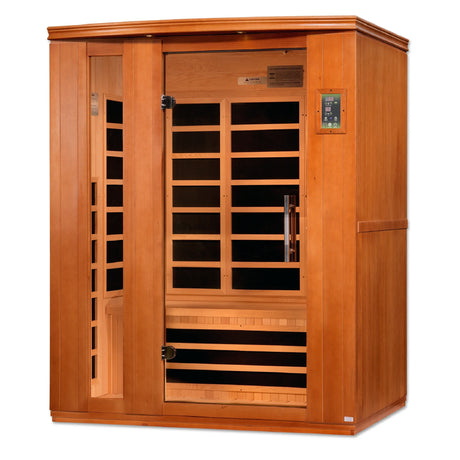
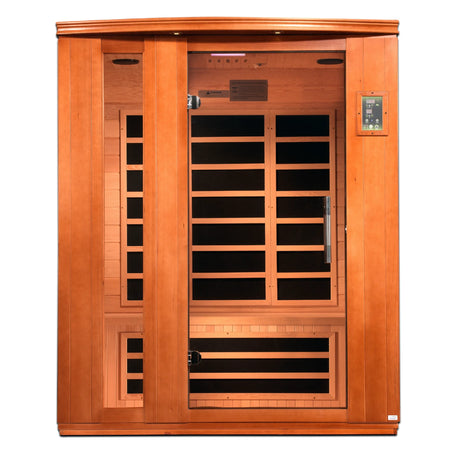
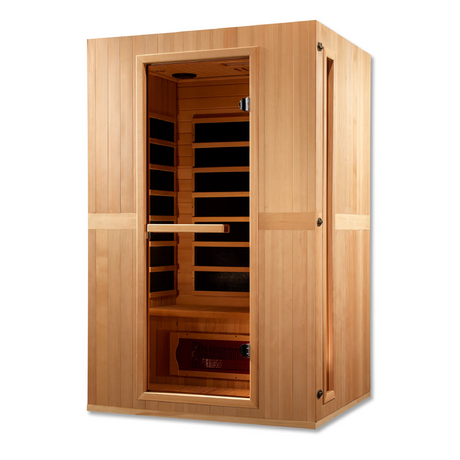
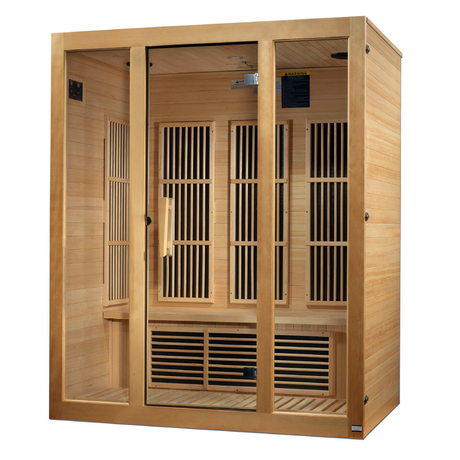
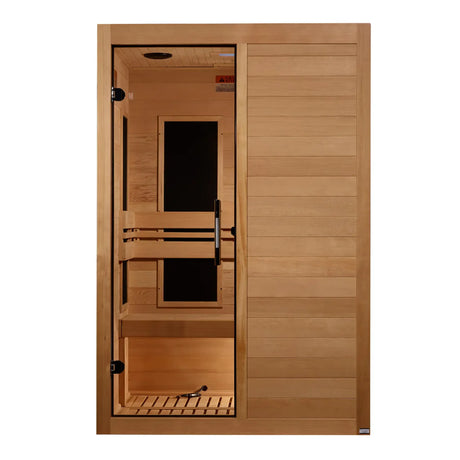
Three-person configurations work for smaller stations (single engine companies) but create scheduling conflicts when multiple firefighters need post-call detox simultaneously. For departments requiring this capacity, models like the Dynamic Lugano FAR Infrared Sauna provide the space and heating power needed for multiple users. Six-person units handle larger departments but consume valuable station space and require significantly more electrical capacity — often necessitating expensive panel upgrades in older buildings.
Calculate sizing based on shift patterns and call volume. A busy urban station running 15+ calls per shift needs capacity for 3-4 firefighters to use the sauna immediately after major structure fires. Suburban stations with lower call volumes can optimize for individual wellness use and smaller post-call groups. The key metric is ensuring that no firefighter waits more than 30 minutes for sauna access after potential carcinogen exposure.
Space requirements vary dramatically by configuration. A 3-person infrared sauna needs roughly 6x6 feet of floor space plus clearance for door swing and maintenance access. Four-person units typically require 7x7 feet, while 6-person configurations need 8x10 feet minimum. These footprints assume corner installation — island placement requires additional clearance on all sides.
Commercial saunas need 1 kW of heating power per 50 cubic feet of interior space, with high-traffic facilities requiring 20-25% more capacity than standard calculations. A typical 4-person sauna (roughly 200 cubic feet interior) needs 4-5 kW heating capacity in fire station applications. This translates to dedicated 220V, 30-amp electrical service — beyond what most station electrical systems can provide without upgrades.
Ventilation planning scales with sauna size and usage patterns. Larger saunas generate more heat load that affects surrounding spaces. Fire stations with saunas adjacent to sleeping quarters need robust air handling to prevent heat migration that disrupts rest periods. The rule of thumb: plan for 6-8 air changes per hour in the sauna space, with heat recovery systems in climate-controlled stations to manage energy costs.
Location within the station affects sizing decisions. Saunas near apparatus bays face temperature extremes when bay doors open during winter calls. Units in climate-controlled areas can operate more efficiently with smaller heating systems. Privacy considerations also matter — saunas visible from public areas need larger configurations to accommodate partial privacy barriers, while secluded locations can optimize purely for functional capacity.
Fire Station Sauna Costs: Budget Planning and AFG Funding Strategies
Equipment costs represent just half the total investment. The other half catches departments unprepared.
Commercial saunas typically cost $5,000-$15,000+ for equipment, depending on size and features. A quality 3-person infrared unit starts around $4,000, while 6-person traditional saunas can exceed $12,000. However, installation costs often equal or exceed equipment costs due to electrical upgrades, ventilation requirements, and ADA compliance modifications.
Total project budgets range from $7,000 for simple 3-person infrared installations in newer stations to $30,000+ for multi-unit traditional sauna systems in older buildings requiring electrical panel upgrades. The variables that drive costs include existing electrical capacity, HVAC integration requirements, and structural modifications for ADA compliance.
Assistance to Firefighters Grant (AFG) funding may cover sauna installations as firefighter safety equipment. The key is framing the request around cancer prevention and cardiac health rather than general wellness. AFG applications succeed when they demonstrate clear connections between equipment and reduced injury/illness rates. Document your department's cancer rates, cardiac incidents, and healthcare costs to build a compelling case. The complete guide to fire station sauna installation and funding provides detailed strategies for securing AFG grants and other funding sources.
Return on investment calculations should include avoided healthcare costs and reduced workers' compensation claims. The International Association of Fire Chiefs estimates that firefighter cancer costs average $200,000+ per case when including treatment, disability, and replacement personnel expenses. If a sauna program prevents even one cancer case over 10 years, it pays for itself many times over.
Ongoing operational costs remain minimal for infrared saunas — typically $20-50 monthly in electricity depending on usage patterns and local utility rates. Traditional steam saunas consume more energy and require periodic maintenance contracts that can add $500-1,000 annually. Factor these ongoing costs into long-term budget planning, but recognize they're insignificant compared to potential healthcare savings.
Financing options include municipal bonds for larger projects, equipment leasing for budget-constrained departments, and phased installation plans that spread costs across multiple budget years. Some departments partner with local healthcare systems or cancer support organizations for partial funding, positioning saunas as community health investments that benefit all first responders.
Installation Planning: What Fire Chiefs Need to Know
Location selection determines success or failure. Choose poorly, and your sauna becomes an expensive storage closet.
Fire departments need minimum 150A electrical capacity for multi-unit sauna installations, but most stations built before 2000 lack adequate electrical infrastructure. Schedule electrical assessments early in planning — panel upgrades and new circuit installation can add 6-8 weeks to project timelines and thousands to budgets.
ADA compliance requirements affect placement and design. Commercial saunas require ADA compliance with door widths of at least 32 inches, adequate turning space, and accessible seating areas. This means saunas can't be placed in areas with steps, narrow corridors, or inadequate maneuvering space. Many fire stations need doorway modifications or ramp installations to achieve compliance.
Ventilation integration with existing HVAC systems requires professional engineering input. Saunas generate significant heat loads that can overwhelm residential-grade air handling systems common in older fire stations. Plan for supplemental exhaust fans, heat recovery systems, or zone isolation to prevent sauna heat from affecting living quarters and equipment areas.
Installation timelines vary based on complexity, but plan for 2-4 weeks minimum from delivery to operational status. Simple infrared units in electrically-ready locations can be installed in 2-3 days. Traditional saunas requiring steam systems, electrical upgrades, and HVAC modifications may need 3-4 weeks. Schedule installations during low-activity periods and have contingency plans for emergency responses during construction.
Ongoing maintenance access affects long-term operational costs. Saunas installed in tight spaces become expensive to service when heating elements fail or control systems need replacement. Ensure adequate clearance on at least two sides for maintenance access, and avoid locations where future building modifications could trap equipment.
Consider operational workflow when selecting placement. Saunas near locker rooms and showers create efficient post-call decontamination sequences. Units isolated from changing facilities reduce usage because firefighters won't walk through public areas in towels. The best locations provide privacy for changing, convenient access to showers, and isolation from public/administrative areas.
Frequently Asked Questions
1. How often should firefighters use the sauna after fire calls?
Post-call sauna use should follow department protocols developed with medical oversight. Many departments implementing sauna programs recommend 15-20 minute sessions within 2 hours of carcinogen exposure, but this varies based on individual health status, hydration levels, and environmental conditions. Saunas should be viewed as a supplement, not substitute, for proven cancer-prevention measures like proper decontamination protocols.
2. What's the difference between infrared and traditional saunas for firefighter detox?
Infrared saunas operate at lower temperatures (120-150°F) compared to traditional saunas (150-195°F), allowing longer detox sessions. Infrared heat penetrates deeper into tissues and requires only 10-15 minutes to reach operating temperature, making them more practical for immediate post-call use. Traditional saunas require 30-45 minutes to generate proper steam conditions and need complex steam systems and maintenance.
3. How long does installation typically take for fire station saunas?
Installation timelines depend on electrical infrastructure and sauna type. Infrared saunas in electrically-ready locations typically install in 2-3 days. Traditional steam saunas require 1-2 weeks for complete installation. Factor additional time for electrical upgrades (2-3 weeks), permits (varies by jurisdiction), and HVAC modifications (1-2 weeks). Total project timelines range from 3 weeks to 3 months depending on complexity.
4. What ongoing maintenance is required for fire station saunas?
Infrared saunas need annual heater inspections, periodic wood treatment (every 2-3 years), and basic cleaning after each use. Traditional saunas require steam generator maintenance every 6 months, water system flushing, and humidity sensor calibration. Most departments can handle routine maintenance in-house, but complex repairs require qualified technicians familiar with commercial-grade equipment.
5. Can existing fire stations retrofit saunas without major construction?
Most fire stations can accommodate sauna installations with proper planning. The limiting factors are electrical capacity, available space, and ADA accessibility requirements. Older stations may need significant electrical upgrades to provide 220V, 30-50 amp service, while newer facilities often have adequate infrastructure. Space constraints affect sauna size selection, but creative placement solutions work for most layouts.
6. What safety protocols should departments establish for sauna use?
Establish maximum session times (20-30 minutes for infrared, 15 minutes for traditional), mandatory hydration requirements, and medical clearance procedures for personnel with cardiovascular conditions. Post signs with emergency procedures, install emergency communication systems, and ensure someone knows when personnel are using the sauna. Regular maintenance schedules and safety equipment inspections prevent equipment failures that could create hazardous conditions.
7. How do you measure ROI on firefighter sauna equipment investments?
Track metrics including cancer diagnosis rates, cardiovascular incidents, workers' compensation claims, and healthcare costs over 3-5 year periods. Survey personnel about stress levels, sleep quality, and overall wellness improvements. Document usage patterns to demonstrate equipment value and cost-per-use calculations. The International Association of Fire Chiefs estimates firefighter cancer costs average $200,000+ per case, making prevention investments highly cost-effective.
8. What electrical upgrades are typically needed for commercial fire station saunas?
Most commercial saunas require dedicated 220V circuits with 20-50 amp capacity depending on heater size and sauna dimensions. Older fire stations often need panel upgrades to provide adequate electrical capacity for high-duty cycle commercial units. Plan for GFCI protection, appropriate disconnect switches, and code-compliant wiring installed by licensed electricians familiar with high-temperature commercial applications.
Investing in Firefighter Health: The Bottom Line on Fire Station Saunas
The research is clear, the technology is proven, and progressive departments are already implementing solutions.
Nearly 30,000 firefighters studied in the largest U.S. firefighter cancer research confirm what Minneapolis and St. Paul fire departments recognized: traditional decontamination isn't enough. With firefighters facing a 9% higher cancer diagnosis rate and 14% higher death rate than the general population, fire station saunas represent a logical evolution in firefighter safety equipment.
The key is choosing commercial-grade systems designed for fire station demands. Residential units fail under the duty cycles and multi-user requirements that define fire station environments. Quality commercial saunas require significant upfront investment but provide decades of reliable operation when properly specified and maintained.
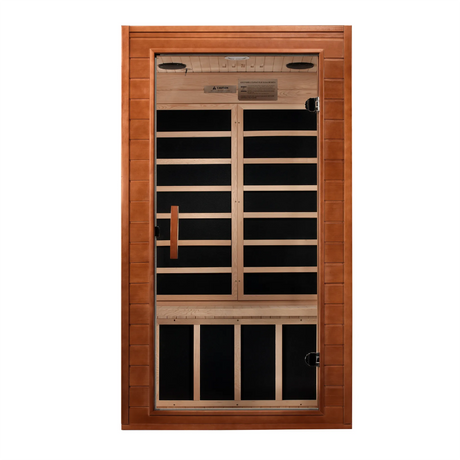
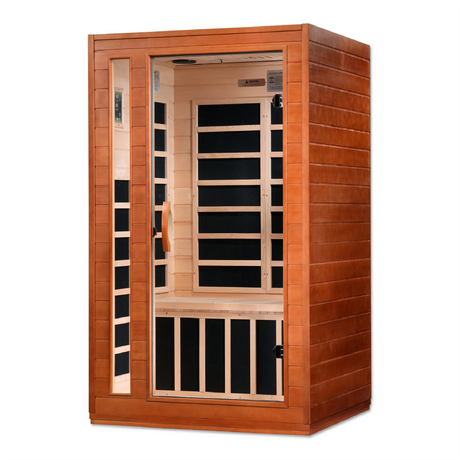
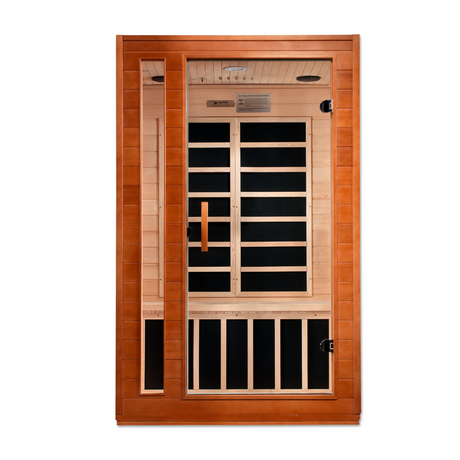
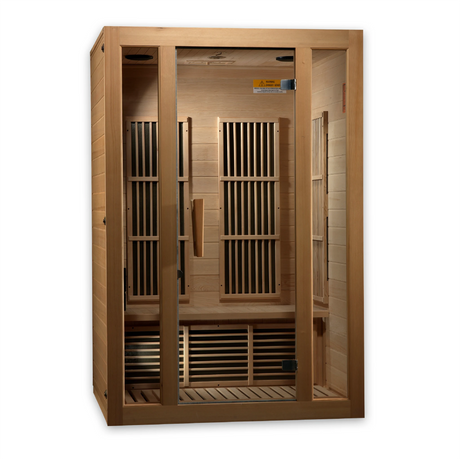
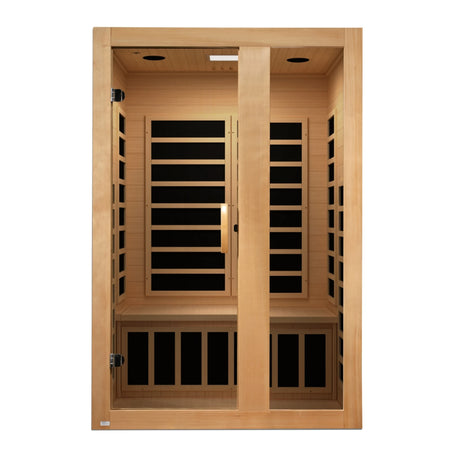
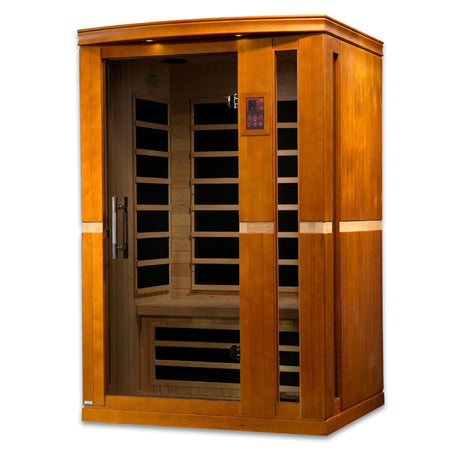
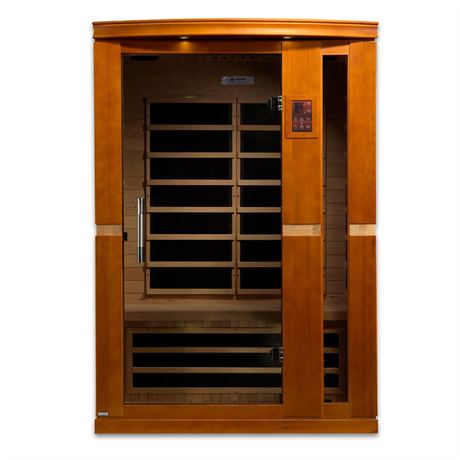
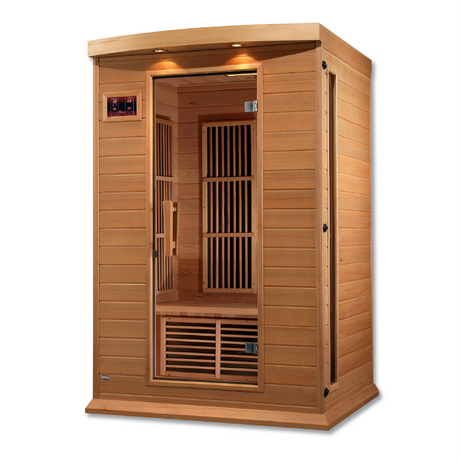
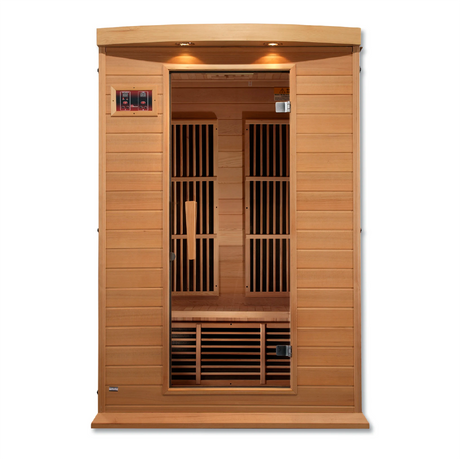
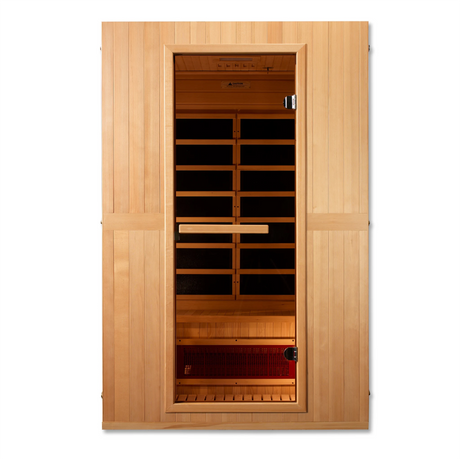
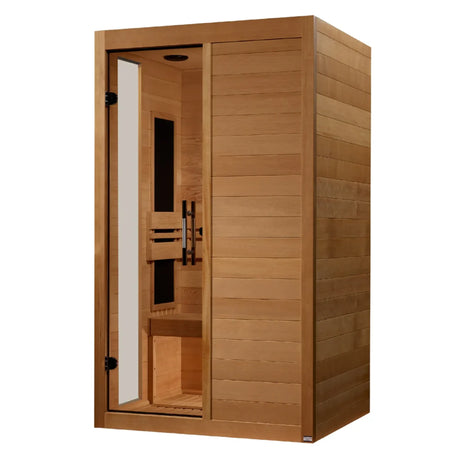
Fire chiefs ready to explore sauna options for their departments should start with electrical assessments, space planning, and medical oversight protocols. For smaller stations, consider units like the Maxxus Frisco Full Spectrum Sauna that provide commercial-grade construction in a 2-person configuration. The goal isn't just buying equipment — it's implementing comprehensive wellness programs that give firefighters every possible tool to combat occupational cancer risks and cardiovascular threats.
At Blue Sky Fitness Supply, we work with fire departments nationwide to specify and install commercial sauna systems that meet the unique demands of first responder environments. Our experience with both infrared and traditional systems helps departments make informed decisions based on their specific needs, facility constraints, and budget parameters. Contact us to discuss how the right sauna system can become an essential component of your department's firefighter safety and wellness program.