

Table of Contents:
- The Hidden Crisis: Why Fire Station Saunas Are Becoming Essential Safety Equipment
- Commercial Sauna Requirements for Fire Stations: What You Need to Know
- Best Fire Station Sauna Types: Traditional vs Infrared vs Hybrid Options
- Installation Best Practices: Ventilation, Electrical, and Space Planning
- AFG Grant Funding for Fire Station Saunas: Your Complete Application Guide
- Frequently Asked Questions
- Investing in Your Team's Long-Term Health
Cancer claimed the lives of 72% of IAFF member firefighters who died in the line of duty during 2023. Research shows firefighters face a 9% higher cancer diagnosis risk and 14% higher cancer death risk than the general population. These aren't just statistics — they represent brothers and sisters who answered the call to protect their communities, only to face a silent killer that accumulated with every fire they fought.
However, progressive fire departments across the country are discovering a powerful ally in this battle.
The Minneapolis Fire Department recently installed saunas in five stations with plans to expand to all 19, recognizing that while departments have focused extensively on external protective equipment, the most critical protection might be internal detoxification. Fire station saunas aren't a luxury amenity — they're emerging as essential safety equipment that could save more firefighter lives than any external gear innovation. For a closer look at the cancer death statistics driving this movement, see our detailed breakdown of fire station saunas and the 247 firefighter cancer deaths vs 64 deaths from other causes.
This shift represents a fundamental change in how forward-thinking departments approach firefighter health. Traditional decontamination protocols focus on washing gear and showering after exposure, but carcinogenic particles penetrate skin and remain in the body long after the incident. Regular firefighter sauna use activates the body's natural detoxification pathways, helping eliminate these accumulated toxins before they can cause cellular damage.
The Hidden Crisis: Why Fire Station Saunas Are Becoming Essential Safety Equipment
The scope of firefighter cancer deaths demands immediate attention. Cancer caused 66% of career firefighter line-of-duty deaths from 2002 to 2019, making it the leading killer in the fire service. Even more sobering: 60% of career firefighters die from cancer, a rate that continues climbing as exposure to synthetic materials and chemical fires increases.

Traditional decontamination methods only address surface-level contamination. Firefighters absorb carcinogenic particles through their skin, respiratory system, and mucous membranes during fire suppression activities. These toxins — including benzene, formaldehyde, and polycyclic aromatic hydrocarbons — accumulate in fatty tissues and organs over time, creating a toxic burden that overwhelms the body's natural detoxification systems.
Sauna therapy offers a scientifically-backed solution to this accumulation problem. Heat stress triggers profuse sweating, which eliminates toxins through the skin — the body's largest organ. Unlike traditional showering, which only removes surface contaminants, sustained heat exposure mobilizes deep-tissue toxins and facilitates their elimination through sweat glands. For a broader look at how sauna therapy compares to other heat-based recovery modalities, our guide to sauna vs steam room vs cardio health benefits and differences covers the evidence across all three approaches.
The Minnesota Firefighter Initiative recommends 20-30 minute sauna sessions at least twice weekly at 170°F for optimal detoxification benefits. This protocol isn't arbitrary — it's based on research showing that consistent heat therapy enhances the body's natural detox pathways while providing secondary benefits like improved cardiovascular health and stress reduction.
Fire departments implementing firefighter sauna programs report additional benefits beyond cancer prevention. Crews experience better sleep quality, reduced chronic pain, and improved mental health — all critical factors for firefighters dealing with the physical and psychological demands of their profession. Sleep disruption, common among firefighters due to shift work and traumatic stress, responds particularly well to regular sauna use as heat therapy helps regulate cortisol levels and promote deeper sleep cycles.
The evidence supporting sauna use for firefighter health continues mounting. Departments investing in fire station saunas aren't just purchasing wellness equipment — they're implementing a proven intervention that addresses the leading cause of firefighter deaths. This paradigm shift from reactive medical treatment to proactive health protection represents the future of firefighter safety programs.
Commercial Sauna Requirements for Fire Stations: What You Need to Know
Fire stations require commercial saunas designed for high-traffic, continuous-use environments. Residential units won't survive the demands of a fire station where crews may log dozens of sessions weekly across multiple shifts.
The electrical requirements alone separate commercial from residential installations. Multi-unit installations require a minimum of 150A additional electrical capacity, according to commercial sauna specialists. Most fire stations built before 2010 lack this infrastructure, necessitating electrical service upgrades that can cost $15,000-$25,000 before the sauna installation even begins. As commercial fitness equipment distributors, we've seen departments struggle with undersized electrical systems — and it's worth noting that even a 2-person infrared sauna typically requires a dedicated 20-amp circuit, so larger commercial units demand considerably more planning. Always plan for 20% above calculated capacity to accommodate future expansion or higher usage than projected.
Commercial duty cycle ratings tell the real story about equipment durability. Commercial-grade saunas handle 12+ sessions per day, 365 days per year, while generic imported heaters designed for residential use typically max out at 3-4 sessions per week. Fire stations operating three shifts daily with crews rotating through sauna sessions need equipment rated for continuous commercial operation, not residential weekend use.
Building code compliance adds complexity but ensures safety and accessibility. Commercial sauna installations require commercial building permits with full architectural plans, ADA compliance for accessibility, commercial-grade ventilation systems, and often fire suppression integration. Three-phase electrical service (208V/3PH) becomes necessary for large commercial heaters, which most residential electrical panels cannot accommodate.
Space planning considerations unique to fire stations include proximity to sleeping quarters, apparatus bay access, and privacy for off-duty personnel. Successful installations typically require 120-150 square feet for a 4-6 person unit, plus additional space for changing areas and equipment storage. Ceiling height requirements vary by unit size but generally need 8-foot minimum clearance.
The ventilation system deserves special attention in fire station environments. Commercial installations require dedicated intake and exhaust systems separate from the building's HVAC. Proper ventilation prevents moisture problems that could damage the station's structure while maintaining comfortable conditions for sauna users. Many departments underestimate these ventilation requirements, leading to costly moisture-related repairs later.
Temperature control systems in commercial units offer precise regulation and safety features absent in residential models. Commercial controllers include automatic shut-off timers, temperature limiting, and emergency stops — essential features when multiple users access the unit across different shifts without direct supervision.
Maintenance access planning prevents future headaches. Commercial saunas require routine maintenance on heaters, controls, and ventilation systems. Planning accessible service panels and equipment placement during initial design saves thousands in service costs over the unit's lifetime. Our comprehensive overview of commercial sauna systems for firefighter wellness goes deeper on how to evaluate equipment specifications against the specific demands of fire station environments.
Best Fire Station Sauna Types: Traditional vs Infrared vs Hybrid Options
Traditional Finnish saunas deliver the classic high-heat experience at 150-195°F with low humidity. These units excel at promoting intense sweating and deep tissue heating, making them ideal for toxin elimination protocols. The high temperatures create the thermal stress needed to activate heat shock proteins and enhance the body's natural detoxification pathways. For stations with outdoor space and larger crew sizes, purpose-built outdoor traditional units like the Golden Designs Klosters Traditional Steam Sauna (6-person outdoor model) offer the high-heat performance departments need without consuming valuable interior square footage.
Infrared saunas operate at lower temperatures (120-150°F) while penetrating deeper into tissue. For firefighters dealing with fragmented sleep cycles and chronic stress, infrared saunas address these issues by lowering cortisol levels and stimulating serotonin release. The gentler heat makes longer sessions more comfortable, allowing firefighters to achieve therapeutic benefits without the intensity some find uncomfortable in traditional units. For additional insights on how infrared saunas specifically benefit firefighter health, comprehensive protocols have been developed that optimize exposure time for maximum detoxification benefits.
Material selection impacts both durability and user experience in high-traffic environments. Western Red Cedar and clear Hemlock are superior choices for fire station environments due to their durability in humid conditions and resistance to warping under constant temperature cycling. Canadian hemlock in particular is hypoallergenic, resists warping, and doesn't off-gas at high temperatures — an important consideration for firefighters whose respiratory health is already under occupational stress. These woods also resist bacterial growth and maintain their structural integrity under the heavy use typical in fire station settings.
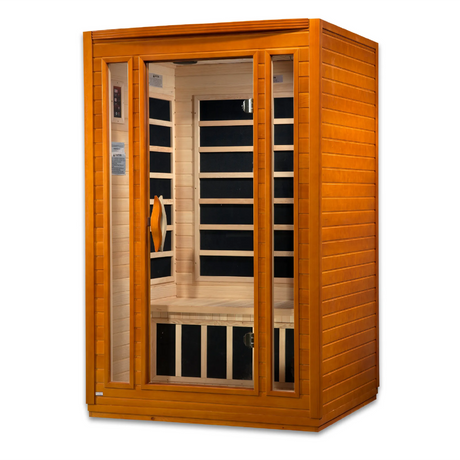
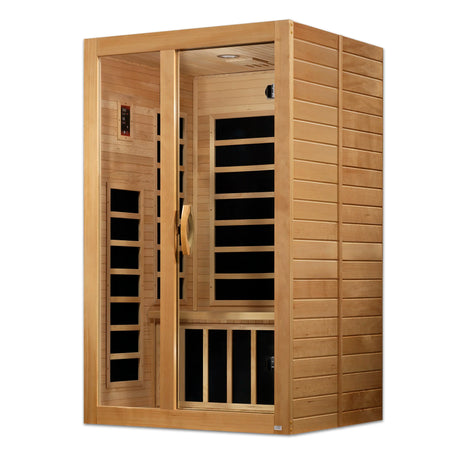
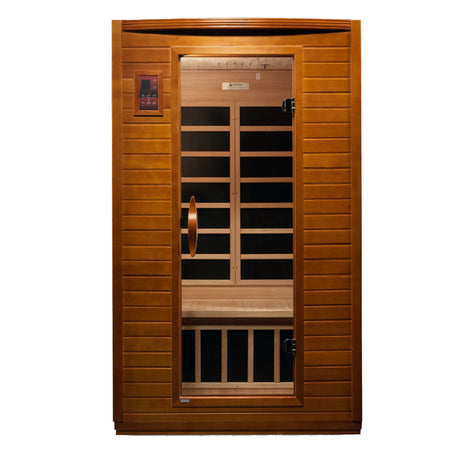
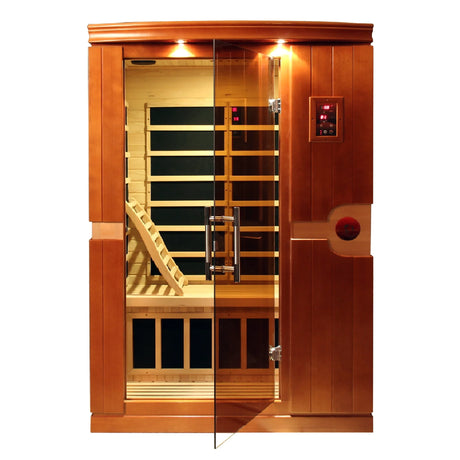
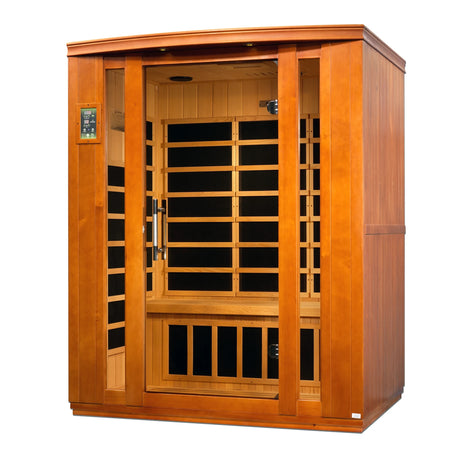
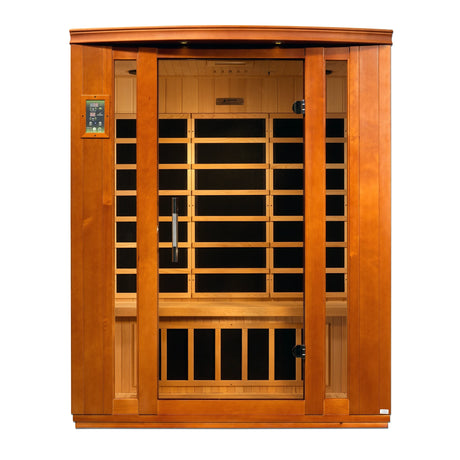
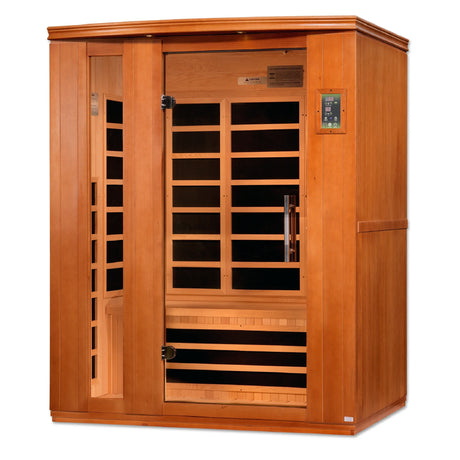
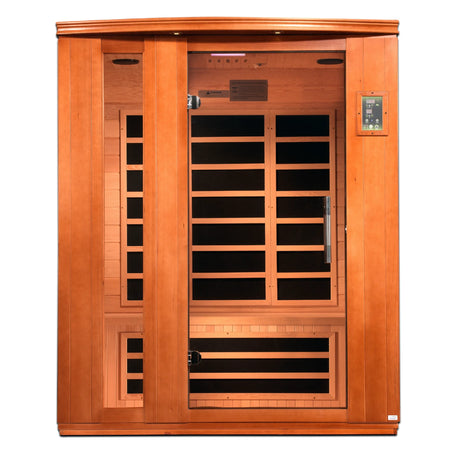
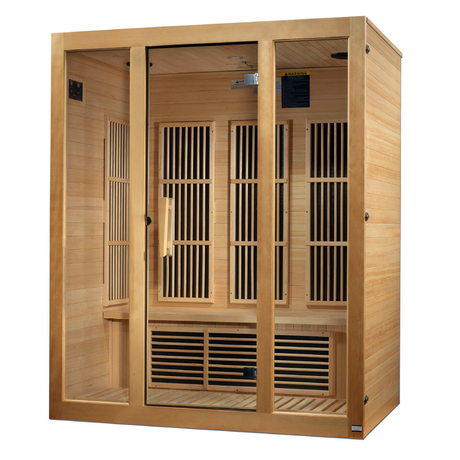
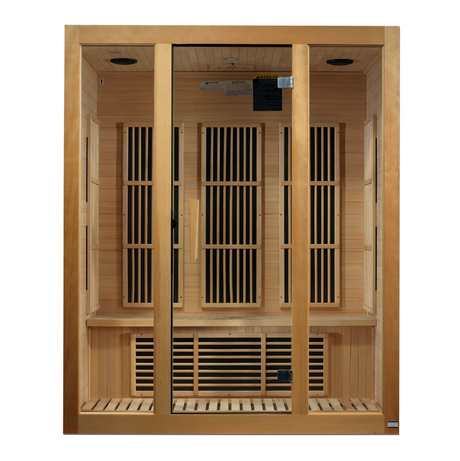
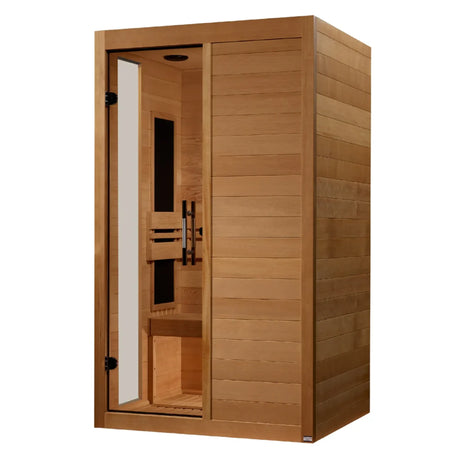
Hybrid units combining both heating methods offer the most flexibility for diverse crew preferences. Fire stations should consider hybrid saunas offering both infrared and traditional heating for crew preference diversity. Some firefighters prefer the intense heat of traditional saunas after exposure incidents, while others benefit more from infrared's gentle penetrating heat for daily stress relief and sleep improvement. Models like the Dynamic Bellagio FAR Infrared Sauna offer 3-person capacity that works well for fire station crews.
In our experience supplying fire departments, hybrid units offer the best value proposition. Traditional sauna users get their high-heat experience while stressed firefighters can use lower-temperature infrared for sleep and recovery benefits. This flexibility maximizes utilization rates and ensures the investment serves the entire department's varied needs. That said, hybrid systems do carry higher maintenance demands than single-mode units — something to weigh honestly against your department's maintenance capacity before committing.
Maintenance requirements vary significantly between unit types. Traditional saunas require rock replacement every 2-3 years and heater element monitoring, while infrared units need periodic emitter panel cleaning and electrical connection checks. Hybrid systems combine both maintenance schedules but offer redundancy — if one heating system fails, the unit remains functional.
| Feature | Traditional Finnish | Infrared | Hybrid |
|---|---|---|---|
| Operating Temperature | 150-195°F | 120-150°F | 120-195°F |
| Session Duration | 15-20 minutes | 30-45 minutes | 15-45 minutes |
| Power Requirements | 6-9 kW | 1.6-3.2 kW | 3.2-12 kW |
| Maintenance Level | Moderate | Low | Moderate-High |
| Best For | Detoxification | Stress/Sleep | All Applications |
| Installation Complexity | High | Medium | High |
| Typical Cost Range | $6,000-15,000 | $3,000-12,000 | $8,000-20,000 |
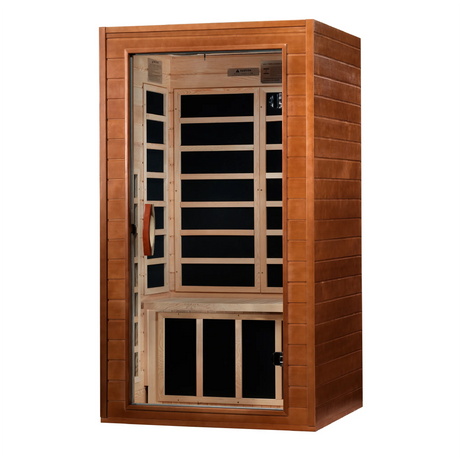
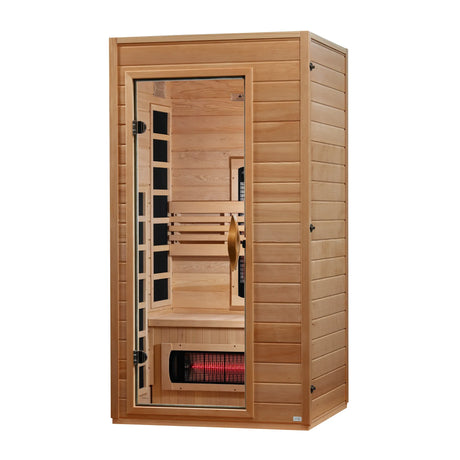
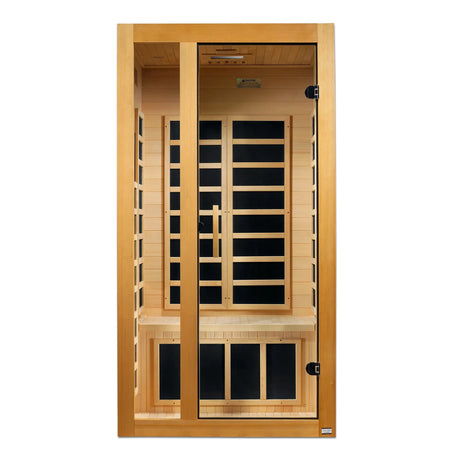
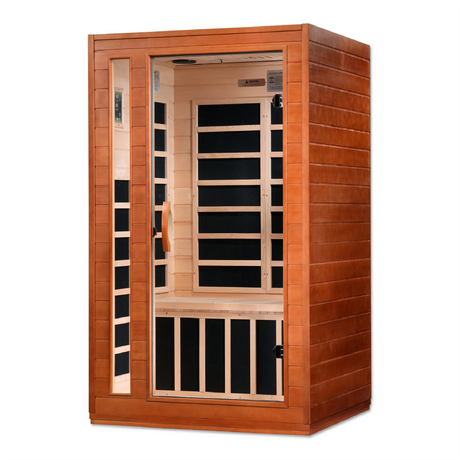
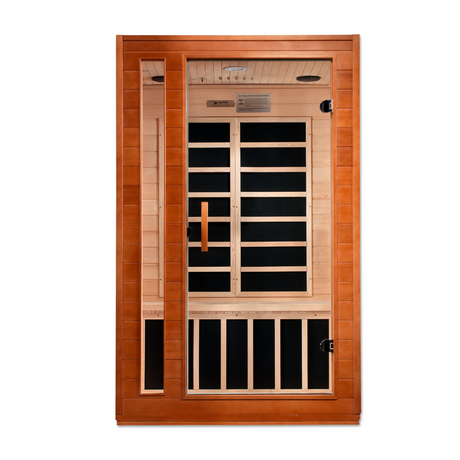
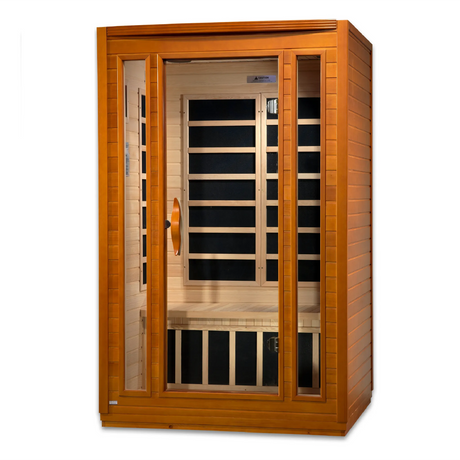
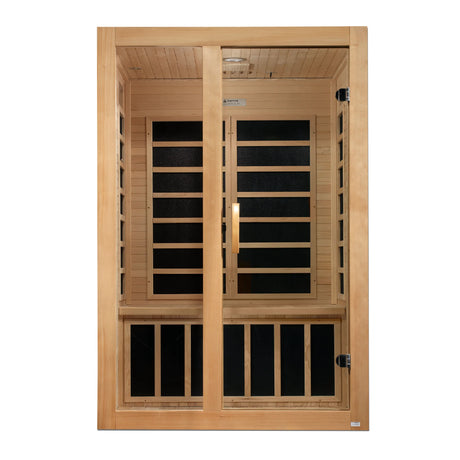
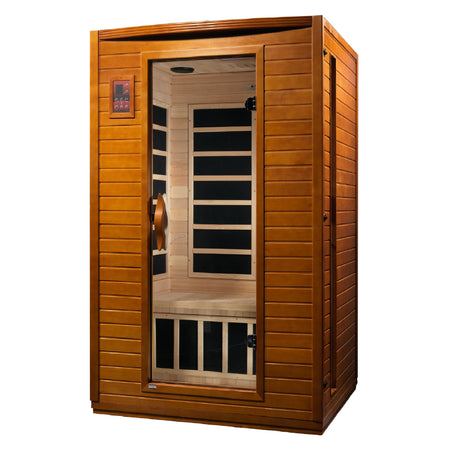
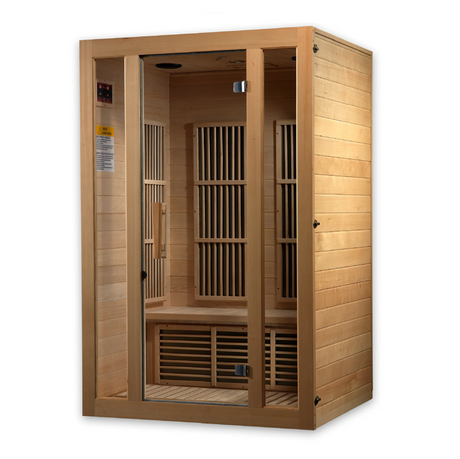
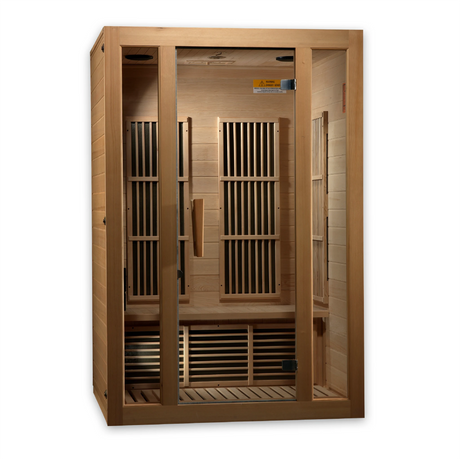
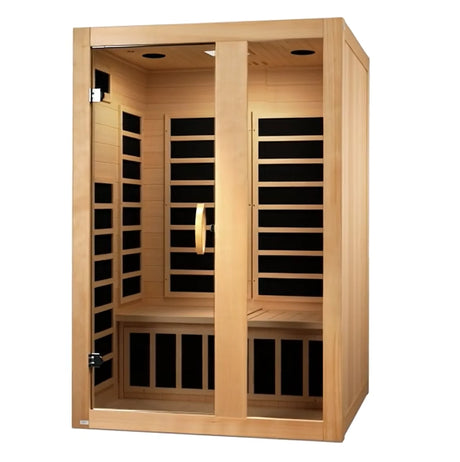
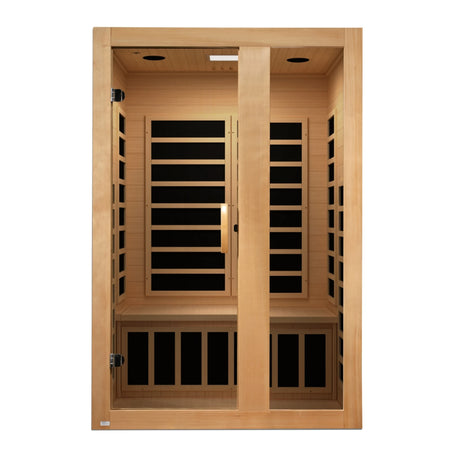
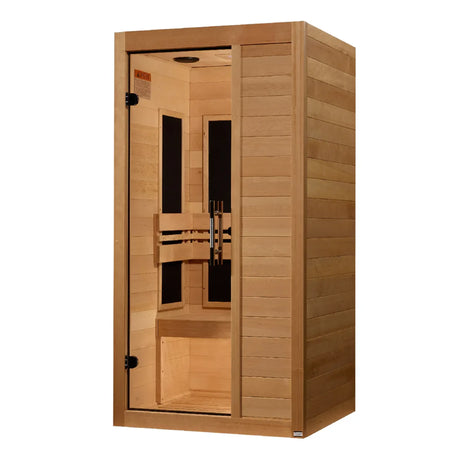
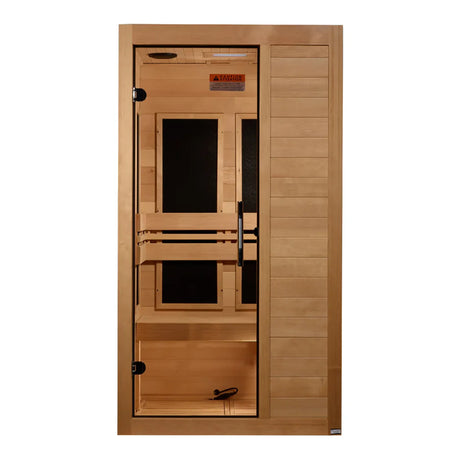
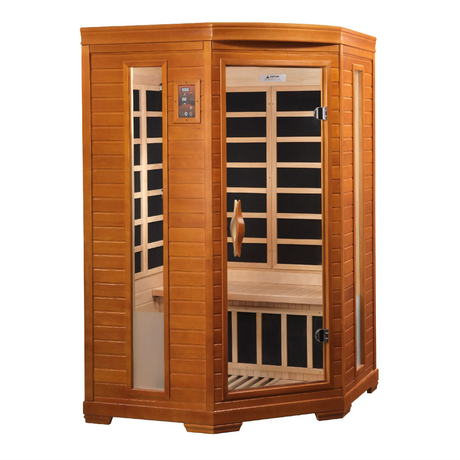
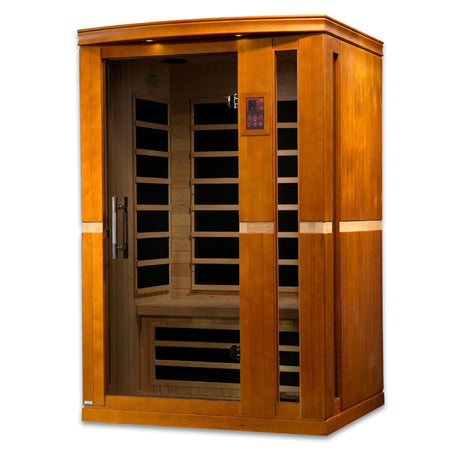
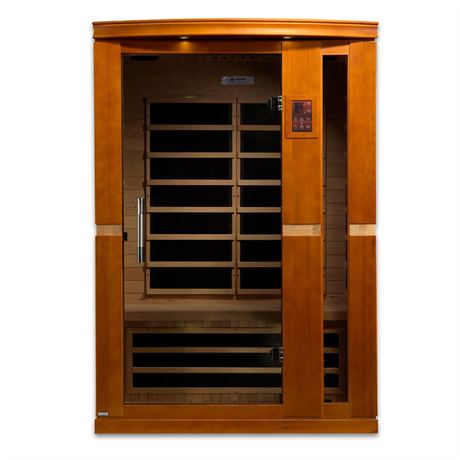
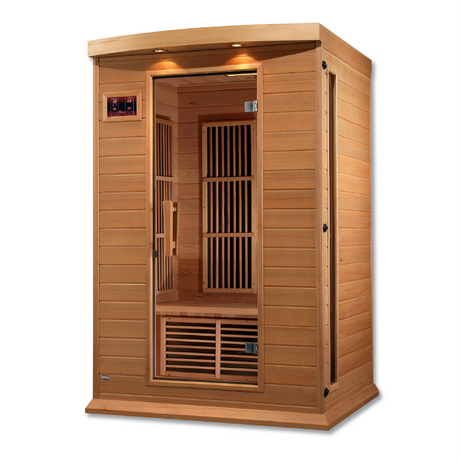
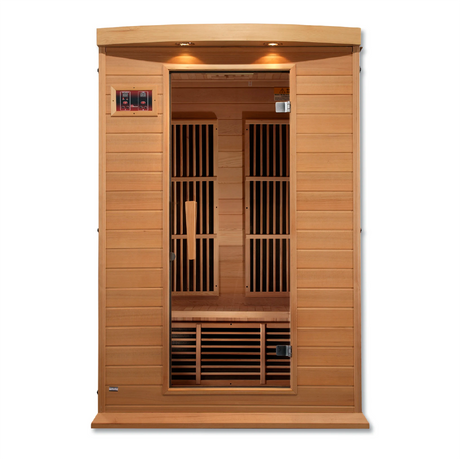
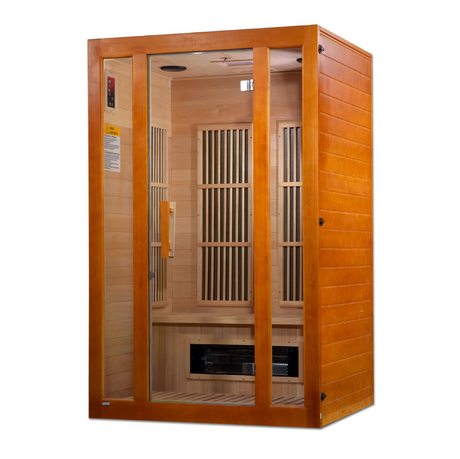
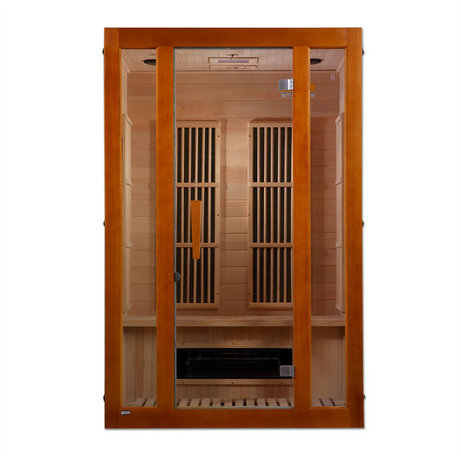
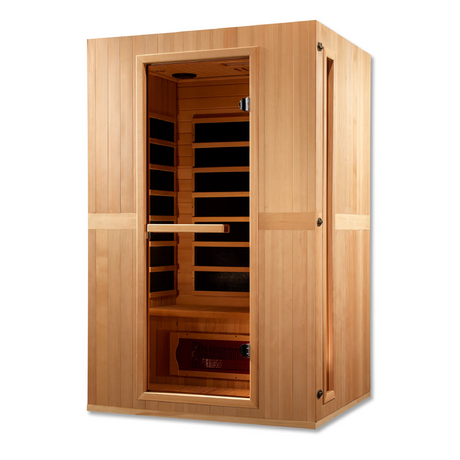
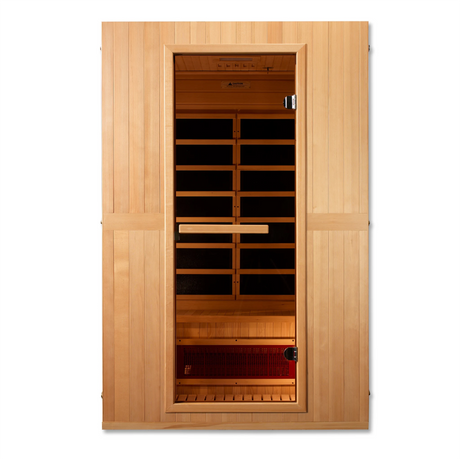
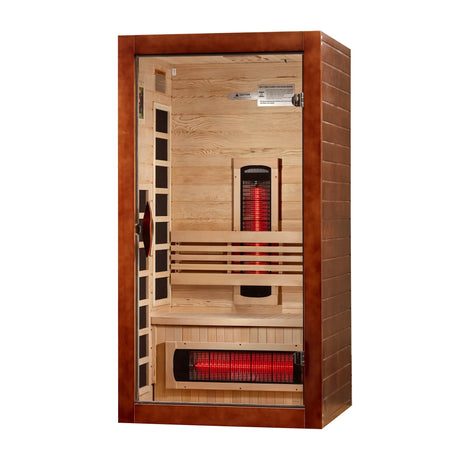
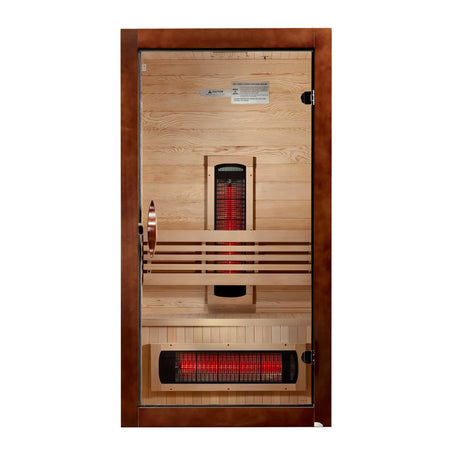
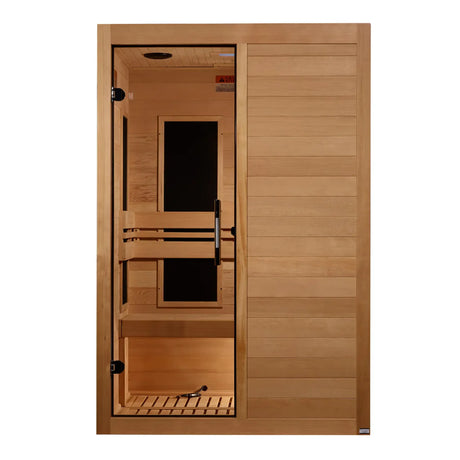
Size considerations for fire station applications typically center around 4-6 person capacity to accommodate shift crews while maintaining reasonable space requirements. Larger 8-person units exist but often prove impractical for fire station layouts and create heating inefficiencies with partial occupancy. Stations with moderate space and crew sizes may find a middle ground in options like the Golden Designs Vorarlberg Traditional Steam Sauna (5-person outdoor model), which provides substantial crew capacity without the footprint demands of the largest commercial units. For smaller stations or those just beginning a sauna program, compact outdoor units like the Golden Designs Arlberg Traditional Steam Sauna (3-person outdoor model) offer an accessible entry point, and compact 2-person indoor models like the Dynamic Santiago FAR Infrared Sauna work well for stations with interior space constraints.
Installation Best Practices: Ventilation, Electrical, and Space Planning
Proper ventilation design prevents moisture damage that could cost tens of thousands in structural repairs. Commercial installations require continuous foil vapor barriers to prevent moisture migration and costly mold growth. Fire station environments already deal with high humidity from gear drying and washing operations, making moisture control absolutely critical for sauna installations.

The ventilation system must handle both humidity and heat exhaust efficiently. Proper positioning of intake vents near heaters and exhaust vents on opposite walls ensures optimal airflow while preventing heat loss that forces the system to work harder. Intake vents should draw fresh air from outside rather than recirculating station air that may contain exhaust fumes or other contaminants.
Electrical planning extends beyond just power supply. Commercial sauna controls require dedicated circuits separate from the heating elements, and emergency shut-off switches must be accessible from outside the sauna room. GFCI protection becomes mandatory for all electrical components in the humid environment, and service panels need clear access for future maintenance.
We always recommend installing commercial-grade flooring like ECORE rubber tiles around sauna entrances. Firefighters tracking in water and sweat need slip-resistant surfaces that can handle the moisture and traffic. Standard tile or hardwood flooring becomes dangerously slippery and requires constant maintenance in these conditions.
Space planning considerations unique to fire stations include noise control for 24/7 operations. Sauna ventilation fans and heating elements create noise that could disturb sleeping quarters or interfere with emergency communications. Sound dampening materials and strategic placement away from sleeping areas prevent operational conflicts.
Privacy considerations matter more in fire stations than typical commercial environments. Off-duty personnel need comfortable access without interfering with on-duty operations, and the sauna location should allow discrete use without crew members feeling exposed to visitors or administrative areas.
Maintenance access planning prevents costly service calls. Control panels, ventilation equipment, and electrical connections need clear access without removing structural components or interfering with fire station operations. Many installations fail to consider that maintenance work might need to happen during active shifts when the station can't be disrupted.
Climate control integration requires coordination with existing HVAC systems. The sauna's heat load affects the station's cooling requirements, and ventilation systems must coordinate to prevent negative pressure issues that could affect apparatus bay ventilation or other building systems.
AFG Grant Funding for Fire Station Saunas: Your Complete Application Guide
Fire departments can effectively utilize the AFG program by categorizing saunas under 'Wellness and Fitness' activities, according to grant specialists familiar with successful applications. The AFG Training and Equipment Grant covers non-personnel requests including health and safety projects, making fire station saunas eligible when properly positioned in the application.
Successful applications frame saunas as critical Personal Protective Equipment for internal health rather than recreational amenities. Departments should frame sauna requests as critical PPE for internal health when documenting need and justification. The application should emphasize toxin elimination protocols, cancer prevention benefits, and evidence-based health outcomes rather than general wellness concepts.
Budget planning requires comprehensive cost documentation including equipment, installation, electrical upgrades, and ongoing maintenance. A typical 4-6 person commercial unit installation ranges from $35,000-$65,000 including electrical work and ventilation systems. Grant applications need detailed quotes from certified installers and electrical contractors to demonstrate realistic budget planning.
Application strategy should emphasize firefighter cancer statistics specific to your region and department size. Include data about exposure incidents, occupational health concerns, and existing wellness program gaps that the sauna addresses. Document any current health issues among department members that could be mitigated through regular detoxification protocols.
Timeline expectations for AFG grants typically run 12-18 months from application to award notification, with additional time for procurement and installation. Departments should plan accordingly and consider interim measures like partnerships with local facilities to begin sauna protocols while waiting for their own installation.
Supporting documentation strengthens applications significantly. Letters from occupational health physicians, fire service organizations endorsing sauna protocols, and research citations from firefighter health studies provide credibility. Include any existing wellness policies or health initiatives that the sauna program would complement or enhance.
Partnership opportunities can strengthen applications and reduce costs. Some departments partner with local health systems, wellness centers, or other municipal agencies to share resources and demonstrate community support for firefighter health initiatives. These partnerships can provide matching funds or in-kind contributions that improve grant competitiveness.
Post-award compliance requires proper documentation of equipment use, health outcomes, and program effectiveness. Successful departments track utilization rates, conduct health surveys, and document any measurable improvements in firefighter health metrics. This documentation supports future grant applications and demonstrates accountability to grant administrators. Understanding sauna brand comparisons and features helps departments make informed equipment decisions that align with grant requirements.
Frequently Asked Questions
1. How much does a commercial fire station sauna cost?
Commercial sauna installations range from $35,000-$65,000 including equipment, electrical upgrades, and ventilation systems. Traditional Finnish saunas typically cost $18,000-$35,000 for the unit alone, while infrared models range $12,000-$25,000. Hybrid systems offering both heating methods run $25,000-$45,000, with installation costs adding another $15,000-$30,000 depending on electrical upgrades needed.
2. What are the ongoing maintenance requirements for fire station saunas?
Commercial saunas require monthly cleaning, quarterly deep sanitization, and annual professional inspections of heating elements and control systems. Traditional units need sauna rock replacement every 2-3 years at $200-$400, while infrared panels require periodic cleaning and may need replacement every 5-7 years. Ventilation systems need filter changes every 3-6 months, with annual maintenance costs typically running $2,000-$4,000.
3. How many firefighters can use the sauna per day?
Commercial-duty saunas handle 12+ sessions daily with proper ventilation and recovery time between uses. A 4-6 person unit can accommodate 20-30 individual users per day across three shifts, assuming 20-30 minute sessions with 15-minute cooling periods between uses. Usage tracking prevents overloading and ensures even access across all shifts.
4. What electrical upgrades are typically needed for fire station saunas?
Most fire stations require electrical service upgrades to handle commercial sauna loads. Traditional saunas need 6-9 kW capacity with dedicated 40-50 amp circuits, while hybrid units may require up to 12 kW. Three-phase service becomes necessary for larger installations, with electrical upgrades typically costing $15,000-$25,000 including panel upgrades, new circuits, and GFCI protection.
5. How long does fire station sauna installation take?
Installation timelines range 4-8 weeks from delivery to operational status. Electrical upgrades and building permits add 2-4 weeks before installation begins, while complex installations requiring structural modifications or extensive ventilation work can extend to 10-12 weeks. Weather conditions and inspector availability can affect exterior ventilation work timing.
6. Are there liability considerations for departments installing saunas?
Fire departments need liability coverage for sauna operations and user injury risks. Most municipal insurance policies require notification and potential premium adjustments for new wellness facilities. Proper user training, safety protocols, and medical clearance policies reduce liability exposure, with some insurers offering reduced premiums for departments implementing comprehensive firefighter wellness programs.
7. What training do firefighters need for safe sauna use?
Basic sauna safety training covers hydration requirements, session duration limits, and recognition of heat exhaustion symptoms. Medical personnel should provide guidance on contraindications and safe usage protocols for firefighters with health conditions. Training emphasizes proper hydration before and after sessions, gradual temperature acclimation for new users, and emergency procedures for heat-related incidents.
8. Can existing fire station spaces be converted to sauna rooms?
Many fire stations have suitable spaces for sauna conversion with proper preparation. Requirements include adequate ceiling height (8+ feet), access to electrical and ventilation systems, and moisture-resistant construction capabilities. Former offices, storage rooms, or unused spaces often work well for conversion, with costs typically running lower than new construction while still requiring full electrical and ventilation system installation.
Investing in Your Team's Long-Term Health
The connection between regular sauna use and cancer prevention isn't theoretical — it's a lifesaving intervention supported by mounting research and real-world implementation by forward-thinking departments. Fire station saunas represent a paradigm shift from treating firefighter health problems after they occur to preventing them through proactive detoxification protocols.
The return on investment extends far beyond equipment costs. Departments implementing comprehensive sauna programs report reduced sick time, improved crew morale, and decreased workers' compensation claims related to occupational health issues. When measured against the potential costs of firefighter cancer treatment, disability claims, and early retirement due to health issues, sauna installation represents one of the most cost-effective health interventions available.
The Minneapolis Fire Department's commitment to installing saunas in all 19 stations demonstrates institutional recognition that firefighter health protection requires more than external gear. Their investment acknowledges that the most dangerous exposures happen at the cellular level, where traditional decontamination can't reach but regular heat therapy can help eliminate accumulated toxins.
Progressive fire departments nationwide are recognizing that firefighter wellness isn't a luxury — it's an operational necessity. Healthy firefighters perform better, stay on duty longer, and require fewer costly medical interventions throughout their careers. Commercial saunas designed for fire station environments provide the durability and capacity needed to serve entire departments effectively.
Your firefighters risk their lives protecting others. They deserve every possible protection against the occupational hazards that have made cancer the leading cause of line-of-duty deaths. A comprehensive sauna program addresses this threat head-on, providing a scientifically-backed intervention that could literally save lives within your department.
Ready to explore commercial sauna options for your fire station? Blue Sky Fitness Supply specializes in commercial-grade wellness equipment designed for high-traffic institutional environments. Our team understands the unique requirements of fire station installations and can help navigate everything from AFG grant applications to installation planning. Contact us to discuss how a properly designed sauna program can become part of your department's comprehensive approach to firefighter health and safety.