

Table of Contents:
Let's face it—modern life makes it far too easy to put fitness on the back burner. We sit more than we move, and convenience often trumps taking the stairs or going for a brisk walk. But here's the kicker: understanding the benefits of cardio could be the game changer you've been waiting for. Because cardio isn't just about burning calories or checking off your workout box—it's the foundation of a healthier, longer, more vibrant life.
Here's the surprising part: cardio workouts do more than get your heart pumping at the moment. They strengthen your cardiovascular system, providing benefits that ripple through every corner of your daily life—from your energy levels to your mood, and even the quality of your sleep. And the best part? You don't need to be a marathon runner or spend hours at the gym to start reaping the rewards.
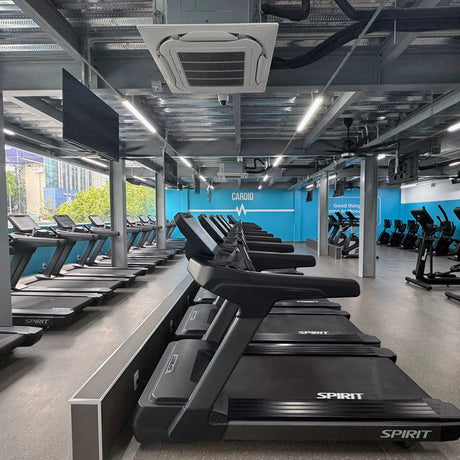
But here's where most people go wrong: they think cardio is just about running laps until they're gasping for air. The truth? It's so much more than that—cardiovascular training exercises range from dancing to swimming, offering something for everyone, no matter your fitness level. Whether you prefer pounding the pavement, cycling through a scenic route, or gliding on an elliptical, you can explore the full range of cardio equipment and options available to suit your lifestyle. And when done right, they can transform not just your health, but the way you feel, live, and move every single day.
Curious about how the right cardio routine can unlock all this potential? Let's break it down step by step—you'll want to see how easy it is to get started.
What is Cardio, and Why Does It Matter?
If you've ever felt your heart pounding after a brisk walk or an energetic dance session, you've already had a taste of what cardio is. Short for cardiovascular exercise, this term covers any rhythmic activity that gets your heart rate up into what fitness experts call your "target heart rate zone." That's the sweet spot where your body is working hard enough to strengthen your heart and lungs while improving their ability to deliver oxygen to working muscles.
The beauty of cardio is its versatility. It can take the form of running, swimming, cycling, brisk walking, or even jumping rope. Whatever your jam, there's a way to fit cardiovascular training exercises into your lifestyle. Why does this matter? Because cardio is the unsung hero of health—not just for weight loss or looking good, but as a cornerstone of living longer and better. The American Heart Association reports that cardiovascular disease remains the leading cause of death globally, yet research consistently shows that regular aerobic exercise is one of the most powerful preventive tools available to us—regardless of age, fitness level, or starting point.
Why Everyone Should Prioritize Cardio
What if I told you one simple habit could dramatically improve the way you feel, think, and even sleep? That's where the benefits of cardio come in. Let's look at how making this form of exercise a priority can transform your life.
1. Improved Heart Health
Cardio is like strength training for your heart. Each time you get your pulse racing, you're conditioning your heart to pump blood more efficiently. This pays off in a big way by reducing your resting heart rate and lowering blood pressure—two critical factors in preventing heart disease. Regular cardio also helps keep arteries flexible and clear of blockages, which is vital for overall cardiovascular health. Studies have found that people who exercise regularly have up to a 35% lower risk of coronary heart disease and stroke compared to sedentary individuals—a compelling reason to lace up those sneakers.
2. Increased Energy and Endurance
Ever feel winded just climbing a flight of stairs? That's a sign your cardio endurance needs a boost. Regular exercise improves your stamina by training your body to use oxygen more effectively. Over time, even mundane tasks like grocery shopping or playing with your kids feel easier because your cardiovascular system runs more efficiently. Low-impact machines like ellipticals are particularly effective here—if you're curious how they compare to other options, check out our deep dive on whether ellipticals are good for low-impact cardio.
3. Better Weight Management
There's no denying cardio's reputation for burning calories. Whether you're sweating it out in a HIIT session or enjoying a peaceful walk in the park, these exercises can help you maintain a healthy weight when paired with good nutrition. Consistent cardio workouts support your metabolism and help avoid the dreaded plateaus that often come with dieting.
4. Enhanced Mood and Mental Health
Here's one you might not expect: cardio is phenomenal for your brain. Studies show that exercise releases feel-good chemicals called endorphins, which naturally fight off stress, anxiety, and even depression. Whether it's dancing in your living room or hitting the gym, cardio is a natural way to clear your mind and reset after a tough day. Research published in JAMA Psychiatry found that people who exercised regularly had 43% fewer days of poor mental health per month compared to those who did not—a striking statistic that underscores just how powerful movement can be for psychological well-being. Pairing your cardio with a comfortable Airex Heartbeat Yoga Mat for floor-based cool-downs or stretching sessions can further support that mind-body recovery.
5. Better Sleep Quality
Struggling to get enough z's? Cardio may be the solution. Regular physical activity not only helps you fall asleep faster but also improves the overall quality of your shut-eye. Your body craves restorative rest after exertion, making cardio a game-changer for insomniacs and light sleepers alike. It's worth noting that the timing of your workout matters—morning or afternoon sessions tend to have the most positive impact on sleep, while very late-night high-intensity cardio can occasionally delay sleep onset for some individuals.
6. Chronic Disease Prevention
The benefits of cardio don't stop at the surface. Research shows that regular cardiovascular training exercises reduce the risk of chronic conditions like type 2 diabetes, high blood pressure, and even some cancers. The CDC estimates that adults who meet weekly aerobic activity guidelines have a significantly lower risk of developing metabolic syndrome, and even modest amounts of regular cardio—as little as 30 minutes of moderate activity five days a week—can produce measurable reductions in blood glucose levels and systemic inflammation. For those curious about complementary wellness practices that layer on top of a solid cardio routine, our comparison of sauna vs. steam room vs. cardio health benefits offers some fascinating context.
What Types of Cardio Workouts Should You Try?
The best cardio workouts are the ones you enjoy doing. Seriously, the key is finding something that feels less like a chore and more like fun. Here are some options to get you started:
- Running or Jogging: Great for calorie burn and building endurance. Start with short distances and gradually increase your speed or mileage.
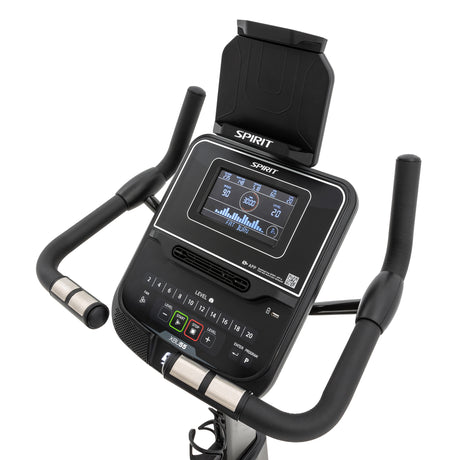
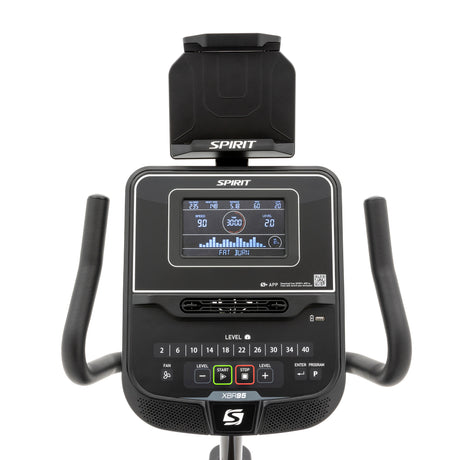
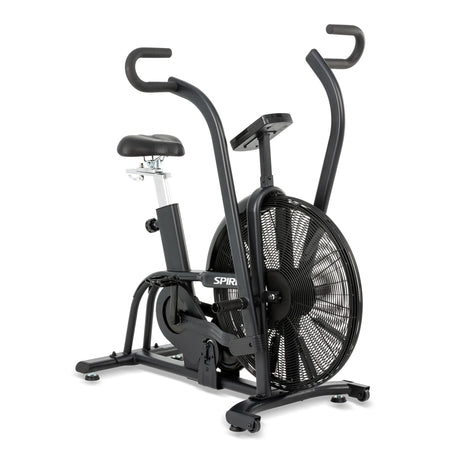
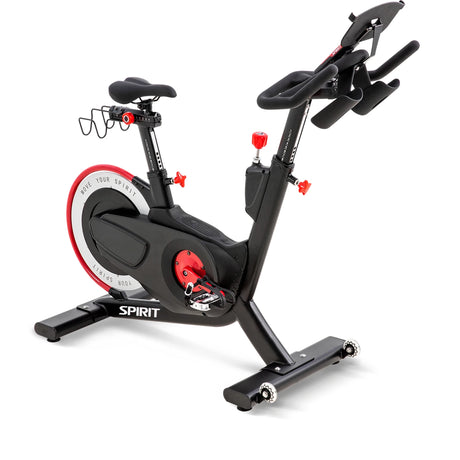
- Cycling: Perfect for joint-friendly cardio, whether you're biking outdoors or pedaling on a stationary bike at home.
- Swimming: A low-impact option that's excellent for strengthening your entire body.
- Dancing: Zumba, salsa, or even freestyle dancing in your living room can do wonders for both heart health and mood.
- HIIT (High-Intensity Interval Training): For those short on time, HIIT offers maximum benefits in minimal time.
- Walking: Brisk walking can be as effective as running when done consistently.
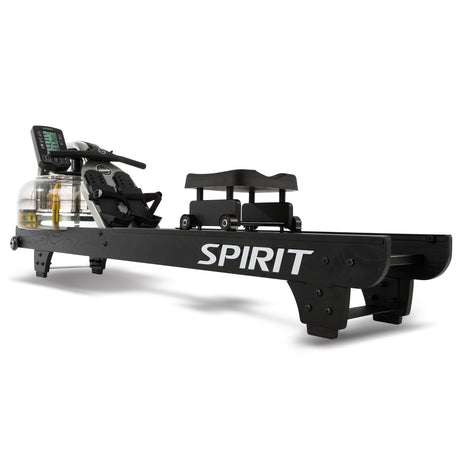
- Rowing: Often underrated, rowing delivers a rare combination of full-body strength and cardiovascular conditioning simultaneously. If you haven't considered it, our ultimate guide to using a rowing machine for full-body cardio is worth a read.
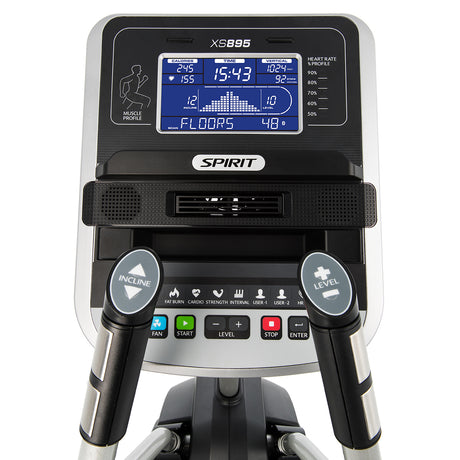
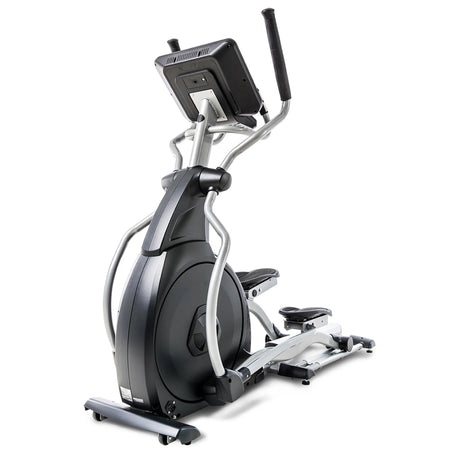
- Elliptical Training: An excellent low-impact option that mimics the motion of running without the joint stress. Stride length matters more than most people realize—a 20-inch stride is generally the minimum for users over 5'10" to avoid hip discomfort over time. Spirit Fitness ellipticals are a strong choice here, backed by one of the best warranty and service networks in the commercial fitness industry.
- Jump Rope: A portable, high-intensity option that's easy to squeeze into any busy schedule.
Pro Tips for Maximizing Your Results
You don't just want to "do" cardio—you want to crush it. Let's talk strategy:
- Set SMART Goals: Focus on goals that are Specific, Measurable, Achievable, Relevant, and Time-bound.
- Mix It Up: Keep things fresh by alternating between different activities, like swimming one day and cycling the next.
- Track Progress: Use apps, fitness trackers, or even a journal to keep tabs on your improvements.
- Stay Hydrated: Drink plenty of water before, during, and after workouts to stay energized and prevent cramping.
- Listen to Your Body: Pain isn't gain. Rest and recover as needed—your results depend on it!
Takeaway: Reap the Rewards—Starting Today
Now you know the transformative power of cardio. Whether you want to feel better, look better, or live longer, this one change can shape every part of your life. Start small, stay consistent, and watch as the benefits of cardio ripple through every facet of your mind and body. Your future self will thank you for taking that first step today.
Frequently Asked Questions About Cardio Workouts
1. What are the best cardio exercises for beginners?
The best cardio exercises for beginners include low-impact and easy-to-learn activities such as:
- Brisk Walking: Easy to start and great for building endurance.
- Cycling: A joint-friendly option for cardio fitness.
- Swimming: Low-impact and fantastic for overall body conditioning.
- Dancing: Fun and engaging, with natural cardio benefits.
Start with 10-15 minutes and gradually increase time and intensity for the best results.
2. How often should you do cardio for maximum health benefits?
To achieve optimal health benefits, aim for:
- 150 minutes of moderate-intensity cardio per week, such as brisk walking.
- OR 75 minutes of vigorous-intensity cardio, such as running or HIIT.
- Incorporate activities that fit your schedule, dividing sessions into 20–30 minutes several times a week.
Consistency is key to experiencing lasting cardiovascular and fitness improvements.
3. Which cardio exercises burn the most calories?
For maximum calorie burn, consider high-intensity exercises such as:
- Running: Burns approximately 600–800 calories per hour.
- HIIT: Alternates short bursts of intense effort with rest for quick, effective calorie burn.
- Jump Rope: Burns 10-16 calories per minute, depending on intensity.
- Swimming: Great total-body workout with calorie-burning potential.
The exact number of calories burned will depend on your weight, intensity, and duration.
4. Is cardio better than strength training for weight loss?
Both cardio and strength training are essential for weight loss, but they serve different purposes:
- Cardio: Burns more calories during the workout for immediate energy expenditure.
- Strength Training: Builds muscle, which boosts your metabolism over time for sustained fat loss.
For the best results, combine cardio with strength training as part of a balanced fitness plan.
5. What is the best cardio workout for improving endurance?
To improve endurance, focus on steady-state cardio or longer-duration exercises such as:
- Running or Jogging: Gradually increase speed or distance over time.
- Cycling: Both outdoor cycling and stationary bikes help build cardiovascular endurance.
- Swimming: Low-impact yet effective for endurance-building.
- Rowing: A mix of strength and endurance training for full-body benefits.
Gradual progression in intensity and duration is essential for long-term improvements.
6. Can you do cardio every day?
Yes, you can do cardio every day if it's a mix of moderate and low-intensity exercises. To avoid overtraining:
- Alternate high-intensity days (HIIT or running) with low-impact workouts like walking or swimming.
- Listen to your body — incorporate rest or active recovery days if you feel fatigued.
Daily cardio works best when balanced with adequate recovery and variety in exercise type.
7. Does cardio help with mental health?
Yes, cardio offers substantial mental health benefits by:
- Releasing Endorphins: Naturally improving mood and reducing stress.
- Alleviating Anxiety: Promoting relaxation and lowering cortisol levels.
- Boosting Sleep Quality: Enhancing the ability to fall asleep and enjoy restful nights.
Even a 20-minute session can significantly improve mental well-being.
8. What type of cardio is best for heart health?
The most heart-friendly cardio exercises include:
- Brisk Walking: Improves circulation and blood pressure with minimal strain.
- Running or Jogging: Strengthens the heart muscle and improves oxygen delivery.
- Swimming: A low-impact method that enhances overall cardiovascular health.
- Rowing: Combines endurance and strength for an effective heart workout.
Consistency and moderate intensity are critical for long-term heart health benefits.
Ready to take your cardio routine to the next level? Explore the best workouts and expert tips to stay consistent and maximize results.
Ready to Elevate Your Health and Performance?
Cardio isn't just another box to check on your fitness journey—it's a game changer for your heart, mind, and overall well-being. Whether it's a brisk walk around the neighborhood or a sweaty HIIT session, every rep, step, and beat gets you closer to a stronger, healthier, and more vibrant version of yourself. It's about creating habits today that invest in the life you'll enjoy tomorrow.
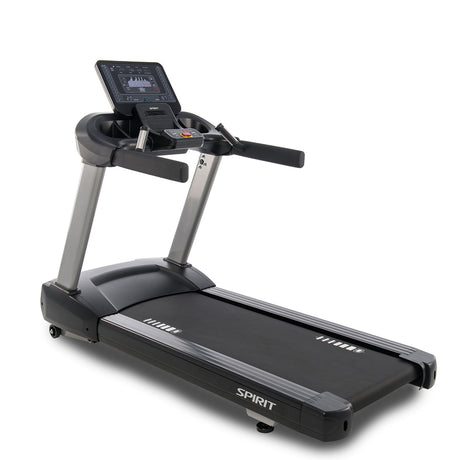
And here's the kicker: it's never been easier to get started. At Blue Sky Fitness Supply, we've curated an array of best-in-class fitness equipment to make cardio accessible, enjoyable, and effective, right in the comfort of your own home. From high-quality stationary bikes to versatile treadmills, we've got everything you need to build a workout routine that feels as rewarding as it is transformative. Browse our full selection of cardio equipment to find the right fit for your goals and space.
Your health is too valuable to wait. Explore our range of fitness solutions designed to help you crush your cardio goals, enhance your endurance, and feel amazing at every step (and heartbeat). Visit Blue Sky Fitness Supply today and take the first step toward a healthier, stronger you.