

Table of Contents:
- What Firefighter Sauna Studies Show About Health Benefits
- Firefighter Detox: Shedding the Toxins That Could End Careers
- Infrared Sauna Benefits for Firefighter Recovery & Resilience
- What Firefighters Are Actually Experiencing with Sauna Therapy
- How to Integrate Infrared Sauna Therapy into Firefighter Life
- Why Infrared Is a Game-Changer for Firefighter Health
- Conclusion: Elevating Firefighter Wellness with Infrared Innovation
- Frequently Asked Questions About Infrared Saunas for Firefighters
- The Next Step Toward Stronger, Safer Firefighter Lives
Every time a firefighter steps into a burning structure, they're not just battling flames—they're battling invisible threats. Smoke laced with carcinogens. VOCs clinging to skin and gear. Muscles taxed to the limit. And stress levels that don't shut off with the siren. That's why more wellness programs are turning toward a powerful ally: infrared saunas for firefighters.
But here's the thing—this isn't just about sweating it out after a long shift.
Because the real story isn't about relaxation—it's about survival. Infrared sauna therapy for first responders is now being used to lower toxin levels in the body, increase circulation, speed up recovery, and even improve mental resilience after traumatic calls. Firefighter detox is no longer optional—it's essential for reducing cancer risks, fighting fatigue, and staying operationally ready.
Let's break down why detox sauna therapy isn't just another wellness trend—it's a frontline strategy for firefighter health, longevity, and peak performance.
What Firefighter Sauna Studies Show About Health Benefits
Unlike traditional saunas that heat the air around you, infrared saunas use far-infrared light to heat your body directly. That matters—because this difference in heat delivery massively improves comfort, endurance, and effectiveness during detox sessions. By using infrared waves that penetrate up to 1.5 inches beneath your skin, this technology creates a heating effect from the inside out. Perspiration starts at lower, more tolerable temperatures—typically between 120–150°F for infrared compared to the blazing 150–195°F of conventional saunas. That means firefighters recovering from exertion or chemical exposure can sit for longer treatments without overtaxing their cardiovascular systems or overheating.
In practice, these saunas allow for deep tissue activation, boosting sweat output and blood circulation from within. The infrared waves gently warm internal core temperature, helping eliminate toxins through sweat without overloading the heart. That makes infrared especially ideal for firefighter performance recovery and detox — and it's a meaningful upgrade over the short, high-heat sessions that traditional steam rooms demand. For a deeper look at how infrared heat works and how to get the most from each session, see our guide to infrared sauna benefits and tips.
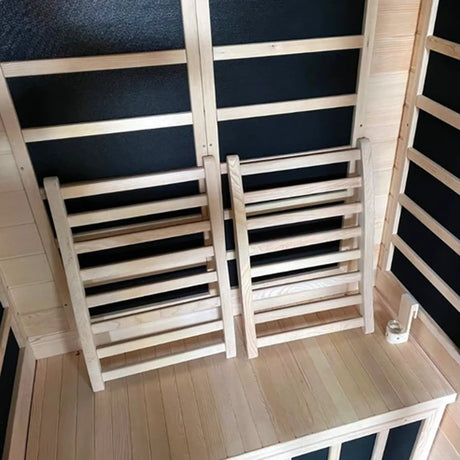
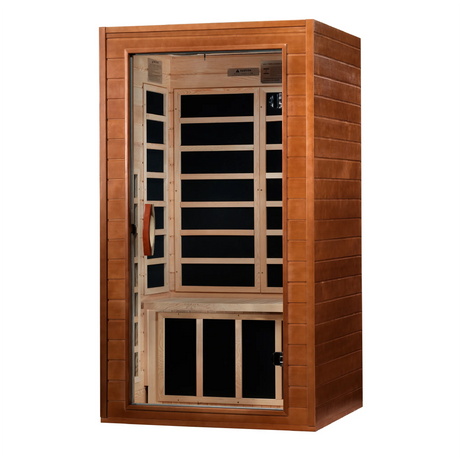
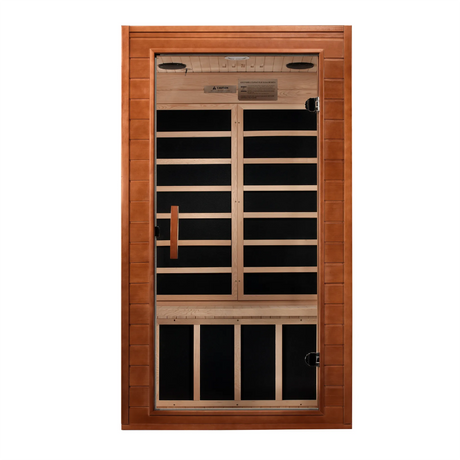
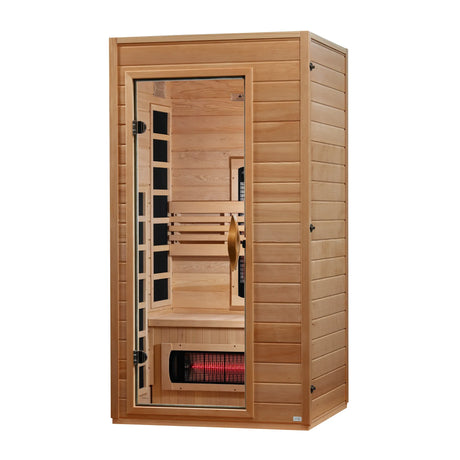
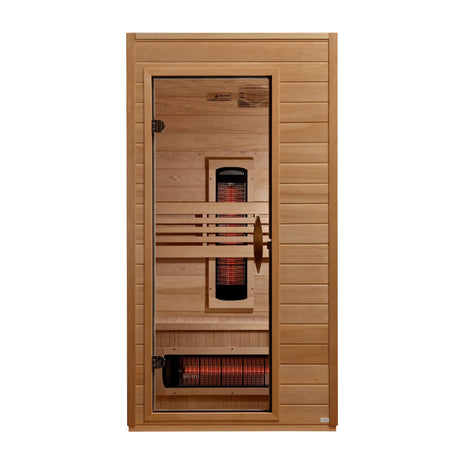
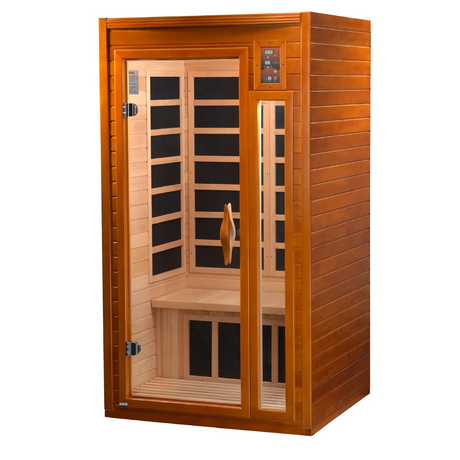
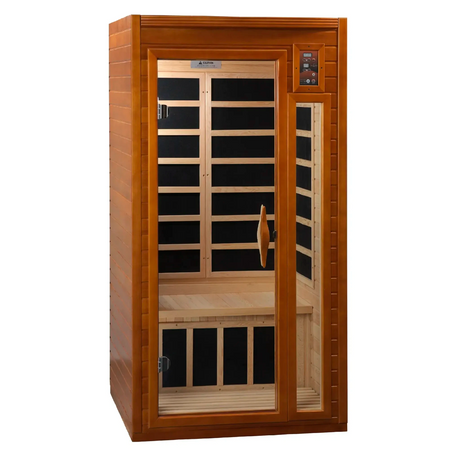
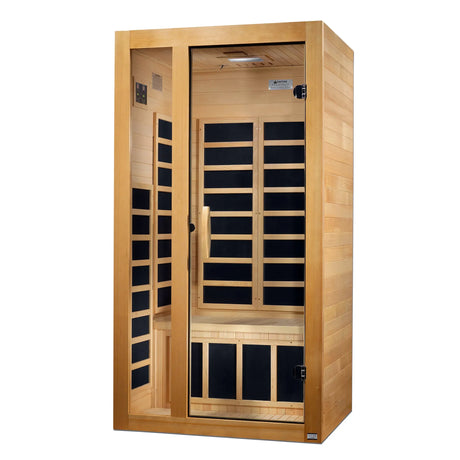
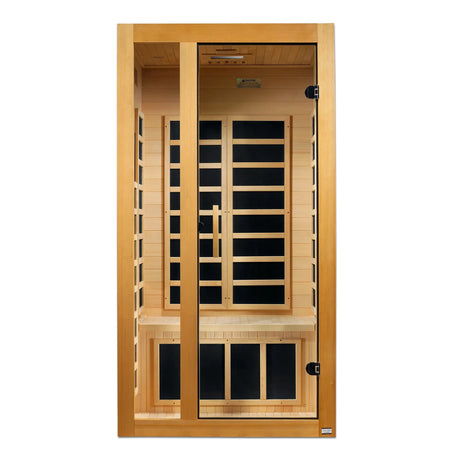
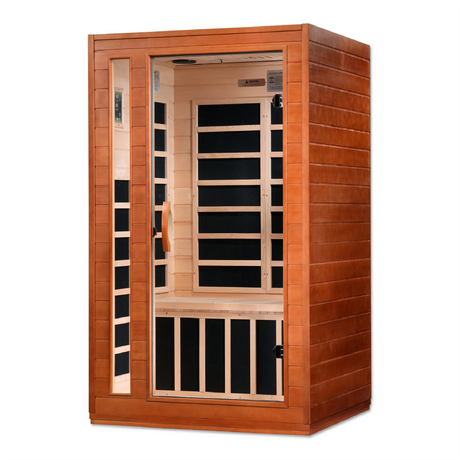
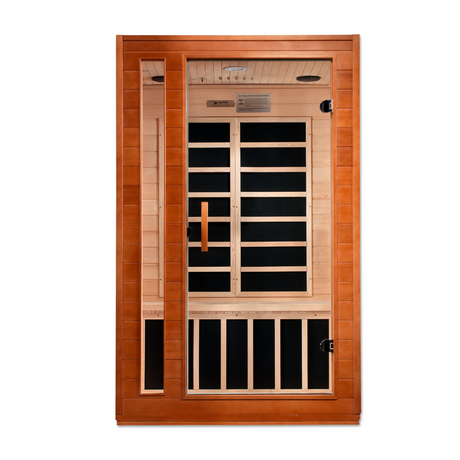
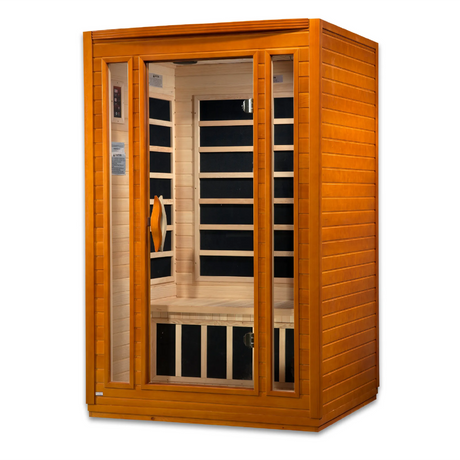
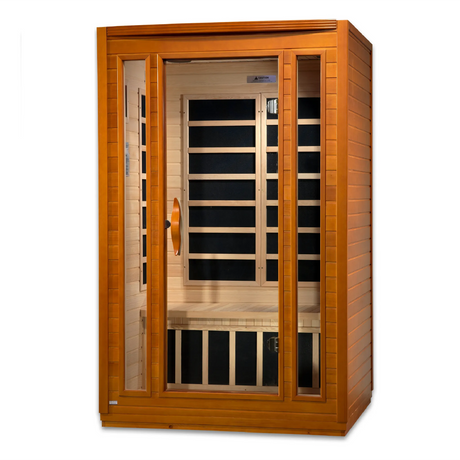
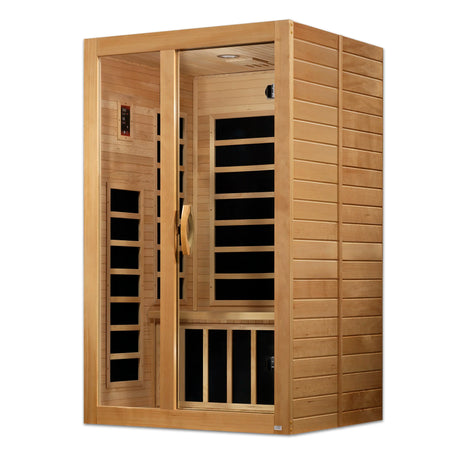
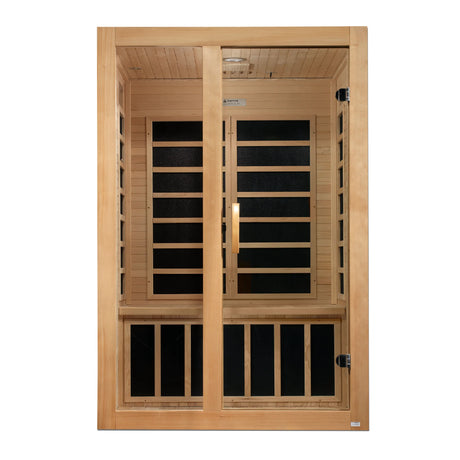
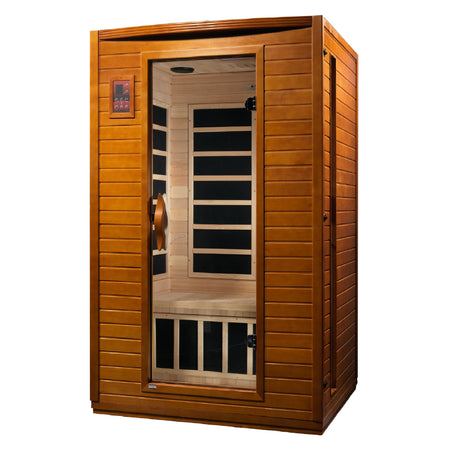
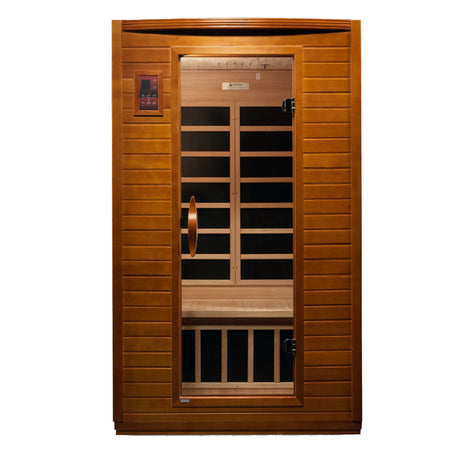
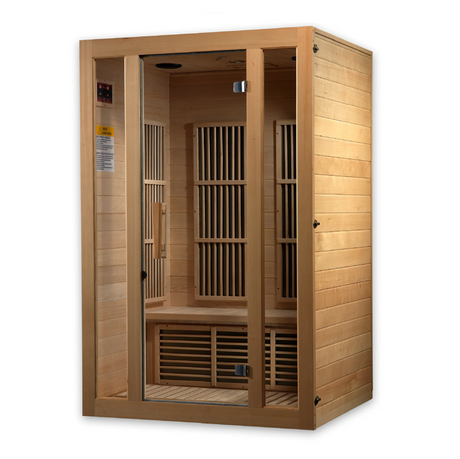
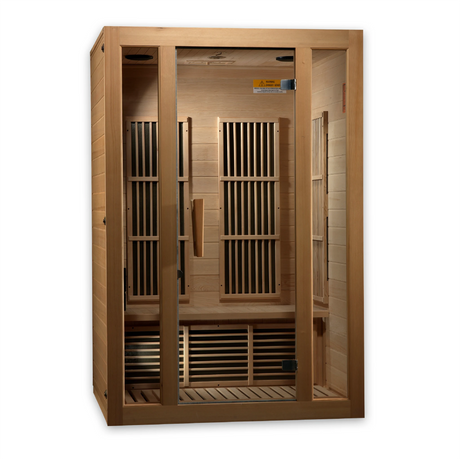
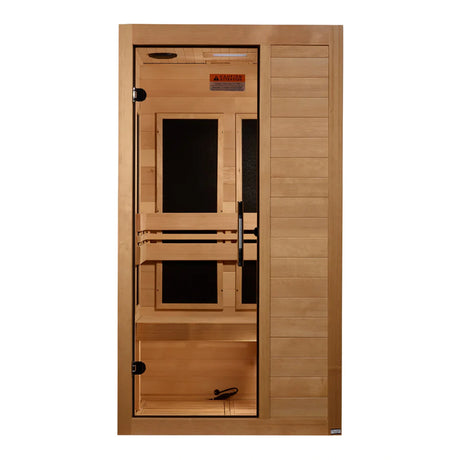
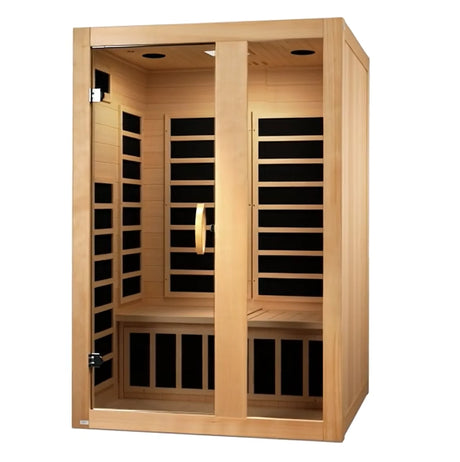
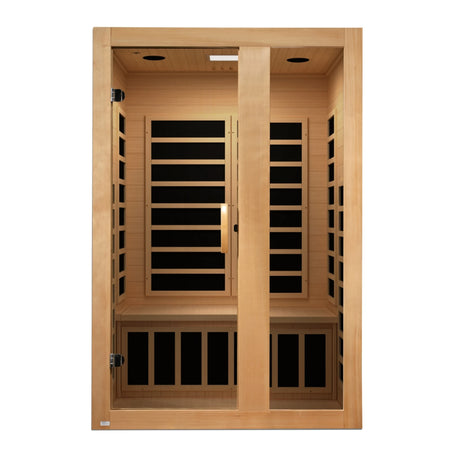
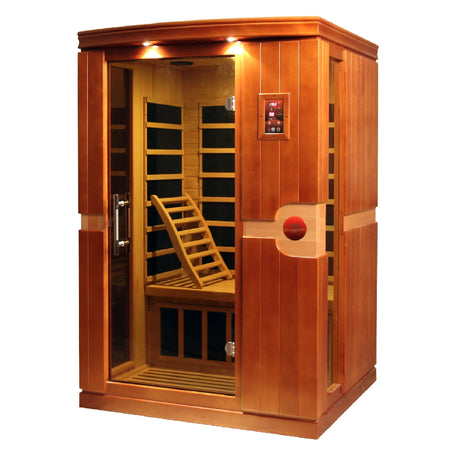
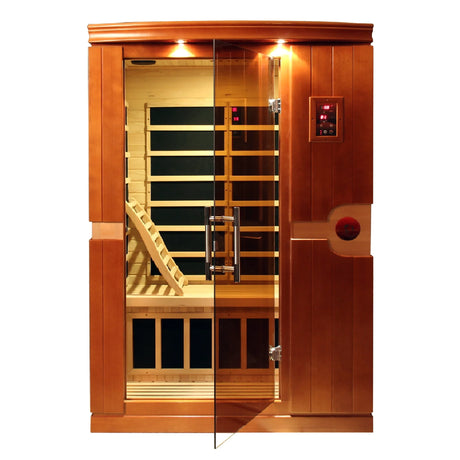
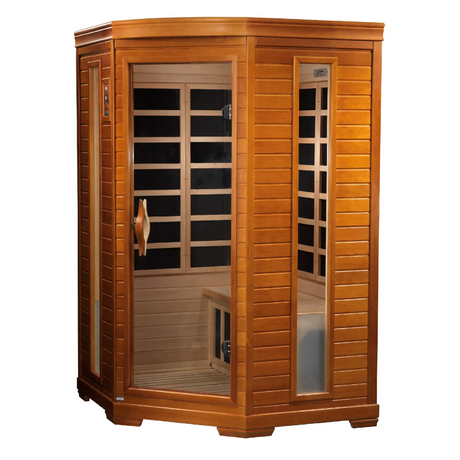
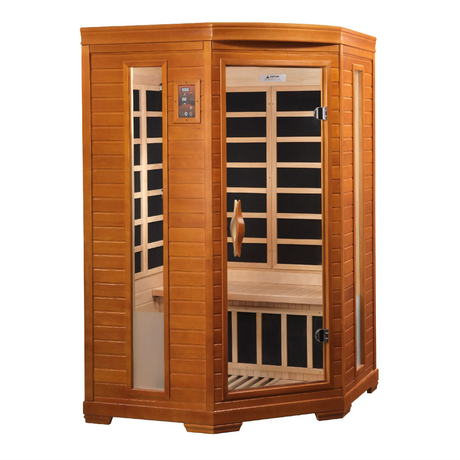
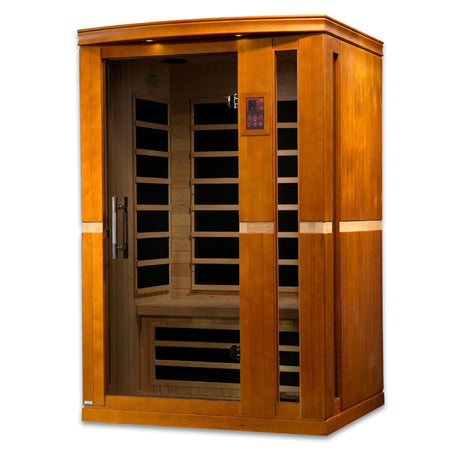
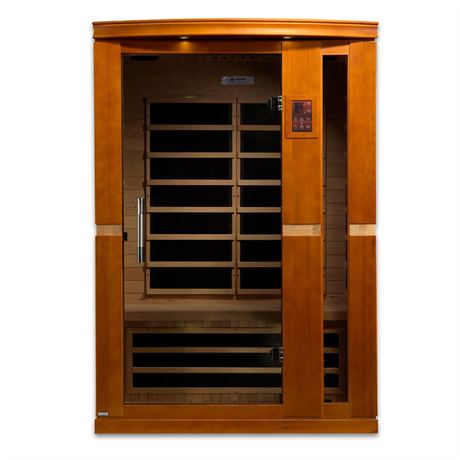
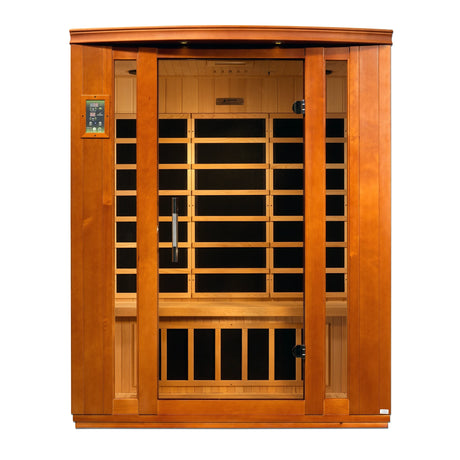
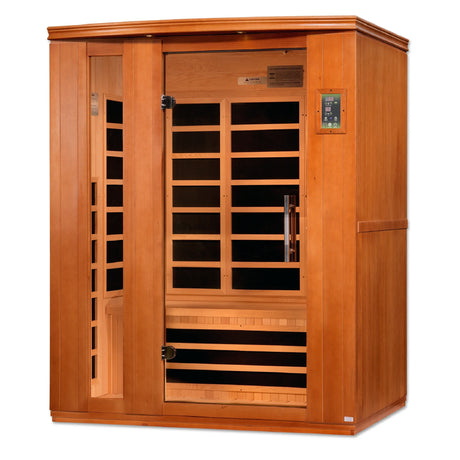
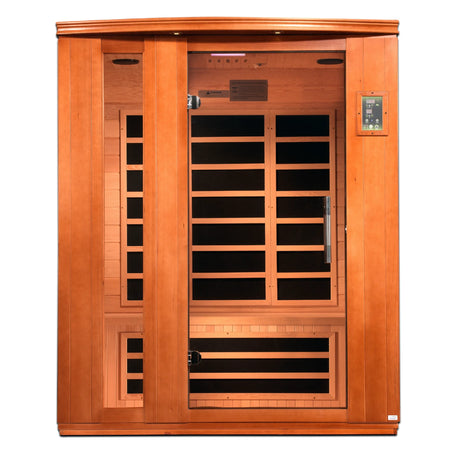
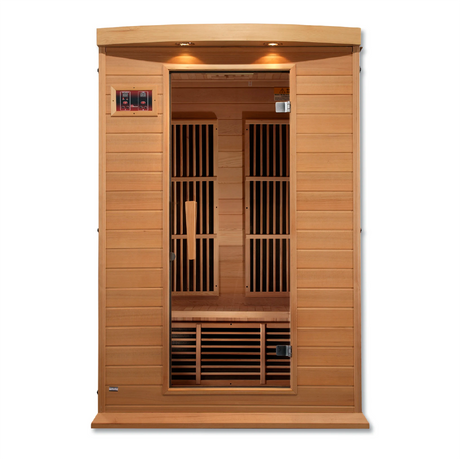
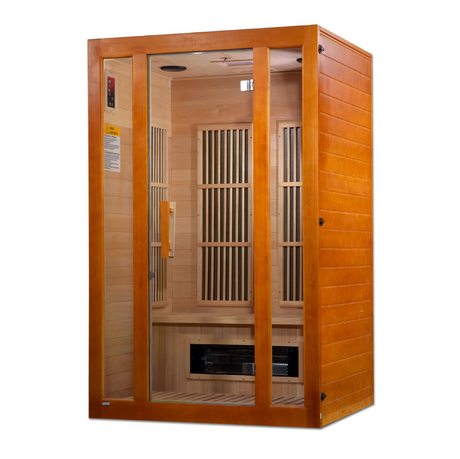
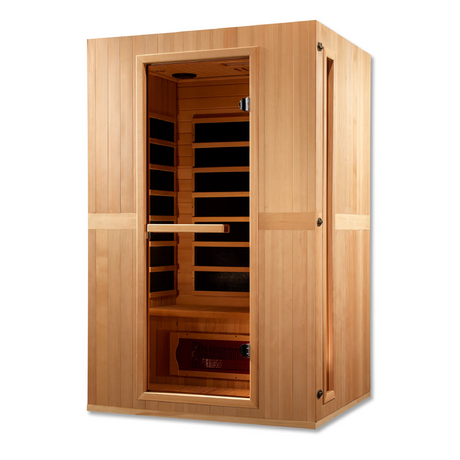
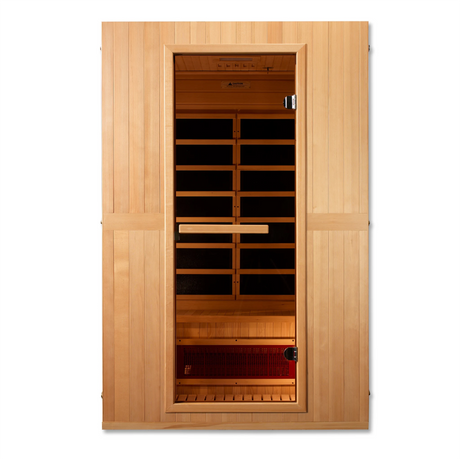
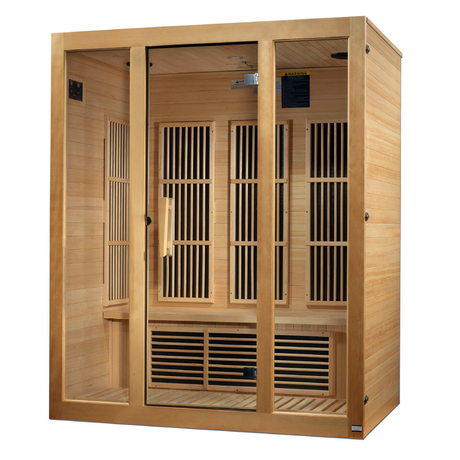
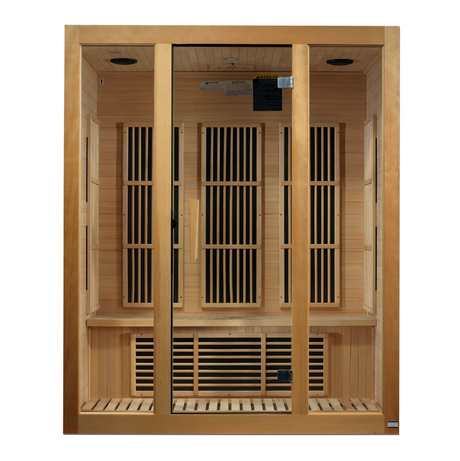
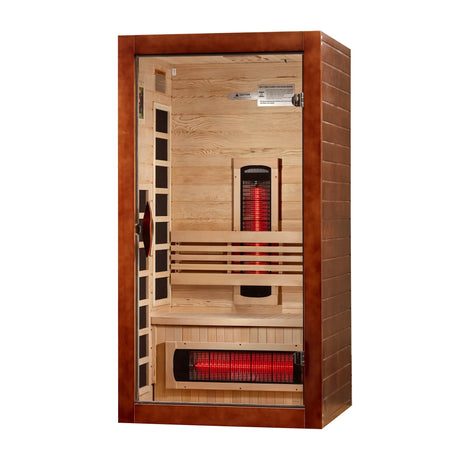
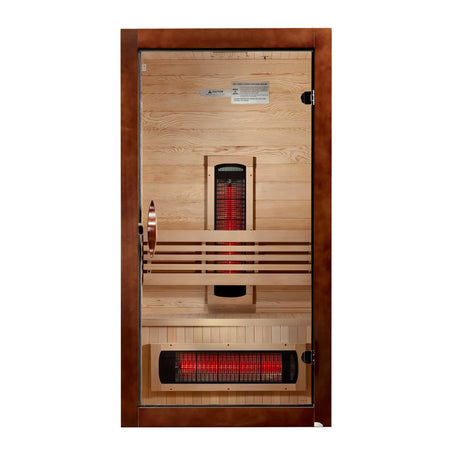
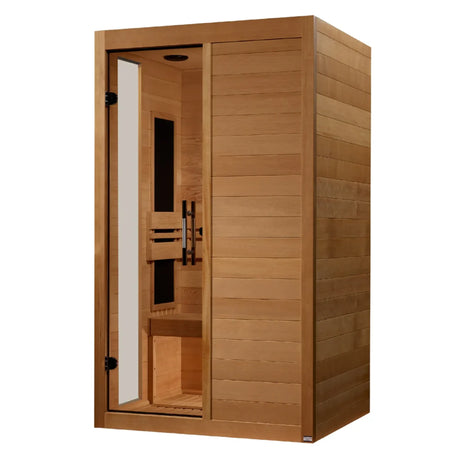
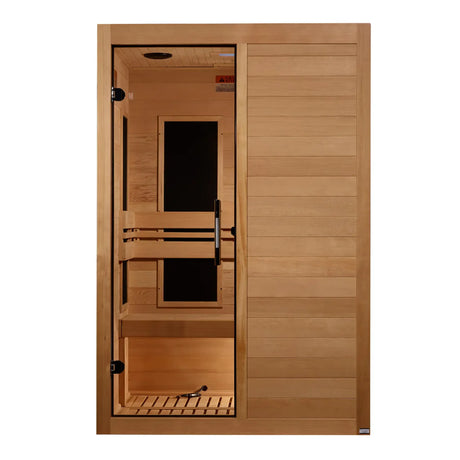
One practical note for departments planning installations: a standard 2-person infrared sauna typically requires a dedicated 20-amp circuit. That's a detail many buyers overlook until they're mid-installation — factoring it into your facility planning upfront avoids costly surprises. For corner-style units designed to fit efficiently into firehouse space, the Maxxus FAR Infrared Sauna – 3 Person Indoor Corner Seaforth Model and the Maxxus FAR Infrared Sauna – 3 Person Premium Indoor Corner Bondi Model are worth evaluating — both are built from Canadian hemlock, which is hypoallergenic, resists warping, and doesn't off-gas at high temperatures.
Firefighter Detox: Shedding the Toxins That Could End Careers
As every firefighter knows—smoke isn't just smoke. It's a cocktail of combusted building materials, plastics, gases like formaldehyde and benzene, and ultrafine particulate matter, which includes known carcinogens. These toxins cling to skin and PPE fabrics, and they're often absorbed into the bloodstream through dermal pores—what's become known as the "secondary exposure" epidemic. That's where detox sauna therapy steps in as more than a luxury—it's a form of preventative medicine.
Infrared technology allows the body to sweat out deep-seated toxins that accumulate after repeated fireground exposure. Lab testing confirms this too—firefighters using infrared saunas showed measurable toxin reductions in urine samples post-session, including phthalates, VOCs, and petrochemicals. Multiple wellness researchers emphasize that this sweat-driven process aids in liver and kidney detox pathways. It's not just sitting in heat—it's mobilizing stored chemicals and supporting internal healing.
Common Carcinogens Identified in Fire Environments:
| Toxin / Substance | Health Risk | Infrared Sauna Detox Impact |
|---|---|---|
| Benzene | Linked to leukemia | Released via deep sweating |
| Dioxins & Furans | Endocrine disruptors, cancerous | Eliminated through lymphatic activity |
| Polycyclic Aromatic Hydrocarbons (PAHs) | Respiratory, dermal toxicity | Broken down and expelled via elevated circulation |
| Volatile Organic Compounds (VOCs) | Liver stress, mood disorders | Measurable reduction in post-sauna urine testing |
Firefighters who regularly perform detox sessions in infrared environments have reported more than just biochemical benefits—many note faster recovery, clearer mental focus, and deeper sleep. For departments evaluating a full commercial installation rather than residential-grade units, our Best Fire Station Sauna Guide: Commercial Systems for Firefighters covers the ventilation, drainage, and sizing considerations that on-site installs require.
Infrared Sauna Benefits for Firefighter Recovery & Resilience
Let's face it. Firefighting takes a massive toll on the human body. Long hours. Maximal physical output. Repeated trauma exposure. And virtually no off-switch after the call. That's why the infrared sauna benefits stack up so powerfully for these professionals.
1. Enhanced Circulation & Cardiovascular Conditioning
When your vascular system is flushed with warm, oxygen-rich blood, good things happen. Infrared exposure causes vasodilation—widening of your peripheral blood vessels—which drives better nutrient delivery and waste removal at the cellular level. This stress-free increase in blood flow has been shown to lower resting blood pressure and improve endothelial function—a big win for firefighter heart health, especially those with career-long risk factors. For comparison, traditional saunas deliver similar cardiovascular stimulation but at temperatures that are significantly harder to tolerate for extended sessions — infrared achieves the same circulatory benefit with less systemic stress on the body.
2. Firefighter Performance Recovery
Crushed muscles. Torn fibers. Lactic acid backlog. Sound familiar? After a grueling fireground operation, infrared saunas help cut downtime by promoting faster nutrient delivery to damaged tissues, breaking down inflammation, and reducing delayed-onset muscle soreness. Whether it's rehabilitation from a knee sprain or bouncing back from a 3-alarm blaze, infrared therapy helps firefighters return to peak condition faster and with less internal wear and tear. Departments that also incorporate cold contrast protocols alongside sauna use — alternating heat and cold — report compounding recovery benefits; our guide to Recovery Zone Design: Cold Plunges & Saunas for Commercial Gyms outlines how to structure that environment effectively.
3. Firefighter Stress Management That Actually Works
One of the most under-rated benefits of detox sauna therapy? Stress regulation. Repeated trauma exposure. Cortisol overload. Hypervigilance that doesn't shut off at shift's end. Infrared sessions help activate the parasympathetic ("rest and digest") nervous system, which shuts down overactive fight-or-flight states. The result? Lower anxiety. Better sleep. A sense of decompression. Departments using infrared saunas report improved sleep metrics, cortisol reduction, and decreased reports of emotional burnout among crew members.

What Firefighters Are Actually Experiencing with Sauna Therapy
This isn't just "bro science." Departments across the country are beginning to adopt infrared saunas as standard gear in their wellness arsenal—and actual user experiences are speaking louder than any clinical trial can. Firefighters undergoing consistent sauna treatments have reported:
- Greater energy during subsequent calls
- Improved respiration after smoke exposure
- Reduced aches and inflammation in joints and muscles
- Subjectively better mood and mental clarity
- Noticeable skin improvements (likely tied to dermal detox pathways)
In a pilot study, firefighters who incorporated infrared sessions after fireground exposures experienced significant drops in urinary toxicant levels and inflammation-based biomarkers. For additional strategies that complement sauna use in a post-call recovery routine, see our recovery tips for quick healing. Adoption is growing fast—and the anecdotal AND quantifiable results are impossible to ignore.
How to Integrate Infrared Sauna Therapy into Firefighter Life
Adding infrared saunas into firefighter wellness programs doesn't require a massive overhaul. And when done right—it delivers transformative ROI in both mental clarity and personal resilience. Here's how smart departments are doing it:
1. On-Site Installations in Firehouses
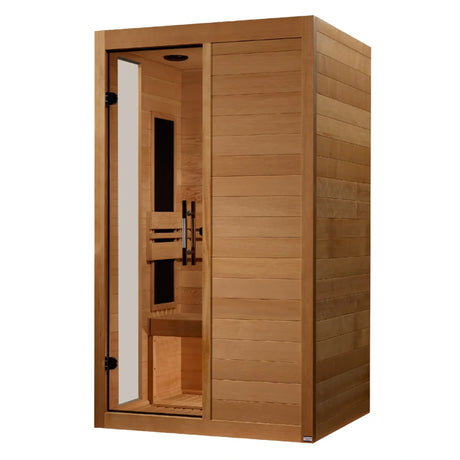
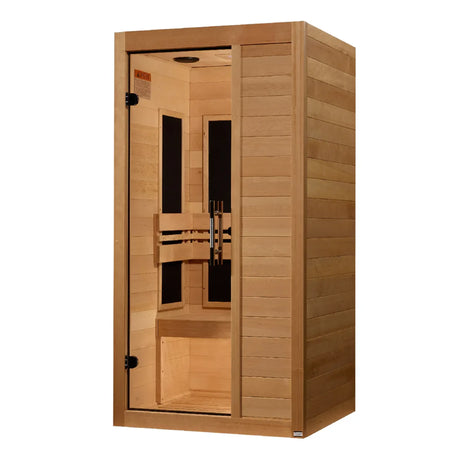
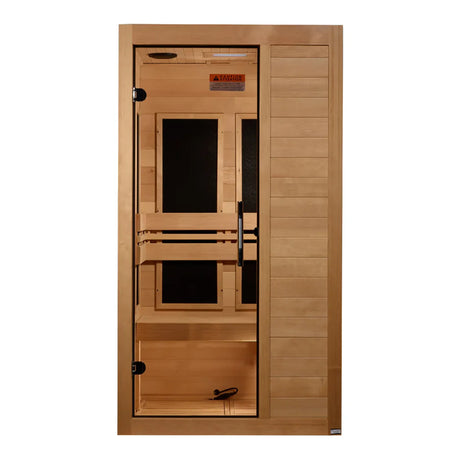
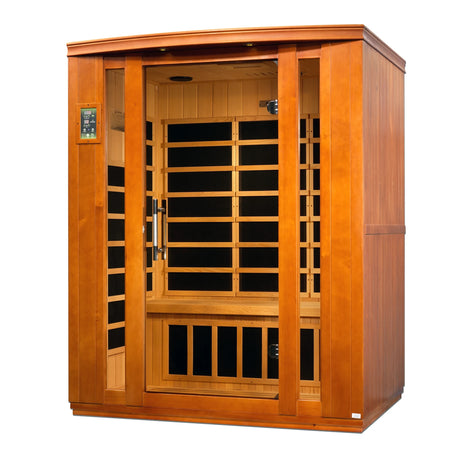
Departments are installing compact infrared sauna units right in or near living quarters and post-response wash-down stations. This setup enables immediate detox after exposure—when the body is most metabolically primed to sweat out intruders. Corner-style infrared models are particularly practical for firehouses with limited floor space. The Maxxus Alpine FAR Infrared Sauna – 3 Person Indoor Model is a solid option for departments looking for a freestanding 3-person unit that doesn't require a corner footprint. One honest trade-off: residential-grade infrared units are generally well-suited for consistent 2–4 sessions per week, but very high-frequency use across large shifts may warrant evaluating commercial-grade specifications. Our fire station sauna guide walks through those distinctions in detail.
2. Consistent Schedules After Exposure
Detox isn't something you do one time. It needs rhythm. Programs that work establish recurring sauna recovery protocols—like mandatory 20–30 minute sessions following moderate to high toxin events (including wildfires, building blazes, and HazMat cleanups).
3. Pair with Hydration and Mobility Work
Therapeutic sweating requires water replacement and lymphatic stimulation. So pairing infrared use with hydration strategies, contrast showers, and low-intensity stretching multiplies the detoxification effects. Departments providing a full post-call recovery protocol (including saunas) see improved operational readiness—and healthier firefighters. For a structured look at combining heat and cold contrast therapy, our guide on contrast therapy benefits and techniques is a practical starting point.
4. Educate the Crew
Firefighters are data-driven. They want to know why something matters. Leadership needs to present infrared therapy as part of their personal protective strategy—just like SCBAs or NFPA-rated gloves. This is about career longevity, cancer prevention, and quality of life. For departments exploring outdoor installation options — whether due to space constraints or preference — our guide on everything you need to know about outdoor saunas covers the key considerations around weatherproofing, electrical access, and session comfort in outdoor environments.
Why Infrared Is a Game-Changer for Firefighter Health
Base it on the facts. Back it with science. Validate it with real-world use cases. The data tells us this:
- Infrared saunas help eliminate toxins scientifically linked to fire scene exposure
- They accelerate physical recovery after high-exertion activity
- Their use contributes to lower blood pressure, better cardiovascular markers, and injury rehab
- They're a powerful solution for firefighter stress management and mental fatigue
This isn't a spa experience—this is practical performance medicine, tailored to the frontline warrior.

Conclusion: Elevating Firefighter Wellness with Infrared Innovation
So if you're still picturing an infrared sauna as a place to kick back after yoga—think again. For today's first responders, it's a detox command center, a circulation booster, and a mental reset chamber all rolled into one. With proven effects on toxin elimination, firefighter performance recovery, and overall body-system resilience, infrared saunas are rewriting what it means to protect the protectors.
Departments that integrate these tools into daily or bi-weekly wellness protocols are seeing long-term dividends—in team health, retirement readiness, and fewer long-term disability claims. Firefighters entrust their lives to the gear on their backs. It's time the wellness tools around them do the same.
Whether you're a department looking to invest in next-gen recovery tools, or a firefighter searching for personal wellness upgrades—you're not just buying a sauna. You're buying more time. More health. More life.
So fire up the circuit, close that glass door, and sweat with purpose. Because infrared saunas for firefighters are no longer a luxury. They're a lifeline—and one every firefighter deserves.
Ready to find the right unit? Browse our infrared sauna options — including the Maxxus Seaforth 3-Person Corner Model, the Maxxus Bondi Premium Corner Model, and the Maxxus Alpine 3-Person Model — or connect with our team to talk through what makes sense for your station, your budget, and your crew. You've got the mission. We help build the recovery room. Let's get to work.
Frequently Asked Questions About Infrared Saunas for Firefighters
1. What is the best type of sauna for firefighter recovery?
Infrared saunas are the best choice for firefighter recovery. Here's why:
- Deep tissue activation promotes circulation and speeds muscle recovery
- Lower operating temperatures (120–150°F) reduce cardiovascular strain compared to traditional saunas running at 150–195°F
- Efficient detoxification eliminates smoke-related toxins via sweat
- Sessions are more comfortable and longer-lasting than traditional saunas
Looking to upgrade your department's recovery tools? Explore infrared sauna models designed for responder wellness.
2. Which infrared sauna features matter most for firefighter wellness programs?
The most important infrared sauna features for firefighters include:
- Full-spectrum infrared heat for deep cellular detox benefits
- Low EMF output to minimize long-term exposure risks
- Quick heat-up time to use immediately after fireground exposure
- Durable Canadian hemlock or cedar wood — Canadian hemlock is hypoallergenic, resists warping, and doesn't off-gas at high temperatures, making it the standard choice for quality infrared units
- Ergonomic seating and spacious design for comfort during 20–30 minute sessions
Want maximum detox efficiency and comfort? Choose models engineered for high-frequency use and deep thermal penetration.
3. How do infrared saunas help firefighters eliminate toxins?
Infrared saunas detoxify firefighters by promoting sweat-based elimination of toxins like:
- Benzene, dioxins, and PAHs absorbed during fires
- Volatile organic compounds (VOCs) from smoke and equipment
- Heavy metals and petrochemicals stored in fat and tissue
These saunas stimulate deep sweating that mobilizes and flushes out stored toxins through the skin, reducing firefighter toxic load. Consider infrared detox as part of your post-exposure recovery plan.
4. How do infrared saunas compare to traditional saunas for firefighter use?
Infrared saunas outperform traditional saunas in comfort, detox efficiency, and recovery potential for most firefighter applications:
| Feature | Infrared Sauna | Traditional Sauna |
|---|---|---|
| Heating Method | Radiates body directly | Heats air around you |
| Temperature | 120–150°F (more tolerable) | 150–195°F (intense heat) |
| Session Length | 20–40 mins comfortably | 10–15 mins before overheating |
| Detox Efficacy | Deep sweat at cellular level | Surface-level perspiration |
| Cardio Strain | Low impact | Higher cardiovascular load |
For firefighter detox, performance recovery, and stress relief—infrared is the superior, safer option for the majority of users. That said, some veterans prefer the familiar ritual of traditional steam; both deliver real cardiovascular and recovery benefits.
5. Are infrared saunas worth the investment for fire departments?
Yes, infrared saunas are a smart investment for fire departments. Here's why:
- Long-term health benefits reduce cancer and chronic illness risk from toxin exposure
- Improved recovery speed enhances crew readiness and reduces rehab time
- Mental health support decreases occupational stress and burnout cases
- Cost-effective care compared to medical treatment or disability claims over time
Not every department needs top-of-the-line commercial equipment to see real benefits — a quality residential-grade infrared unit used consistently delivers meaningful results at a fraction of the cost. Infrared sauna use can extend career longevity and reduce long-term healthcare costs—making it a win for both wellness and budget.
6. How often should firefighters use an infrared sauna?
Firefighters should use infrared saunas 2–4 times per week or after any high-toxin event. Best practices include:
- Immediately post-fireground use for 20–30 minutes
- Hydration and stretching after sessions to optimize detox effect
- Weekly schedules built into wellness routines
Consistent infrared sauna use helps firefighters maintain toxicity control, cardiovascular health, and physical recovery.
7. Which infrared sauna model works well for fire station use?
For fire station installations, the key factors are capacity, footprint efficiency, and build quality suited to frequent use. Here's a quick comparison of three well-suited options:
| Model | Best For | Key Feature |
|---|---|---|
| Maxxus Seaforth Corner | Stations with corner space to utilize | 3-person capacity, space-efficient layout |
| Maxxus Bondi Premium Corner | Departments prioritizing premium build quality | Enhanced interior finish, 3-person corner design |
| Maxxus Alpine 3-Person | Flexible placement, non-corner rooms | Freestanding design, 3-person capacity |
All three are built from Canadian hemlock and run on far-infrared technology. For high-traffic department use, review electrical requirements early — most 3-person infrared units need a dedicated 20-amp circuit.
8. Can infrared saunas help reduce stress and improve firefighter mental health?
Yes, infrared saunas significantly reduce firefighter stress and support mental health through:
- Lowering cortisol—the body's stress hormone
- Activating the parasympathetic nervous system to enhance calm
- Improving sleep quality and reducing hypervigilance symptoms
- Providing a mental reset after traumatic calls
Looking for natural tools to manage fatigue and emotional load? Infrared therapy offers powerful support for stress regulation.
The Next Step Toward Stronger, Safer Firefighter Lives
If there's one thing we've made clear—it's this: infrared saunas aren't just a wellness trend. They're a frontline strategy built for the unique physical, chemical, and psychological demands that firefighters face daily.
We've covered the science, the field data, and the real-life results. From flushing dangerous toxins and easing operational fatigue, to boosting cardiovascular health and calming the mental storm—it's all there. And the best part? It's achievable without overhauling your infrastructure or disrupting your routine. Just smart, consistent integration.
The reality is: firefighters give everything. Every shift. Every call. And it's time that the wellness routines supporting them match that same level of commitment.
If you or your department is ready to level up recovery, resilience, and long-term health—it's time to look at infrared saunas not as an option, but as a must-have.
At Blue Sky Fitness Supply, we provide premium infrared sauna systems that meet the needs of firehouses, wellness programs, and individual firefighters who are serious about protecting their future. Reach out to our team to learn more, or browse our range of professional-grade infrared saunas designed to support real recovery—for real heroes.
You've got the mission. We help build the recovery room. Let's get to work.