

Table of Contents:
- Why Gym Flooring is the Most Important Choice for Your Workout Space
- Types of Gym Flooring: Picking the Best Option
- Why Material Durability Matters
- The Value of Gym Surface Personalization
- Cost vs. Maintenance: A Complete Breakdown
- Expert Tips for Choosing the Perfect Flooring
- Frequently Asked Questions About Gym Flooring
- Build Your Workout Space from the Ground Up
Why Gym Flooring is the Most Important Choice for Your Workout Space
When setting up a gym — whether a small home setup or a commercial facility — most people immediately focus on machines, weights, and mirrors. But the often-overlooked gym flooring can make or break your fitness space. Your flooring takes constant punishment from heavy machines, dropped dumbbells, and hundreds of repetitive steps. Choose the wrong material, and you could end up with damaged equipment, noise complaints, or injured users.
Gym flooring isn't only about durability or safety. It's also about versatility and customization — a chance to build a space perfectly tailored to your training style and facility needs. For a deeper look at how flooring decisions change across different facility types, the Ultimate Guide to Gym Flooring for Home and Commercial Use is a useful starting point. This article breaks down the main types of gym flooring and what considerations matter most before making one of the most important gym purchasing decisions you'll face.
Types of Gym Flooring: Picking the Best Option
When selecting gym flooring, you're typically choosing between gym mats, rubber tiles, and rolled rubber flooring. The right choice depends on the specifics of your workout area.
1. Gym Mats
Gym mats (sometimes called horse stall mats) are portable, budget-friendly, and easy to replace. However, they may not stay in place during high-intensity movements since they rely on their weight alone rather than any locking mechanism. Gym mats are a solid choice for smaller setups like home gyms or corners of a fitness studio where lower-intensity workouts are planned — stretching, bodyweight exercises, and similar activities.
2. Interlocking Rubber Tiles
Like a giant fitness-focused puzzle, rubber tiles snap together quickly and easily, offering a customizable flooring layout with fewer gaps than gym mats. They're an excellent solution for oddly-shaped spaces or modular gyms that may expand over time — and for irregular rooms in particular, tiles tend to produce less material waste than rolls during cutting and fitting. DIY installation makes them highly appealing for homeowners, and their durability is a clear step up from basic gym mats. Check out a popular interlocking rubber tile option here.
3. Rolled Rubber Flooring
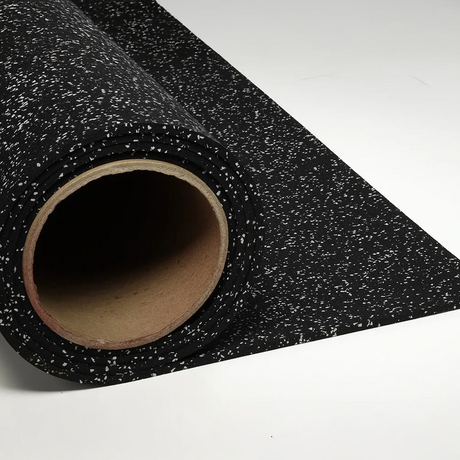
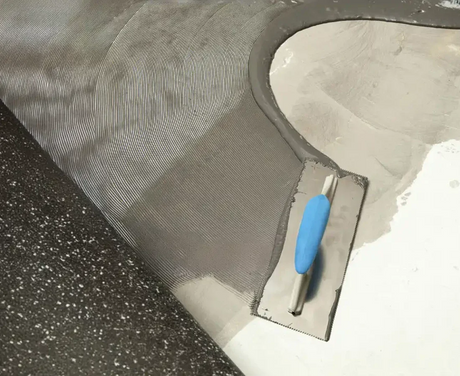
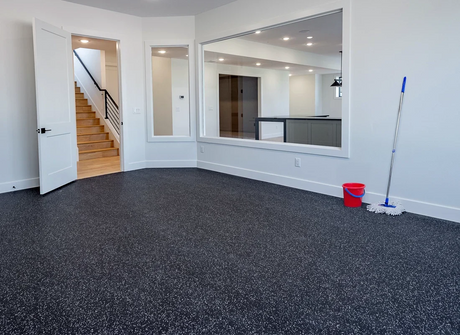
For a seamless look and full-floor coverage, rolled rubber gym flooring is the standard. Commonly used in commercial fitness centers and larger workout spaces, this option delivers durability and consistent performance under heavy machinery and high foot traffic. For rectangular rooms especially, rolls are more material-efficient than tiles and tend to cost less per square foot at scale. Options like the ECORE Basic Fit Rubber Roll and the ECORE Blade Rubber Roll — both at 9mm thickness — represent the kind of commercial-grade performance most facilities need. While economical for covering large areas, professional installation is often recommended for a smooth finish. Keep in mind this is a permanent solution — if installed in a home gym and you move, you can't take the floor with you like you can with mats or tiles.

Why Material Durability Matters
When you're pounding away with kettlebells or dropping weight plates, the last thing you want is your flooring giving out. Most gym flooring — mats, tiles, and rolls — is made from rubber compounds designed for toughness. Recycled rubber is an eco-friendly and affordable choice, though it comes with a noticeable odor when new. Virgin rubber is pricier but offers more customization options and is virtually odor-free. Both come in thicknesses ranging from 1/3" to 1" or more, allowing you to tailor your gym's flooring to different workout intensities.
One distinction worth understanding is vulcanized rubber: the vulcanization process creates stronger molecular bonds between rubber particles, resulting in a denser, longer-lasting product. The trade-off is a stronger initial off-gassing smell — plan to ventilate the space well for the first two weeks after installation. It's also worth knowing that not all recycled rubber tiles are created equal; the ratio of post-consumer to post-industrial rubber content affects both performance and odor, so ask your supplier about the composition before ordering. For a detailed breakdown of the leading rubber flooring brands and how they compare, see our ECORE vs Regupol vs Mondo comparison.
If your facility handles heavy lifting or commercial equipment, you'll want flooring that can take the weight without breaking down. A key rule of thumb: 6mm rolls are fine for yoga or stretching areas, but for dedicated free weight zones or deadlift platforms, go with a minimum of 8mm — and 9–10mm is a safer target for areas with regular drops. For sustainability-minded buyers, recycled rubber flooring from brands like ECORE Athletic offers both durability and environmental responsibility. And if your gym is located on an upper floor of a multi-story building, check whether your local building code requires acoustic underlayment beneath the rubber — this is a commonly overlooked line item that can affect your total project budget.
The Value of Gym Surface Personalization
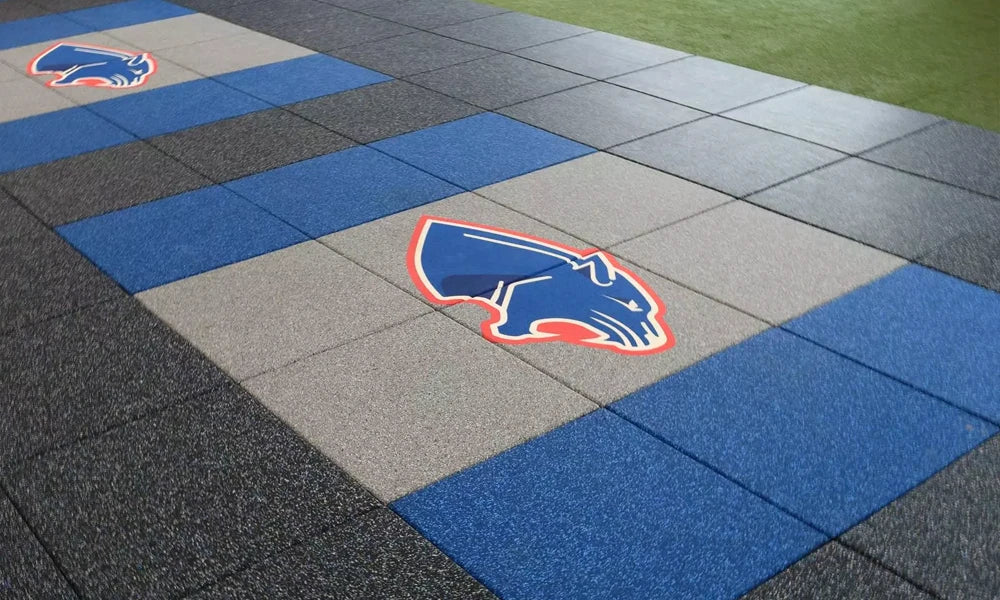
Your gym space should reflect your fitness goals and brand identity. Many gym flooring manufacturers now offer gym surface personalization options — custom colors, designs, logos, and textured finishes to improve traction. Whether you're outfitting a home gym with neutral tones or branding a commercial weight room with custom logos, these options let your space stand out while remaining fully functional.
While customization typically comes with additional upfront costs, it pays off in professionalism and personality. Clients entering your fitness facility immediately recognize a high level of care — from the ground up.
Cost vs. Maintenance: A Complete Breakdown
Gym flooring is an investment, and not all options cost the same. Here's how they compare on price and upkeep:
| Type | Cost Range | Maintenance |
|---|---|---|
| Gym Mats | $ - $$ | Simple to clean, may require periodic replacement |
| Interlocking Rubber Tiles | $$ - $$$ | Easy to clean, damaged tiles can be swapped individually |
| Rolled Rubber Flooring | $$ - $$$$ | Highly durable, requires regular cleaning. Not easy to swap damaged areas |
Key takeaway: If you're working with a limited budget or a small space, gym mats are the most economical choice. For more extensive spaces or commercial gyms, rolled rubber costs more upfront but offers long-term durability that minimizes replacement expenses. Rubber tiles hit the sweet spot for most facilities and buyers. One practical note regardless of which type you choose: always order 2–3% more material than your room's square footage to account for edge cuts and fitting — it's a common mistake to order exact dimensions and end up short.
Expert Tips for Choosing the Perfect Flooring
Selecting the ideal flooring doesn't need to be overwhelming. Start by evaluating your gym size, budget, and equipment needs. If you prioritize flexibility and easy installation, interlocking rubber tiles might be your best bet. For heavier equipment or larger areas, rolled rubber gym flooring offers robust, seamless coverage that holds up under pressure. When planning your space, IHRSA recommends a minimum of 3 square meters per person for gym floor planning — though experienced facility operators often plan for 4–5 square meters per user to avoid overcrowding during peak hours.
Don't overlook noise reduction. Dropped weights vibrate through floors, and rubber-based mats and rolls are essential for keeping the peace in shared spaces. To understand the full case for rubber as a flooring material, it's worth reading why rubber flooring is the ultimate choice for gyms. For more on how flooring affects sound control specifically, read our guide on shock-absorbing gym floors and noise reduction. Also consider future expansion plans when choosing flooring to ensure you're investing wisely for the long term.
If you're planning a full installation, our gym flooring installation guide walks through every step from subfloor prep to final curing. And don't forget to account for flooring accessories — transition strips, adhesives, and edge trim pieces that complete the installation and protect the perimeter of your floor from lifting or curling over time.

Frequently Asked Questions About Gym Flooring
1. What type of gym flooring is best for home gyms?
Interlocking rubber tiles are the best all-around option for home gyms. They provide excellent durability, easy installation, and can be customized to fit your space. For small workout zones, gym mats are portable and budget-friendly, ideal for cushioning specific areas like weightlifting zones or stretching corners.
2. Are gym mats better than interlocking tiles or rolled rubber flooring?
Each type has distinct advantages:
- Gym Mats: Best for small areas, easy to replace, and portable.
- Interlocking Tiles: Great for medium-sized spaces, customizable, fewer seams than mats, and easy to install.
- Rolled Rubber: Ideal for large spaces, seamless coverage, and long-term durability.
Your choice depends on the size of your gym, budget, and intended use.
3. How much does gym flooring cost?
Cost varies by type:
- Gym Mats: $–$$. Affordable for small zones.
- Interlocking Tiles: $$–$$$. A mid-range option with customization and durability.
- Rolled Rubber Flooring: $$–$$$$. Economical for large areas but may have higher installation costs.
Final cost depends on the size of your space and quality of materials chosen. Remember to budget for accessories like edge trim and adhesives, and always order 2–3% extra material to account for cuts.
4. What thickness of gym flooring is best for heavy weights?
Use a minimum of 8mm (roughly 1/3") for general weightlifting zones — but for dedicated deadlift platforms or free weight areas where plates are regularly dropped, step up to at least 9–10mm for adequate subfloor protection. Thicker flooring also improves impact absorption, reducing noise and vibration. A 6mm roll is suitable for yoga or stretching areas but is not appropriate for heavy free weight use.
5. Can I install gym flooring myself?
Yes, especially interlocking rubber tiles or gym mats, which are designed for DIY installation. Rolled rubber flooring may require professional installation for seamless results, particularly in large spaces. Assess the complexity of your project before deciding.
6. What is the most durable material for gym flooring?
Rubber is the most durable material for gym flooring. Recycled rubber is eco-friendly and cost-effective, while virgin rubber offers more color options and less odor. Vulcanized rubber — used in premium commercial products — features stronger molecular bonds for an even longer lifespan, though it requires good ventilation during the first couple of weeks after installation. Both recycled and virgin rubber are highly resistant to wear and tear, making them ideal for heavy gym use.
7. How do I maintain gym flooring?
Maintain gym flooring by following these steps:
- Clean regularly with a mild soap and water solution. E-Cleaner is a great product for this.
- Avoid harsh chemicals that may damage the material.
- Replace damaged gym mats or tiles promptly.
Consistent cleaning and maintenance prolongs the life of your gym flooring and keeps it hygienic.
8. Is personalized gym flooring worth the investment?
Yes, if aesthetic appeal or branding is a priority. Custom options like unique colors, logos, or textured finishes enhance the look of your space while maintaining functionality. While personalization costs more initially, it adds a professional appearance that clients and members notice immediately.
Build Your Workout Space from the Ground Up
The right flooring isn't just a detail — it's the foundation for a safe, functional, and professional fitness space. Understanding the differences between gym mats, interlocking tiles, and rolled rubber empowers you to make an informed choice that matches your space, budget, and training goals.
At Blue Sky Fit Supply, we offer a full range of gym flooring solutions. Whether you need rubber tiles, rolled rubber, or products from the ECORE Athletic collection, our team is here to help you choose the right flooring for your facility. Browse our flooring accessories to make sure your installation is complete from edge to edge, and browse our full flooring selection to get started.