

Table of Contents:
- What Are Rubber Pavers and How Do They Work?
- Rubber Pavers vs. Concrete: Complete Cost Analysis
- Durability Showdown: How Rubber Pavers Outperform Concrete
- Safety and Environmental Impact: Why Recycled Rubber Pavers Win
- Installation Requirements: What You Need to Know
- Rubber Pavers vs. Concrete: Side-by-Side Comparison
- Frequently Asked Questions
- Making the Right Choice for Your Patio
Traditional concrete patios dominated outdoor spaces for decades, but a superior alternative is changing how homeowners think about patio construction. Rubber pavers offer compelling advantages over concrete in cost, durability, and safety — making them the smarter choice for most patio projects.
But here's what surprises most homeowners: rubber pavers cost between $9.00 to $13.00 per square foot while concrete costs $8.00 to $18.00 per square foot, making rubber the more affordable option in many cases. Beyond initial cost, rubber pavers are four times stronger than concrete slabs and provide better shock absorption.
The choice between rubber pavers and concrete involves several critical factors: upfront material costs, installation complexity, long-term durability, maintenance requirements, and safety considerations. Environmental impact also plays an increasingly important role as homeowners seek sustainable building materials. Each factor tilts the scales toward rubber pavers for most residential patio applications.
This comprehensive comparison examines every aspect of rubber pavers versus concrete, from initial investment through decades of use. You'll discover why rubber pavers are emerging as the clear winner for durability, cost-effectiveness, and environmental responsibility — plus specific situations where concrete might still make sense for your project.
What Are Rubber Pavers and How Do They Work?
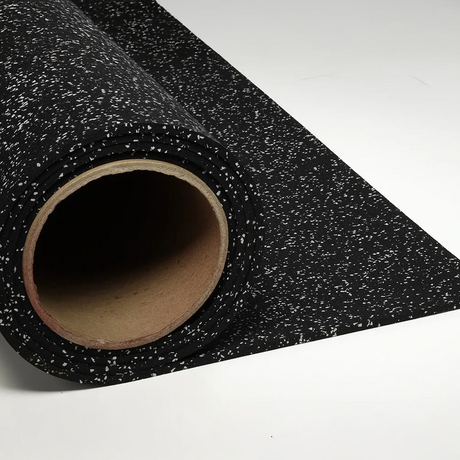
Rubber pavers are interlocking tiles made primarily from recycled tire rubber, engineered to provide a durable, flexible alternative to traditional concrete pavers. The manufacturing process transforms discarded tires into high-performance paving materials through grinding, cleaning, and molding processes that create uniform, weather-resistant tiles.
The composition tells an environmental success story. Most rubber pavers are made from 100% recycled tire rubber, diverting thousands of tires from landfills while creating superior paving materials. This recycled content doesn't compromise performance — it enhances it by providing the flexibility and shock absorption that concrete cannot match.
Also known as rubber dog bone pavers, they represent one of the most popular designs in the paver category. These interlocking tiles feature a distinctive bone-shaped profile with connecting tabs that create secure, stable surfaces. The dog bone design isn't just aesthetic — it serves functional purposes by allowing water drainage between pavers while maintaining structural integrity under load.
The interlocking mechanism sets rubber pavers apart from concrete slabs. Where concrete relies on solid mass and mortar joints, quality rubber pavers use precision-engineered tabs and grooves that flex together under pressure. This flexibility prevents the cracking and shifting that plague concrete installations, especially in regions with freeze-thaw cycles.
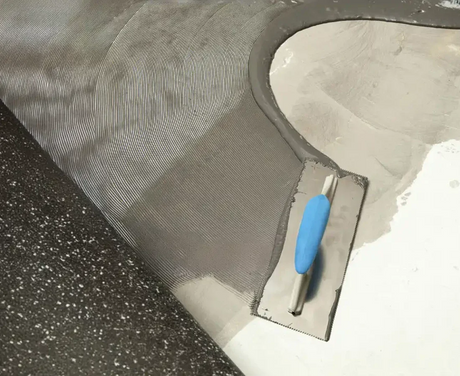
Installation methodology differs significantly from concrete pours. Rubber pavers install as individual units over prepared base materials, similar to ceramic tile but with greater tolerance for substrate imperfections. Rubber pavers can be installed directly over existing concrete surfaces without excavation, dramatically reducing project complexity and cost.
Base preparation still matters, despite rubber's forgiving nature. Proper drainage and leveling ensure optimal performance, but rubber pavers accommodate minor irregularities that would cause concrete to crack. The individual paver system also enables easy repairs — damaged sections can be replaced without disturbing surrounding areas, unlike concrete slabs that require cutting and patching.
Performance characteristics distinguish rubber pavers from all other paving materials. They provide consistent slip resistance in wet conditions, excellent shock absorption for safety, and thermal properties that remain comfortable underfoot in various weather conditions. These functional benefits explain why commercial fitness facilities increasingly specify rubber pavers for outdoor workout areas and high-traffic zones.
Rubber Pavers vs. Concrete: Complete Cost Analysis
Material costs reveal the first surprise in the rubber versus concrete comparison. Rubber pavers cost $9-$13 per square foot for materials, while concrete costs $8-$18 per square foot. This price advantage for rubber pavers increases when comparing premium grades — high-quality rubber pavers often cost less than decorative concrete options.

Installation costs tell a more complex story. Installation costs for rubber paving range from $2-$5 per square foot depending on location, job size, time of year, etc. The lower end of rubber paver installation reflects the simplified process with less labor required — no concrete mixing, pouring, curing time, or heavy equipment requirements. What is a multi-day process with concrete, can be completed in a day for most residential paver jobs with basic tools and much simpler labor.
Weather dependency affects concrete costs more severely than rubber installations. Concrete cannot be poured in freezing temperatures or extreme heat without special (expensive) measures. Rain can destroy freshly poured concrete, requiring complete removal and replacement. Professional-grade options like ECORE rubber pavers install in most weather conditions, reducing project delays and associated costs.
Long-term maintenance costs favor rubber pavers significantly. Concrete requires periodic sealing, crack repair, and eventual replacement sections as freeze-thaw damage accumulates. Professional concrete repair averages $300-$500 per incident, with major cracks requiring complete section replacement. Rubber pavers need occasional cleaning and extremely rare individual tile replacement — typically costing under $50 per incident.
As a commercial flooring distributor, we've seen how the initial cost difference between rubber and concrete becomes negligible when factoring in long-term durability and maintenance savings. Concrete's seemingly lower upfront cost disappears when you calculate 20-year total ownership costs including repairs, replacements, and downtime.
Replacement timeline analysis reveals rubber paver's superior value proposition. Quality rubber pavers last 20+ years with minimal intervention, while concrete patios typically require major repairs or replacement within 10-15 years in harsh climates. The replacement cycle cost for concrete can exceed the total lifetime cost of rubber pavers in many applications.
Hidden costs compound concrete's expense profile. Concrete removal requires heavy equipment and disposal fees averaging $2-$4 per square foot. Rubber pavers can often be lifted and reused, or recycled back into new pavers, eliminating disposal costs while recovering some material value. This end-of-life consideration becomes increasingly important as environmental regulations tighten around construction waste.
Durability Showdown: How Rubber Pavers Outperform Concrete
Lifespan expectations create the foundation for any durability comparison. Rubber pavers have a lifespan of over 20 years, consistently outlasting concrete in outdoor applications. This longevity comes from fundamental material properties that address concrete's primary failure modes: cracking, spalling, and structural degradation.
Freeze-thaw performance represents concrete's Achilles heel in northern climates. Concrete is more prone to cracking from freeze-thaw cycles compared to flexible rubber pavers. Water penetrates concrete's porous structure, expands when frozen, and creates internal pressure that causes cracking and spalling. This cycle repeats each winter, progressively weakening concrete until replacement becomes necessary.
Rubber pavers excel in freeze-thaw conditions where concrete commonly fails due to their flexible nature. The recycled rubber composition allows expansion and contraction without structural damage. Individual paver systems also prevent crack propagation — if one section experiences stress, it cannot transmit failure to adjacent areas as happens with monolithic concrete slabs.
Strength measurements reveal another advantage for rubber pavers. Rubber pavers are four times stronger than concrete slabs in flexural strength testing. This superior strength comes from rubber's ability to deform under load and return to original shape, while concrete can only resist force until it reaches failure point and cracks.
Impact resistance matters more than most homeowners realize. Dropped tools, furniture legs, and normal wear create point loads that fracture concrete but bounce off rubber pavers. This shock absorption property explains why commercial facilities specify rubber pavers for areas with heavy equipment or high foot traffic. The material's elasticity distributes impact forces across larger areas, preventing localized damage.
In our experience supplying commercial-grade flooring, rubber's flexibility advantage in freeze-thaw conditions has made it the preferred choice for outdoor fitness facilities and high-traffic areas. Facilities that switched from concrete to eco-friendly ECORE rubber flooring report dramatic reductions in maintenance calls and replacement costs.
UV resistance testing shows both materials perform well under sun exposure, but with different aging characteristics. Concrete may develop surface scaling and color changes over time, while rubber pavers fade gradually but maintain structural integrity. Quality rubber pavers include UV stabilizers that prevent rapid degradation, ensuring color retention for years longer than untreated concrete.
Maintenance requirements differ substantially between the materials. Concrete needs regular sealing, crack monitoring, and prompt repair of any damage to prevent water infiltration. Rubber pavers require only periodic cleaning and extremely rare individual tile replacement. The modular design means repairs never require disturbing surrounding areas or matching color and texture of aged materials.
Load-bearing capacity varies by application, but rubber pavers handle normal residential loads easily while providing better cushioning than concrete. For areas requiring extreme load capacity (heavy vehicle traffic), concrete may have advantages, but such applications are rare in residential patio settings where rubber pavers excel.
Safety and Environmental Impact: Why Recycled Rubber Pavers Win
Slip resistance creates the most immediate safety difference between rubber pavers and concrete. Rubber pavers are slip-resistant even when wet, providing superior traction in conditions where concrete becomes dangerously slippery. This safety advantage stems from rubber's natural texture and water-channeling design that prevents surface water buildup.

Shock absorption properties make rubber pavers significantly safer for active use areas. The material's elasticity reduces impact forces on joints and bones — a critical consideration for patios used for exercise, children's play, or areas where falls might occur. Concrete's rigid surface transmits full impact force to anyone who falls, while rubber pavers absorb and distribute impact energy.
Dog bone rubber pavers are also widely used in commercial outdoor fitness spaces for shock absorption and grip. This commercial adoption proves rubber pavers' safety credentials under demanding conditions. Fitness facilities cannot afford slip-and-fall incidents, making their material choices excellent indicators of real-world safety performance.
We've supplied rubber pavers to numerous commercial fitness centers specifically because of their superior shock absorption and slip resistance compared to concrete alternatives. When choosing between different rubber flooring systems, facilities often consider gym flooring types to determine the best solution for their specific needs. These facilities consistently report fewer injuries and insurance claims after switching from concrete to rubber surfaces.
Environmental impact analysis strongly favors rubber pavers. Most rubber pavers are made from 100% recycled tire rubber, diverting waste from landfills while creating useful products. Each square foot of rubber paver typically contains the equivalent of one recycled tire, making patio installation a significant environmental contribution.
Concrete's environmental footprint includes cement production — one of the world's largest sources of carbon dioxide emissions. Cement manufacturing accounts for approximately 8% of global CO2 emissions, making concrete choice a climate consideration. Rubber pavers use waste materials as their primary input, creating positive environmental impact rather than adding to pollution.
Heat retention characteristics affect both safety and comfort. Concrete absorbs and retains heat, creating surface temperatures that can burn bare feet on hot summer days. Rubber pavers warm more slowly and remain cooler to the touch, though they do retain some heat. The difference is typically 10-15 degrees Fahrenheit under identical conditions — often the difference between comfortable and uncomfortable surfaces.
Chemical resistance properties favor rubber pavers in many applications. Concrete can be stained or damaged by common household chemicals, pool chemicals, and even acidic substances like tomato juice or citrus. Rubber pavers resist most chemical damage and clean easily with standard household cleaners. This chemical resistance translates to better appearance retention and lower maintenance over time.
For commercial fitness applications, rubber pavers provide essential shock absorption and slip resistance that concrete cannot match. The material meets safety standards for exercise surfaces while providing the durability needed for heavy use. This combination of safety and performance explains why professional facilities choose rubber pavers over concrete alternatives.
Installation Requirements: What You Need to Know
Installation complexity differs dramatically between rubber pavers and concrete. Concrete requires precise mixing ratios, proper curing conditions, and experienced crews familiar with finishing techniques. Rubber paver installation resembles tile work — more forgiving and accessible to skilled DIYers or general contractors without specialized concrete experience.
Base preparation requirements apply to both materials but with different tolerance levels. Rubber pavers can be installed directly over existing concrete surfaces without excavation, dramatically simplifying many projects. This capability eliminates excavation costs, disposal fees, and weeks of construction time required for concrete replacement.
However, proper base preparation is critical for all paver installations — rubber's flexibility doesn't eliminate this requirement. Even when installing over existing concrete, the surface must be clean, level, and structurally sound. Cracked or settling concrete will telegraph problems through rubber pavers over time, though the flexible material accommodates minor imperfections better than rigid alternatives.
Time requirements strongly favor rubber paver installation. Concrete pours require multiple days for setup, pouring, finishing, and curing before the surface can be used. Rubber pavers install in hours and are immediately ready for foot traffic. This quick installation reduces project disruption and eliminates the weather-dependency that can delay concrete projects for weeks.
Tool and equipment needs differ significantly. Concrete requires mixers, floats, edgers, and specialized finishing tools operated by experienced crews. Rubber paver installation uses basic hand tools: levels, rubber mallets, and cutting tools for edge pieces. The reduced equipment requirements lower both tool rental costs and the skill level needed for successful installation.
DIY feasibility gives rubber pavers a clear advantage. Homeowners comfortable with tile or decking projects can successfully install rubber pavers using manufacturer guidelines. Concrete requires professional expertise to achieve good results — improper mixing, finishing, or curing creates permanent problems that require expensive remediation.
Rubber dog bone pavers offer specific installation advantages through their interlocking design. The tabs and grooves create self-aligning systems that maintain straight lines and consistent gaps. This design feature helps prevent the wandering joints and alignment issues that plague amateur paver installations while providing superior stability under load.
Weather restrictions affect installation scheduling differently. Concrete cannot be poured in freezing temperatures, extreme heat, or wet conditions without special measures that increase costs significantly. Rubber pavers install in most weather conditions, though extreme cold can make the material less flexible and harder to work with. This weather independence reduces project delays and seasonal scheduling constraints.
Substrate compatibility gives rubber pavers versatility that concrete lacks. Beyond existing concrete, rubber pavers install over compacted gravel, existing pavers, and properly prepared soil. This adaptability allows rubber pavers to work in situations where concrete would require extensive preparation or might not be feasible at all.
For more information on how to install rubber pavers given your specific subfloor, check out our interactive tutorial on how to install rubber pavers. Just click the link and scroll down to the tutorial to learn more.
Rubber Pavers vs. Concrete: Side-by-Side Comparison
The comprehensive comparison reveals rubber pavers' advantages across most evaluation criteria. This table summarizes key factors for quick reference when making your patio material decision:
| Factor | Rubber Pavers | Concrete |
|---|---|---|
| Material Cost | $6.00-$11.00 per sq ft | $8.00-$18.00 per sq ft |
| Installation Cost | $10-$20 per sq ft | $21.74-$28.49 per sq ft |
| Lifespan | 20+ years | 10-15 years (harsh climates) |
| Crack Resistance | Excellent (flexible material) | Poor (freeze-thaw damage) |
| Slip Resistance | Superior when wet | Dangerous when wet |
| Environmental Impact | 100% recycled content | High CO2 emissions |
| Maintenance Requirements | Minimal cleaning only | Regular sealing, crack repair |
| Installation Flexibility | Over existing surfaces | Requires full excavation |
Frequently Asked Questions
1. Do rubber pavers get hot in summer sun?
Rubber pavers do warm in direct sunlight but remain cooler than concrete surfaces. Expect temperatures 10-15°F lower than concrete under identical conditions. Dark colors retain more heat than lighter colors, but rubber's thermal properties prevent the extreme surface temperatures that make concrete uncomfortable for bare feet.
2. How long do rubber pavers actually last?
Quality rubber pavers last 20+ years with minimal maintenance. Commercial installations often exceed this lifespan with proper care. The key is choosing pavers with UV stabilizers and adequate thickness for your application. Thin pavers (under 1 inch) may wear faster in high-traffic areas.
3. Can I install rubber pavers myself?
Yes, rubber paver installation is more DIY-friendly than concrete. Basic tools and tile-laying experience are sufficient for most residential projects. However, proper base preparation remains crucial — this is where professionals add value even in DIY projects. Consider professional consultation for base work and DIY installation of the pavers themselves.
4. Do rubber pavers work in all climates?
Rubber pavers excel in harsh climates where concrete fails. They handle freeze-thaw cycles, extreme temperature swings, and high moisture conditions better than concrete. Desert climates with extreme heat may require lighter colors to manage surface temperatures, but the material performs well in all climate zones.
5. How do I clean and maintain rubber pavers?
Regular cleaning with soap and water handles most maintenance needs. Pressure washing works well for deeper cleaning, though high pressure isn't necessary. Avoid petroleum-based cleaners that can damage rubber. Individual damaged pavers can be replaced without disturbing surrounding areas — no cutting or patching required.
6. What about drainage with rubber pavers?
Rubber dog bone pavers provide superior drainage through their interlocking design. Water flows between pavers and through the base material, preventing puddling common with solid concrete surfaces. Proper base preparation with drainage stone enhances this natural advantage.
7. Are rubber pavers available in different colors and styles?
Yes, rubber pavers come in various colors, textures, and patterns. Popular options include brick red, gray, brown, and green. Some manufacturers offer custom colors for larger projects. Texture options range from smooth surfaces to aggressive grips for high-traction applications like pool decks or exercise areas.
8. How do rubber pavers compare to other paver materials like brick or stone?
Rubber pavers offer better shock absorption and slip resistance than brick or stone. They cost less than natural stone and install more easily. However, some prefer the traditional aesthetic of natural materials. Rubber pavers provide superior performance characteristics while natural materials offer classic appearance — the choice depends on priorities.
Making the Right Choice for Your Patio
Rubber pavers emerge as the superior choice for most residential patio applications. They cost less upfront, install more easily, last longer, and provide better safety characteristics than concrete alternatives. The environmental benefits of recycled rubber pavers align with growing sustainability awareness while delivering practical performance advantages.
Concrete retains advantages in specific situations: ultra-heavy load requirements, desire for traditional appearance, or budgets that cannot accommodate any upfront premium. However, these situations represent exceptions rather than typical residential patio projects where rubber pavers excel.
The total cost analysis strongly favors rubber pavers when considering 20-year ownership costs. Lower installation costs, minimal maintenance requirements, and superior longevity create compelling economics that improve over time. Climate considerations make rubber pavers especially attractive in regions with freeze-thaw cycles where concrete consistently fails.
Blue Sky Fitness Supply offers premium ECORE rubber paver solutions that meet commercial-grade standards for residential applications. Our experience with high-traffic commercial installations translates to superior products for demanding residential use. When you're ready to explore rubber flooring options that outperform concrete in durability, safety, and cost-effectiveness, contact Blue Sky Fitness Supply for expert guidance on the right rubber paver solution for your project.