
Table of Contents:
- What Is a Rowing Machine and How Does It Work?
- 5 Benefits of Rowing Machines You Can't Afford to Overlook
- How a Rowing Machine Delivers a Total-Body Workout
- Rowing Workouts for Beginners, Intermediates, and Pros
- Shopping for the Best Rowing Machine: What to Consider
- Maximizing Your Routine: Pro Tips
- FAQs About Rowing Machines
- Your Fitness Journey Starts with Each Stroke
Imagine this: one piece of gym cardio which burns upwards of 600 calories per hour, engages 86% of your muscles with every stroke, and combines the heart-pounding benefits of cardio with the muscle-toning perks of strength training—all without punishing your joints. Sounds too good to be true, doesn't it? But that's exactly what a rowing machine delivers.
Sure, we've all seen rowing machines tucked away in the corner of gyms or on the fringes of at-home workout setups. But here's the surprising part: most people vastly underestimate their power. Why? Because while treadmills and bikes dominate the cardio conversation, they simply don't compare to the total-body engagement a rowing machine provides. It's not just about sweating—it's about working smarter, maximizing your time, and targeting virtually every muscle in your body in a single workout session.
This overlooked fitness powerhouse isn't just for elite athletes or CrossFit enthusiasts. Whether you're a seasoned gym-goer or someone who hasn't worked out in years, the rowing machine is your ticket to building strength, torching fat, and boosting endurance—all at YOUR pace in a safe way which minimizes any possible chance of injury. Ready to transform the way you approach exercise? Let's uncover how this game-changing tool can revolutionize your fitness routine.
What Is a Rowing Machine and How Does It Work?
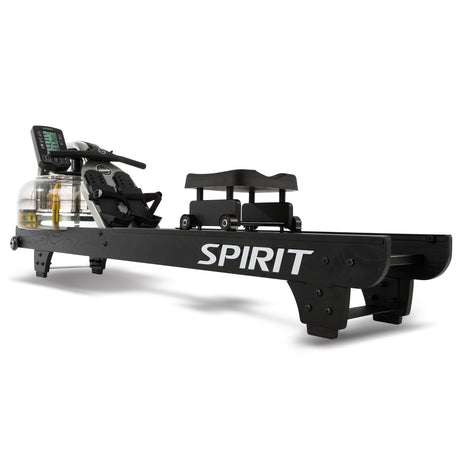
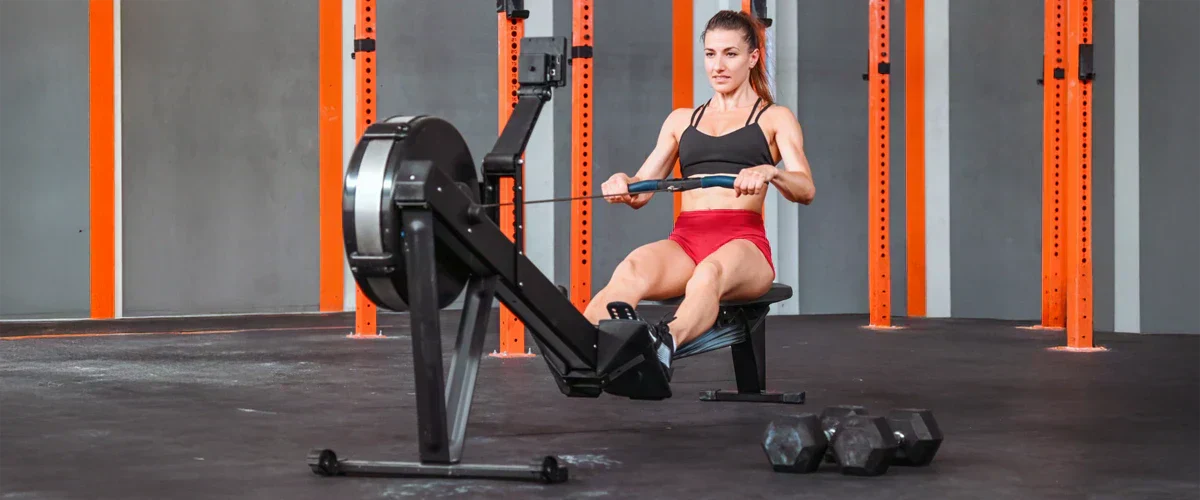
A rowing machine, or "erg," mimics the motion of rowing a boat across the water. It's a straightforward yet highly effective piece of equipment, designed to provide users with a full-body cardio experience alongside strength-building benefits. Rowing machines typically feature a sliding seat, a handlebar, footrests, and a resistance mechanism. By sitting on the sliding seat and repeatedly pulling the handlebar while pushing with your legs, you engage the same muscles you'd use while rowing on the water.
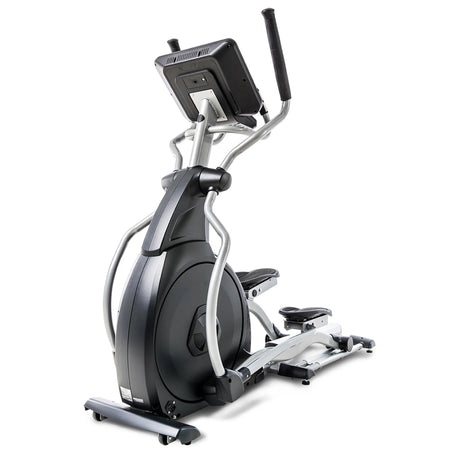
Some rowing machines use air resistance, others rely on water, and some utilize a magnetic or hydraulic system. The performance monitor—a must-have feature—tracks crucial data like strokes per minute, distance, calories burned, and more, helping you monitor your progress and compete against yourself as you row your way to better health and fitness! If you're comparing cardio options for a home gym or facility, it's worth noting that rowing machines offer a distinct advantage over single-plane machines: unlike a stationary bike or elliptical—which, as we cover in our guide to low-impact elliptical cardio benefits, excels at joint-friendly lower-body conditioning—the rower recruits the upper body and posterior chain simultaneously, making it a genuinely different stimulus.
5 Benefits of Rowing Machines You Can't Afford to Overlook
If you've ever wondered how a rowing machine can pack such a punch, the secret lies in its ability to combine cardio with strength in one seamless motion. Let's break down its top advantages:
- Full-Body Engagement: Unlike treadmills or stationary bikes, rowing activates 86% of your muscles, from your quads and glutes to your upper back, core, and arms Cardio Online
- Low Impact, High Reward: Its low-impact nature makes rowing a standout for anyone concerned with joint health—perfect for those recovering from injuries or managing arthritis Cleveland Clinic
- Massive Calorie Burn: Rowing burns an impressive 600-800 calories per hour, making it an efficient choice for weight loss or fat burning Shape.com
- Improved Posture: Strengthening your posterior chain (the muscles along the back of your body), rowing helps counteract the effects of sitting and slouching. This is especially valuable for members who spend long hours at a desk—consistent rowing builds the mid-back and lat strength needed to maintain an upright position throughout the day.
- Cardio Meets Strength: As a hybrid workout, rowing improves both cardiovascular endurance and muscular strength in one fell swoop. For members who also want to build upper-body pulling strength on off-days, pairing rowing sessions with a cable-based accessory tool like the ANCORE Pro Dual Portable Cable Machine provides targeted resistance work that complements the rowing pattern without adding significant floor space to your setup.
How a Rowing Machine Delivers a Total-Body Workout
Let's talk mechanics. Each stroke on the rowing machine works in a precise sequence, utilizing your legs, core, and arms in harmony. The result? A total-body workout that leaves almost no muscle untouched.
Here's how the stroke breaks down:
- Catch: This is where you prep your body—knees bent, back straight, core engaged. Your quads and calves are ready to spring.
- Drive: Push off with your legs as you pull the handlebar, engaging your lats, traps, and back muscles Men's Health.
- Finish: With your legs now straightened, lean back slightly and pull the handle toward your lower ribs. Now your biceps and shoulders come to the party, along with your core.
- Recovery: Reverse the motion in a smooth, controlled way, bringing your body back to the starting catch position to then pull another rep.
It's this synchronized movement that turns a rowing machine into a fitness powerhouse, optimized for building endurance, strength, and functional movement Blue Sky Fitness Supply. One thing worth noting: because the drive phase is so leg-dominant (roughly 60% of the power output comes from the legs), rowing also functions as meaningful lower-body conditioning—not just an upper-body pull. This is a common misconception that causes new rowers to over-rely on their arms and exhaust themselves far earlier than necessary.
Rowing Workouts for Beginners, Intermediates, and Pros
Whether you're just starting out or you've been rowing for years, there's a workout for every fitness level. Check out these routines from Greatist:
Beginner Workout: Building Your Base
- 5-minute warm-up: low intensity.
- Alternate 1-minute moderate-pace rowing with 1-minute rest (repeat five times).
- 5-minute cool-down: slow, steady pace.
Intermediate Workout: Power and Endurance
- 5-minute warm-up.
- 30 seconds high intensity, 30 seconds low intensity (repeat 10 times).
- 5-minute cool-down.
Advanced Workout: Push Your Limits
- 5-minute warm-up.
- Row 2000 meters as fast as you can without requiring to stop in the middle.
- Rest for two minutes.
- Row 500 meters at sprint pace; rest for a minute (repeat three times).
- 5-minute cool-down.
For athletes and advanced trainees looking to cross-train alongside their rowing sessions, supplemental cable-based resistance work is one of the most effective complements. Our guide to ANCORE cable machine workouts covers how to program pulling, pushing, and rotational movements in a space-efficient setup—an ideal pairing for any rowing-focused home gym.
Shopping for the Best Rowing Machine: What to Consider
The right rowing machine will elevate your home gym and motivate you to stay consistent. Before buying, weigh these factors:
- Resistance Type: Water resistance machines, like those from Spirit Fitness, feel the most like actual rowing, but air and magnetic options are often quieter and provide an equally good workout. Spirit Fitness is our primary commercial cardio line, and their warranty and service network are among the best in the industry—an important consideration if you're equipping a facility that runs equipment for 10–12 hours daily.
- Space: Some compact designs easily fold for tight spaces or stand up lengthwise to be tucked against a wall, while sturdier machines require a dedicated area. If you're planning a multi-machine cardio floor, keep in mind that IHRSA recommends a minimum of 3 square meters per person for gym space planning—smart operators plan for 4–5 square meters for real comfort and safe traffic flow between equipment.
- Performance Monitor: Opt for models that track metrics like distance, time, calories, and strokes per minute.
- Build Quality and Frame: For home use, a mid-range machine with a steel or aluminum frame will hold up well for most users. For commercial settings, prioritize commercial-rated frames with sealed bearings and reinforced seat rails—the wear pattern on a facility rower is dramatically higher than home use. It's also worth pairing your cardio floor investment with durable strength accessories; for example, if you're running a mixed cardio-and-weights facility, Lock-Jaw Solid Metal Barbell Collars for 2" bars are a small but important detail that keeps your barbell stations as reliable as your cardio equipment.
Not sure where to start? Check out this collection of rowing machines which has plenty of options for every preference.
Maximizing Your Routine: Pro Tips
To truly get the most out of your rowing machine, consistency is key. Here's how to make every stroke count:
- Focus on Form: Common mistakes like hunching your back or relying too much on your arms can lead to injuries. Follow proper rowing techniques here to avoid setbacks.
- Start Slow: If you're a beginner, aim for two to three 10–15 minute sessions per week, gradually increasing intensity and workout duration as you get stronger and fitter.
- Combine Workouts: Enhance the versatility of your workouts by integrating rowing-focused programs with weight training or yoga. If you want to add chest and pressing work to complement the pulling-dominant nature of rowing, a dedicated chest press station like the Legend Fitness 900 Chest Press Machine is an excellent pairing—it delivers isolated pushing strength that rowing alone doesn't address, rounding out a balanced upper-body program.
- Maintain Your Erg: Prevent wear and tear by cleaning the machine after use and lubricating moving parts when needed. It doesn't take much to keep a rowing machine humming along for many years from your purchase date.
- Recovery and Therapy: Look after yourself between workouts! There's a load of ways to recover, including the ever popular contrast therapy which aids in muscle recovery. For those who supplement rowing with cable or resistance training, the ANCORE Pro Cable Machine is worth exploring as a space-saving way to add functional resistance work to your recovery and accessory days.
Want more inspiration? Head over to British Rowing's beginner plans for additional rowing workout ideas.
FAQs About Rowing Machines
1. Why are rowing machines considered a full-body workout?
Rowing machines are called full-body workouts because they engage 86% of your muscles in a single stroke. The rowing motion works your legs, core, back, and arms in one fluid sequence. This combination provides both cardio and strength benefits with minimal impact on your joints.
2. Which rowing machine resistance type is best?
Each resistance type suits different needs:
- Water resistance: Best for realistic rowing feel and smooth motion.
- Air resistance: Best for variable intensity determined by your effort.
- Magnetic resistance: Quietest option, ideal for shared or small spaces.
- Hydraulic resistance: The most compact and budget-friendly.
Choose based on your workout preferences, space, and noise sensitivity.
3. Can beginners use a rowing machine effectively?
Yes, rowing machines are beginner-friendly when used with proper form and manageable intensity. Beginners should start with 2-3 short sessions per week and gradually increase duration and intensity. Opt for a simple routine, like alternating 1-minute moderate rowing with 1-minute rest over a 10-minute workout.
4. How do rowing machines compare to treadmills or stationary bikes?
| Feature | Rowing Machines | Treadmills | Stationary Bikes |
|---|---|---|---|
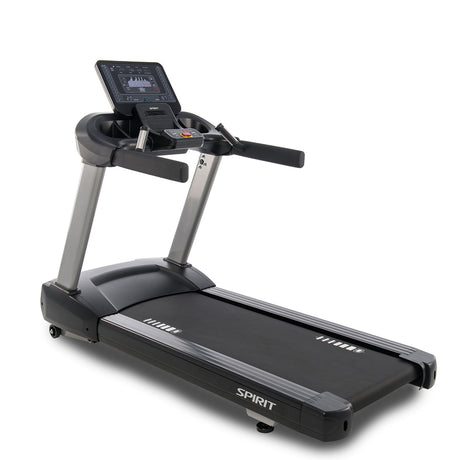
| Muscle Engagement | Full-body (legs, core, back, arms) | Primarily legs and core | Mostly lower body |
| Calories Burned | 600-800/hr | 500-700/hr | 400-600/hr |
| Impact on Joints | Low-impact | Medium to high depending on speed | Low-impact |
| Workout Variety | Cardio + strength | Mostly cardio | Mostly cardio |
Rowing machines stand out for their full-body benefits and hybrid cardio-strength capabilities, making them an efficient choice for total fitness.
5. How do I choose the best rowing machine for my home?
Consider these factors when selecting a rowing machine:
- Resistance type: Choose water for a lifelike feel, magnetic for quiet operation, air for variable intensity, or hydraulic for space-saving.
- Space: Opt for compact or foldable designs if storage is a concern.
- Build quality: Look for durable frames and smooth seat/handlebar movements.
- Performance monitor: Ensure it tracks key metrics like time, distance, and calories for progress monitoring.
Investing in a well-suited model will enhance your home gym and boost exercise consistency.
6. Are rowing machines worth the investment?
Rowing machines are a smart investment for their durability, versatility, and health benefits:
- Durable build quality: High-quality machines last for years with minimal maintenance.
- Low-impact: Protects your joints while improving strength and cardiovascular health.
- Efficient calorie burn: Delivers a full-body workout and burns up to 800 calories per hour.
If you're looking for an all-in-one fitness solution, rowing machines provide exceptional long-term value.
7. How should I maintain my rowing machine?
Proper maintenance extends your rowing machine's lifespan. Follow these tips:
- Wipe down the machine with a clean cloth after every use to prevent dirt buildup.
- Apply lubricant to the chain or rail periodically for smooth operation.
- Inspect and tighten any loose bolts or screws monthly.
- Store in a dry, clean area to prevent rust or wear.
Regular care ensures optimal performance and durability.
8. What are the key benefits of rowing workouts for weight loss?
Rowing workouts excel for weight loss due to their efficiency:
- High calorie burn: Rowing can burn 600-800 calories per hour.
- Full-body engagement: More muscles involved equals greater energy expenditure.
- Low-impact: Consistent exercise with less risk of injury ensures long-term adherence.
- Cardio and strength combo: Builds lean muscle while improving endurance.
Incorporating rowing into your routine is a fast, effective way to support fat loss goals.
Your Fitness Journey Starts with Each Stroke
The beauty of rowing lies in its simplicity and power. With one seamless stroke, you're engaging nearly every muscle in your body, boosting your cardiovascular health, and cultivating strength—all while going easy on your joints. It's no wonder rowing machines have earned their spot as one of the most effective tools for total-body fitness. Whether you're looking to break a sweat, torch calories, or work toward a stronger, healthier physique, rowing machines are a game-changer for every fitness level.
If you've been inspired to bring the benefits of rowing into your own routine, there's no better time to start. At Blue Sky Fitness Supply, we're passionate about helping you find the equipment that aligns with your goals. We offer a curated selection of high-quality rowing machines designed to fit your space, lifestyle, and fitness aspirations. Our team is here to guide you every step of the way, ensuring you invest in a machine that motivates and lasts.
Why wait to unlock your full fitness potential? Explore our range of rowing machines today and take the first stroke toward a fitter, stronger you. Remember, every fitness journey begins with action—let's make yours unforgettable.
After all, the path to health and vitality isn't achieved by standing still—it's earned, stroke by stroke, through consistent forward motion. Your journey awaits—are you ready to take it to the next level?