Table of Contents:
- What Makes BlueCube Different: American-Made Cold Plunge Technology
- BlueCube Pricing Breakdown: Is the Investment Worth It?
- Commercial BlueCube ROI: Why 81% of the Market Chooses Commercial Grade
- Residential BlueCube Value: Long-Term Health Investment Analysis
- BlueCube vs Alternatives: Worth the Premium?
- Frequently Asked Questions
- The Bottom Line: Is BlueCube Worth Your Investment?
The cold plunge market is exploding. Valued at $330.58 million in 2024, the global cold plunge market is projected to reach $659.86 million by 2033, growing at an impressive 8.1% CAGR. Everyone from weekend warriors to professional athletes is jumping into ice baths, and commercial facilities are racing to add cold therapy to their offerings.
But here's where most people get it wrong.
They obsess over the sticker shock of premium systems like BlueCube, which range from $11,750 to over $34,000. They compare upfront costs, gasp at the price difference between a $500 inflatable tub and a $20,000 commercial unit, then wonder if the premium is worth it. The real question isn't about upfront cost — it's about long-term value, return on investment, and whether you're buying a piece of equipment that delivers results or just expensive regret. When you're looking at a decade of ownership, the math changes completely.
This analysis breaks down the true cost of BlueCube ownership across residential and commercial applications. We'll examine the technology that justifies the premium, calculate real ROI scenarios, and help you determine if BlueCube represents smart money or expensive overkill for your specific situation. Because at these price points, you need more than marketing claims — you need data.
What Makes BlueCube Different: American-Made Cold Plunge Technology
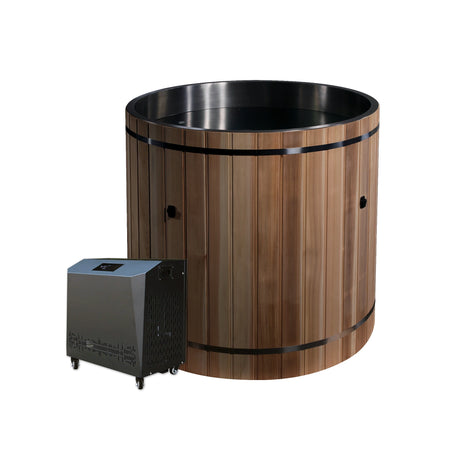
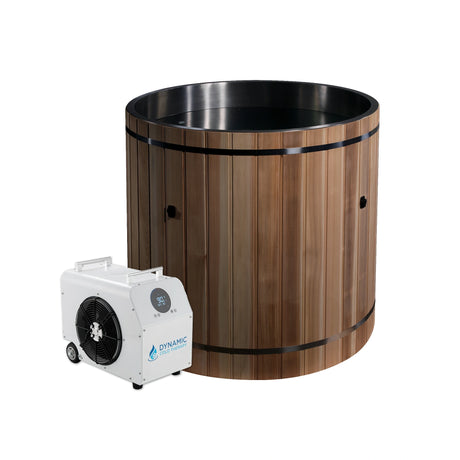
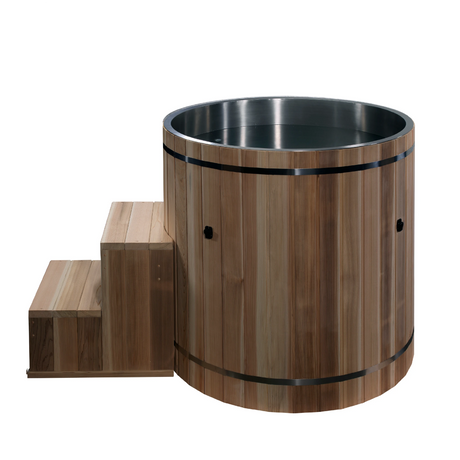
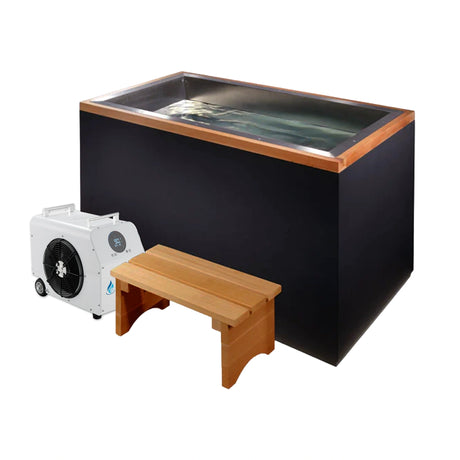
BlueCube isn't another cold plunge startup riding the wellness wave. Founded in 2019 and manufactured in Redmond, Oregon, this company emerged from a different place — military veterans who understood that precision engineering matters when lives depend on equipment reliability. That military mindset shows in every component choice and design decision.
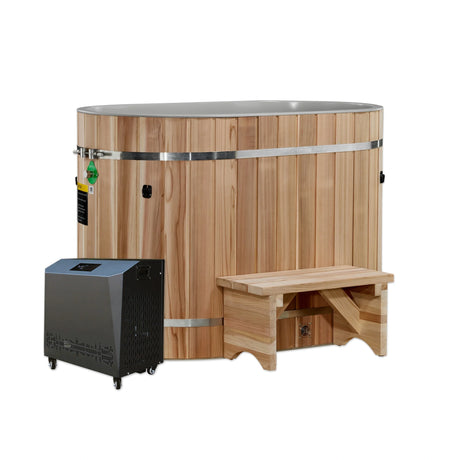
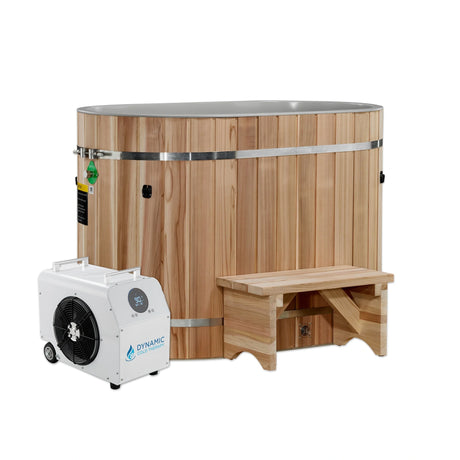
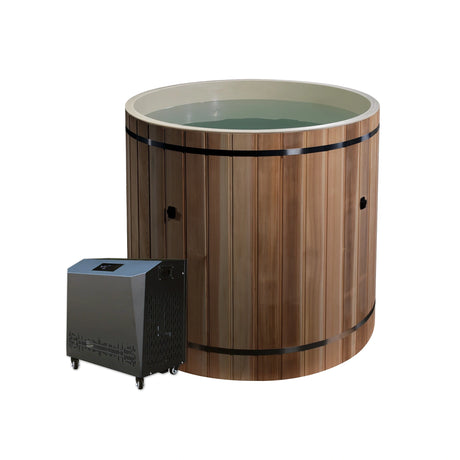
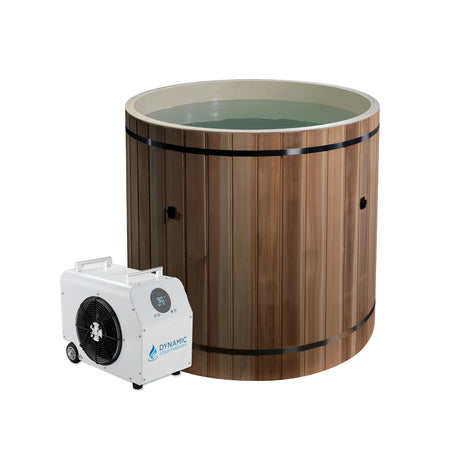
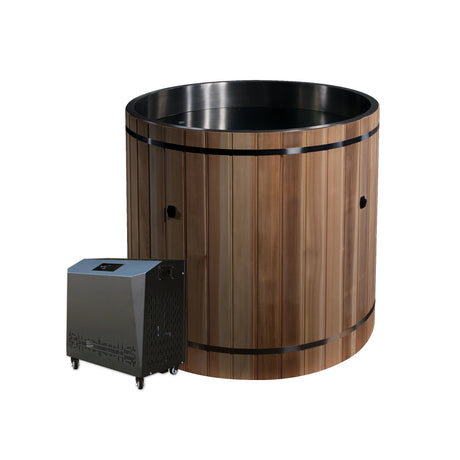
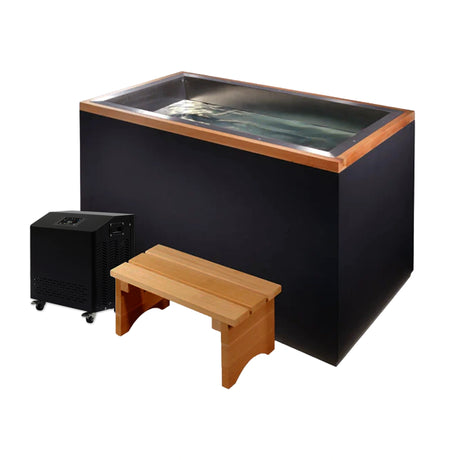
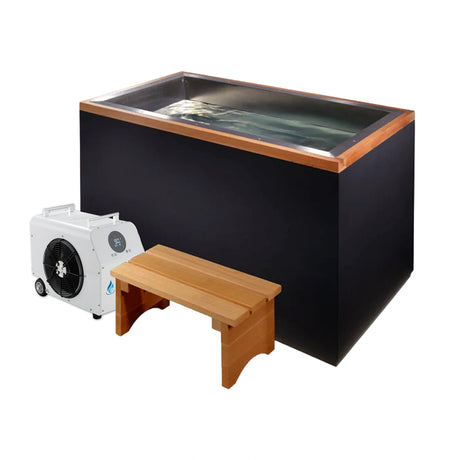
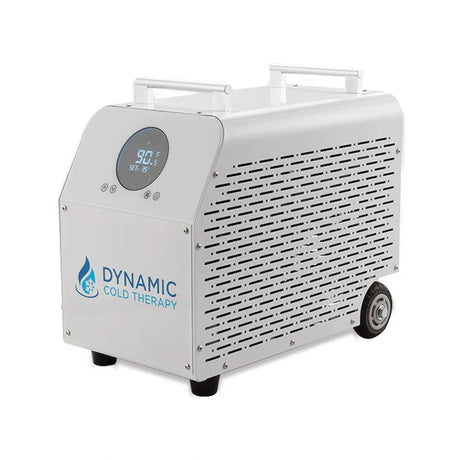
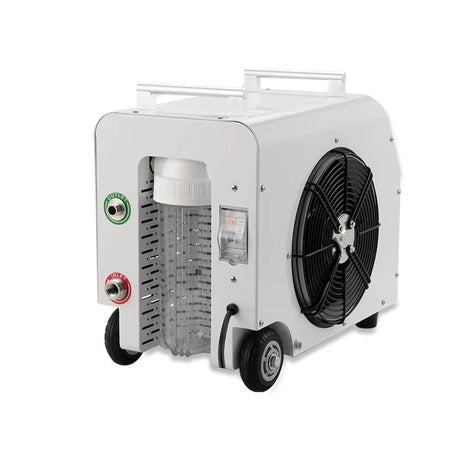
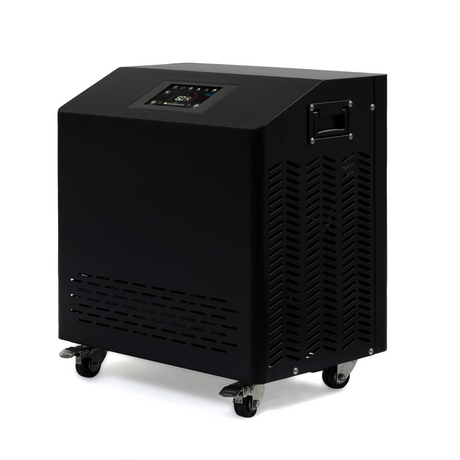
The cooling power sets BlueCube apart immediately. While most cold plunges struggle with 0.5HP chillers that take hours to reach target temperatures, BlueCube deploys 1HP to 1.5HP systems that deliver cooling rates of 11-13°F per hour. This isn't just about faster cooldowns — it's about maintaining temperature stability when multiple people use the system back-to-back, a critical factor for commercial operations.
But the real differentiator is River Mode technology. Most cold plunges are glorified bathtubs with chillers attached. Your body quickly creates warm pockets in static water, reducing the therapeutic effectiveness. BlueCube's patented River Mode features a 3-speed hydro-jet system that creates continuous water movement, preventing thermal layering and ensuring consistent cold exposure across your entire body. As cold plunge distributors, we've seen how River Mode technology sets BlueCube apart — the moving water prevents your body from creating warm pockets, making sessions more effective than static water systems.
The temperature range runs from 37°F to 70°F with precise digital control. That upper range isn't accidental — it allows for contrast therapy protocols and makes the system usable year-round in varying climates. The control system maintains temperature within 1°F of your target, critical for consistent therapeutic protocols.
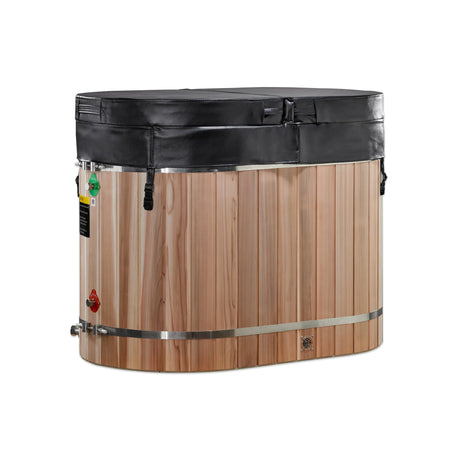
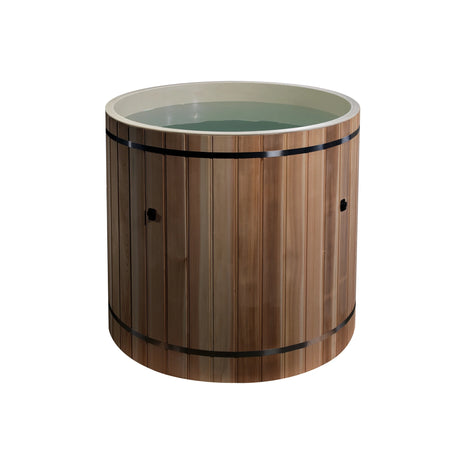
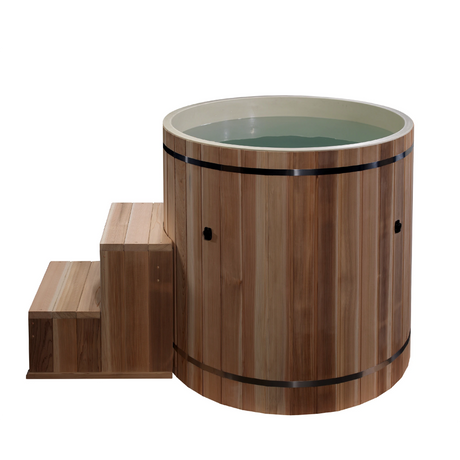
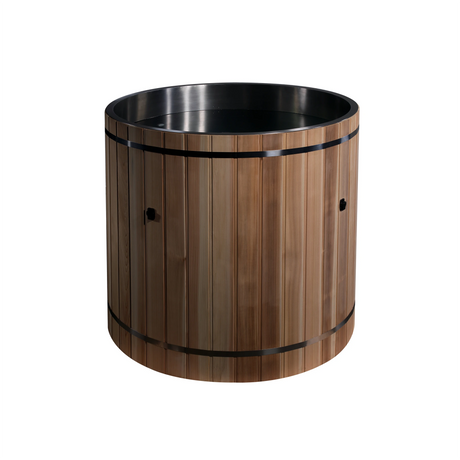
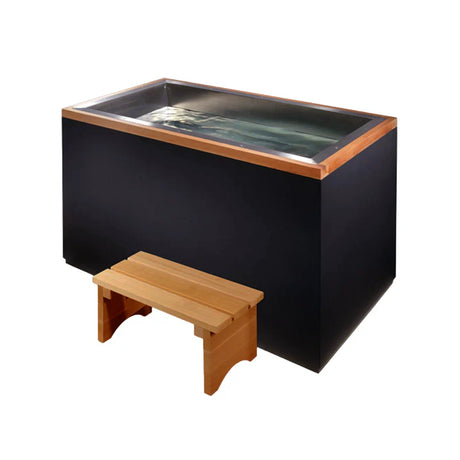
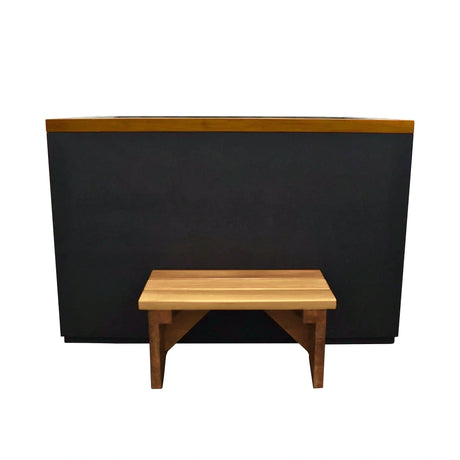
Durability comes through military-grade Line-X coating applied to all exterior surfaces. This isn't standard gelcoat or fiberglass — it's the same protective coating used on truck beds and military vehicles. The result is impact resistance, UV protection, and longevity that justifies the premium pricing for high-traffic commercial environments.
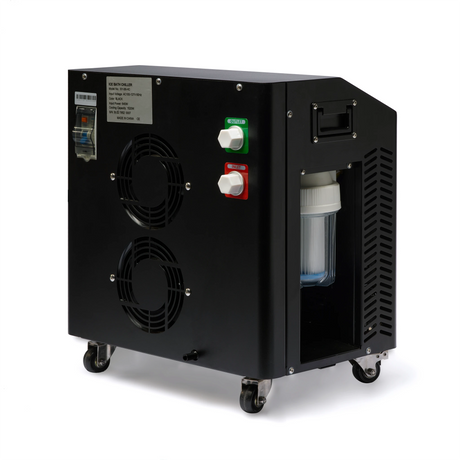
Every BlueCube system includes ozone sanitation technology that reduces chemical dependency while maintaining water quality. This matters more than most realize — poor sanitation systems force frequent water changes, increasing operating costs and environmental impact. The ozone system extends water life significantly, reducing both maintenance burden and long-term operating expenses.
BlueCube Pricing Breakdown: Is the Investment Worth It?
Let's address the elephant in the room: BlueCube pricing spans a massive range, and understanding what you get at each level determines whether the investment makes financial sense for your situation.

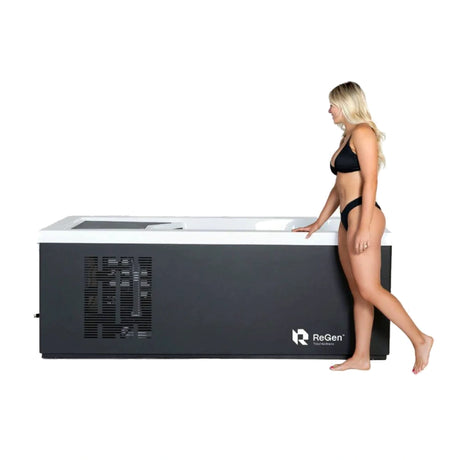
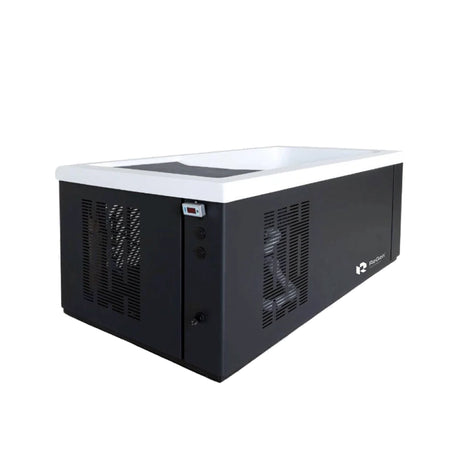
The entry point starts with the CoreChill¹ Mini at $14,490 for a 54" x 24" single-person system. This jumps to $16,490 for the regular 60" x 24" CoreChill¹. The CoreChill³ series begins at $18,490 for the regular size, escalating to $19,490 for the large 66" model and $21,490 for the Elite 72" x 24" extra-large system. Commercial models with enhanced durability and higher-capacity chillers can exceed $34,000.
But sticker price tells only part of the story. BlueCube includes a 3-year full coverage warranty on labor, shipping, and components, plus an industry-leading 15-year warranty on the tub and frame structure. Compare this to typical 1-2 year warranties from competitors, and the risk profile changes significantly. Working with facilities nationwide, we've found that the upfront premium for BlueCube often pays for itself through reduced maintenance calls and longer service life compared to budget alternatives.
Lead times run 10-14 weeks for standard models, extending to 12-16 weeks for custom configurations. This isn't Amazon Prime delivery — you're buying American-manufactured equipment built to order. The extended timeline requires planning but ensures quality control impossible with mass-produced imports.
Installation costs vary dramatically based on location and complexity. Simple residential installations might add $2,000-$5,000 for electrical work and positioning. Commercial installations requiring dedicated electrical runs, drainage systems, and ADA compliance can add $10,000-$20,000 to the project budget. Factor in electrical requirements — 220V/240V service for most models — which may require panel upgrades in older buildings.
Total cost of ownership extends beyond purchase and installation. Water costs vary by region but typically run $50-$200 monthly depending on usage patterns and local utility rates. Electricity consumption averages $100-$300 monthly for residential use, scaling higher for commercial operations with constant temperature maintenance. Replacement parts, when needed, command premium pricing consistent with American manufacturing and premium components.
The crucial question: is this premium worth it compared to alternatives? A quality DIY setup using a chest freezer and chiller runs $3,000-$5,000 but requires constant monitoring and lacks safety features. Inflatable systems cost $500-$2,000 but offer no temperature control or durability. Mid-range competitors land in the $8,000-$15,000 range but typically use lower-powered chillers and shorter warranties. The BlueCube premium buys American manufacturing, superior engineering, and long-term reliability — whether that value proposition justifies the cost depends entirely on your specific requirements and risk tolerance.
Commercial BlueCube ROI: Why 81% of the Market Chooses Commercial Grade
The numbers tell a compelling story. Commercial applications account for 81.3% of the cold plunge market in 2024, and many commercial operators report ROI within 6-18 months of installation. These aren't vanity purchases — they're calculated business investments driven by measurable revenue potential.
Revenue models vary significantly across different business types. High-end spas charge $75-$150 per cold plunge session, with premium locations in major metros commanding even higher rates. Fitness facilities typically bundle cold therapy into membership upgrades, adding $30-$75 monthly to premium memberships. Recovery centers and physical therapy clinics integrate cold plunges into treatment protocols, billing insurance or cash-pay clients $100-$200 per session.
The math works when you run the scenarios. A spa charging $100 per session needs just 200-300 sessions to cover a $25,000 BlueCube investment. At two sessions per day, that's 100-150 operating days — roughly 5-7 months for full cost recovery. Fitness facilities see longer ROI timelines but higher volume potential, especially when they invest in quality free weight storage and recovery equipment packages that enhance member value. Adding cold therapy as a $50 monthly membership upgrade requires 400-500 member conversions to justify the investment, typically achievable within 12-18 months for established facilities.
But here's what separates commercial-grade systems like BlueCube from consumer units: performance under pressure. From our commercial installations, we've learned that temperature stability under heavy use is what separates true commercial-grade systems like BlueCube from consumer units that struggle with back-to-back sessions. A busy facility might run 10-15 sessions daily. Budget systems lose temperature control after 2-3 consecutive uses, forcing extended recovery periods that kill revenue potential.
BlueCube's high-capacity chillers and rapid recovery rates maintain consistent temperature even with continuous use. The 11-13°F per hour cooling rate means the system recovers quickly between sessions, maximizing daily revenue potential. This operational advantage often makes the difference between profitable cold therapy programs and expensive mistakes.
Water management becomes critical at commercial volumes. For residential use, BlueCube recommends changing water every 3-4 weeks. Commercial applications require changes after 30-50 plunges, depending on bather load and maintenance protocols. The ozone sanitation system extends these intervals compared to basic filtration, but commercial operators must budget for increased water and chemical costs. A busy facility might spend $500-$1,500 monthly on water changes and chemicals — significant but manageable when weighed against revenue generation.
Insurance considerations matter too. Commercial cold plunge operations require liability coverage, and some insurers demand specific safety features and certifications. BlueCube's commercial-grade construction and safety systems typically satisfy insurance requirements more easily than DIY or budget alternatives, potentially reducing insurance costs or coverage restrictions.
Residential BlueCube Value: Long-Term Health Investment Analysis
For residential buyers, the ROI calculation shifts from revenue generation to cost replacement and health benefits. The comparison becomes stark when you analyze ongoing spa and cryotherapy costs over extended periods.

Cryotherapy sessions typically cost $45-$85 per visit at commercial facilities. Regular users spending $200-$400 monthly on professional cold therapy sessions can justify a BlueCube purchase within 3-5 years through cost avoidance alone. A family using cold therapy 3-4 times weekly reaches break-even faster, often within 2-3 years depending on local pricing and system cost.
The health benefits ROI proves harder to quantify but potentially more valuable. Regular cold exposure supports reduced inflammation, improved recovery times, enhanced immune function, and better sleep quality according to growing research. While you can't assign specific dollar values to these benefits, many users report reduced medical expenses, fewer sick days, and improved athletic performance — indirect financial benefits that support the investment case. For those considering advanced recovery equipment, our analysis of Normatec compression therapy systems reveals similar long-term value propositions for serious athletes and recovery-focused individuals.
Home value addition represents another consideration. Premium wellness amenities like cold plunges can increase property values, particularly in high-end markets where buyers expect luxury health features. The actual impact varies by location and buyer demographics, but well-integrated systems often return 30-50% of their cost in increased property value.
Family usage scenarios dramatically improve the cost-per-use equation. A $20,000 system used by four family members three times weekly costs roughly $32 per use in the first year, dropping to $16 per use by year two and continuing to decline. Compare this to $60-$80 per commercial session, and the math becomes compelling for active families.
Operating costs remain manageable for residential users. Monthly electricity consumption typically runs $75-$150 depending on local rates and usage patterns. Water costs add another $30-$75 monthly. Maintenance requirements stay minimal with proper chemical balance and regular cleaning. Total monthly operating costs of $100-$225 compare favorably to ongoing commercial cold therapy expenses.
The convenience factor carries real value too. No scheduling appointments, driving to facilities, or working around business hours. Cold therapy becomes instantly accessible, encouraging consistent use that maximizes health benefits. This convenience often justifies premium pricing for busy professionals and families who prioritize time efficiency.
BlueCube vs Alternatives: Worth the Premium?
The cold plunge market offers options across every price point, making direct comparisons essential for informed decision-making. BlueCube commands premium pricing, but understanding the performance gaps helps determine if the investment is worth it for your specific needs.
DIY solutions using chest freezers and aftermarket chillers represent the budget-conscious approach. Total costs run $2,500-$5,000 for a functional system, but the trade-offs are significant. Temperature control lacks precision, often swinging 5-10°F from target temperatures. Safety features are minimal or absent — no emergency shut-offs, ground fault protection, or automated systems. The time investment for monitoring, maintenance, and troubleshooting can be substantial, and reliability issues create ongoing frustration.
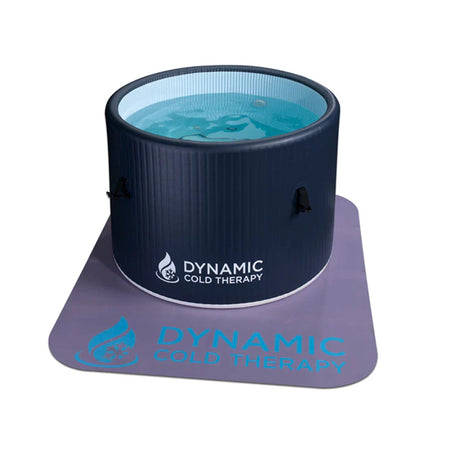
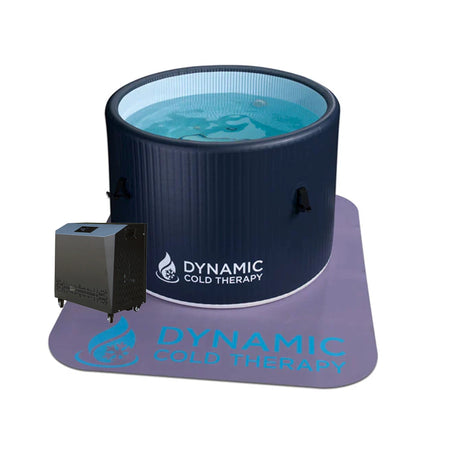
Inflatable cold plunge tubs cost $400-$2,000 but offer no active cooling, relying on ice additions for temperature control. Operating costs become prohibitive quickly — a single session might require 40-80 pounds of ice costing $8-$15. Durability problems emerge within months for most users, and temperature consistency remains impossible to achieve. These systems work for occasional experimentation but fail for serious cold therapy protocols.
Mid-range competitors like Plunge and Cold Plunge Co. occupy the $8,000-$18,000 range with legitimate cooling systems and decent build quality. However, most use 0.5HP-0.75HP chillers that cool at 3-6°F per hour — roughly half BlueCube's cooling rate. Recovery time between sessions extends significantly, limiting back-to-back usage. Warranty coverage typically spans 1-2 years compared to BlueCube's 3+15 year coverage. Build quality uses standard fiberglass construction without military-grade coatings.
| Feature | BlueCube | DIY Solutions | Budget Brands | Premium Competitors |
|---|---|---|---|---|
| Initial Cost | $14,490-$34,000+ | $2,500-$5,000 | $8,000-$18,000 | $15,000-$30,000 |
| Cooling Power | 1-1.5HP (11-13°F/hr) | 0.5HP (3-5°F/hr) | 0.5-0.75HP (3-6°F/hr) | 0.75-1HP (6-9°F/hr) |
| Temperature Stability | ±1°F with River Mode | ±5-10°F fluctuation | ±2-4°F standard | ±1-3°F typical |
| Build Quality | Military-grade coating | Basic materials | Standard fiberglass | Premium fiberglass |
| Warranty | 3yr full + 15yr frame | Component warranties vary | 1-2 years typical | 2-3 years standard |
| Installation Complexity | Professional recommended | High DIY complexity | Moderate complexity | Professional installation |
| 5-Year Total Cost | $20,000-$40,000 | $8,000-$15,000 | $12,000-$25,000 | $18,000-$35,000 |
Premium competitors like Morozko and some European brands match BlueCube pricing but often lack the River Mode technology that prevents thermal layering. River Mode technology creates moving water that prevents thermal layering, making the experience more challenging and effective than static systems. Build quality varies significantly, with some premium brands using imported components that complicate service and parts availability.
The service and support ecosystem matters more than most buyers realize. BlueCube's domestic manufacturing means faster parts availability and local service networks. DIY solutions leave you troubleshooting problems alone, while some imported premium brands require weeks for parts delivery from overseas suppliers.
For commercial applications requiring daily use and consistent performance, the BlueCube premium often justifies itself through reliability and uptime. For occasional residential use, mid-range alternatives might provide adequate performance at significant cost savings. The key is matching system capabilities to actual usage requirements rather than buying based on aspirational goals or budget constraints alone.
Frequently Asked Questions
1. Is BlueCube worth the high price compared to cheaper alternatives?
BlueCube is worth the premium for commercial operations and serious residential users who plan daily cold therapy sessions. The superior cooling power, temperature stability, and 18-year combined warranty coverage justify the investment through reduced maintenance costs and reliable performance. Casual users who cold plunge weekly might find better value in mid-range alternatives costing $8,000-$15,000.
2. How long do BlueCube cold plunges last with proper maintenance?
BlueCube systems typically last 15-20 years with proper maintenance, supported by their 15-year structural warranty. The military-grade Line-X coating and American manufacturing quality contribute to exceptional longevity. Commercial installations with heavy daily use see 10-15 years of reliable service, while residential systems often exceed 20 years of operation.
3. What are the monthly operating costs for BlueCube cold plunges?
Monthly operating costs range from $100-$300 for residential use, including electricity ($75-$150) and water costs ($30-$75). Commercial operations typically spend $200-$500 monthly due to increased usage and more frequent water changes. The ozone sanitation system reduces chemical dependency, helping control long-term operating expenses.
4. Can I finance a BlueCube cold plunge purchase?
Yes, many authorized dealers offer financing options for BlueCube purchases with terms varying by creditworthiness. Commercial buyers often qualify for equipment financing at competitive rates, while residential customers can use home equity lines or personal loans. The high-value nature of the equipment typically supports favorable financing terms.
5. What's the difference between CoreChill¹ and CoreChill³ models?
CoreChill³ models feature more powerful 1.5HP chillers compared to CoreChill¹'s 1HP systems, resulting in 20-30% faster cooling rates. CoreChill³ also includes enhanced insulation, upgraded digital controls, and additional safety features. For commercial applications or families with multiple daily users, the CoreChill³ upgrade often justifies itself through improved performance.
6. How much does professional BlueCube installation cost?
Professional installation costs vary from $2,000-$5,000 for simple residential setups to $10,000-$20,000 for complex commercial installations. Most installations require 220V/240V electrical service, which may necessitate electrical panel upgrades in older buildings. Costs include electrical work, positioning, drainage systems, and compliance requirements for commercial applications.
7. Does BlueCube require special maintenance or servicing?
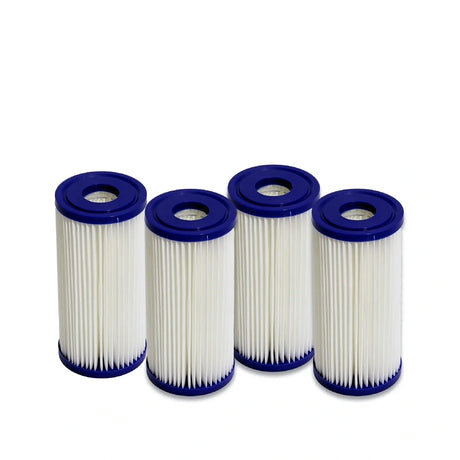
BlueCube requires minimal routine maintenance including water testing, filter cleaning, and periodic water changes every 3-4 weeks for residential use. The ozone sanitation system reduces chemical dependency compared to basic filtration systems. Professional service visits are typically needed annually for commercial installations, with most maintenance tasks easily handled by facility staff.
8. How does the River Mode technology work and why does it matter?
River Mode uses a 3-speed hydro-jet system to create continuous water circulation, preventing thermal layering around your body. This moving water maintains consistent cold exposure across your entire body, making sessions more effective than static water systems. The technology prevents your body from creating warm pockets, ensuring therapeutic benefits throughout the entire cold plunge session.
The Bottom Line: Is BlueCube Worth Your Investment?
The BlueCube value proposition comes down to usage patterns, performance priorities, and risk tolerance. For commercial operators, the premium often justifies itself within the first year through superior reliability, faster cooling, and reduced maintenance headaches that protect revenue streams. The U.S. accounts for 31.5% of global cold plunge market showing strong domestic demand, and commercial buyers consistently choose premium systems because downtime costs money.
Serious residential users planning daily cold therapy sessions find similar justification. The combination of American manufacturing, superior cooling power, River Mode technology, and industry-leading warranty coverage provides value that budget alternatives simply cannot match. When you calculate cost-per-use over 10-15 years, the premium disappears entirely. For home gym enthusiasts building comprehensive wellness setups, our PowerBlock dumbbell analysis shows similar long-term value principles apply across premium fitness equipment investments.
However, casual users exploring cold therapy or budget-conscious buyers might find better initial value in mid-range alternatives. There's no shame in starting smaller and upgrading later as usage patterns solidify and cold therapy becomes a confirmed lifestyle choice.
The key insight: BlueCube represents a long-term investment in performance, reliability, and peace of mind rather than just cold plunge equipment. Whether that investment is worth it depends on how much you value consistent performance, minimal maintenance, and the confidence that comes with premium American engineering.
Ready to explore your cold plunge options? Blue Sky Fitness Supply specializes in helping facilities and individuals find the right cold therapy solutions for their specific needs and budgets. Our team has installed hundreds of cold plunge systems and can provide honest guidance on whether BlueCube makes sense for your situation — or recommend alternatives that might serve you better.