
Table of Contents:
- The Science Behind Cold Therapy for Muscle Recovery: Does It Really Work?
- What is Cold Therapy for Muscle Recovery?
- The Benefits of Cold Therapy for Muscle Recovery
- Is Cold Therapy Safe?
- Understanding the Potential Risks of Cold Plunging
- Final Thoughts
- Frequently Asked Questions About Cold Therapy
- Take Your Muscle Recovery to the Next Level
If you’ve ever pushed yourself to the limit in a workout or felt the ache of sore muscles after a long run, you know how frustrating recovery can be. That stiffness, that lingering pain—it can hold you back from your next big effort or even derail your fitness goals entirely. Enter cold therapy for muscle recovery: a technique that’s been gaining serious traction among elite athletes, weekend warriors, and fitness enthusiasts alike. The concept? Expose your body to cold temperatures to supercharge recovery by reducing inflammation, decreasing soreness, and speeding up the healing process.
But here’s the thing—there’s more to cold therapy than just hopping into an ice bath and hoping for the best. While its benefits sound enticing, the real power lies in the science that supports it. And here’s a twist you might not expect: used incorrectly, cold therapy could cause more harm than good.
So, what’s the truth behind this icy trend? Let’s explore how cold therapy works, its potential risks, and why it’s quickly becoming a recovery game-changer for some—and a cautionary tale for others.
What is Cold Therapy for Muscle Recovery?
Let’s unravel this buzzword, cold therapy for muscle recovery. At its core, it’s a method that uses low temperatures—think ice baths or cold packs—to aid in healing and repair. Here’s how it works: when the body is exposed to cold, blood vessels constrict in a process known as vasoconstriction. This temporarily limits blood flow to the overworked or injured area, reducing inflammation and swelling. Once the cold treatment ends, the vessels dilate to improve circulation, which helps deliver fresh nutrients and oxygen to tissues for repair ( ).
This controlled reaction offers three primary benefits. First, it slows down cellular metabolism, minimizing potential tissue damage from overuse. Second, it numbs nerve endings, delivering pain relief. Lastly, it kickstarts muscle recovery, making it a favorite among athletes who need a quick turnaround.
The Benefits of Cold Therapy for Muscle Recovery
Is cold therapy really worth all the hype? The science says “yes”—but not without conditions. For high-performance athletes and regular gym-goers alike, cold therapy offers several clear advantages:
- Speeds up recovery: By reducing muscle swelling and inflammation, cold therapy helps to accelerate the body’s natural healing mechanisms. Studies suggest users experience faster bounce-backs after workouts.
- Relieves soreness: If you’re battling delayed-onset muscle soreness (DOMS), ice baths can significantly reduce the burn, helping you recover pain-free.
- Enhances athletic performance: Faster recovery means more frequent high-intensity training. Over time, the cumulative benefits can give athletes a competitive edge.
- Numbs pain: Cold therapy’s ability to dull nerve endings provides immediate but temporary pain relief.
- Improves circulation post-treatment: The contrast from vasoconstriction to dilation improves blood flow, delivering nutrients and oxygen to damaged tissues.
Cold Therapy for Inflammation
One of the stand-out applications of cold therapy is its effectiveness at taming excessive inflammation. When you push your body too hard, your muscles initiate a stress response, causing painful swelling. Cold therapy tempers this by narrowing blood vessels and reducing metabolic activity in those areas, ultimately controlling the inflammatory process.
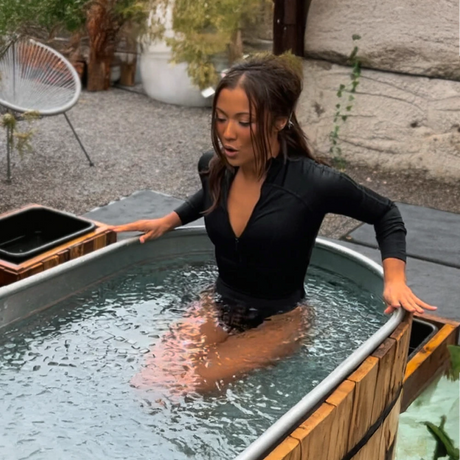
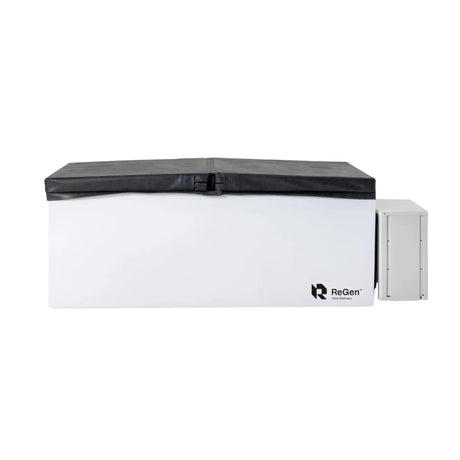
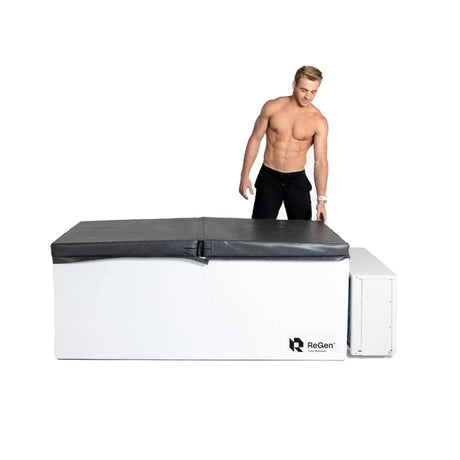
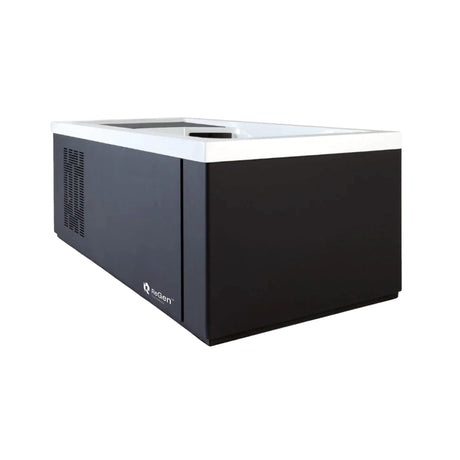
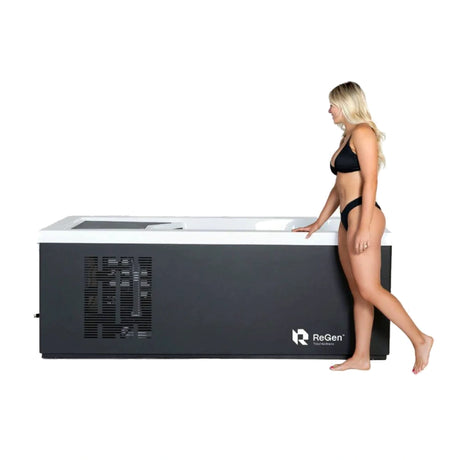
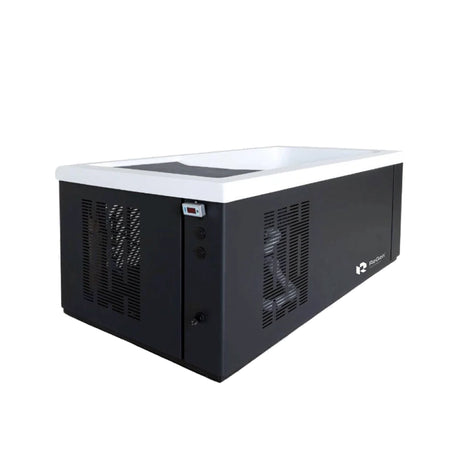
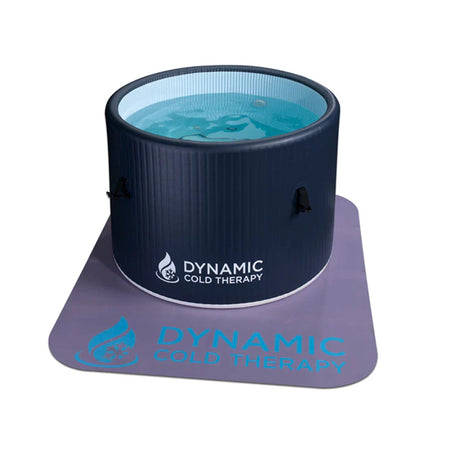
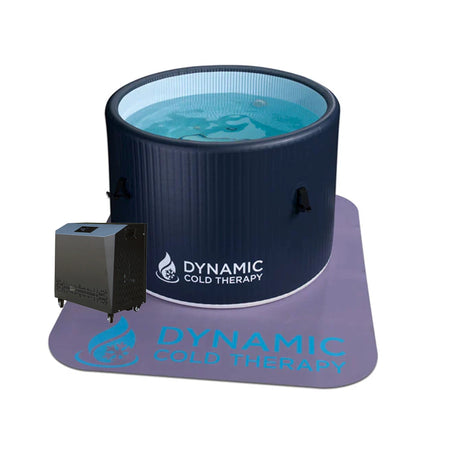
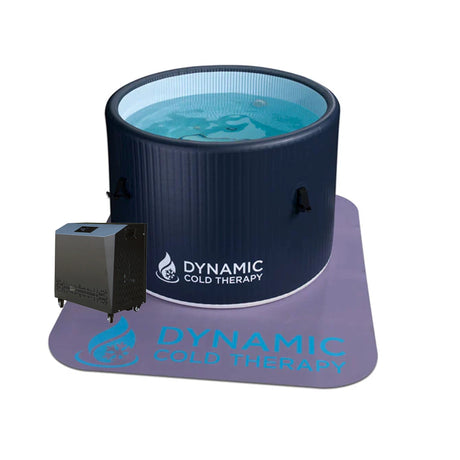
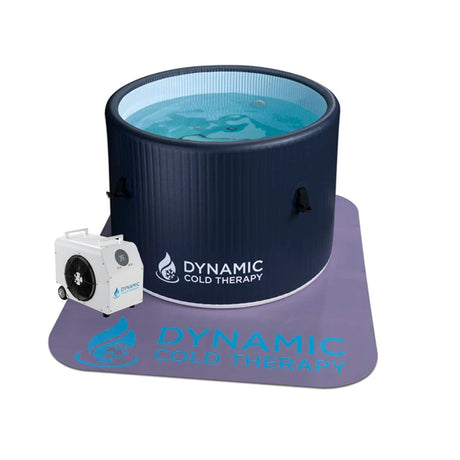
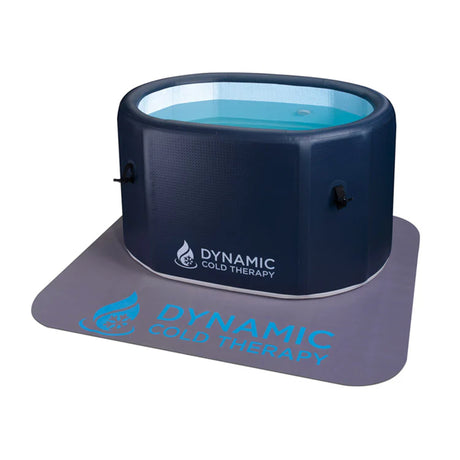
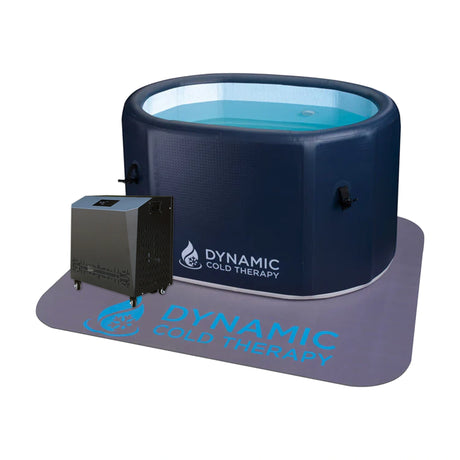
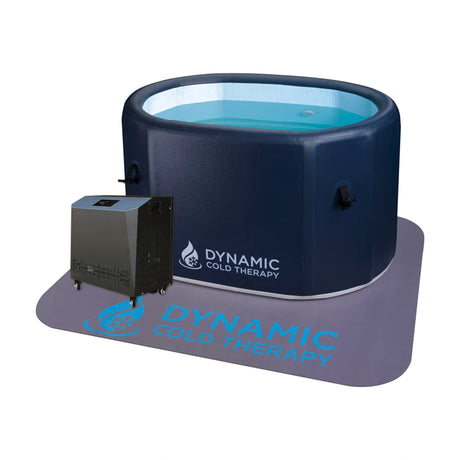
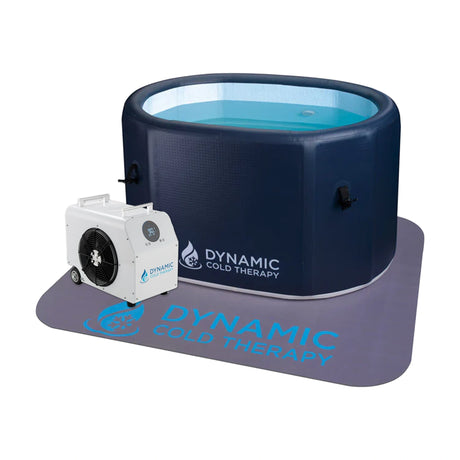
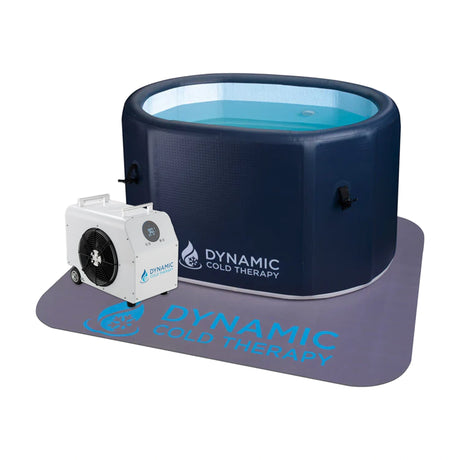
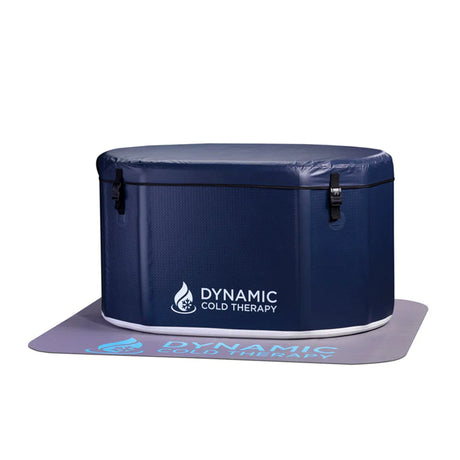
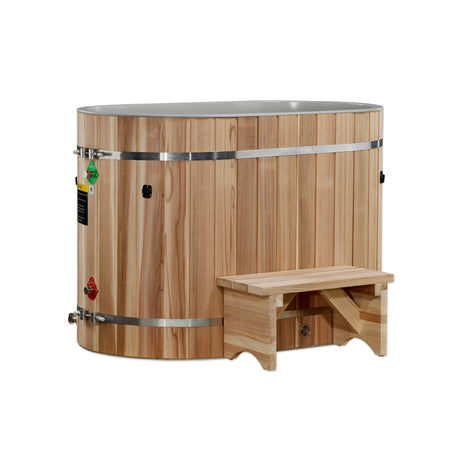
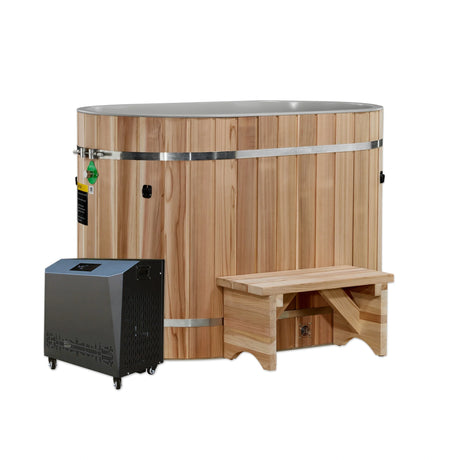
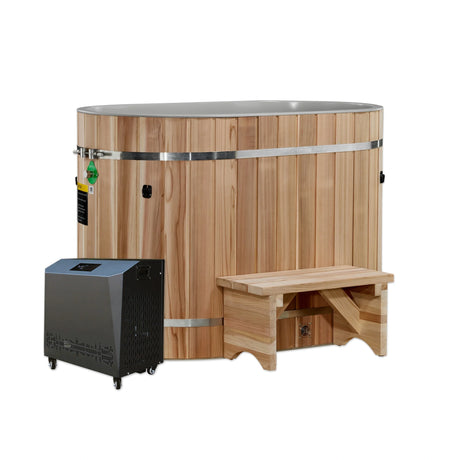
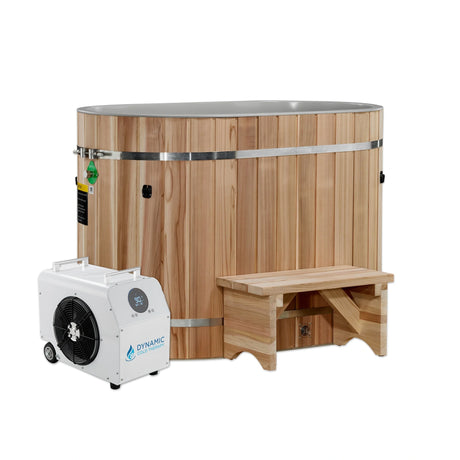
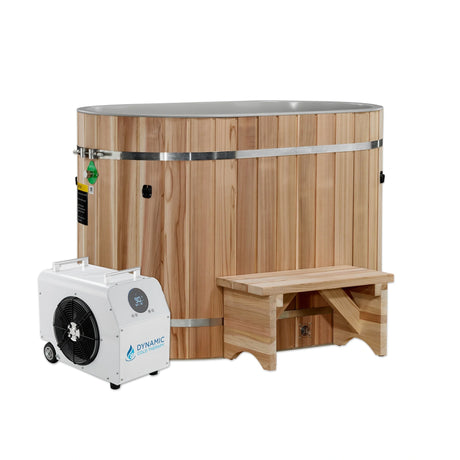
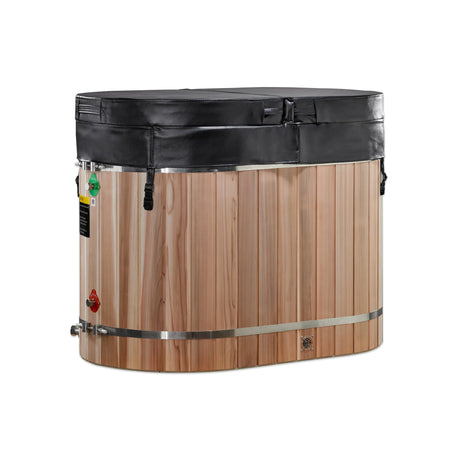
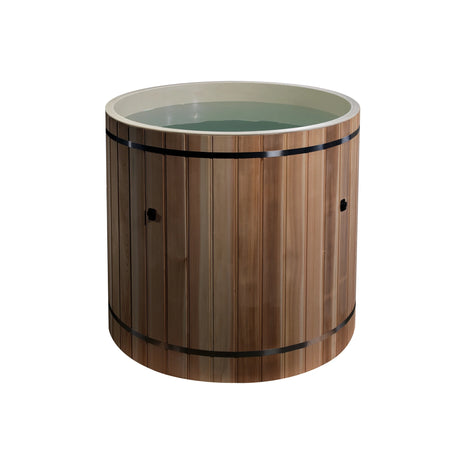
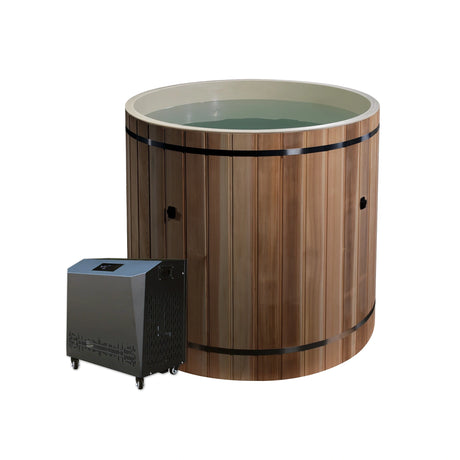
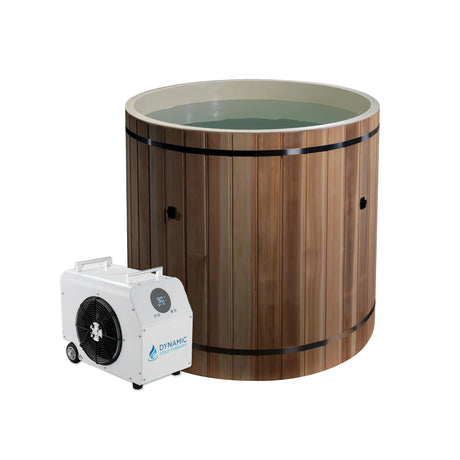
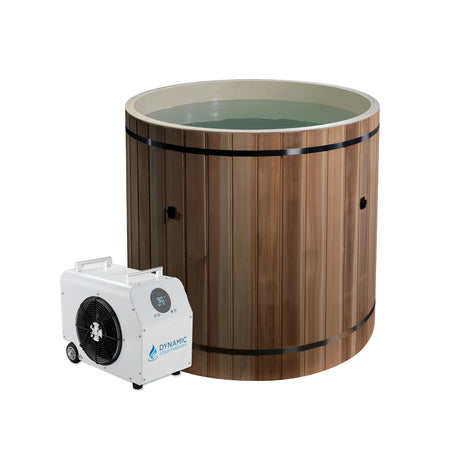
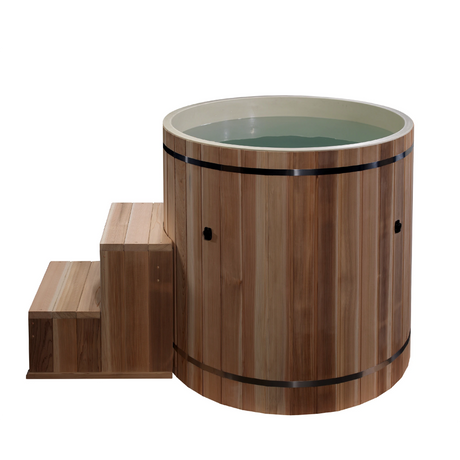
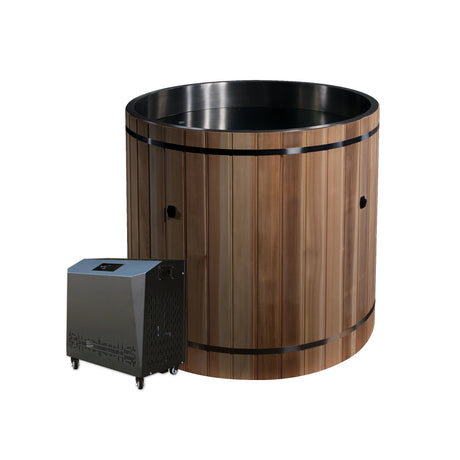
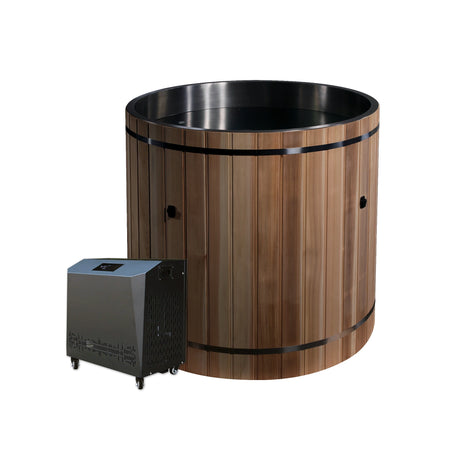
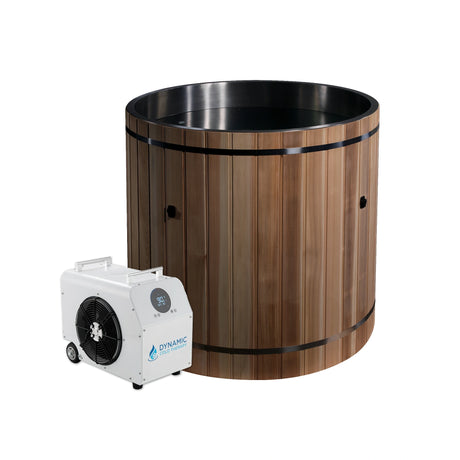
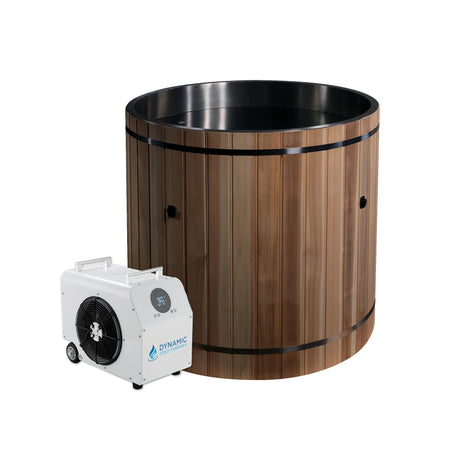
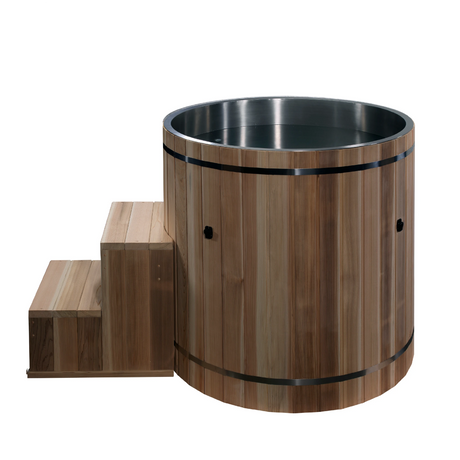
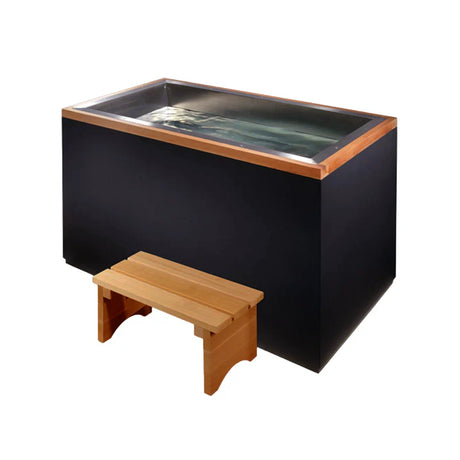
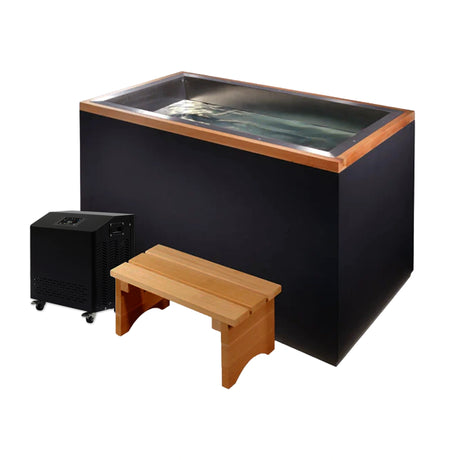
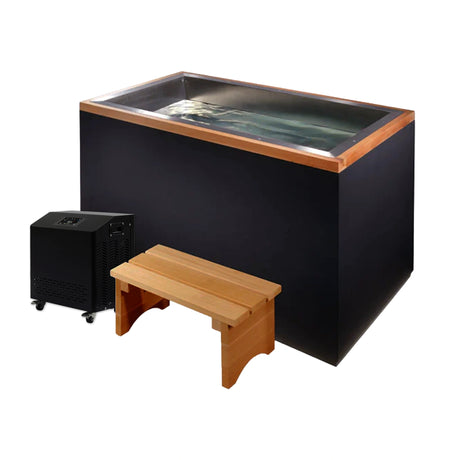
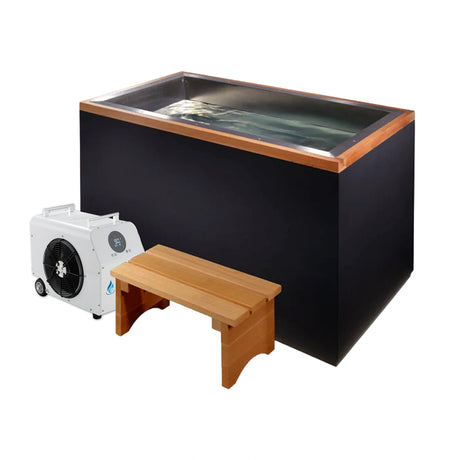
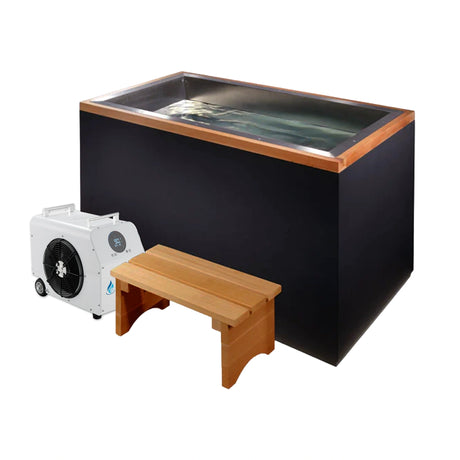
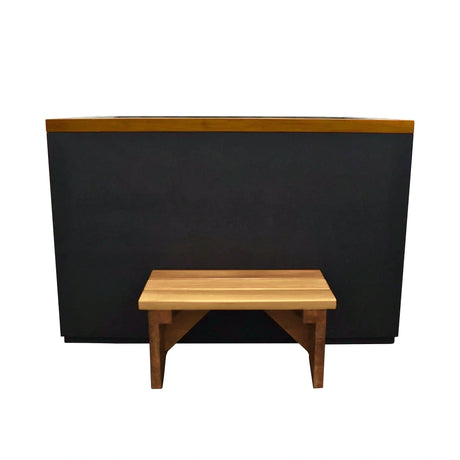
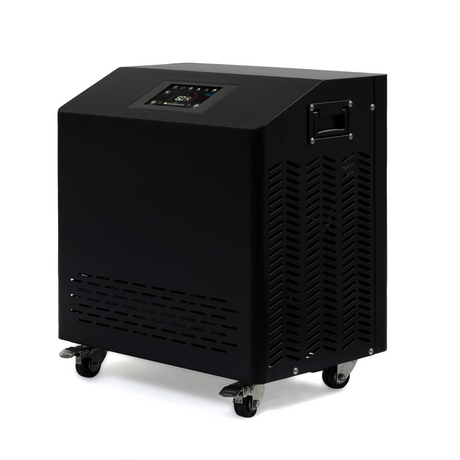
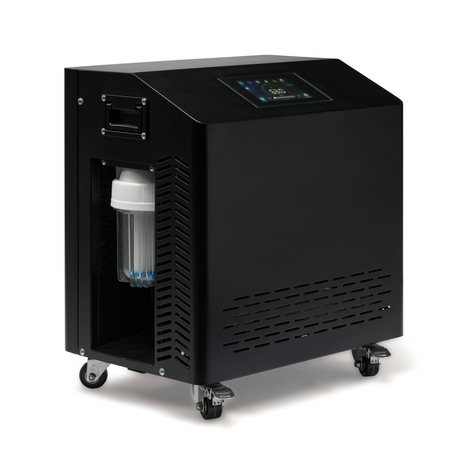
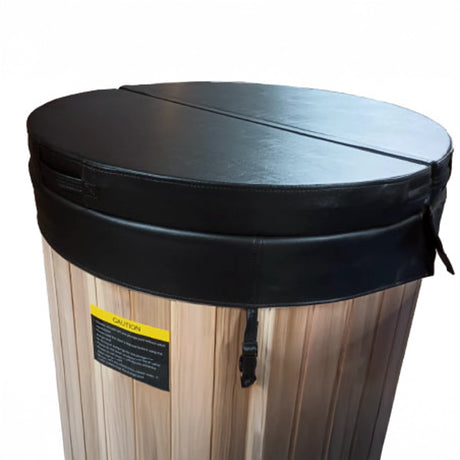
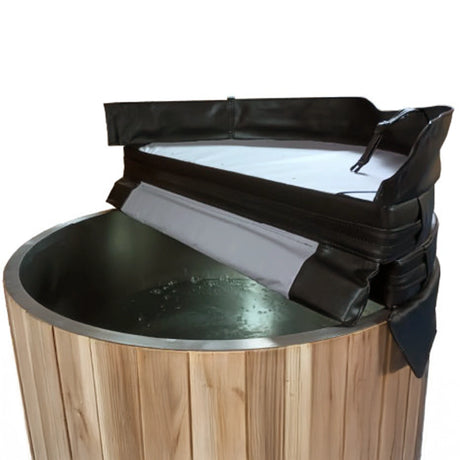
For example, professional athletes often incorporate cold therapy immediately after intense training sessions to combat post-workout inflammation. With consistent use, they can see benefits ranging from shorter recovery windows to greater overall muscle function. For those who want to incorporate innovative cold plunges at home, products like these (cold therapy) solutions are a growing trend.
Is Cold Therapy Safe?
The burning question: is cold therapy safe? When done properly, absolutely. However, caution is key, as misuse increases the risk of harm. Here are the essential safety guidelines:
- Limit session duration: Never exceed 10-15 minutes at a time. Longer immersions can lead to adverse effects like hypothermia.
- Monitor water temperature: Ice baths should stick to temperatures between 50-59°F (10-15°C) for maximum effectiveness while remaining safe.
- Start gradually: Ease into cold exposure by beginning with shorter, warmer sessions, slowly increasing the intensity as your body acclimates.
By sticking to these guidelines, you can reap the benefits of cold therapy while minimizing the risks.
Understanding the Potential Risks of Cold Plunging
While cold water immersion has clear benefits, it isn’t without its downsides. Some of the potential risks of cold plunging include:
- Hypothermia: Overexposure to cold temperatures reduces body heat, which can result in life-threatening complications if left unchecked.
- Cold shock response: Sudden immersion can lead to hyperventilation or even involuntary gasping, increasing the chances of drowning.
- Cardiovascular strain: Individuals with existing heart conditions need to be cautious, as cold therapy can spike blood pressure.
- Frostbite: Prolonged contact with extreme cold can lead to skin damage or even tissue death.
Disclaimers for Cold Therapy Use
To ensure your cold therapy routine is both effective and safe, follow these disclaimers for cold therapy:
- Consult with a medical professional before starting, especially if you have heart disease, diabetes, or other health concerns.
- Avoid cold therapy if you’re pregnant or under 18 years old.
- Never perform cold plunges alone; always have a companion or supervisor nearby.
- Do not use cold therapy immediately following an intense workout. Allow your body to naturally cool down first (source).
Final Thoughts
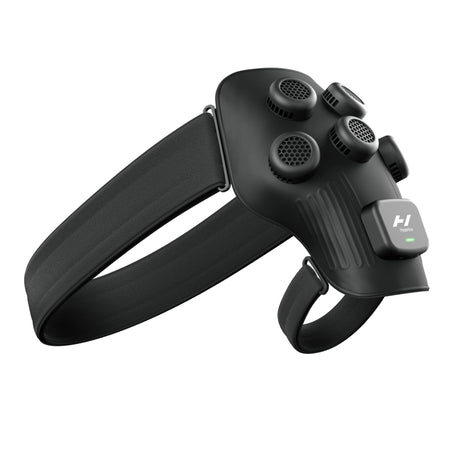
It’s clear that cold therapy for muscle recovery packs a punch when it comes to supporting post-exercise healing and fighting inflammation. But it’s not a one-size-fits-all solution. Products like (Normatec compression) tools can complement recovery routines, amplifying agility and flexibility. Taking these precautions to heart and weighing the risks carefully ensures you'll unlock its full potential safely and effectively.
Frequently Asked Questions About Cold Therapy
1. What is cold therapy, and how does it work?
Cold therapy is a recovery method that uses low temperatures, such as ice baths or cold packs, to reduce inflammation and pain. It works by constricting blood vessels (vasoconstriction), which minimizes swelling and slows down cellular activity to prevent further tissue damage. After treatment, blood vessels dilate, improving circulation and speeding up recovery.
2. What are the benefits of cold therapy for muscle recovery?
Cold therapy offers many benefits for muscle recovery, including:
- Reduced inflammation: Minimizes swelling in overworked muscles.
- Decreased soreness: Alleviates delayed-onset muscle soreness (DOMS).
- Faster recovery: Speeds up natural healing processes.
- Pain relief: Numbs nerve endings for temporary pain reduction.
- Improved blood flow: Promotes oxygen and nutrient delivery post-treatment.
3. Is cold therapy safe to use at home?
Yes, cold therapy is safe when used correctly. Keep sessions under 10-15 minutes and maintain a water temperature between 50-59°F (10-15°C). Ease into cold exposure gradually, and consult a healthcare provider if you have pre-existing conditions like heart disease or diabetes.
4. Who should avoid cold therapy?
Cold therapy is not recommended for certain individuals, including:
- Pregnant women.
- Children under 18 years old.
- Those with frostbite, Raynaud's disease, or nerve damage.
- Individuals with cardiovascular conditions, such as heart disease or high blood pressure.
Always consult with a medical professional before starting cold therapy if you have any concerns.
5. Is cold therapy better than heat therapy for muscle recovery?
Cold therapy and heat therapy serve different purposes. Use cold therapy to reduce inflammation and acute pain immediately after an intense workout. Heat therapy is better for relaxing sore muscles and improving flexibility in the days following exercise. Each technique can complement the other for optimal recovery.
6. How often should I use cold therapy for muscle recovery?
It’s recommended to use cold therapy 2-4 times per week, with each session lasting 11-15 minutes. Consistent usage, combined with proper cooldown routines, can speed up recovery and enhance performance over time.
7. What are the risks of using cold therapy?
While generally safe, improper use of cold therapy can lead to risks like:
- Hypothermia: From prolonged exposure to cold temperatures.
- Cold shock response: Sudden immersion can cause gasping or hyperventilation.
- Cardiovascular strain: Increased heart rate and blood pressure in sensitive individuals.
- Frostbite: Extended exposure can damage skin and tissues.
Follow safety precautions and consult a professional to minimize these risks.
8. What products are recommended for home cold therapy?
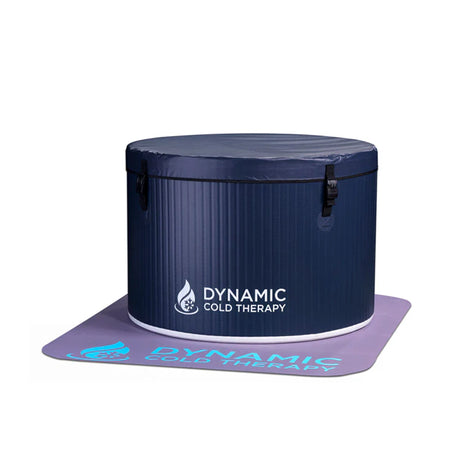
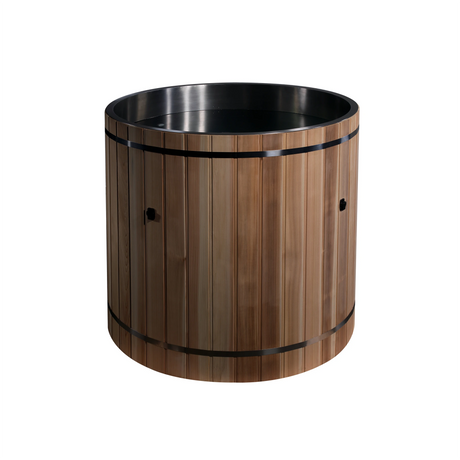
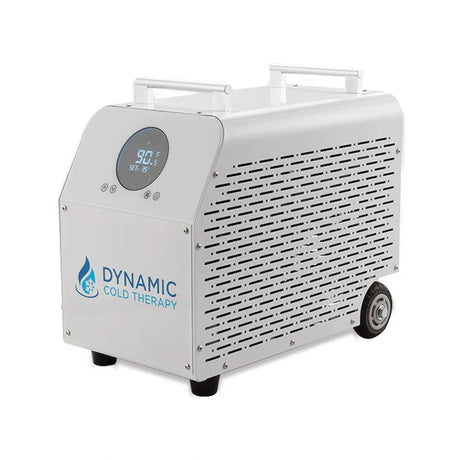
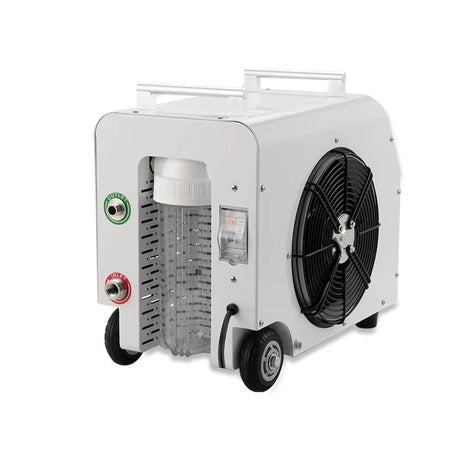
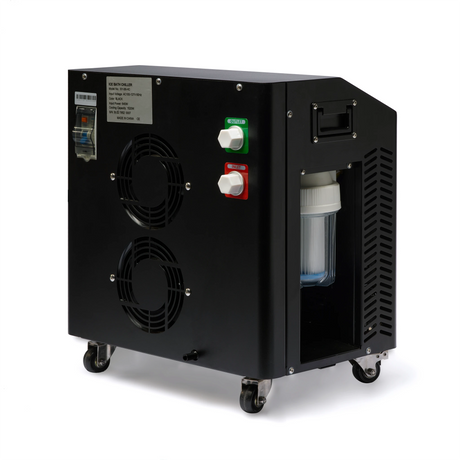
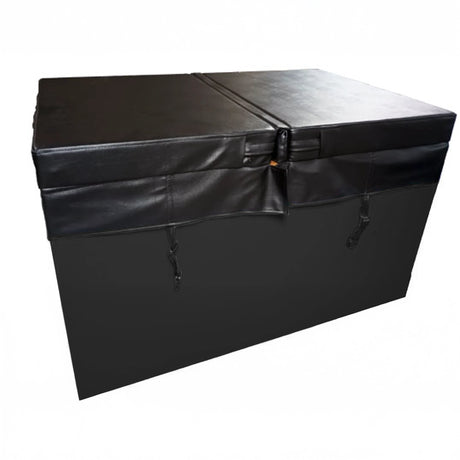
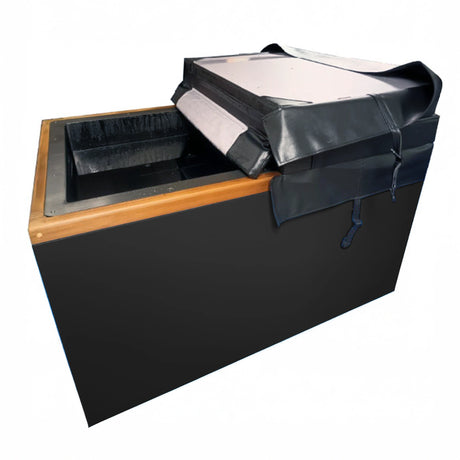
For home use, cold plunge tubs and portable ice bath systems are excellent options. These products provide consistent cold temperatures and are easy to use. Cold therapy bags and wraps are also great for isolating specific muscle areas during recovery.
Looking for the right cold therapy solution? Explore home-use cold plunges and accessories to boost your recovery routine.
Take Your Muscle Recovery to the Next Level
At the end of the day, cold therapy isn’t just a trend—it’s a proven tool for faster recovery, reduced soreness, and optimized performance. Whether you’re an elite athlete chasing peak performance or someone simply looking to stay consistent with your workouts, the power of cold therapy can help you push limits and bounce back stronger. But like any effective recovery method, understanding the science and practicing safely is essential to reaping the rewards without unnecessary risks.
If you’re ready to integrate cold therapy into your wellness routine, enhance your recovery journey with high-quality solutions from Blue Sky Fitness Supply. From cutting-edge cold plunge tanks to recovery-focused accessories, we offer the tools you need to stay ahead in your health and fitness game. Visit us today to explore our range of recovery equipment designed to help you perform, recover, and feel your absolute best.