

Table of Contents:
- Start With the Dumbbell, Not the Dumbbell Rack Catalog
- Dumbbell Rack Configurations: Which Tier Layout Fits Your Facility?
- Commercial-Grade Build Quality: What the Spec Sheet Should Actually Tell You
- Free Weight Zone Layout: How Your Dumbbell Rack Placement Affects Safety, Flow, and Compliance
- Sizing Your Dumbbell Rack to Your Member Population and Weight Range
- Frequently Asked Questions
- The Right Dumbbell Rack Is a Long-Term Facility Decision — Make It Like One
The free weight zone is the highest-traffic, highest-liability area in any commercial facility. Members spend more time there than almost anywhere else on the floor, the weights are heavy and unsecured, and the consequences of a poor setup compound daily. Cardio equipment gets scrutinized. Strength machines get scrutinized. The dumbbell rack — the anchor of that entire zone — often gets ordered from a catalog after a two-minute price comparison.
Here's the problem with that approach: the dumbbell rack is not a passive storage unit. A wrong rack choice leads to dropped weights, coating damage, ergonomic bottlenecks, ADA violations, and floor-load problems that cost more to fix than the rack itself ever would have. According to Fitness-China.com, over 90% of weightlifting injuries involve free weights — most caused by poor form, dropped weights, or unstable setups. The rack is part of that stability equation.
The facility managers who never have a problem with their dumbbell rack don't start with the catalog. They start with their dumbbell set, their floor plan, and their member population — and then pick the rack. That sequence matters more than brand preference or price point.
This guide walks through the five decisions every commercial buyer must make before purchasing a dumbbell rack: matching rack type to dumbbell geometry, choosing the right configuration for your pair count and footprint, verifying commercial-grade build specs, planning the layout before equipment arrives, and sizing the investment to your actual membership population. Each section includes spec-level detail, references to specific Legend Fitness models available through Blue Sky Fitness Supply, and the compliance context that protects operators from liability.
The market context is worth noting: the dumbbell storage rack market was valued at approximately $1.2 billion in 2023 and is projected to reach $2.5 billion by 2032, growing at an 8.5% CAGR. Commercial facilities are investing heavily, and the options have never been more varied — or more confusing. The goal here is to cut through that confusion with decisions rooted in specs, not marketing language.
Start With the Dumbbell, Not the Dumbbell Rack Catalog
Rack selection must begin with the dumbbells themselves. The shape of the dumbbell head, handle length, and head diameter all determine whether a given rack design will safely and securely store the weight. This is not a minor compatibility nuance — it is the foundational spec decision, and skipping it is the single most common purchasing mistake in this category.
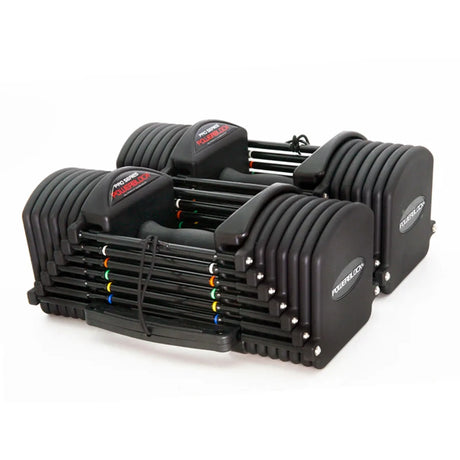
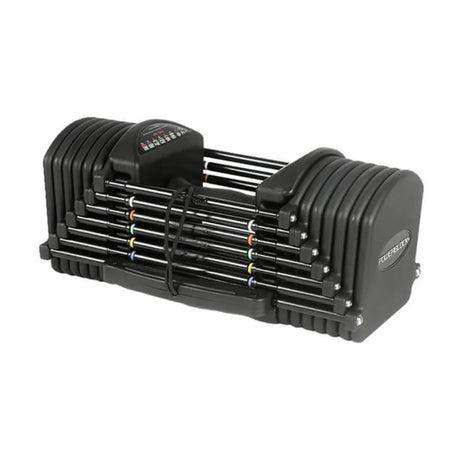
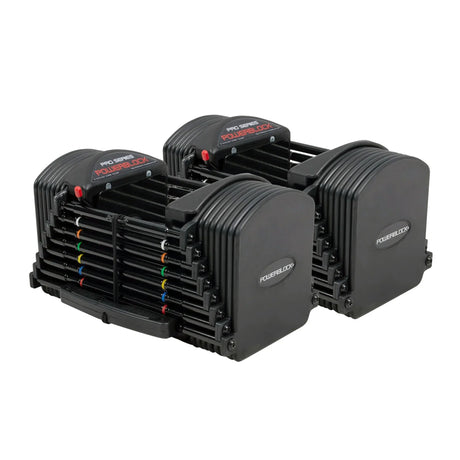
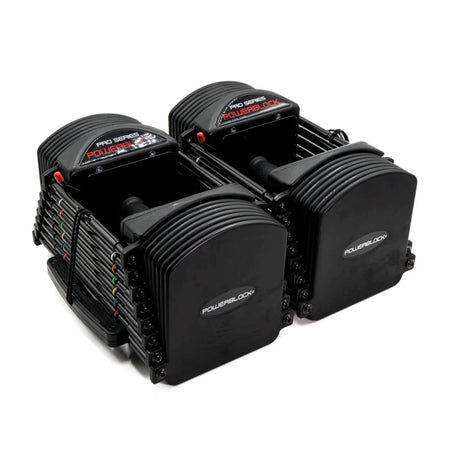
According to Iron Company's dumbbell rack buyer guidance, not all dumbbell types fit the same rack style. Rubber hex, iron hex, urethane hex, round urethane, pro-style, chrome, neoprene, vinyl, and adjustable dumbbells each carry different rack compatibility requirements. That's nine dumbbell categories, and the rack geometry appropriate for one can be actively hazardous for another. Buyers evaluating adjustable systems in particular should review how PowerBlock and Bowflex compare on storage and commercial compatibility before committing to a rack configuration.
Hex Head Dumbbells and Flat-Tray Racks
Hex dumbbells — whether rubber, iron, or urethane-coated — have flat sides that prevent rolling. This geometry is what makes flat-tray racks viable. The flat sides register against the tray surface and stay put. A hex head dumbbell rack with angled or horizontal trays works precisely because the dumbbell's geometry does half the holding work.
Round-head dumbbells — including round urethane and most pro-style designs — do not have that flat geometry. Place a round-head dumbbell on a flat-tray rack and it will roll. In a busy commercial environment, that's not a hypothetical risk; it's a matter of time before a pair shifts off the shelf. The correct rack for round or pro-style heads uses saddles or cradles — contoured contact points that grip each head independently and hold the pair in place regardless of how it's set down.
Pro-Style Dumbbell Racks and Saddle Geometry
A pro-style dumbbell rack is built specifically around saddle cradles that support the knurled end-caps of pro-style heads. The saddle depth, width, and spacing are all engineered for the specific head diameter of pro-style dumbbells. This is why a hex head dumbbell rack and a pro-style dumbbell rack are not interchangeable — the contact geometry is fundamentally different for each.
This maps directly to the Legend Fitness catalog. The Legend Fitness 3118 (10-pair, $769) and 3168 (15-pair, $1,009) are spec'd for hex head dumbbells and use angled tray designs. The Legend Fitness 3169 (10-pair, $959), 3190 (6-pair, $829), and 3191 (15-pair, $1,299) are built for pro-style heads with saddle cradle geometry. Ordering the wrong one — a hex rack for a pro-style set, or vice versa — means the dumbbell heads either overhang the shelves or sit unstably in saddles sized for a different head diameter.
Adjustable Dumbbells: A Separate Category Entirely
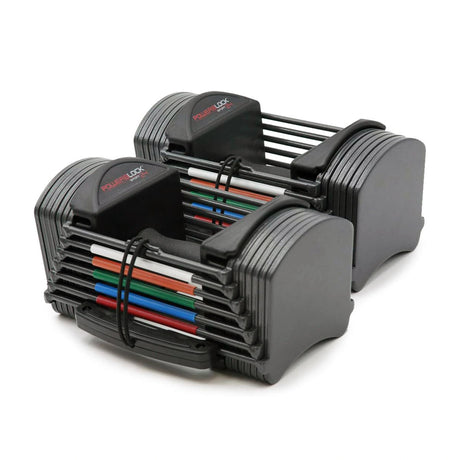
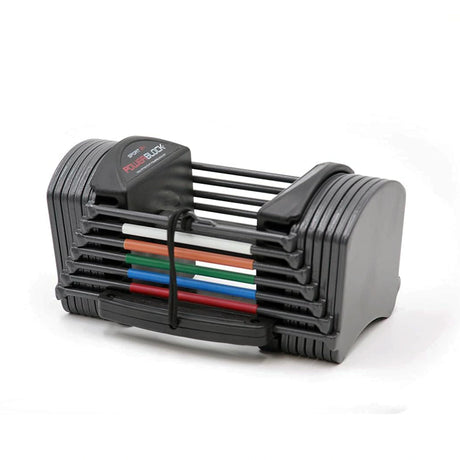
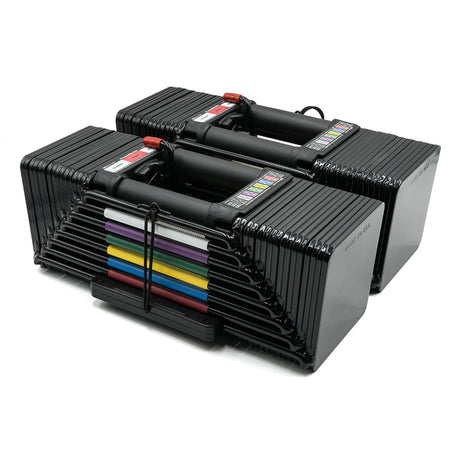
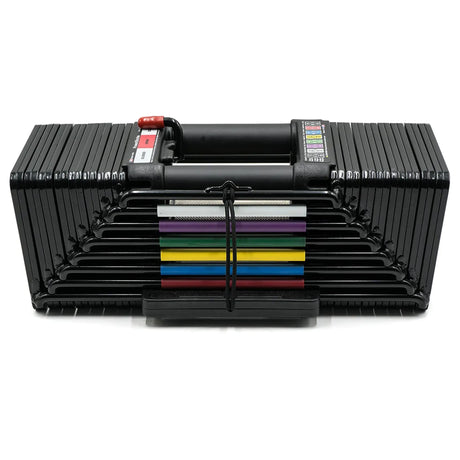
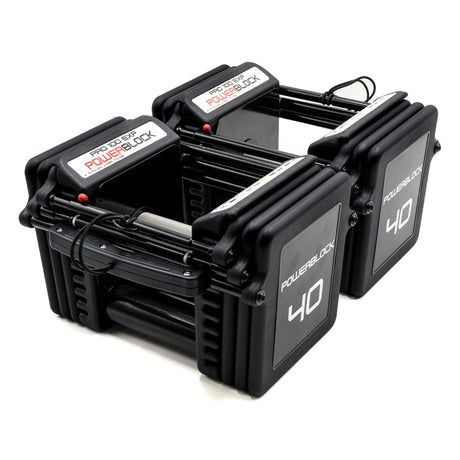
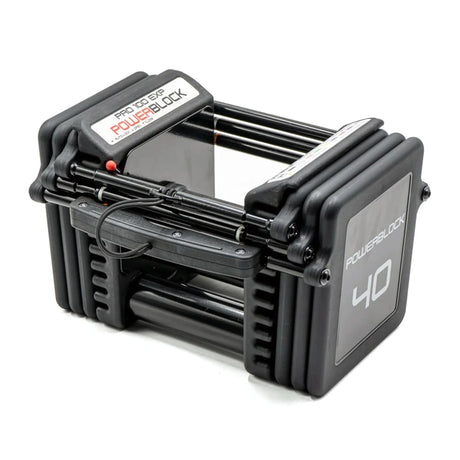
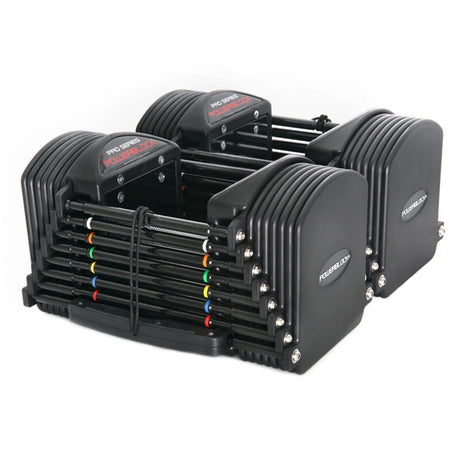
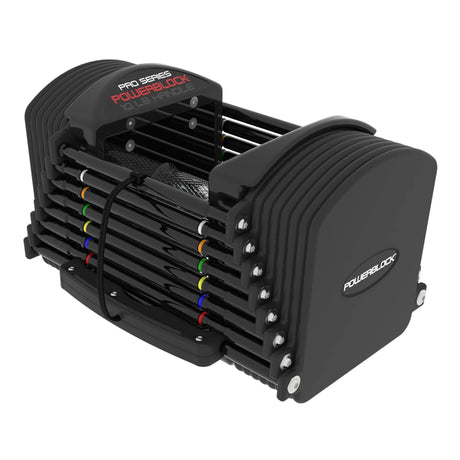
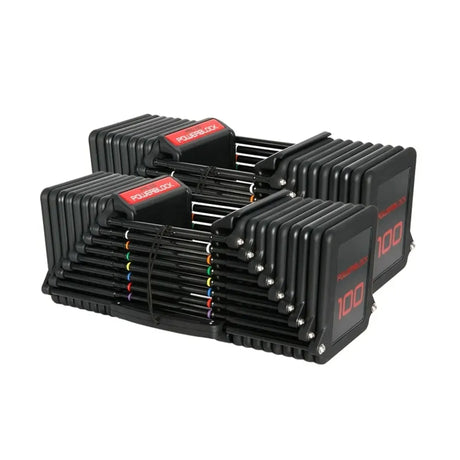
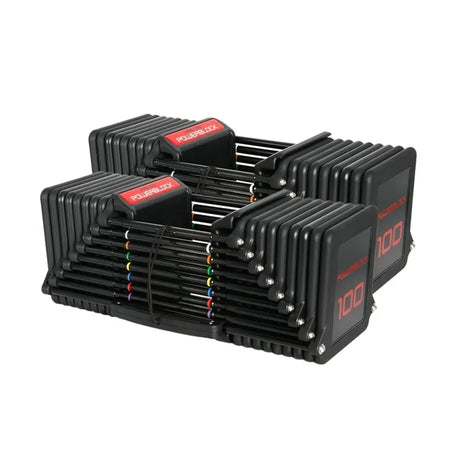
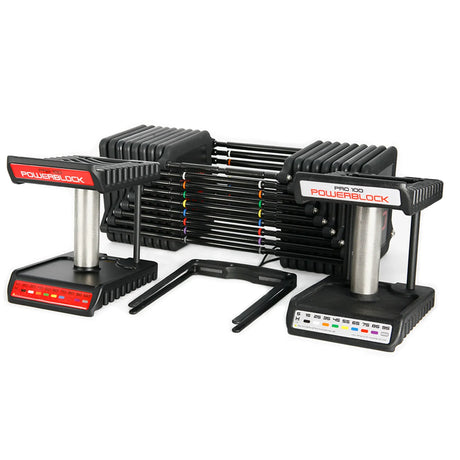
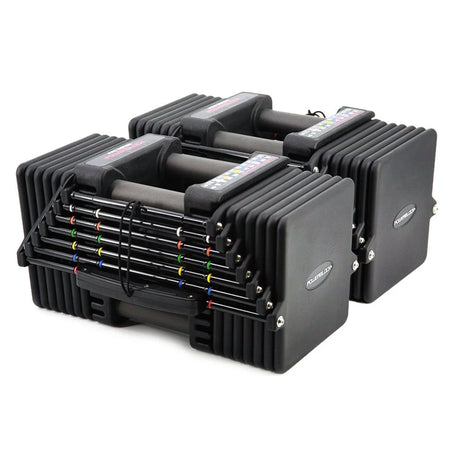
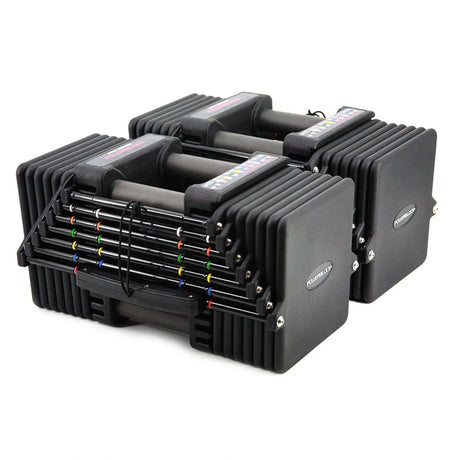
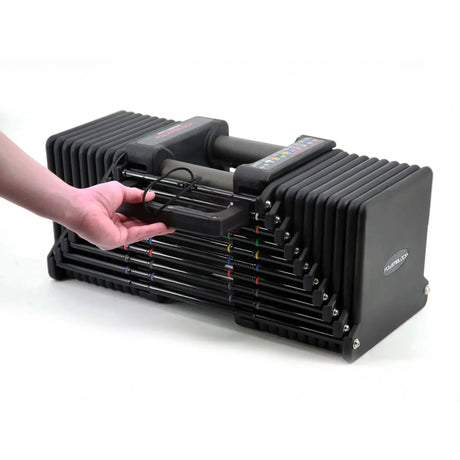
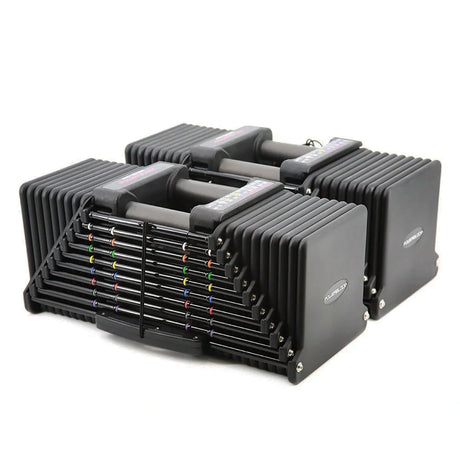
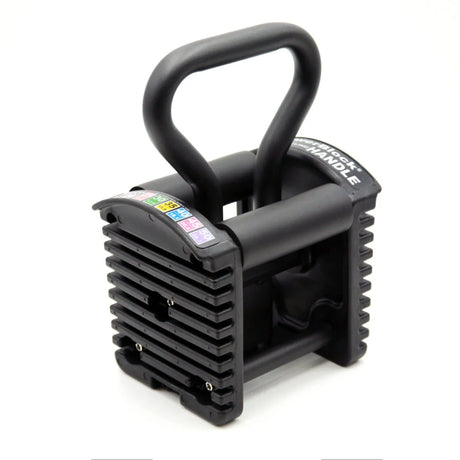
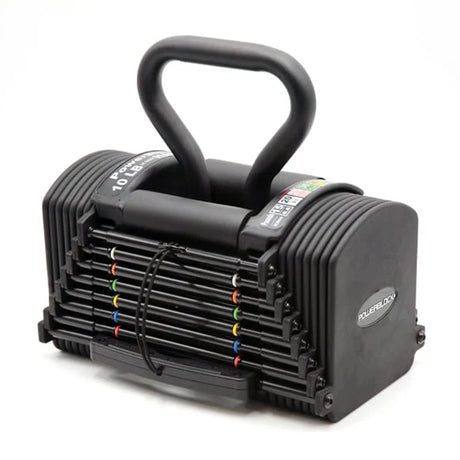
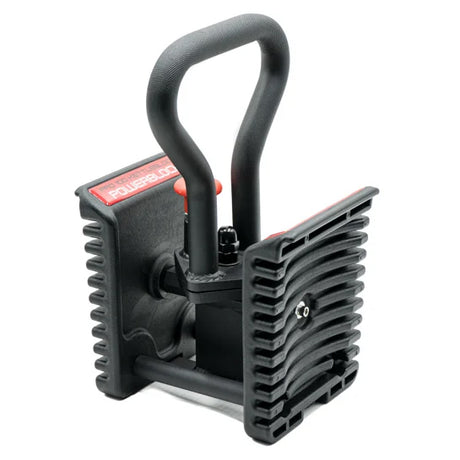
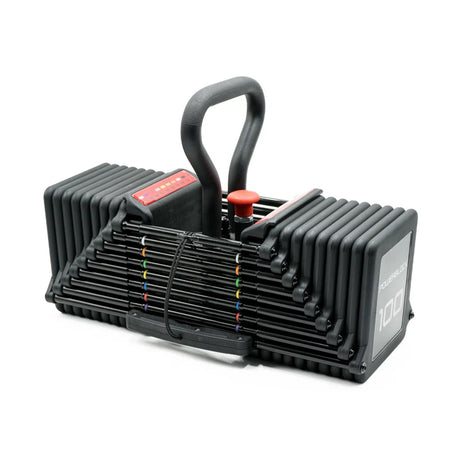
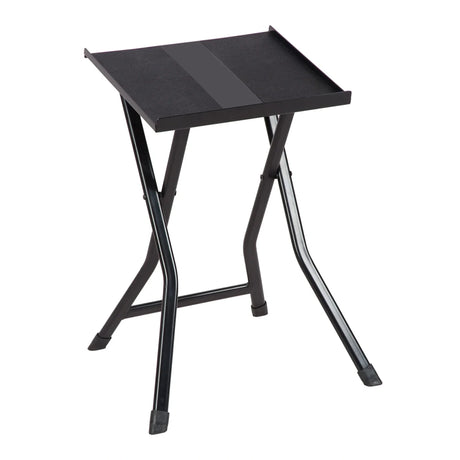
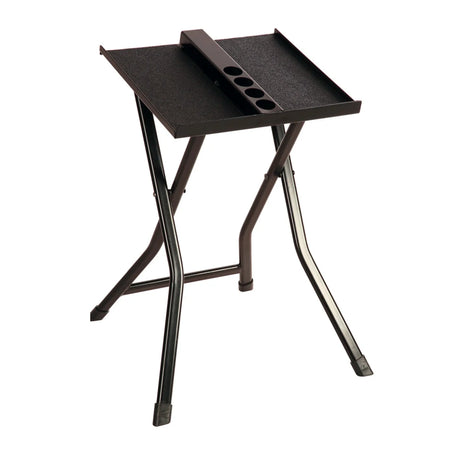
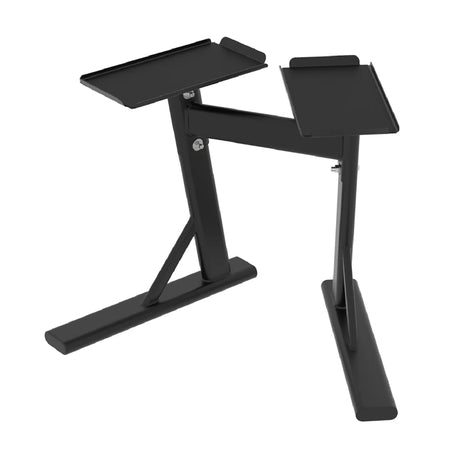
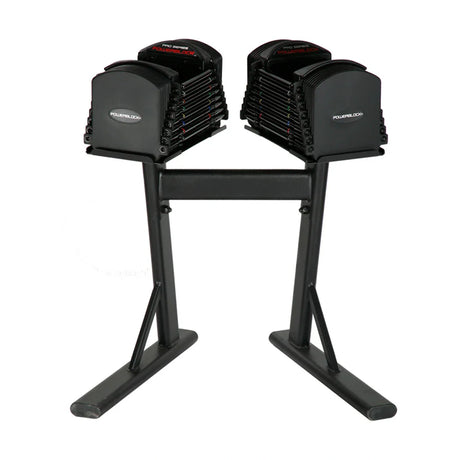
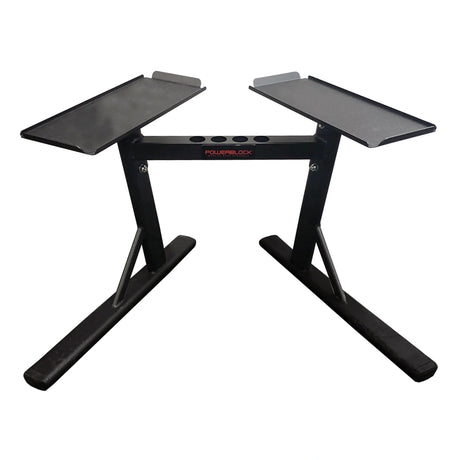
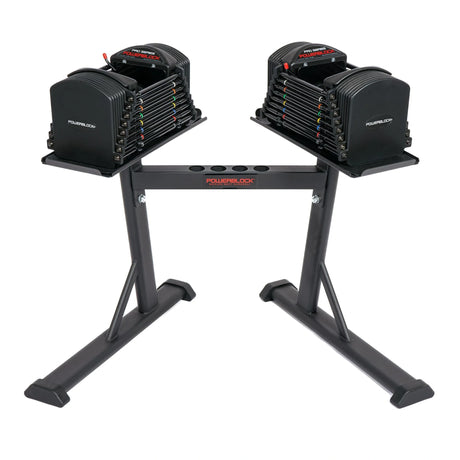
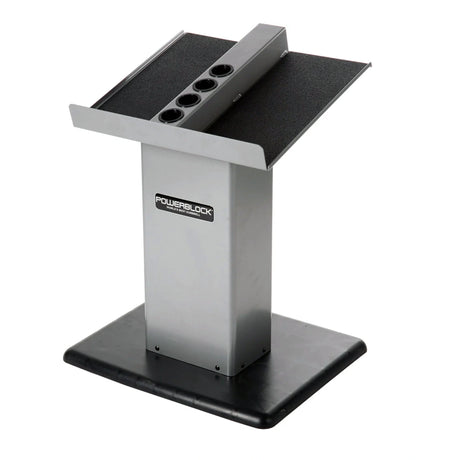
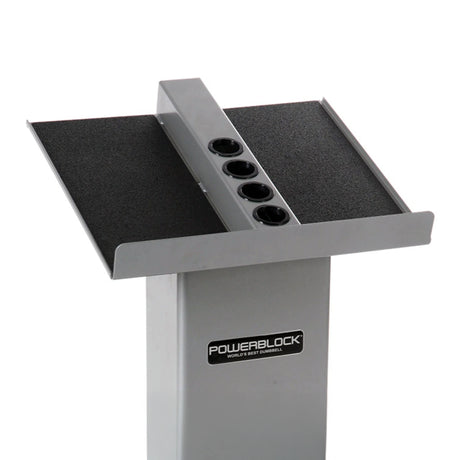
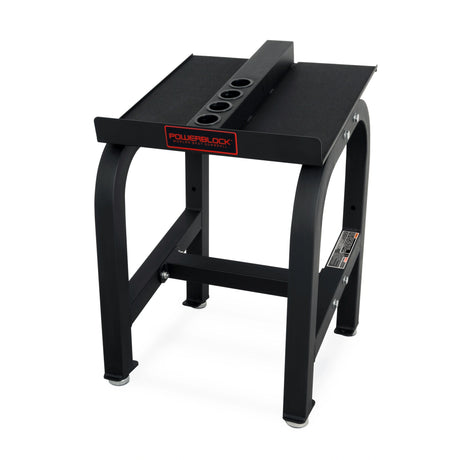
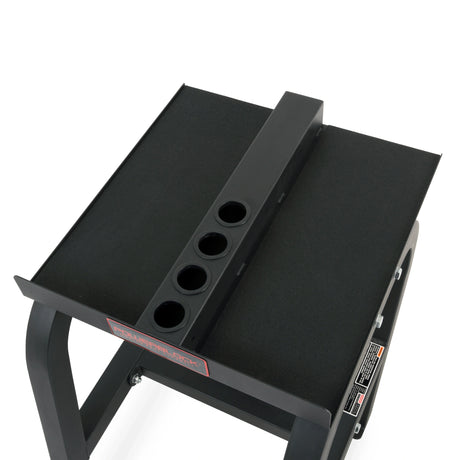
Adjustable dumbbells require purpose-built stands designed for that specific system. According to Iron Company, generic flat-tray or saddle racks are typically incompatible with adjustable dumbbell systems. The selector mechanisms, weight plates, and overall dimensions of systems like PowerBlock are not designed around standard rack geometry. A generic rack may physically hold the unit, but it can damage the selector mechanism, void the warranty, or create an unstable storage situation. The correct approach is to source the manufacturer-recommended stand for whatever adjustable system the facility carries.
The Pre-Purchase Measurement Checklist
Before selecting any rack, measure three things on the dumbbell pair itself: handle diameter, head width at the widest point, and total length of the pair. These three measurements determine the saddle width the rack needs, the shelf depth required to prevent overhang, and the tier spacing required to access each pair without knocking adjacent sets. Skipping this step is what puts buyers in a return-and-reorder cycle.
Buyers who skip the dumbbell-first step often order a rack, receive it, and discover the dumbbell heads overhang the shelves or roll in the saddles — a return and re-order cycle that delays facility opening and inflates the total project cost. Blue Sky's pre-purchase consultation process exists to catch this before it happens. It's a fifteen-minute conversation that routinely saves facilities from a two-week delay and a freight return claim.
Dumbbell Rack Configurations: Which Tier Layout Fits Your Facility?
Configuration — meaning the tier count and overall layout of the rack — drives storage density, member ergonomics, physical footprint, and purchase price. According to YR Fitness, the three most popular dumbbell rack configurations for commercial use are the A-frame, 2-tier, and 3-tier designs, with the 3-tier being the most popular for professional gym centers, the 2-tier suited to medium facilities, and the A-frame best for lighter-load or space-constrained environments.
Here's how each configuration maps to real commercial use cases, with specific Legend Fitness models at each tier.
A-Frame Racks
A-frame racks are angled inward on both sides, creating a V or triangle profile. They're space-efficient for lighter loads and work well in boutique settings with a narrow dumbbell range. They're not ideal for a full commercial range — the angled design limits per-tier pair capacity, and accessing heavier pairs from the lower sections of an A-frame requires an awkward reach angle that creates ergonomic problems at higher weights.
2-Tier Racks
Two-tier horizontal racks are the right starting point for small-to-medium commercial facilities with a limited dumbbell range — typically 5–50 lbs. They offer good access ergonomics because neither tier is uncomfortably high or low, and the pair count is manageable for most small facilities.
For hex head sets, the Legend Fitness 3170 (6-pair, $679) and 3118 (10-pair, $769) cover this tier. For pro-style sets, the 3190 (6-pair, $829) and 3169 (10-pair, $959) are the commercial options. The price differential between hex and pro-style racks at this tier — roughly $150–$190 — reflects the additional manufacturing complexity of saddle cradles versus flat trays.
3-Tier Racks
The 3-tier dumbbell rack is the workhorse of commercial free weight zones. It maximizes pairs stored per linear foot of wall space, which matters significantly in facilities where real estate is expensive. According to Origin Fitness, horizontal dumbbell racks can typically hold 10–12 pairs over two or three tiers — and at three tiers, that density makes a real operational difference for facilities with a 5–75 lb range.
The Legend Fitness 3168 (15-pair hex head, $1,009) and 3191 (15-pair pro-style, $1,299) are the primary 3-tier options in the catalog. One important ergonomic note: the top and bottom tiers of a 3-tier rack create access challenges for heavier pairs. A 70 lb pair stored on the bottom tier requires a controlled squat-and-lift to return safely. Plan rack placement so the heaviest pairs land on the middle tier — this is a layout detail that matters for both member safety and dumbbell coating protection.
4-Tier Racks
Four-tier racks offer the highest storage density and are appropriate for large commercial facilities carrying a full dumbbell range. The Legend Fitness 3239 (20-pair hex head, $1,219) is the entry point in this configuration, designed to hold a complete 5–100 lb set in 5 lb increments. Fully loaded, that rack is managing significant concentrated weight — floor load implications are real and must be assessed before installation, particularly in multi-story buildings or older construction.
Sliding Shelf and Long Rack Configurations
The Legend Fitness 3327 Long 3-Tier Sliding Shelf ($2,709) solves a specific problem that high-volume facilities encounter: ergonomic access for heavy pairs in dense storage configurations. The sliding shelf mechanism allows a tier to extend outward toward the user, reducing the reach angle required to safely seat a heavy pair. For facilities where 80–100 lb dumbbells are accessed many times per day, this isn't a convenience feature — it's an injury prevention investment for both members and staff.
Multi-Storage Racks
The Legend Fitness 3313 Multi Storage Rack ($1,299) addresses a different problem: boutique studios and smaller facilities that need to co-locate dumbbells, kettlebells, and medicine balls within a single footprint. Multi-storage racks are gaining significant traction as boutique studio growth creates demand for compact, high-performance equipment that doesn't require a dedicated zone for every accessory category. If your facility carries a moderate dumbbell range alongside kettlebells and medicine balls, a multi-storage solution can consolidate three separate racks into one, recovering meaningful floor space.
Dumbbell Rack Configuration Comparison: At a Glance
The table below summarizes the Legend Fitness lineup by configuration for quick reference. All models are available through Blue Sky Fitness Supply.
| Rack Type | Capacity (Pairs) | Best For | Tier Count | Example Product | Starting Price |
|---|---|---|---|---|---|
| 2-Tier Hex Head | 6–10 pairs | Small to medium facilities with hex dumbbells | 2 | Legend Fitness 3170 / 3118 | $679–$769 |
| 2-Tier Pro-Style | 6–10 pairs | Small to medium facilities with pro-style dumbbells | 2 | Legend Fitness 3190 / 3169 | $829–$959 |
| 3-Tier Hex Head | 15 pairs | Large commercial gyms; highest density hex storage | 3 | Legend Fitness 3168 | $1,009 |
| 3-Tier Pro-Style | 15 pairs | Large commercial gyms; highest density pro-style storage | 3 | Legend Fitness 3191 | $1,299 |
| 4-Tier Hex Head | 20 pairs | Facilities with full 5–100 lb range | 4 | Legend Fitness 3239 | $1,219 |
| Long 3-Tier Sliding Shelf | High capacity | High-volume facilities; ergonomic access for heavy sets | 3 tiers with sliding shelf mechanism | Legend Fitness 3327 | $2,709 |
| Multi Storage Rack | Mixed accessory storage | Boutique studios; co-location of dumbbells, kettlebells, medicine balls | Variable | Legend Fitness 3313 | $1,299 |

Commercial-Grade Build Quality: What the Spec Sheet Should Actually Tell You
Price is the first number most facility managers look at on a rack spec sheet. It should be the last. The numbers that matter are steel gauge, weld quality indicators, saddle or cradle design, and rated weight capacity. These four specs tell you whether a rack will perform in a commercial environment or gradually degrade under the punishment of daily use by hundreds of members.
Steel Gauge: The Number Most Buyers Miss
Eleven-gauge steel is the commercial standard for dumbbell racks. This is not a preference or a premium feature — it is the minimum appropriate specification for a high-traffic facility environment. Lighter-gauge steel (14-gauge, 16-gauge) is adequate for home gym use, where a rack might support one or two sessions per day. In a commercial facility, a rack endures dozens of loading and unloading cycles daily. Lighter frames flex under those repeated concentrated loads, and that flex accumulates into structural fatigue over time.
To put capacity in concrete terms: a commercial 3-tier dumbbell rack built from 11-gauge steel can achieve weight capacities of up to 2,000 lbs (per XMARK Fitness product specifications). That's the structural overhead a fully loaded commercial dumbbell set requires. If a rack's spec sheet doesn't list the steel gauge, ask for it. Blue Sky sources Legend Fitness dumbbell racks specifically because their construction specs — steel gauge, weight ratings, and saddle geometry — are verified against commercial-grade benchmarks before any product enters the catalog. When a manufacturer is cagey about gauge specs, that is itself a red flag.
Saddle and Cradle Design: More Than Just Fit
The saddle design on a pro-style dumbbell rack serves two functions that most buyers consider separately but shouldn't. First, it prevents the dumbbell from rolling — a direct safety function that protects members. Second, it protects the urethane or rubber coating on the dumbbell head from chipping at the contact point. Facilities that buy racks with poorly designed saddles — too narrow, too shallow, or made from abrasive bare steel — find themselves replacing dumbbell sets years ahead of schedule because the coating failure starts at the saddle contact point and spreads from there.
A properly designed saddle cradle uses a coated or lined contact surface, sized to match the head diameter of the specific dumbbell type the rack was built for. This is another reason the dumbbell-first purchasing sequence matters — saddle geometry that fits one dumbbell head diameter may abrade a different diameter over thousands of loading cycles.
Finish, Coating, and Compliance Documentation
Powder coat finish is the appropriate commercial standard for rack exteriors. It resists corrosion from sweat and cleaning chemicals, doesn't show wear as readily as chrome in high-use environments, and can be color-matched to facility branding. Legend Fitness offers powder coat options across their rack lineup, which matters particularly for facilities that care about aesthetic consistency across a multi-rack free weight zone.
On the compliance side, OSHA consistently cites employers who fail to display rack load ratings under the General Duty Clause of the OSH Act, often referencing ANSI MH16.1. ASTM F2276-17 provides the additional standards framework for strength training storage rack design and testing. Commercial buyers should request certification documentation confirming racks meet these benchmarks — not because inspectors will necessarily show up next week, but because having that documentation on file is the professional standard and protects operators when incidents occur.
Floor Load: A Checklist Item, Not a Scare Tactic
A fully loaded 20-pair dumbbell set — 5 lbs through 100 lbs — is a substantial static load concentrated on a relatively small floor footprint. For single-story slab-on-grade construction, this is rarely a structural concern. For upper floors in multi-story buildings or older construction, it warrants a conversation with a structural engineer before installation. This doesn't need to derail a purchasing decision — it just needs to be on the pre-installation checklist.

Free Weight Zone Layout: How Your Dumbbell Rack Placement Affects Safety, Flow, and Compliance
The rack itself is only part of the equation. Where it goes — and how it integrates with the surrounding floor plan — determines member safety, traffic flow, and the facility's liability exposure under both ADA standards and OSHA's General Duty Clause. This is where many facilities get themselves into trouble, and the consequences are harder to fix post-installation than any rack spec issue.
ADA Spacing: Non-Negotiable
Per ADA Standards for Accessible Design (2010) and POPProbe's gym free weights safety framework, all weight benches and racks must be spaced a minimum of 36 inches apart to allow safe movement and ADA-compliant access in commercial facilities. That 36-inch minimum is measured when equipment is in its normal position — not when the space is empty. Plan aisle widths wider than 36 inches in high-traffic zones, because a pair of dumbbells set down on the floor during a set can reduce effective aisle width significantly. Non-compliance creates both legal liability and real exclusion for members with mobility limitations.
Free weight area compliance references ASTM F1749-15, ASTM F2276-17, the OSHA General Duty Clause (29 USC 654), ADA Standards for Accessible Design (2010), and NSCA Strength and Conditioning Facility Standards and Policies (2017). That's a meaningful stack of standards, and rack placement is where several of them intersect simultaneously.
Floor Clearance in Front of the Rack
Commercial gym planning guidelines, including those from Jerai Fitness, recommend a minimum of 10–20 square feet of floor clearance per machine or active user in commercial free weight zones. In practical terms, that means the open floor in front of a dumbbell rack must be deep enough for a member to step back with weights in hand, move laterally without colliding with another member, and set the pair down safely. Undersized clearance in front of the rack is the most common free weight zone layout mistake — and it's one that's nearly impossible to correct without moving walls or removing equipment.
One of the most common field calls Blue Sky receives after a rack ships is "we didn't realize how much floor space we'd need in front of the rack." This is why layout finalization must precede equipment ordering — not the other way around. A rack that looks appropriately sized in a catalog photo can feel enormous once it's in a room with existing columns, electrical panels, and competing equipment zones.
Mirror Placement
Mirrors belong behind dumbbell racks along free weight zones — not behind cardio equipment. According to NTAI Fitness's gym floor layout guidance, mirrors positioned behind the rack allow members to check form during lifting movements, which directly reduces injury risk and reduces coaching liability for the facility. A member who can see themselves in a lateral raise or a dumbbell press is significantly less likely to compensate with poor form. Position mirrors at a height that captures full standing body view from the rack's usage distance.
Traffic Flow and Rack Positioning
Racks placed along a wall with open floor in front create predictable, uni-directional traffic patterns that are easy to manage. Island placement — racks positioned in the center of a room — creates cross-traffic from multiple directions and eliminates the protected sightline the mirror provides. For commercial facilities, wall-adjacent placement is the standard for exactly these reasons.
Avoid positioning the dumbbell rack zone at a junction with high-volume pathways — entrances, water fountain corridors, or transitions between equipment zones. Members carrying heavy dumbbells in those transition areas create collision risk that proper zone planning eliminates entirely. The free weight zone is the highest-liability area in most commercial facilities, and proper rack placement, adequate aisle widths, mirror positioning, and a consistent re-racking culture all intersect to reduce incident risk under the OSHA General Duty Clause.
Rubber gym flooring under and around the free weight zone is a companion decision to rack placement — it absorbs impact from dropped weights, protects the structural floor surface, and reduces slip risk in a zone where members frequently move with heavy loads in both hands. That's a separate buying decision, but it belongs in the same planning conversation.

Sizing Your Dumbbell Rack to Your Member Population and Weight Range
Buying the biggest rack available is not a strategy. Neither is undersizing to save $300 today and ending up with a mismatched second rack in six months. Proper rack sizing starts with honest assessment of who your members are and what they're actually going to lift.
Standard Commercial Starting Range: 5–50 lbs
For mixed-use gyms, hotel fitness centers, and corporate wellness facilities serving a broad membership demographic, a 5–50 lb dumbbell set is the standard commercial starting point. According to Origin Fitness, a dumbbell set of 2.5kg–50kg (approximately 5–110 lbs) is typical for smaller commercial gyms with wide member bases. In 5 lb increments, that's 10 pairs — well within the capacity of a 2-tier or 3-tier configuration.
A 10-pair set maps cleanly to the Legend Fitness 3118 (hex head, $769) or 3169 (pro-style, $959). Both carry enough capacity for a complete 5–50 lb range with no pairs left on a separate surface. Facilities evaluating adjustable alternatives alongside fixed sets should understand how systems like PowerBlock are designed before ruling them out — a review of how PowerBlock dumbbells work and whether they suit commercial environments can help clarify that comparison.
Performance and Strength-Focused Facilities
Strength gyms, athletic training centers, and bodybuilding-focused clubs need to plan for 75–100+ lbs. A complete 5–100 lb set in 5 lb increments is 20 pairs — that's a 4-tier rack requirement. The Legend Fitness 3239 (20-pair, $1,219) handles this range on a single rack. Heavier sets also require heavier-duty rack frames and additional structural floor load assessment, as discussed in the build quality section above.
Higher-end dumbbell ranges of 50kg–100kg (110–220 lbs), per Origin Fitness, are only relevant for facilities explicitly catering to serious weightlifters and bodybuilders. Most commercial operators don't need to go that heavy — and if they're evaluating whether they do, the answer usually comes from looking at their actual membership demographics and strength programming, not from guessing.
Growth Planning: Buy One Tier Beyond Today
Facilities that purchase racks with zero expansion room almost always end up buying a second rack within two years as membership grows and dumbbell ranges expand. That second rack rarely matches the first — different era, different finish, different saddle design — and it creates an aesthetic inconsistency in the free weight zone that members notice more than operators expect. Buy one tier of capacity beyond your current dumbbell set. The incremental cost at purchase is small compared to the cost and operational disruption of a mid-cycle addition.
Multi-Facility Standardization
Multi-facility operators who standardize on a single Legend Fitness rack model across locations report significant operational benefits: consistent re-ordering, matching aesthetics across clubs, and simplified staff training on equipment maintenance routines. Blue Sky supports multi-unit procurement for these accounts, and the operational logic is straightforward — when every location runs the same rack, replacement parts, cleaning protocols, and weight placement standards are identical everywhere.
For boutique operators managing space aggressively, the Legend Fitness 3313 Multi Storage Rack ($1,299) reduces total rack count by co-locating dumbbells, kettlebells, and medicine balls within one footprint. As boutique fitness studio growth continues to outpace overall gym industry growth according to Market Data Forecast, the demand for this kind of space-efficient solution is only increasing. The dumbbell storage rack market's projected CAGR of 8.2% through 2030, per Lucintel/GII Research, reflects exactly this kind of demand evolution — operators who size correctly now are better positioned as their facilities scale.

Frequently Asked Questions
1. What is the difference between a hex head dumbbell rack and a pro-style dumbbell rack?
A hex head dumbbell rack uses flat or angled trays that cradle the flat sides of hex dumbbells to prevent rolling, while a pro-style dumbbell rack uses saddle cradles designed to support the round, knurled-end heads of pro-style dumbbells. The two are not interchangeable — placing round-head dumbbells on a flat-tray hex rack creates a drop and roll hazard because the round heads have no flat geometry to register against the shelf surface. Verify your dumbbell type before selecting any rack configuration. The Legend Fitness 3168 and 3170 are built for hex heads; the 3169, 3190, and 3191 are built for pro-style heads.
2. How many pairs of dumbbells does a commercial 3-tier rack hold?
Most commercial 3-tier horizontal dumbbell racks hold 15 pairs. The Legend Fitness 3168 (hex head) and 3191 (pro-style) both hold 15 pairs, covering a 5–75 lb range in 5 lb increments. According to Origin Fitness, horizontal racks can typically hold 10–12 pairs across two or three tiers, though commercial-grade 3-tier designs often exceed that range. For facilities with a full 5–100 lb set, the Legend Fitness 3239 (4-tier, 20-pair) is the appropriate step up.
3. What steel gauge should a commercial dumbbell rack be built from?
Commercial dumbbell racks should be built from 11-gauge steel at minimum. Lighter gauges — 14-gauge or 16-gauge — are adequate for home gym applications but will flex under the repeated concentrated loads of a commercial environment over time. Always verify the gauge specification before purchasing; if it is not listed on the spec sheet, ask for it directly. A manufacturer that cannot confirm the steel gauge of their rack is indicating something important about their production standards.
4. Do I need a specific rack for adjustable dumbbells?
Yes, adjustable dumbbells require stands specifically designed for that system. According to Iron Company's buyer guidance, generic flat-tray or saddle racks are typically incompatible with adjustable dumbbell systems like PowerBlock because the geometry of their selector mechanisms, plate configurations, and overall dimensions is not designed around standard rack contact points. Using a generic rack can damage the selector mechanism, void the dumbbell warranty, or create an unstable storage condition. Contact the dumbbell manufacturer or Blue Sky Fitness Supply to confirm compatible stand options for your specific system.
5. What ADA requirements apply to dumbbell rack placement in a commercial gym?
ADA Standards for Accessible Design (2010) require a minimum of 36 inches of clear aisle width between all weight benches and racks in commercial facilities. This spacing must be maintained even when equipment is actively in use — not just when the space is empty. In high-traffic free weight zones, plan aisles wider than 36 inches, because members carrying dumbbells and equipment temporarily left on the floor can reduce effective clearance below the legal minimum in undersized aisles.
6. How do I calculate how many dumbbell racks my facility needs?
Start with your full dumbbell inventory by pair count: a standard 5–50 lb set in 5 lb increments equals 10 pairs, and a 5–100 lb set equals 20 pairs. Match that pair count to rack capacity — the Legend Fitness 3118 holds 10 pairs, the 3168 holds 15 pairs, and the 3239 holds 20 pairs. Add one tier of buffer capacity for future dumbbell additions, since facilities consistently underestimate how quickly they expand their weight range as membership grows and programming evolves.
7. What is a multi-storage dumbbell rack and when does it make sense?
A multi-storage rack combines dumbbell storage with additional slots for kettlebells, medicine balls, or other accessories in a single footprint. The Legend Fitness 3313 Multi Storage Rack ($1,299) is the example in Blue Sky's current catalog. These make sense for boutique studios or smaller facilities where floor space is limited and equipment variety is high — consolidating three separate racks into one unit recovers meaningful square footage without sacrificing accessory storage capacity.
8. Are dumbbell racks subject to OSHA or ASTM compliance requirements?
Yes, commercial dumbbell racks are subject to several overlapping standards. OSHA's General Duty Clause (29 USC 654) requires employers to maintain safe work environments, which includes displaying rack load ratings — failure to do so is a documented citation area. ASTM F2276-17 establishes design and testing standards for strength training storage equipment, and ADA Standards for Accessible Design (2010) govern aisle clearance and accessible positioning. Commercial buyers should request compliance documentation from manufacturers and keep it on file as standard operating procedure.
The Right Dumbbell Rack Is a Long-Term Facility Decision — Make It Like One
The five-step framework this guide covers isn't complicated, but it requires doing things in the right order. Start with the dumbbell type — hex, pro-style, or adjustable — because that determines rack geometry before anything else. Choose a configuration that matches your pair count and your member population, not just your current budget. Verify build quality through steel gauge, saddle design, and rated weight capacity rather than price alone. Finalize your layout before the rack ships, not after it arrives on a pallet. And size for growth — one tier beyond today's inventory is almost always the right call.
The ROI case for getting this right is straightforward. A properly specified commercial dumbbell rack reduces coating damage on the dumbbell set, extending its service life by years. It prevents rolling and drop incidents in the free weight zone, reducing liability exposure. It simplifies daily cleaning and weekly inspection routines. And it projects the kind of organized, professional facility environment that retains members longer than any marketing campaign.
According to Mordor Intelligence, commercial end use accounts for 77.55% of the total fitness equipment market share in 2024 — driven by substantial investments from gyms, fitness centers, corporate wellness programs, and healthcare institutions. That investment deserves spec-level scrutiny at every equipment category, including the rack.
Blue Sky Fitness Supply carries the full range of Legend Fitness dumbbell racks — from the compact 6-pair 2-tier options starting at $679 through to the high-density 20-pair 4-tier configuration and the multi-storage solution for boutique operators. Every unit in the catalog is commercial-grade and spec-verified. If you've worked through this guide and identified your rack configuration and pair count, the logical next step is to browse the Blue Sky dumbbell rack collection and confirm which Legend Fitness model maps to your facility's requirements. If you're still working through the broader weight room layout, the complete guide to selecting the right dumbbell system for your space is a useful companion resource before equipment ordering begins.