

Table of Contents:
- Benefits of Recumbent Exercise Bikes: What Makes Them Special?
- Benefits of Upright Exercise Bikes: The Classic Choice
- Recumbent vs. Upright Bikes: Head-to-Head Comparison
- Top Exercise Bike Benefits of Cardio Workouts
- Frequently Asked Questions: Recumbent vs. Upright Exercise Bikes
- Take the Next Step Toward Your Fitness Goals
If you're on the hunt for an effective, low-impact way to elevate your fitness game, an exercise cycle bike might just be your new best friend. These stationary workout machines are known for delivering heart-pumping cardio workouts, improving stamina, and supporting fat loss—all without putting undue strain on your joints. But not all exercise bikes are created equal, and choosing the right one can make or break your fitness routine.
Most people gravitate toward either a recumbent cycling bike or an upright bike, depending on their goals. Both offer unique exercise bike benefits, but here's where the confusion sets in: many buyers assume one is simply a fancier version of the other. And that's the mistake.
The truth? When you examine recumbent vs. upright bikes, the differences in design, comfort, workout intensity, and even space requirements paint two very distinct pictures. Understanding these contrasts could save you from investing in the wrong equipment—and possibly losing out on the fitness progress you're after.
So, how do you determine which is right for you? Let's unpack the key features, benefits, and real-world use cases of both options to help you make the smartest choice for your needs.
Benefits of Recumbent Exercise Bikes: What Makes Them Special?
When you picture a recumbent cardio bike, think relaxation meets functionality. These bikes are defined by their reclined seating position, complete with a larger seat akin to your favorite cushioned chair. Unlike the traditional upright setup, a recumbent bike positions the pedals in front of your body, offering unparalleled comfort during long workout sessions.
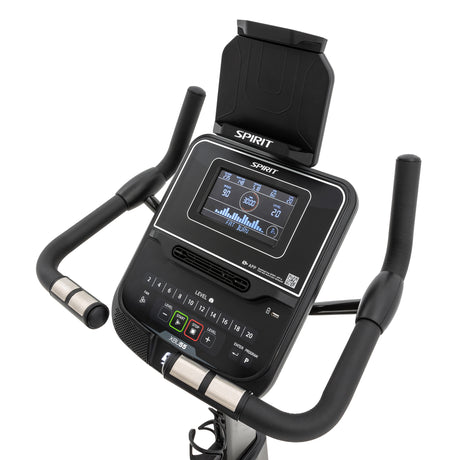
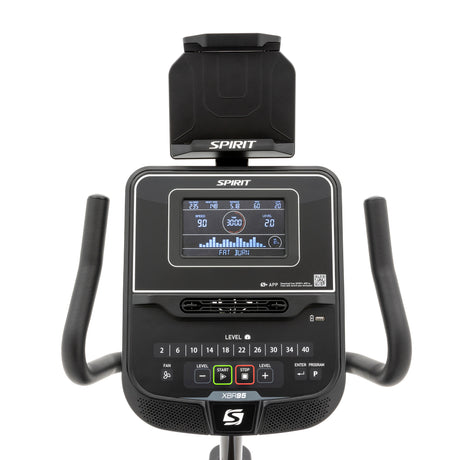
This design isn't just about aesthetics—it's purpose-driven. The larger seat provides exceptional lumbar support, making it an ideal choice for individuals with back issues or those who prefer a low-impact cardio option. According to research, the reclining posture significantly reduces stress on your spine and joints compared to upright bikes. For facilities or home gyms serving a broad population—including older adults or those in rehabilitation—this makes recumbent bikes a practical first choice, not just a comfort upgrade. A commercial-grade option like the Spirit Fitness XBR95 Recumbent Bike illustrates how far recumbent design has come, combining clinical-level ergonomics with the durability expected in high-use environments.
Another hallmark feature of the recumbent bike is its user-friendly accessibility. Thanks to its low-to-the-ground design, mounting and dismounting are simple—even for older adults, individuals recovering from injuries, or anyone with limited mobility. Plus, the semi-horizontal alignment of the pedals distributes weight more evenly, reducing strain on your knees and ankles.
But perhaps the most overlooked benefit? A recumbent bike eliminates strain on your upper body. No more leaning over handlebars or dealing with sore wrists and shoulders post-workout. It's this very feature that makes it such a standout option for users prioritizing comfort and joint health. That said, one honest trade-off worth noting: because the reclined position offloads so much of the body's weight onto the seat and backrest, you naturally recruit fewer stabilizing muscles per session compared to an upright bike. For users whose primary goal is calorie burn or athletic conditioning rather than rehabilitation or long-duration comfort rides, that's a factor worth weighing.

Benefits of Upright Exercise Bikes: The Classic Choice
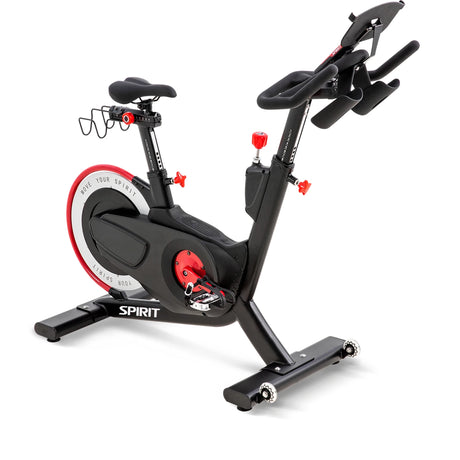
The upright bike, in contrast, is the epitome of compact efficiency. Designed to mimic the posture of a road bike, you'll sit directly above the pedals with a narrow seat and vertical orientation. If you're after versatility and high-intensity cardio workouts, the upright bike is a strong contender.
One of its prime advantages is its small footprint, making it perfect for homes where floor space is a consideration. But don't let its minimalistic size fool you—the upright bike delivers on performance. Riders can switch between seated pedaling and standing strides, ramping up calorie burn and strengthening different muscle groups.
Another standout feature? Upright bikes naturally promote engagement of multiple muscle groups. The more vertical posture activates your core and can even involve the upper body if you choose models with moving handlebars. This makes it excellent for users who want a full-body workout experience in one session.
For those who love a challenge, upright bikes are commonly used for intense interval training or simulating hilly outdoor rides. They demand more effort from riders and mirror movements similar to outdoor cycling, making them a go-to option for athletes and cycling enthusiasts. If you're considering exploring upright and recumbent bikes alike, Spirit Fitness offers a variety of bikes well-suited for every lifestyle need. Spirit Fitness in particular stands out in this category—their warranty and service network are among the strongest in the commercial fitness industry, which matters if you're equipping a facility or investing in equipment you plan to use daily for years.

Recumbent vs. Upright Bikes: Head-to-Head Comparison
If you're still torn between these two powerhouse options, here's a side-by-side breakdown to simplify your decision:
| Feature | Recumbent Cycling Bike | Upright Bike |
|---|---|---|
| Seating Comfort | Large, reclined seat; includes back support. | Small, narrow seat without backrest. |
| Workout Intensity | Ideal for steady-state cardio; lower overall intensity. | Can support high-intensity and HIIT workouts. |
| Target Muscles | Primarily lower body (quads, hamstrings, and calves). | Targets lower body and core; optional upper-body engagement. |
| Space Needed | Larger, requires more floor space. | Compact, great for smaller spaces. |
| Accessibility | Easy to get on and off—perfect for seniors or those with injuries. | Standard mounting; may be challenging for those with limited mobility. |
For facilities planning a mixed cardio floor, a practical approach is pairing at least one recumbent option—such as the Spirit Fitness CR800 Recumbent Bike or the entertainment-equipped Spirit Fitness CR800ENT Recumbent Bike—alongside upright models. This ensures you're meeting the needs of a wider user base without forcing anyone into a machine that's wrong for their body or fitness level. If you're also setting up flooring for your space, our Flooring Guide can help you choose the right surface to protect your equipment and reduce noise and vibration.
Top Exercise Bike Benefits of Cardio Workouts
Regardless of which bike you choose, both deliver massive exercise bike benefits, particularly when it comes to aerobic fitness. Incorporating one into your routine can elevate your heart health, stamina, and overall calorie burn. For a deeper look at why cardiovascular training matters so much, see our overview of The Benefits of Cardio: Why Your Heart and Body Crave It. Here's what to expect from consistent bike training:
- Heart Health Boost: Regular cardio on a bike promotes a healthier heart and circulatory system. Studies show long-term biking habits can reduce the risk of heart disease by up to 50% in consistent exercisers, and even moderate-intensity sessions of 30 minutes, three to five times per week, produce meaningful cardiovascular improvements over time.
- Muscle Toning: Recumbent bikes target the lower body, while upright bikes activate the core, meaning consistent use will improve muscle definition. To take your fitness building to the next level, look into some post-workout massage tools, such as those made by Hypervolt.
- Low-Impact Cardio for Joint Health: Both bike styles offer a joint-friendly alternative to running or jumping exercises. This is especially valuable for individuals managing knee osteoarthritis, hip discomfort, or recovering from lower-body injuries—populations who still need consistent cardiovascular stimulus but cannot tolerate high-impact loading.
- Mental Health and Consistency: One underrated benefit of stationary bikes—particularly recumbent models—is that their comfort encourages longer, more consistent sessions. Research consistently shows that exercise adherence matters more than peak intensity for long-term health outcomes. A bike you'll actually use three times a week beats a more demanding machine that you avoid.
For more fitness tips, equipment guides, and expert insights, browse our Blue Sky Fitness Supply blog.

Frequently Asked Questions: Recumbent vs. Upright Exercise Bikes
1. What is the difference between a recumbent and an upright bike?
The primary difference is seating position and workout intensity. Recumbent bikes feature a reclined seat with back support, making them ideal for comfort and low-impact cardio. Upright bikes mimic a traditional bicycle with a vertical posture, offering a more intense workout and engaging additional muscle groups like the core and upper body.
2. Which is better for seniors: recumbent or upright bikes?
Recumbent bikes are better suited for seniors due to their low-to-the-ground design, reclined seating, and backrest, which provide superior comfort and joint support. Upright bikes may be challenging for seniors with balance or mobility issues but could suit those seeking a more vigorous workout.
3. Are recumbent bikes good for weight loss?
Yes, recumbent bikes are effective for weight loss by offering steady-state cardio that burns calories over extended periods. While the intensity is generally lower than upright bikes, they allow longer, more comfortable workouts, which can contribute to greater calorie burn over time.
4. Do upright bikes work more muscles than recumbent bikes?
Yes, upright bikes work more muscle groups. The vertical position engages the core and upper body along with the lower body. Recumbent bikes primarily target the lower body muscles, such as the quads, hamstrings, and glutes, making them more focused on lower-body strength.
5. What are the space requirements for recumbent vs. upright bikes?
Recumbent bikes typically require more space due to their larger footprint and reclined design, making them better suited for home gyms with ample room. Upright bikes are compact and space-efficient, ideal for smaller areas like apartments or limited workout spaces.
6. Are upright bikes harder to use than recumbent bikes?
Upright bikes can be harder to use due to their upright posture, smaller seat, and ability to support high-intensity workouts or standing pedaling. Recumbent bikes are generally easier and more accessible, providing a comfortable experience for beginners, seniors, or individuals with mobility challenges.
7. Which is better for indoor cycling workouts: recumbent or upright bikes?
Upright bikes are better for high-intensity indoor cycling workouts, as they allow for standing strides and simulate outdoor cycling. Recumbent bikes are ideal for low-impact, longer cardio sessions focused on comfort and joint health.
8. Which type of exercise bike is right for me?
Consider your fitness goals and personal needs. Recumbent bikes are ideal for comfort, back support, and extended cardio sessions. Upright bikes suit users seeking a compact design, intense workouts, and total-body engagement. Evaluate your available space, physical limitations, and workout preferences when choosing.
Looking to compare top models? Explore our range of recumbent and upright exercise bikes to find the best fit for your fitness goals and lifestyle.
Take the Next Step Toward Your Fitness Goals
When it comes to achieving your health and fitness goals, the choice between a recumbent and an upright bike isn't about which one is better—it's about which one is best for you. Whether you're drawn to the comfort and joint-friendly design of a recumbent bike or the compact, high-intensity potential of an upright bike, both are powerful tools to elevate your cardio, strengthen your muscles, and improve your overall well-being.
But here's the kicker: the best bike is the one you'll actually use. So, think about your preferences, goals, and space, and let that guide your decision. Remember, both styles bring unique benefits that can fit seamlessly into any lifestyle—the key is finding what works for you.
If you're feeling inspired to add a high-quality exercise bike to your routine, Blue Sky Fitness Supply has got you covered. Whether you're seeking a recumbent bike for a laid-back, body-friendly workout or an upright bike for an intense, calorie-torching session, we offer a wide range of options to suit every need. Our team is here to help you find the perfect fit for your home gym and make sure it aligns with your health goals.