

Table of Contents:
Imagine stepping into a quiet, wood-paneled room where waves of soothing heat envelop your body, melting away the stress of the day. Saunas have been used for centuries as a haven for relaxation and healing, and today, they're more popular than ever. But with this growing trend comes a flood of curiosity—and uncertainty. From understanding the distinct benefits of infrared versus traditional saunas to ensuring your safety during use, there's a lot to uncover.
Here's the kicker: while saunas promise everything from detoxification to potential weight loss, many people remain unsure about how to use them correctly—or safely. Questions like "Is infrared sauna safe?" or "Can you overuse a sauna?" dominate the conversation, and for good reason. Missteps in usage can lead to dehydration, discomfort, or worse. And what about sauna troubleshooting? If your wood finish is cracking or the heat feels uneven, how do you fix it?
The surprising truth is that saunas are far more versatile—and nuanced—than they might seem. Whether you're looking for relief from daily stress, improved circulation, or simply trying to understand their potential role in weight loss, this guide will demystify frequently asked questions about saunas and arm you with the essential knowledge to get the most out of every session.
Let's dive in and explore why this age-old wellness tool continues to captivate the world.
How Do Saunas Work?
Saunas are more than just a hot box for relaxation; they're a therapeutic environment with benefits deeply rooted in heat therapy. In a traditional sauna, the air temperature ranges between 70°C and 100°C (158°F to 212°F), heating your body indirectly by warming the air. Infrared saunas, on the other hand, directly heat your body using infrared light, enabling a therapeutic experience at a more tolerable range of 120°F to 150°F. Because the infrared wavelengths penetrate tissue rather than simply warming the surrounding air, many users find they achieve deeper muscle relaxation at these lower temperatures — a meaningful advantage for people who find traditional sauna heat overwhelming. This difference in technology is a key driver of their increasing popularity Learn more here.
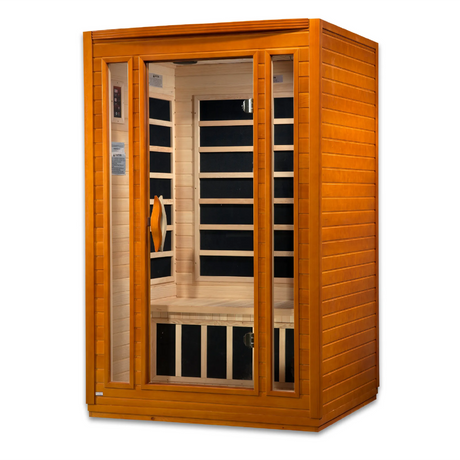
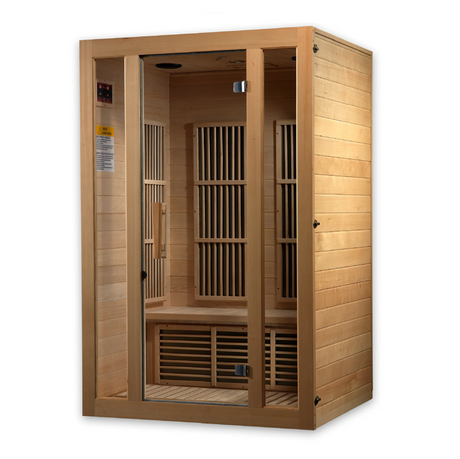
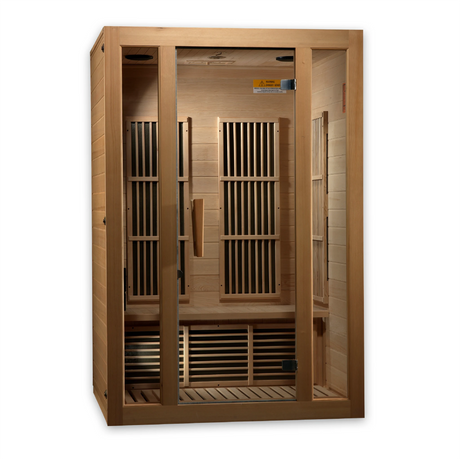
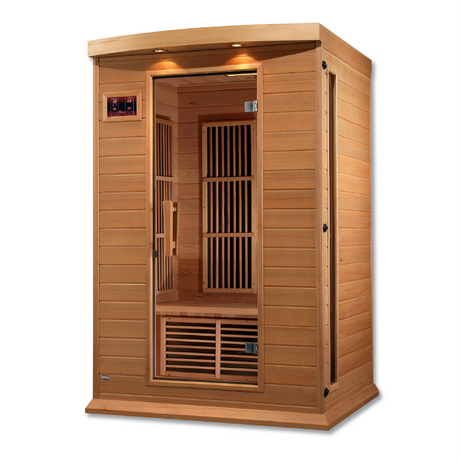
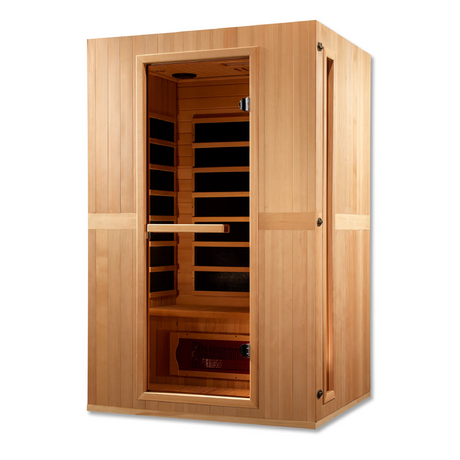
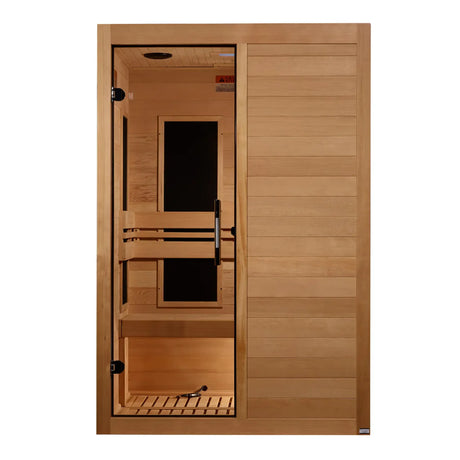
The heat stimulates your cardiovascular system, promoting better circulation as your heart rate rises, similar to low to moderate exercise. Sweating through sauna sessions cleanses pores, improves skin texture, and supports detoxification by helping eliminate certain toxins in sweat. Quality infrared saunas are typically built from Canadian hemlock — a hypoallergenic wood that resists warping and doesn't off-gas at elevated temperatures, making it a safer and more durable choice than pine or cedar alternatives. If you're considering a compact home option, the Maxxus Seattle FAR Infrared Sauna (2-person indoor model) is a well-regarded example of hemlock construction at an accessible price point. These mechanisms explain why saunas have been a cornerstone of wellness for centuries Explore the benefits further.
Is Infrared Sauna Safe?
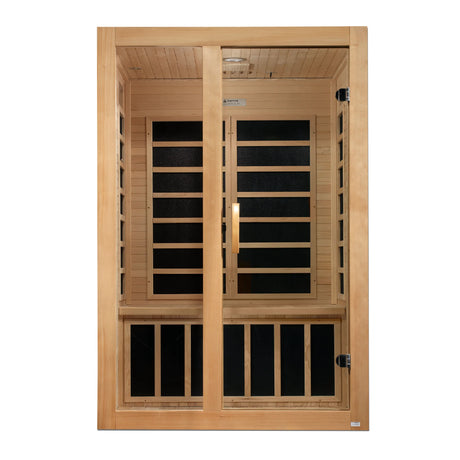
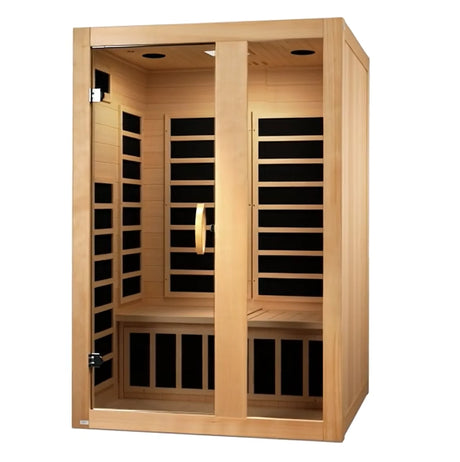
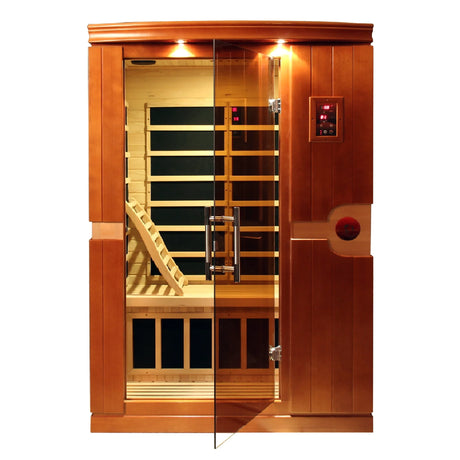
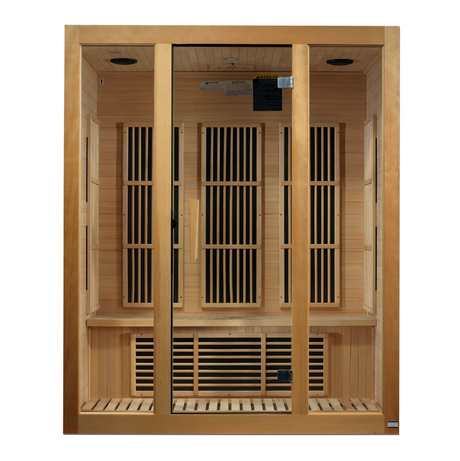
A common concern among sauna enthusiasts is, "Is infrared sauna safe?" The answer, generally, is yes—for most people. Infrared saunas are specifically designed to operate at lower temperatures than traditional saunas (typically 120–150°F versus 150–195°F for traditional models), which reduces the risk of overheating or heat exhaustion. This makes them a safer option for beginners or individuals sensitive to high heat. If you're shopping for a family-sized unit, the Maxxus Bellevue FAR Infrared Sauna (3-person indoor model) offers that same lower-temperature infrared experience with room for multiple users.
However, safety depends greatly on proper usage. Overexposure to infrared heat can potentially cause dehydration, skin irritation, or, in rare cases, light sensitivity issues. For instance, infrared saunas with strong near-infrared emitters might require eye protection to avoid prolonged exposure to light intensity, which could otherwise strain the eyes. While it's uncommon, users concerned about skin conditions should also consult their dermatologist. Rest assured, studies show that the risk of severe injury—or skin cancer—is exceedingly low.
Additionally, certain groups of people should proceed with more caution. Pregnant individuals, those with cardiovascular diseases, or anyone managing specific medical histories should seek advice from their healthcare provider before stepping into an infrared sauna session.
Can You Overuse a Sauna?
Let's face it—after a taxing workday or tough workout, staying in the sauna longer than necessary might feel incredibly tempting. But here's the thing: You can overuse a sauna, and it can come with risks that outweigh the rewards. The key is to stick to usage guidelines and listen to your body.
Signs and Risks of Overuse
- Dehydration: Sauna sessions cause intense sweating, which depletes your body of fluids. Excessive sauna use without proper hydration can lead to dehydration and electrolyte imbalances.
- Heat Exhaustion: You might experience dizziness, fainting, or nausea if you extend your session past safe limits or don't allow enough cool-down time.
- Skin Issues: Prolonged exposure to high heat can cause dry, irritated skin over time if you're not taking proper skincare precautions.
Pro Tips for Safe Sauna Use
Feeling unsure about how long you should use a sauna or how often? Experts typically recommend keeping sessions between 15–20 minutes and limiting usage to 3-4 times per week. Building up your tolerance slowly is essential. You should hydrate well before, during, and after your session and always let your body cool down before starting another round. If you're setting up a sauna in a non-residential context — such as a fire station or community facility — usage patterns and safety protocols look somewhat different; our complete guide to fire station sauna installation and health benefits covers those specific considerations in detail.
Is Sauna Good for Weight Loss?
Ah, the golden question: "Is sauna good for weight loss?" The short answer is—it depends on your goals. Let's break down the science of how sauna use interacts with weight management.
Immediate Results: Water Weight
Sauna use leads to calorie burn primarily through increased heart rate and sweating. Truthfully, much of the initial weight loss after a sauna session is water weight. Studies indicate users may shed up to 2% of their body weight in a single session, but once you rehydrate, that weight returns quickly.
Longer-Term Benefits
While it's not a direct fat-burning tool, regular sauna sessions can complement your weight-loss efforts. Increased circulation and the temporary metabolic boost mimic the calorie-burn effects of light exercise. Research even shows a 30-minute session in an infrared sauna can burn between 400–600 calories depending on body type Find out more here.
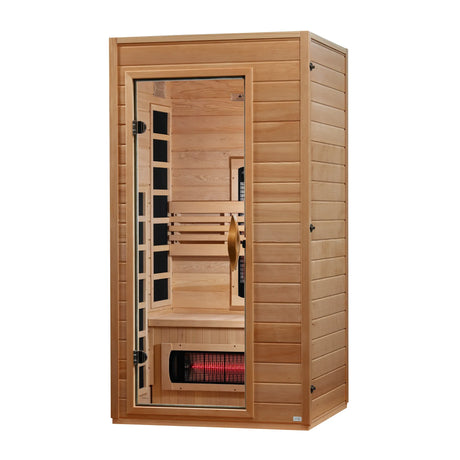
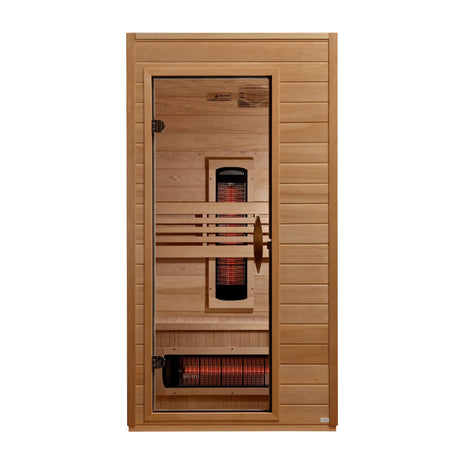
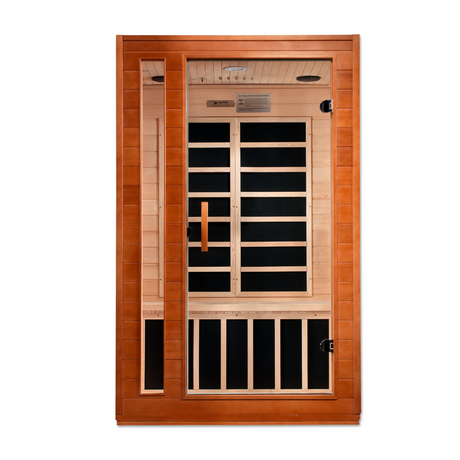
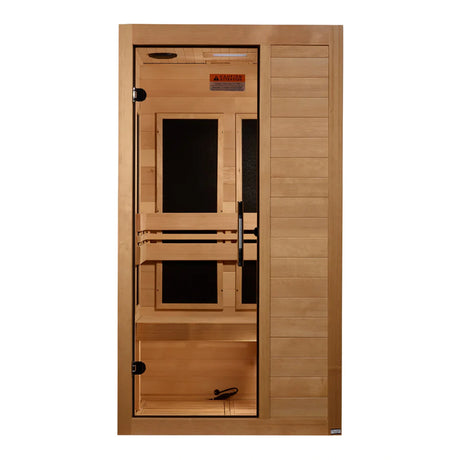
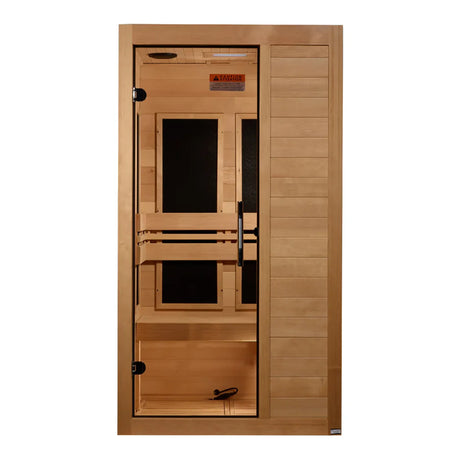
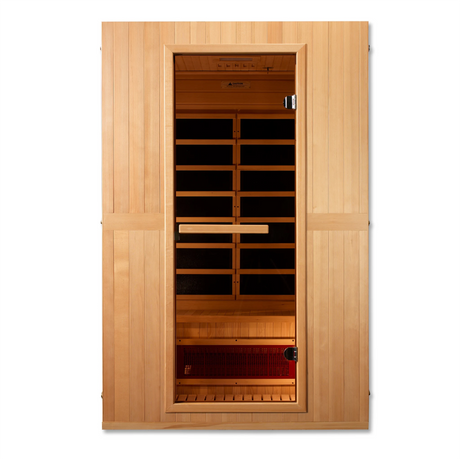
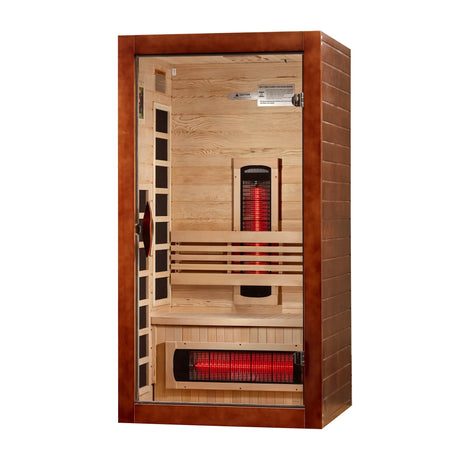
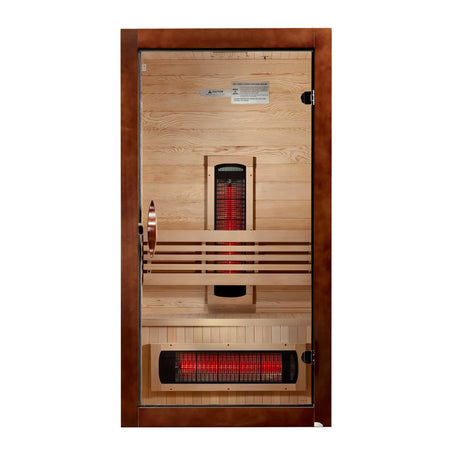
Saunas also help with recovery, stress relief, and sleep quality—which indirectly support a weight-loss journey by keeping your body performing at its best. For those who prefer a solo, space-efficient option that fits easily into a home gym or apartment, the Maxxus S-Line Yoga FAR Infrared Sauna (1-person indoor model) is worth considering — its slim footprint makes consistent daily use more realistic for single users.
Sauna Troubleshooting: How to Keep Things Running Smoothly
Saunas are a significant investment in your personal wellness, so keeping them in tip-top shape is essential. Even with care, you may occasionally need to address common issues. Here's how.
Common Mechanical Problems
| Issue | Solution |
|---|---|
| Heater not warming up | Check the power supply, inspect fuses, and test the thermostat. For infrared units, also confirm the dedicated circuit is rated correctly — a 2-person infrared sauna typically requires a dedicated 20-amp circuit, and an undersized circuit is a common cause of intermittent heating failures. |
| Uneven heat distribution | Reposition sauna rocks for proper airflow or inspect ventilation levels. |
| Wood cracking or warping | Keep the sauna dry between uses, sand rough areas, and refinish wood as needed. Canadian hemlock — the standard wood in quality saunas — is particularly resistant to warping, so persistent cracking may indicate a humidity or ventilation issue rather than a wood defect. |
Maintenance Checklist
- Clean benches and floors with mild, non-abrasive cleaners after every use.
- Inspect electrical components annually to prevent heating issues.
- Allow sufficient drying time between sessions to avoid mold or mildew.
If you're planning a larger or outdoor installation, the maintenance considerations change meaningfully. Our guide on everything you need to know about outdoor saunas covers weatherproofing, drainage, and ventilation requirements that don't apply to indoor units. For commercial-scale setups, the 6-person infrared sauna commercial sizing guide addresses ventilation and electrical planning for larger installations specifically.
If you're in the market to enhance your recovery and wellness routine even further, consider pairing your sauna sessions with cutting-edge compression therapy tools, which are known for improving circulation and muscle recovery.
Frequently Asked Questions About Saunas
1. Are saunas safe for daily use?
Yes, saunas can be safely used daily, but shorter sessions (15–20 minutes) are recommended, especially for beginners. Listen to your body and stay hydrated to avoid dehydration or heat exhaustion. For those with medical conditions like heart disease or high blood pressure, it's best to consult a healthcare provider before daily sauna use.
2. What are the differences between infrared and traditional saunas?
Infrared saunas use infrared light to directly heat your body, operating at lower temperatures (120°F–150°F), which some find more comfortable. Traditional saunas heat the air around you at higher temperatures (158°F–212°F). Both promote relaxation, detoxification, and overall wellness, but infrared saunas are more energy-efficient and heat up faster. The lower operating temperature of infrared models also means the heat penetrates tissue more directly — many users report deeper muscle relief at 130°F in an infrared sauna than they'd experience at 180°F in a traditional one.
3. How often should I use a sauna?
Most experts recommend using a sauna 3–4 times per week for 15–20 minutes per session. Frequent users can gradually increase to daily sessions if desired, provided it feels comfortable and hydration levels are maintained before, during, and after each session.
4. Can sauna sessions help with weight loss?
Saunas can assist with temporary weight loss by promoting water weight loss through sweating. They also increase heart rate and metabolism, burning a moderate number of calories. However, saunas should complement a healthy diet and exercise routine rather than serving as a primary weight-loss method.
5. How do I maintain my sauna for long-term use?
To maintain your sauna, clean benches and floors after each session with a mild solution, allow proper ventilation, and inspect heating elements and electrical connections annually. Ensure the sauna is dried after each use to prevent mold and moisture damage. If your sauna is built from Canadian hemlock — a common material in quality units — it's naturally resistant to warping, but consistent ventilation after each session still matters.
6. Are there any medical conditions that restrict sauna use?
Yes, individuals with heart conditions, high blood pressure, or certain skin disorders should consult a healthcare provider before using saunas. Pregnant individuals or those with conditions such as diabetes may need to avoid regular sauna use or modify based on professional advice.
7. Are infrared saunas better than traditional saunas?
Neither is universally better — it comes down to your use case. For users who prefer lower ambient temperatures, faster heat-up times, and direct tissue warming, infrared saunas are the stronger choice. For those who enjoy the ritual of steam, high ambient heat, and the traditional Finnish experience, a conventional sauna is hard to beat. Infrared models do tend to be more energy-efficient and easier to install in residential settings, but the "best" option depends on what you're trying to get out of each session.
8. Can you overuse a sauna?
Yes, overusing a sauna can lead to dehydration, dizziness, or heat exhaustion. Stick to recommended durations of 15–20 minutes and limit sessions to 3–4 times per week, increasing frequency gradually as your body adapts. Always hydrate and listen to your body during use.
9. What electrical requirements does a home infrared sauna need?
Most 2-person infrared saunas require a dedicated 20-amp, 120V circuit — a detail many buyers overlook until installation day. Larger 3-person and 4-person models may step up to 240V requirements. Before purchasing, confirm your home's electrical panel can support a dedicated circuit for the unit you're considering, or budget for an electrician's assessment as part of your setup costs.
10. Can saunas be used outdoors?
Yes, but outdoor sauna installations involve additional planning around weatherproofing, drainage, and wood treatment that indoor installs don't require. Traditional barrel saunas and purpose-built outdoor cabins are common formats. If you're exploring this option, our full guide on outdoor sauna benefits and installation considerations is a useful starting point.
Step Into Wellness and Make Saunas Part of Your Routine
Saunas have stood the test of time as a wellness essential for a reason. From improving circulation and aiding recovery to supporting your skin and helping you unwind, the benefits of regular sauna use are hard to ignore. Whether you're drawn to the intense heat of a traditional sauna or the approachable comfort of an infrared sauna, the key is knowing how to enjoy them safely and integrate them into your routine.
Remember, it's not about chasing a quick fix—it's about building habits that support your long-term health and well-being. Whether your goals include stress relief, enhanced recovery, or even complementing your weight-loss plan, a sauna can be an excellent addition. Just balance consistency with moderation, keep yourself hydrated, follow proper safety protocols, and you'll be on the path to reaping those proven benefits.
If you're ready to take your wellness journey to the next level, why not explore the sauna options available at Blue Sky Fitness Supply? As trusted experts in fitness and recovery solutions, we offer a wide range of saunas designed for comfort, durability, and maximum results. Whether it's an upgrade to your home setup or a first-time investment in your health, we're here to make the process easy and straightforward.
Your optimal health and recovery shouldn't be left to chance. Take the next step and browse our collection today—or feel free to reach out to our friendly team for expert guidance. Let's work together to make your wellness goals a reality.