
The home fitness revolution shows no signs of slowing. According to recent research, 78.8% of Americans (242 million people) participated in physical activities in 2023, with the home fitness segment growing at 7.21% CAGR through 2030. This explosive growth has created a crowded marketplace where dozens of brands compete for attention with flashy features and marketing promises.
But here's what most fitness equipment shoppers don't realize: the brands making the biggest noise aren't always the ones solving real problems.
Enter Lifesmart — a company that's been quietly perfecting practical engineering solutions since 2008. While competitors chase the latest tech trends, Lifesmart focuses on what actually matters: reliable motors that last decades, safety features that prevent accidents, and space-saving designs that work in real homes. Their approach isn't about reinventing fitness equipment; it's about making it work better for the people who actually use it every day. From brushless motors that outlast traditional designs by 20X to automatic folding systems with infrared safety sensors, Lifesmart represents a refreshing return to substance over style in an industry often obsessed with bells and whistles.
Table of Contents:
- What Is Lifesmart? Understanding the Brand Behind the Innovation
- Lifesmart Treadmill Technology: PowerTouch Folding and Brushless Motors
- Complete Lifesmart Product Lineup: From Treadmills to Massage Chairs
- Where Lifesmart Fits in Today's Fitness Equipment Market
- Frequently Asked Questions
- Building Your Home Gym Around Practical Innovation
What Is Lifesmart? Understanding the Brand Behind the Innovation
Lifesmart began its journey in 2008 as a household products company, building a reputation for thoughtful design and reliable manufacturing long before entering the fitness equipment space. This foundation in everyday consumer products shaped their approach to fitness equipment — they understand that exercise machines need to integrate seamlessly into people's homes, not dominate them.
The brand's expansion into fitness equipment represents a natural evolution of their core philosophy: creating products that solve real problems without unnecessary complexity. Unlike startups that burst onto the scene with venture capital and marketing hype, Lifesmart earned their stripes by actually manufacturing and distributing physical products for over a decade before tackling the challenging fitness equipment market.
Today, Lifesmart operates through a strategic partnership with Supply Chain Sources LLC (SCS), founded in 2017 and headquartered in Allen, Texas. SCS operates from a substantial 30,000 square foot facility, providing the logistics backbone that allows Lifesmart to compete effectively against larger, more established fitness brands. This partnership gives Lifesmart something many emerging brands lack: proven distribution capabilities and the infrastructure to honor warranties and provide ongoing support.
One point of confusion worth addressing upfront — there's a completely separate Chinese company also called LifeSmart, founded in 2013, that focuses on smart home IoT products and serves over 4 million users across 100+ countries. That company has nothing to do with the fitness equipment manufacturer we're discussing here. The fitness-focused Lifesmart is the American household products company that expanded into exercise equipment, not the Chinese IoT firm.
This distinction matters because it explains Lifesmart's unique positioning in the fitness market. They're not a tech company trying to figure out hardware, nor are they a traditional equipment manufacturer adding smart features as an afterthought. They're a proven product company that understands both the engineering and user experience challenges of creating equipment that people will actually want to live with.
What sets Lifesmart apart in the crowded fitness equipment landscape is their focus on practical innovation over flashy features. While other brands compete on touchscreen sizes or social media integration, Lifesmart invests in motor technology, safety systems, and space-saving engineering that directly impact the user experience. This approach reflects their household products heritage — they know that the best products are the ones you don't have to think about.
Lifesmart Treadmill Technology: PowerTouch Folding and Brushless Motors
The technology that defines Lifesmart treadmills starts with their PowerTouch automatic folding system. This isn't just another space-saving feature — it's a complete rethinking of how treadmills integrate into home environments. The system uses infrared safety sensors that detect obstacles before the treadmill folds, preventing the kind of accidents that make insurance companies nervous and users hesitant to actually use their equipment.

Think about the typical folding treadmill experience: you finish your workout, manually lift a 200+ pound machine, hope it locks in place properly, and trust that it won't come crashing down later. PowerTouch eliminates this entire sequence of potential failures. The infrared sensors create a safety zone around the folding mechanism, automatically stopping the process if anything — or anyone — gets in the way.
But the real engineering breakthrough lies in Lifesmart's decision to build their flagship models around brushless motor technology. The TM4500 features a 3.5 HP brushless motor that research shows outlasts traditional brushed motors by 20X while delivering whisper-quiet operation. This isn't marketing hyperbole — it's basic electrical engineering.
Brushed motors wear down because they rely on physical contact between carbon brushes and the rotating commutator. Every revolution creates friction, heat, and microscopic wear that eventually leads to failure. Brushless motors eliminate this physical contact entirely, using electronic switching to control motor rotation. The result? Motors that can run for decades instead of years, with consistent power delivery and minimal maintenance requirements.
As fitness equipment distributors, we've seen how brushless motor technology and infrared safety sensors represent the kind of practical innovation that actually matters for long-term reliability and user safety. These aren't features you show off to friends — they're the engineering decisions that determine whether your treadmill still works perfectly five years from now or becomes an expensive clothes hanger. Similar attention to durability and safety is evident across the fitness industry, particularly in flooring solutions where shock-absorbing technology reduces impact and noise for long-term joint health.
The incline and decline capabilities of Lifesmart treadmills reveal another layer of thoughtful engineering. While most home treadmills offer incline up to 10-15%, Lifesmart models also provide decline capability down to -3%. This might seem like a small detail, but decline training offers unique benefits for agility, control, and eccentric muscle strengthening that most home users never experience because their equipment simply can't provide it.
Decline training forces your muscles to work differently, engaging stabilizing muscles and improving downhill running technique that's crucial for outdoor runners tackling varied terrain. The fact that Lifesmart includes this capability in residential models shows they understand that home users want the same training variety available in commercial gyms, not just a basic belt moving at different speeds.
The combination of brushless motors, infrared safety systems, and full incline/decline capability represents a commercial-grade feature set wrapped in residential packaging. This approach reflects Lifesmart's core philosophy: why should home users accept compromised performance just because they're not running a commercial gym?
Complete Lifesmart Product Lineup: From Treadmills to Massage Chairs
The Lifesmart product ecosystem extends well beyond treadmills, encompassing a carefully curated selection of fitness and recovery equipment designed to work together as a complete home wellness system. Their treadmill lineup anchors this ecosystem with two distinct models that address different user needs and space constraints.
The TM3000 serves as the entry point into Lifesmart's treadmill technology, supporting a 300-pound weight capacity with a generous 20" x 55" running surface. This model includes 24 built-in workout programs, providing structured training options without requiring app connectivity or subscriptions. The running surface dimensions matter more than many buyers realize — that 20-inch width provides comfortable stride room for most users, while the 55-inch length ensures you won't feel cramped during longer runs.
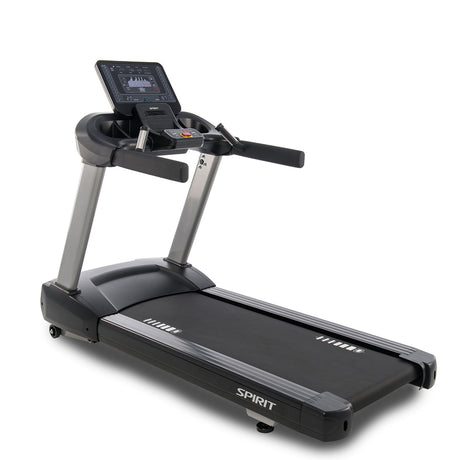
Moving up the line, the TM4500 represents Lifesmart's flagship treadmill technology, incorporating the full suite of features that define the brand's approach to home fitness equipment. This model showcases the 3.5 HP brushless motor technology, PowerTouch automatic folding with infrared safety sensors, and the complete incline/decline range that sets Lifesmart apart from conventional home treadmills.
| Feature | TM3000 | TM4500 |
|---|---|---|
| Motor Power | 2.5 HP Continuous | 3.5 HP Brushless |
| Weight Capacity | 300 lbs | 350 lbs |
| Running Surface | 20" x 55" | 22" x 60" |
| Incline Range | 0-10% | -3% to +15% |
| Decline Range | Not Available | -3% |
| Built-in Programs | 24 Programs | 36 Programs |
| Folding Technology | Manual Fold | PowerTouch Auto-Fold |
Beyond treadmills, Lifesmart has developed a sophisticated massage chair lineup that complements their fitness equipment with targeted recovery solutions. The entry-level 2D Full Body Massage Chair, priced at $1,669, includes a 6-inch touchscreen tablet and covers the essential massage functions most users need for post-workout recovery.
The 4D Zero Gravity Massage Chair at $2,749 adds the zero-gravity positioning that elevates your legs above your heart, reducing spinal pressure and improving circulation during massage sessions. The 4D massage technology provides deeper, more varied massage patterns that can target specific muscle groups more effectively than traditional 2D systems.
At the premium end, the LifeTrend 4D Heated Massage Chair commands $4,599 with its 10-inch touchscreen tablet and integrated heating system. The heated massage capability adds therapeutic benefits for muscle recovery and circulation, making it particularly valuable for serious athletes or users dealing with chronic muscle tension.
From a distribution perspective, Lifesmart's approach of integrating commercial-grade features into residential models addresses a key gap we see in the market — customers want professional quality without the commercial price point. Their massage chairs include the same zero-gravity positioning and 4D massage technology found in chairs costing twice as much, while their treadmills deliver brushless motor reliability typically reserved for commercial installations.
The integration across Lifesmart's product ecosystem becomes apparent when you consider how their equipment works together. A typical user might complete a challenging incline workout on the TM4500, then transition immediately to recovery on one of their massage chairs. This isn't accidental — it's a deliberate design philosophy that treats fitness and recovery as interconnected components of overall wellness.
Where Lifesmart Fits in Today's Fitness Equipment Market
The treadmill market provides essential context for understanding Lifesmart's positioning and growth potential. Research shows the global treadmill market reached $5.75 billion in 2024 and is expected to grow to $9.08 billion by 2032. North America dominates this market with 39.47% market share, while the commercial segment accounts for 75.19% of total treadmill sales.

These numbers reveal both opportunity and challenge for Lifesmart. The market is substantial and growing, but it's dominated by established commercial players and legacy residential brands with decades of market presence. Breaking through requires more than just good products — it demands a clear differentiation strategy that resonates with specific customer segments.
Lifesmart's differentiation strategy centers on bridging the gap between commercial quality and residential pricing. While traditional residential treadmill brands focus on keeping costs low, and commercial brands focus on institutional sales, Lifesmart targets the growing segment of serious home fitness enthusiasts who want commercial-grade performance without commercial-grade pricing or space requirements.
This positioning makes particular sense given current market dynamics. The pandemic accelerated home fitness adoption far beyond traditional early adopters, creating a new category of users who experienced commercial-quality equipment in gyms and now expect similar performance at home. These users have moved past basic treadmills and are seeking specific features like decline training, brushless motors, and automatic folding systems. Just as commercial facilities invest in specialized flooring solutions for optimal performance and safety, home users increasingly demand professional-grade equipment features.
The competitive landscape includes established players like NordicTrack and ProForm in the connected fitness space, traditional brands like Sole and Horizon in the mid-range residential market, and commercial giants like Life Fitness and Precor serving institutional customers. Lifesmart doesn't try to compete directly with any of these established players on their home turf.
Instead, they've carved out a niche focused on practical innovation for discerning home users. Their brushless motor technology appeals to buyers who understand the long-term value of superior engineering. Their PowerTouch folding system serves users in space-constrained environments who need reliable equipment storage. Their decline capability attracts serious runners who want comprehensive training options at home.
The massage chair integration represents another strategic differentiation. While most fitness equipment brands stay in their lane, Lifesmart recognizes that recovery is becoming as important as exercise for modern fitness enthusiasts. By offering both cardio equipment and recovery solutions, they can capture more of each customer's wellness budget and create higher lifetime customer value.
Looking forward, Lifesmart's trajectory depends on their ability to scale manufacturing and distribution while maintaining their quality standards. The partnership with Supply Chain Sources provides the infrastructure foundation, but competing against brands with century-long head starts requires continued innovation and precise market positioning. Their focus on practical engineering over flashy features positions them well for the post-pandemic fitness market, where users increasingly value substance over style.
Frequently Asked Questions
1. Is Lifesmart the same as the Chinese smart home company?
No, these are completely separate companies. The fitness equipment manufacturer Lifesmart is an American household products company founded in 2008 that expanded into fitness equipment. The Chinese LifeSmart company founded in 2013 focuses on smart home IoT products and serves over 4 million users across 100+ countries, with no connection to the fitness equipment brand.
2. What makes Lifesmart treadmills different from other home treadmill brands?
Lifesmart treadmills stand out through brushless motor technology that lasts 20X longer than traditional motors. They also feature PowerTouch automatic folding with infrared safety sensors and decline capability (down to -3%) that most home treadmills don't offer. These practical engineering solutions address real user needs like longevity, safety, and comprehensive training variety.
3. How reliable are Lifesmart brushless motors compared to traditional motors?
Brushless motors provide 20X longer lifespan compared to traditional brushed motors because they eliminate physical friction between moving parts. The 3.5 HP brushless motor in Lifesmart's TM4500 is designed for decades of reliable operation with consistent power output and minimal maintenance requirements, unlike conventional home treadmill motors that typically last just a few years.
4. What warranty coverage does Lifesmart provide on their equipment?
Lifesmart provides comprehensive warranty coverage through their distribution partner Supply Chain Sources LLC, which operates from a 30,000 square foot facility in Allen, Texas. Specific warranty terms vary by product model and component, with motor warranties typically providing the most extensive coverage given their advanced brushless motor technology.
5. Can Lifesmart treadmills connect to fitness apps like Zwift?
Yes, many Lifesmart treadmill models integrate with popular fitness apps including Zwift, Kinomap, and Snailcle. This connectivity allows users to access virtual training environments and structured workout programs beyond the built-in options, maintaining Lifesmart's focus on practical features that enhance the actual workout experience.
6. Where can I purchase Lifesmart fitness equipment?
Lifesmart equipment is available through authorized fitness equipment dealers and distributors. Their partnership with Supply Chain Sources ensures proper distribution channels and warranty support throughout North America. When purchasing, verify you're working with an authorized dealer to ensure full warranty coverage and access to customer support services.
7. How does Lifesmart's PowerTouch folding system work?
PowerTouch is an automatic folding system that uses infrared safety sensors to detect obstacles before the treadmill folds. The sensors create a safety zone around the folding mechanism, automatically stopping the process if anything or anyone gets in the way. This eliminates the manual lifting of 200+ pound machines and prevents accidents during the folding process.
8. Do Lifesmart massage chairs offer the same features as commercial-grade models?
Yes, Lifesmart massage chairs include commercial-grade features like zero-gravity positioning and 4D massage technology typically found in chairs costing twice as much. Their models range from the entry-level 2D Full Body Massage Chair with 6-inch touchscreen to the premium LifeTrend 4D Heated model with 10-inch tablet and integrated heating system for enhanced therapeutic benefits.
Building Your Home Gym Around Practical Innovation
Lifesmart represents something increasingly rare in the fitness equipment industry: a brand that prioritizes engineering substance over marketing flash. Their brushless motors, infrared safety systems, and decline training capabilities solve real problems that affect actual users, not just features that look good in advertisements.
The brand's approach reflects a deeper understanding of what home fitness enthusiasts actually need. They want equipment that works reliably for decades, stores safely in limited space, and provides training variety typically found only in commercial gyms. Lifesmart delivers on these requirements through practical innovation rather than gimmicky features.
For fitness facility operators and serious home gym builders, Lifesmart offers a compelling alternative to the usual choice between cheap residential equipment and expensive commercial machines. Their integration of massage chairs and recovery equipment into the fitness ecosystem acknowledges that modern wellness extends beyond just cardio and strength training.
Whether you're equipping a commercial facility or building the ultimate home gym, the principles behind Lifesmart's success remain relevant: focus on engineering that matters, prioritize long-term reliability over short-term savings, and choose equipment that serves real user needs rather than just checking feature boxes. In a crowded market full of flashy promises, that practical approach continues to be refreshingly effective.