

Table of Contents:
- What Are Massage Guns and How Do They Work?
- Why You Should Prioritize Massage Gun on Neck Safety
- Maintaining the Correct Posture for Heat and Ice Application
- Recommended Usage Frequency: How Often Should You Use These Tools?
- Proven Tips to Avoid Overuse Injuries
- Therapy Guns Best Practices to Get the Most Out of Your Device
- FAQs About Massage Guns and Recovery Tool Safety
- Maximize Recovery While Prioritizing Safety
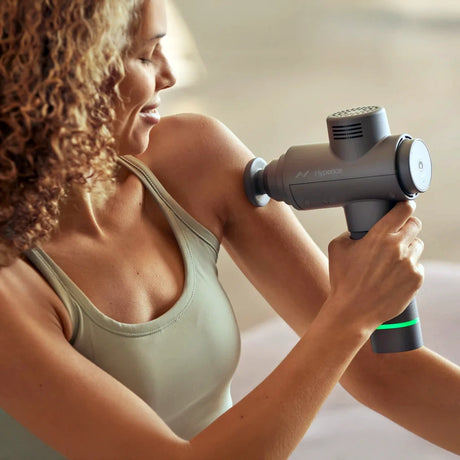
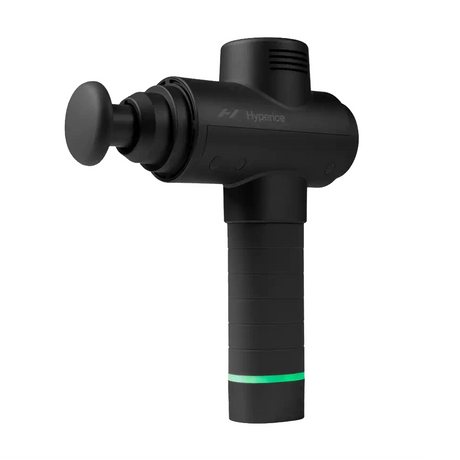
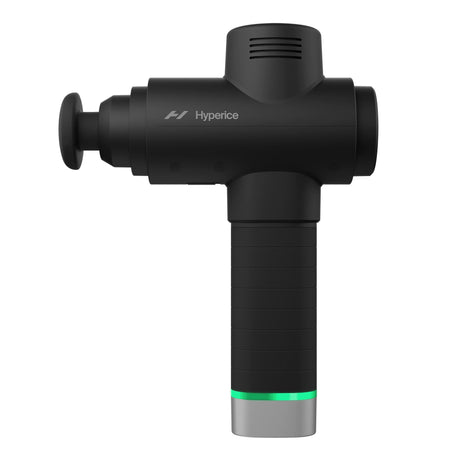
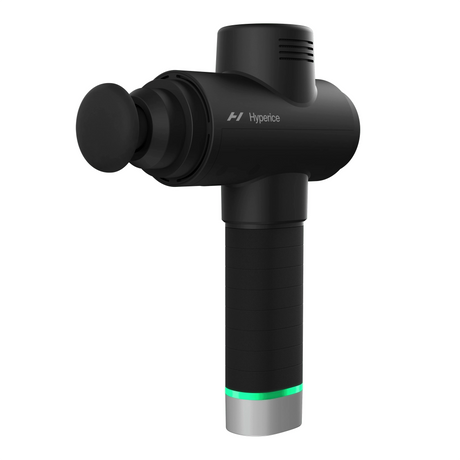
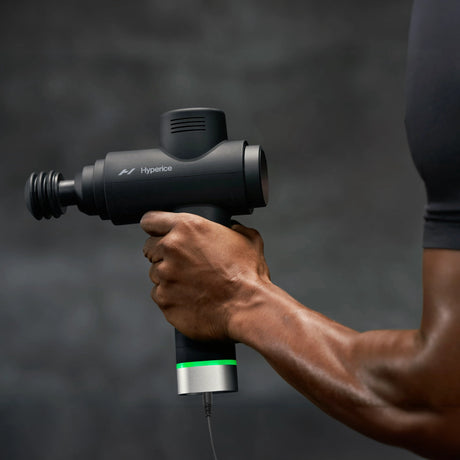
Massage guns have taken the fitness and wellness world by storm, promising faster recovery, relief from muscle tension, and even improved flexibility. These percussive therapy devices are no longer limited to professional athletes—they've become a staple in home recovery routines everywhere. But here's the thing: while the benefits are undeniable, misuse can lead to serious harm, especially when targeting sensitive areas like the neck.
The neck isn't just another muscle group. With its intricate network of nerves, blood vessels, and its proximity to the spine, it requires extreme care when using tools like massage guns. But here's what might surprise you: many users risk injury without even realizing it, simply by failing to follow basic safety guidelines.
So, how do you unlock the benefits without jeopardizing your safety? The answer lies in mastering proper technique, understanding "massage gun on neck safety", and adopting smart "therapy guns best practices" to protect against overuse injuries. Ready to get the most out of your recovery tool, safely? Let's dive into how you can use it with confidence while keeping risks at bay.
What Are Massage Guns and How Do They Work?
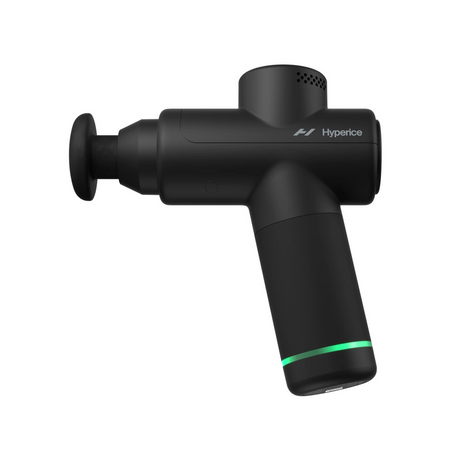
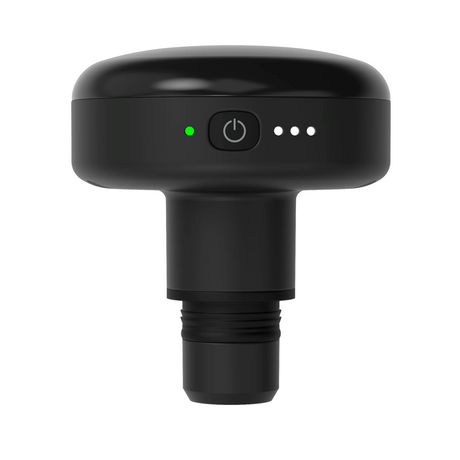
Massage guns aren't just trendy gadgets; they're powerful tools rooted in percussive therapy, designed to aid muscle recovery and enhance mobility. These handheld devices deliver rapid bursts of concentrated pressure to your muscles, increasing blood flow and effectively breaking up muscle tension. By doing so, they can accelerate recovery from workouts or alleviate stiffness after sitting at your desk for hours. One thing worth knowing from a hardware perspective: percussion therapy devices vary significantly in stall force—budget units can stall at just 20 lbs of applied pressure, while higher-quality commercial units handle 60+ lbs without losing effectiveness. That difference matters when you're targeting dense muscle groups like the glutes or upper back.
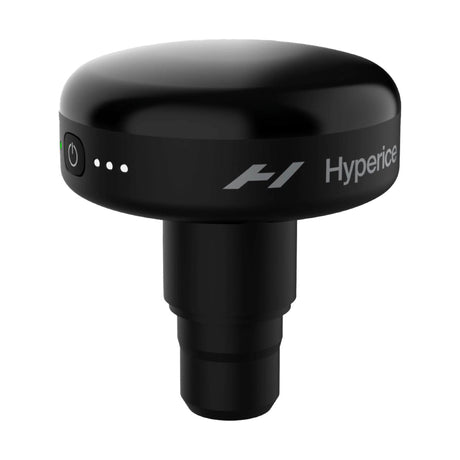
Most massage guns come with adjustable speed settings and interchangeable attachment heads, letting you customize therapy based on your needs. For example, lower speeds are better for sensitive areas like the neck, whereas higher intensities may benefit larger muscle groups like the quads or back. This versatility makes them suitable for everyone, from professional athletes to casual gym-goers. If you're exploring compact options, our breakdown of the Best Mini Massage Guns 2026 is worth a read—smaller devices can be a smart choice for travel or targeted work on sensitive areas. However, understanding the fine line between proper usage and overuse injury is crucial—especially when the neck comes into play Hackensack Meridian Health.
Why You Should Prioritize Massage Gun on Neck Safety
The neck is unlike any other muscle group in the body. It houses a delicate network of nerves, arteries, and your cervical spine, all of which demand careful handling when using tools like massage guns. Misusing one here can lead to alarming issues such as blood vessel damage, excessive nerve pressure, or even minor trauma to the muscles themselves.
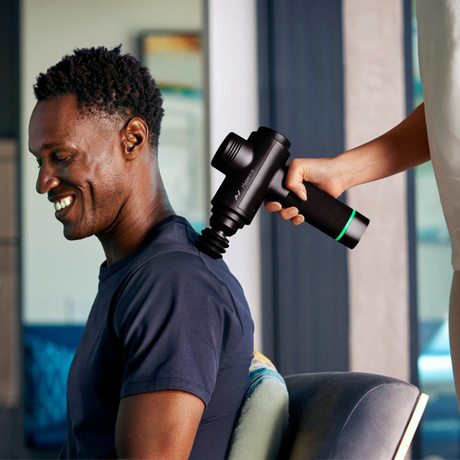
But here's the good news: using a massage gun on the neck safely is absolutely possible with the right approach. By following scientifically backed guidelines, you can target neck tension and stiff muscles without compromising your health. Consider this—focusing on the soft posterior muscles, like the trapezius, while avoiding sensitive spots like the front of the neck, is key to success. If you're evaluating a specific high-end device for this kind of nuanced use, our Does Hyperice Work? Hypervolt Review 2026 covers how its adjustable speed range and pressure feedback make it a reasonable choice for cautious neck work.
Key Rules for Neck Safety
- Avoid the anterior neck: The throat and carotid artery should never be targeted.
- Stick to posterior muscles: Focus on areas like the upper traps.
- Use lighter settings: A low-speed setting minimizes the risk of over-penetration.
- Time your sessions: Limit use to 30-60 seconds per area at most.
- Keep the gun moving: Lingering in one spot can lead to excessive muscle trauma.

Maintaining the Correct Posture for Heat and Ice Application
Recovery isn't just about massage guns. Complementary methods like cold therapy and heat therapy play a significant role in soothing sore muscles or reducing swelling. But posture is everything. Ensuring proper body alignment can make all the difference when it comes to achieving effective results without exacerbating discomfort. For users who want a fully supported, hands-free recovery experience, a device like the Lifesmart 4D Zero Gravity Massage Chair with 6" Touchscreen Tablet takes posture entirely out of the equation—its zero-gravity recline positions the body to minimize spinal compression during treatment.
First, keep your spine in a neutral position when applying either heat or ice. For instance, if you're addressing neck discomfort, consider sitting upright with a straight back, supported by a chair or headrest. Adding a protective layer, such as a towel, between your skin and the heat/ice pack ensures you won't inadvertently cause burns or irritation. Sessions should be short and sweet—aim for 15-20 minutes per spot to optimize results. And if you're curious about how cold therapy stacks up against other recovery modalities in terms of the actual science, our article on The Science Behind Cold Therapy for Muscle Recovery is a helpful companion read RENPHO.

Recommended Usage Frequency: How Often Should You Use These Tools?
Daily use—or the lack of proper breaks—is one of the easiest ways to slip up when using recovery tools. Overzealous enthusiasts often forget that even the most advanced devices require moderation. For massage guns, it's best to practice restraint by limiting treatments to one or two minutes per muscle group during a given session. Target a specific area just once every 48 hours to allow your body proper recovery time.
The rule of thumb? Listen to your body. Everyday use is fine as long as you aren't repeatedly targeting the same area without rest. This minimizes risks associated with avoiding overuse injuries. It's also worth noting that for gym and facility environments—where multiple members may share recovery equipment throughout the day—commercial-grade massage chairs and percussion devices are engineered for exactly this kind of sustained use, with motor duty cycles designed to run 8+ hours daily without overheating. Consumer-grade devices used in that same context will wear out significantly faster and may pose safety concerns.

Proven Tips to Avoid Overuse Injuries
We've all heard it: more isn't always better. The same holds true for recovery devices. Improper use—whether lingering on one spot for too long or cranking up the speed unnecessarily—can quickly lead to overuse injuries. Let's explore some key strategies to ensure this doesn't happen:
- Start slow: Kick things off with the lowest settings, gradually increasing intensity as needed Blue Sky Fit Supply.
- Limit session time: Avoid exceeding 2-5 minutes per area.
- Avoid sensitive spots: Skip bruised, swollen, or injured areas.
- Hydrate: Staying well-hydrated enhances muscle recovery.
- Secure your environment: If you're using recovery equipment in a gym setting—particularly squat racks or free weight stations adjacent to recovery zones—ensure safety mechanisms like Legend Fitness 3221-SS Pro Series Safety Straps are properly in place before directing attention to recovery tools. Divided attention in a training environment is a common but overlooked injury risk.

Therapy Guns Best Practices to Get the Most Out of Your Device
Finally, adopting some universally effective therapy gun best practices can take your recovery game to the next level. Beyond just the neck, here's how to make every moment count without inviting risks:
- Read the manual: It's the easiest way to ensure correct usage.
- Target muscles only: Avoid bony areas or joints, as these won't benefit from percussive force.
- Stay mobile: Constantly move the device in circular motions instead of holding it still source.
- Cool down first: Use massage guns post-activity rather than just before intense workouts.
Looking to upgrade your recovery setup without overspending? Our Black Friday Sales collection regularly features massage guns and recovery tools at significantly reduced prices—worth bookmarking if you're planning a purchase.
FAQs About Massage Guns and Recovery Tool Safety
1. What is the best way to use a massage gun on the neck safely?
The best way to use a massage gun on the neck is to focus on the posterior muscles, such as the trapezius, and avoid areas like the throat or carotid artery. Use a low-speed setting, apply light pressure, and keep the device moving to prevent overuse injuries or nerve irritation. Limit each session to 30-60 seconds per area.
2. Can I use a massage gun on my spine?
No, you should not use a massage gun directly on your spine. Massage guns are designed for muscle tissue, not bones or joints. Applying percussive force to the spine could lead to discomfort or accidental injury. Instead, target muscles surrounding the spine, such as the lower back or upper traps.
3. How often should I use a massage gun for recovery?
You should use a massage gun 1-2 times per day per muscle group, with sessions lasting 1-2 minutes per area. Allow at least 48 hours of recovery between sessions on the same muscle group to avoid overuse injuries and give your muscles time to heal.
4. What are the signs of overuse when using recovery tools like massage guns?
Signs of overuse include pain, swelling, bruising, or discomfort in the treated area. If you notice any of these symptoms, stop using the device immediately and give your body time to recover. Always start with low intensity and follow the manufacturer's guidelines for safe use.
5. Are massage guns better than traditional methods like ice or heat for recovery?
Massage guns are great for muscle relaxation and improved blood flow, while ice and heat therapy are better for addressing inflammation and stiffness. Using a combination of these methods provides optimal recovery support, depending on your needs and the injury or soreness being treated.
6. Which attachments should I use with a massage gun for different muscle groups?
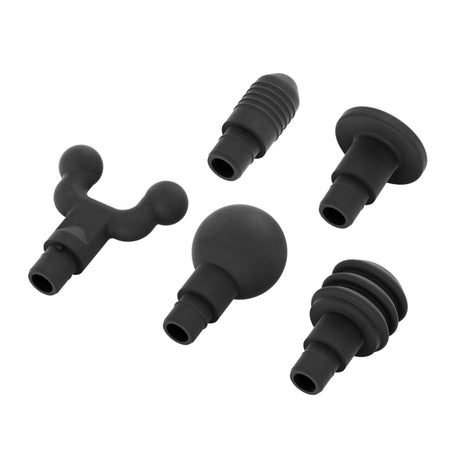
Massage gun attachments vary based on their purpose. Use a flat head for large muscle groups (quads, back), a bullet head for trigger points or deep tissue work, a round head for general use, and a fork attachment for areas near the spine but not directly on it.
7. Is it safe to use a massage gun before workouts?
Yes, but it's best to use a massage gun on low intensity before workouts to relax and loosen muscles. Avoid excessive or deep percussive therapy, as it may overstimulate your muscles, potentially reducing performance. Focus on post-workout use for more intensive recovery needs.
8. Why should I avoid using a massage gun on injuries or bruises?
Using a massage gun on injuries or bruises can worsen inflammation, increase pain, or further damage the area. Always give injured or bruised muscles time to heal before applying pressure or percussive therapy, and consult a healthcare professional if you're unsure.
Maximize Recovery While Prioritizing Safety
Recovery tools like massage guns have revolutionized how we manage soreness, improve mobility, and accelerate muscle repair—but the secret to gaining their full benefits lies in proper usage. The neck, in particular, requires extra care, and by adhering to the techniques we've discussed—avoiding sensitive areas, sticking to posterior muscles, and using lower settings—you can safely alleviate tension without putting yourself at risk. Pair these best practices with sound recovery habits like proper posture during heat or ice therapy, adequate hydration, and balanced use, and you'll unlock a whole new level of performance and well-being.
Remember, every step in recovery serves a greater purpose: helping you feel and move your best. And if you're ready to take your recovery game to the next level, Blue Sky Fitness Supply is here to support you. Our selection of high-quality massage guns and other trusted fitness recovery tools makes it easier than ever to prioritize your health, whether you're an athlete chasing peak performance or someone simply looking to release daily tension. Explore our offerings today and find the perfect addition to your recovery routine. Because when recovery is done right, the results speak for themselves.
Transform how you recover—and feel the difference. Check out Blue Sky Fitness Supply's selection and take the first step toward better performance, faster recovery, and a healthier you.