

Table of Contents:
- What Are Normatec Boots and How Do They Actually Work?
- What the Science Actually Says: Recovery Benefits Gym Operators Should Know
- Normatec Boots in Commercial Gyms: The Real ROI Calculation
- Normatec Boots for Corporate Wellness Programs: The Case for Workplace Recovery
- Normatec Boots vs. Other Commercial Recovery Modalities: How They Stack Up
- Frequently Asked Questions
- The Bottom Line: Should Your Facility Invest in Normatec Boots?
Commercial gym operators are facing a retention crisis hiding in plain sight. According to the HFA 2025 Benchmarking Report, the average annual gym member retention rate sits at just 66.4% — meaning roughly one in three members cancels every year. Meanwhile, global fitness industry revenues hit $124.7 billion in 2024 and are projected to reach $302 billion by 2034, per data compiled by GymMaster. The market is growing. The competition for each individual member, however, is fiercer than it has ever been. And the operators who figure out how to keep members — not just acquire them — are the ones who win. Research consistently shows that improving retention by even modest percentages can translate to a 25%–95% profit increase for gym operators.
Here's the uncomfortable question worth sitting with: what if the most effective retention tool in your facility right now isn't a new line of treadmills, a premium squat rack, or even a sauna? What if it's a pair of inflatable compression boots that the majority of commercial operators are still treating as an afterthought?
Before you dismiss that — fair. Normatec boots look unusual. The research on objective performance gains is genuinely mixed. And at first glance, they seem like a consumer wellness gadget, not a commercial gym investment. But that framing misses the actual opportunity entirely. For a gym operator, the ROI case for normatec boots has almost nothing to do with improving VO2 max. It's about perceived member value, differentiation in a saturated market, and a clear path to recurring revenue through a compression boots commercial gym model that is already working in forward-thinking facilities across the country.
This post is a clear-eyed, operator-focused breakdown — covering the science, the session economics, the corporate wellness angle, and how compression therapy fits into a broader recovery room ecosystem. No fluff, no hype. Just what you actually need to decide whether Normatec belongs in your facility.
What Are Normatec Boots and How Do They Actually Work?
Normatec wasn't built in a fitness lab. The technology was developed by a physician and PhD biomedical engineer — originally to treat lymphedema in breast cancer patients, not to help athletes recover faster. That clinical origin matters more than most people realize. According to Garage Gym Reviews, the brand was eventually adapted for athletic recovery and acquired by Hyperice in 2020 — but the vascular medicine foundation behind the technology is decades old. That's a very different credibility profile than a fitness gadget designed by a marketing team.
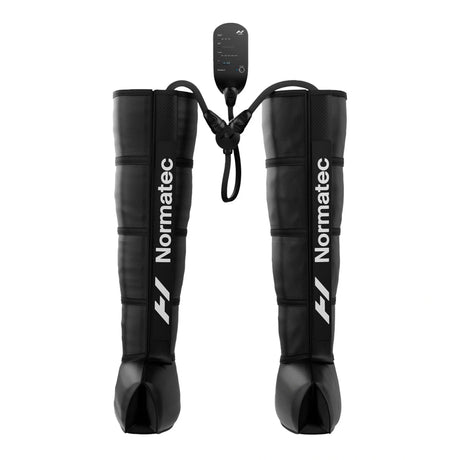
Understanding what makes Normatec boots distinct starts with understanding sequential pneumatic compression (SPC). Most people are familiar with static compression — the kind you get from compression socks or a tight sleeve. Static compression applies constant, uniform pressure. That's useful for certain applications, but it doesn't actively move fluid through the limb. Sequential pneumatic compression works differently: air chambers in the boot inflate and deflate in a specific wave pattern, moving fluid up through the leg in the same direction as venous return. It's active, not passive. According to research cited by Peak Primal Wellness, a landmark study by Comerota and colleagues demonstrated that SPC increased peak femoral vein velocity by more than 200% compared to rest — a clinically meaningful finding with direct relevance to recovery.
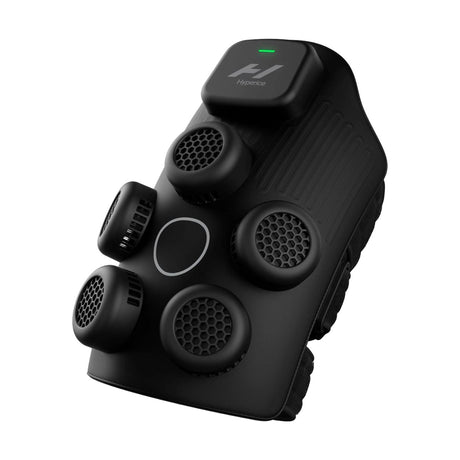
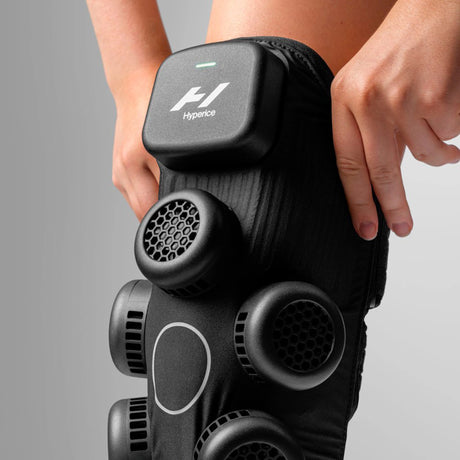
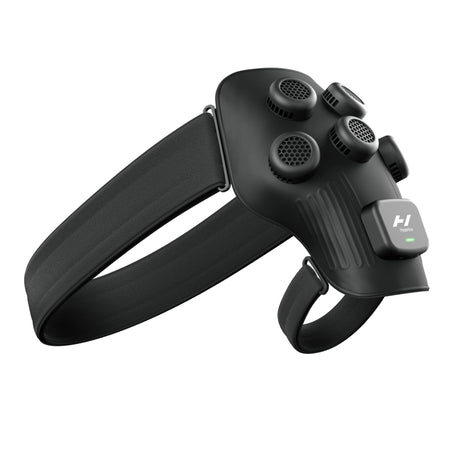
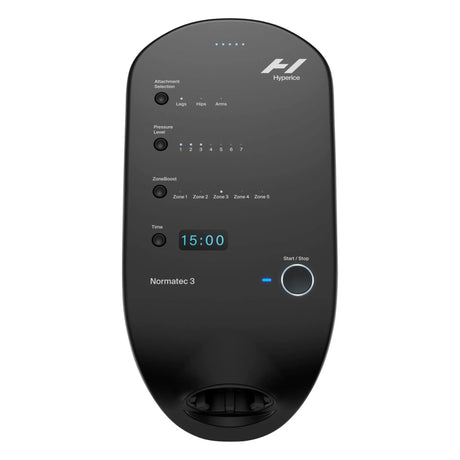
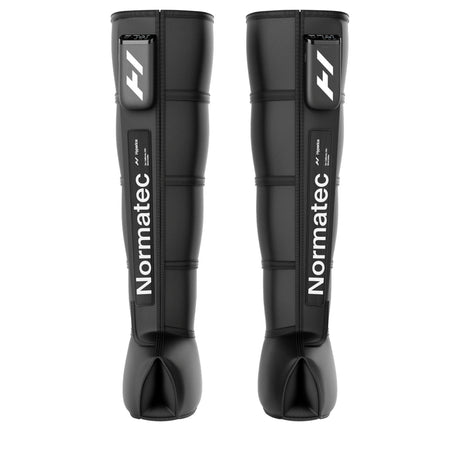
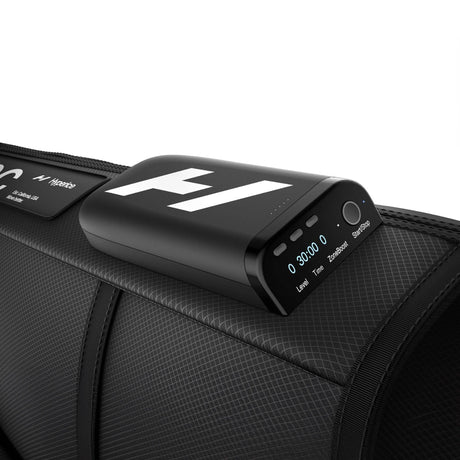
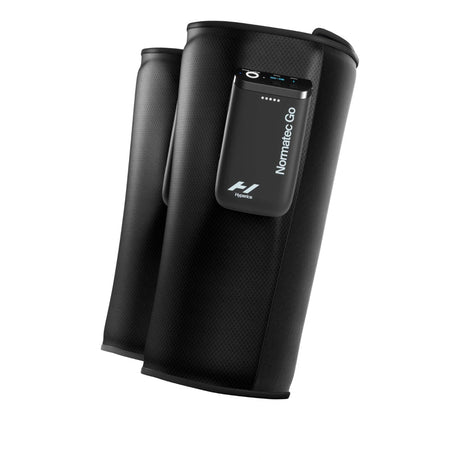
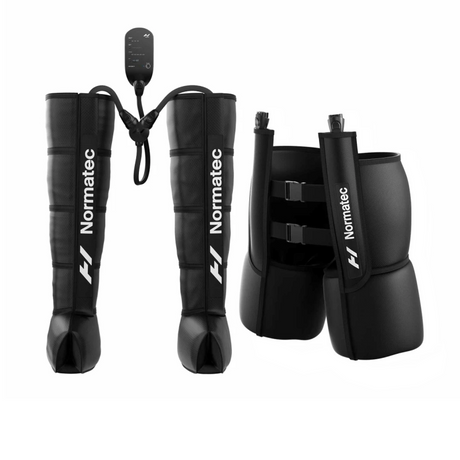
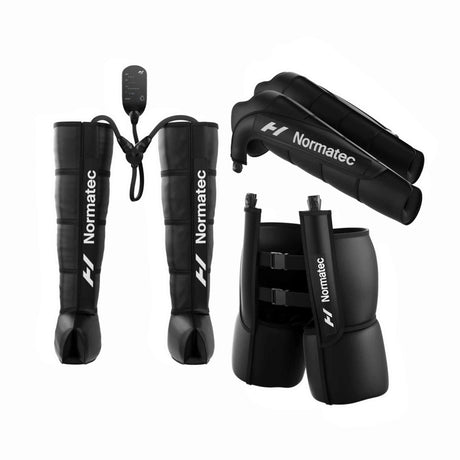
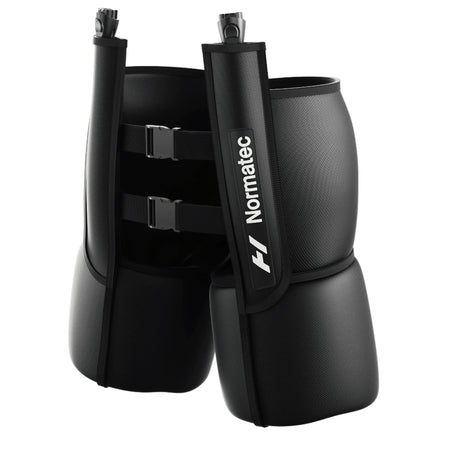
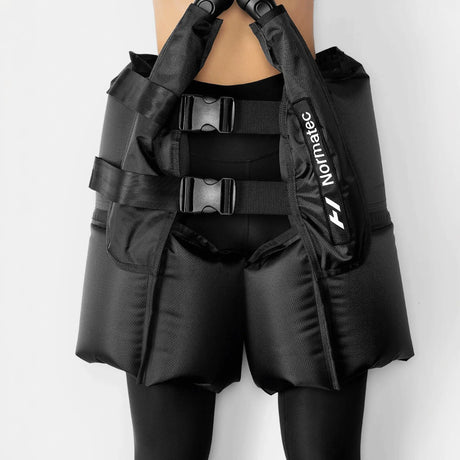
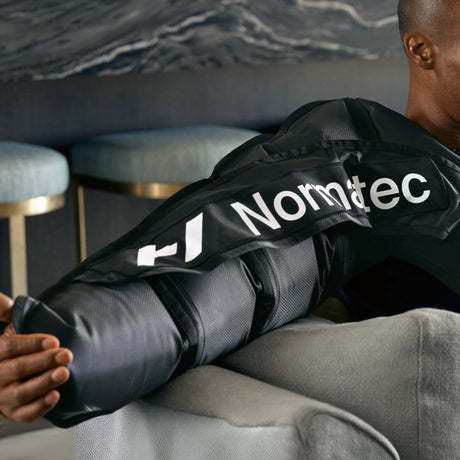
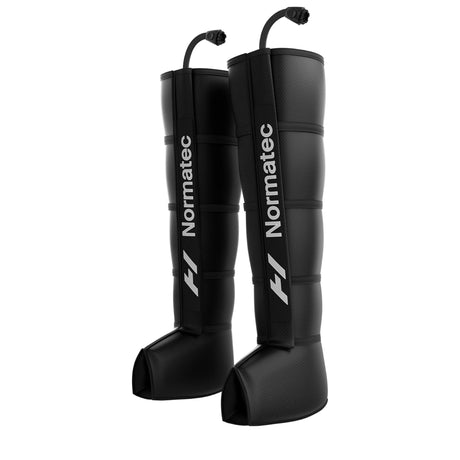
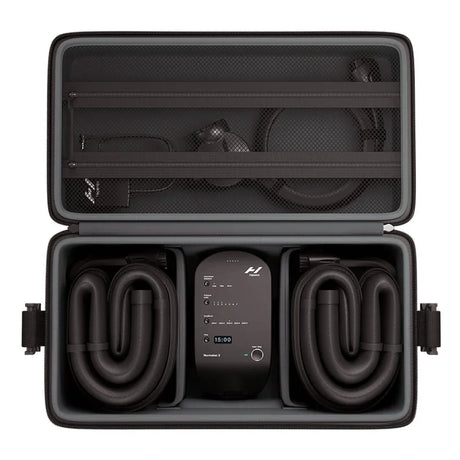
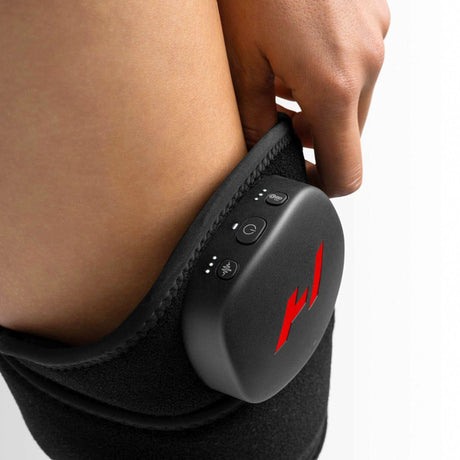
The Normatec Elite specifically uses the brand's patented Pulse technology, which goes a step further than basic SPC. Rather than simple sequential inflation, it replicates the body's natural muscle pumps and one-way venous valves through biomimicry — delivering treatment across five overlapping zones from foot to upper thigh. The Normatec Hip Attachment by Hyperice extends this same zone-based approach to the hip and glute region, making it a useful complement for members focused on full lower-body recovery. ZoneBoost technology allows targeted pressure intensification in specific zones where a member might need extra attention, whether that's the calf, knee, or quad. This granularity is what separates Normatec from lower-cost competitors that offer basic inflation patterns without zone-specific control.
The hardware specs of the Normatec Elite are worth knowing for any commercial operator evaluating the unit:
- 7 levels of adjustable compression
- HyperSync technology — allows synchronized or independent treatment of each leg
- Bluetooth connectivity via the Hyperice App for session control and protocol customization
- Integrated wireless design with no external hoses
- Up to 4 hours of battery life per charge
- 3.2 lbs per boot
The wireless, no-hose design isn't just a convenience feature — it's operationally significant for commercial settings. Members can move to a seat, adjust position, or use the unit independently without staff assistance. That matters at scale.
On the credibility side: the Normatec product line counts LeBron James, Patrick Mahomes, CrossFit Games champion Justin Medeiros, and pro surfer Kelly Slater among its documented users. The Normatec Elite was also named to TIME Magazine's 2024 Best Inventions list — a proof point worth using in your facility's member marketing and signage. "Named to TIME's Best Inventions" reads better on a recovery lounge placard than any spec sheet.
One area operators need to address directly before rolling out compression therapy: contraindications. According to Peak Primal Wellness, individuals with deep vein thrombosis, peripheral artery disease, open wounds, or certain cardiovascular conditions should consult a physician before use. Commercial and corporate buyers with liability awareness will want a brief intake screening process — a simple waiver or health questionnaire — as part of any program rollout. This isn't a deal-breaker; it's standard practice for any therapeutic modality in a gym setting.
Normatec's clinical origin in lymphedema treatment — designed by an MD/PhD, not a fitness marketer — gives it a credibility profile that resonates with health-conscious, evidence-driven gym members and differentiates it from lower-cost competitors. This is a talking point worth training your front desk staff to use when members ask what makes Normatec different from a generic compression boot they could buy online for $200. For a deeper look at how Normatec's compression technology translates to measurable recovery outcomes, the breakdown in Unlocking Recovery: The Science Behind Normatec Compression Therapy covers the research in detail.
What the Science Actually Says: Recovery Benefits Gym Operators Should Know
Be honest with your members about the research. The evidence for compression boots is real, but it's nuanced — and operators who understand the distinction between what's proven and what's promising will set better expectations and avoid the credibility damage that comes from overpromising.
The most reliable, consistently replicated finding in the literature is this: compression boots reduce perceived muscle soreness and fatigue after intense exercise. Multiple peer-reviewed studies confirm reduced delayed onset muscle soreness (DOMS) and lower subjective ratings of exertion and fatigue following sessions, according to Peak Primal Wellness's review of the literature. Perceived recovery is the strongest documented effect — not a marginal one.
Circulation and lymphatic drainage are also well-supported. Multiple randomized controlled trials confirm meaningful improvements in both during and after use. Research published in the Journal of Applied Physiology by Zuj and colleagues in 2018 found that intermittent pneumatic compression significantly increases blood flow to muscles both during and after exercise — a finding with direct relevance for members doing two-a-day training sessions or back-to-back competition days.
The most differentiated finding in recent research came from a 2023 study published in the European Journal of Applied Physiology. It was the first study to document that pneumatic compression boots improve cardiovascular recovery metrics — not just muscular ones — enabling a faster return to baseline heart health after high-intensity exercise. This elevates the technology well beyond "leg massage." If your facility serves competitive athletes, CrossFitters, or high-intensity interval training enthusiasts, this is the finding worth highlighting.
A 2021 study by Haun and colleagues added another useful data point: compression therapy mitigated the reductions in flexibility that typically follow intense exercise, with moderate-to-large effect sizes observed during the recovery window. For members who train frequently and complain about stiffness between sessions, this is a concrete, tangible benefit.
Where the evidence gets murkier is performance improvement. A 2024 review analyzing 17 studies involving 319 athletes found that compression boots provided modest recovery benefits, but results were not consistently statistically significant compared to passive rest. Some studies showed gains in subsequent workout capacity; others did not. Effect sizes varied considerably based on pressure settings, session duration, timing relative to exercise, and individual fitness level. This is precisely why the Normatec Elite's 7-level adjustability and app-guided protocols matter in a commercial context — a one-size-fits-all approach at a single pressure level won't produce the same outcomes as a properly dialed-in protocol.
Sands and colleagues captured the state of the evidence well in 2015: pneumatic compression is "a promising means of accelerating and enhancing recovery after the normal aggressive training that occurs in Olympic and aspiring Olympic athletes." Promising — not miraculous. That framing has held up.
The strongest and most consistent evidence for compression boots is in perceived recovery — reduced soreness, reduced fatigue. For commercial operators, that's actually the most commercially relevant metric. Members who feel better after their workout are members who renew. Set expectations around subjective experience and recovery quality, not physiological optimization. That's an honest position that will serve your facility's credibility far better than overclaiming.
The member demographics who see the clearest, most consistent results: endurance athletes, runners, cyclists, high-intensity interval training enthusiasts, members with circulation issues, and high-volume trainers logging multiple sessions per week. These are your ideal users — and they're worth targeting in your marketing. They already understand recovery; they just need access to better tools.

Normatec Boots in Commercial Gyms: The Real ROI Calculation
The ROI case for a compression boots commercial gym setup is not a physiology argument. It's a business argument. And it's a strong one when you run the actual numbers.
Start with market context. According to ShelfTrend's December 2025 market analysis, the global compression boots market reached $1.3 billion in 2024 and is projected to hit $2.5–$2.9 billion by 2033–2035, growing at a 7–9% compound annual growth rate. This is not a fad. It's a maturing category with a decade of sustained growth behind it. Operators who move early capture the positioning benefit; operators who wait eventually offer the same amenity as every competitor on the block.
The retention math is where things get interesting. According to Smart Health Clubs, 20% of gym members already use specialized recovery amenities. Nearly 50% of new gym members quit within six months, and the leading reason for cancellation is members not feeling they're getting sufficient value from their membership. Premium amenities like normatec boots directly address that gap — they give high-value members a concrete, tangible reason to stay. And according to Smart Health Clubs research, improving retention by even modest percentages can translate to a 25%–95% profit increase.
On the revenue model side, operators have three viable options:
- Per-session pricing: $25–$40 for a 20–30 minute session. Clean, simple, no membership required.
- Recovery add-on tier: $29–$59/month for unlimited or priority access to the recovery zone. Predictable recurring revenue, high perceived value.
- Universal access with booking: Recovery included in a premium membership tier, with a scheduling system managing throughput. Removes price friction entirely and positions recovery as a core membership benefit rather than an upsell.
The session economics are worth working through explicitly. A single Normatec station running $30 per session, booked five times per day, six days per week generates approximately $4,680 per month in gross session revenue — from one station. That's $56,160 annually, before accounting for add-on memberships, bundled access, or the retention value of keeping members who would otherwise cancel.
On the cost side: the Normatec Elite runs approximately $1,099–$1,199 per unit at MSRP. Commercial-grade installations with multiple stations typically run $5,000–$8,000 per station, according to Rework Resources. These are capital investments — treated on a depreciation schedule, not as operating expenses. The National Academy of Sports Medicine's Fitness Recovery Zone ROI Calculator puts the break-even point for recovery zone add-on memberships at under 12 months when priced in the $29–$59/month range. That's a strong investment case by any standard.
The revenue-per-square-foot argument is one that doesn't get enough attention. Your cardio floor generates zero direct incremental revenue — it's a member amenity that drives general retention. A recovery zone generates recurring income through drop-in sessions, add-on memberships, and improved retention rates simultaneously. Recovery services consistently generate higher revenue per square foot than traditional equipment areas at maturity, according to industry data. That's a meaningful operational advantage in facilities where every square foot carries a cost.
Compression therapy does have a lower revenue ceiling than cryotherapy chambers or commercial sauna installations — that's an honest trade-off worth acknowledging. Per-session revenue tops out around $40 in most markets, compared to $50–$75 for cryo or sauna in premium settings. But the marginal operating cost per compression session is extremely low — no water, no heating, no specialized ventilation, minimal maintenance. The margin profile is excellent even if the revenue ceiling is more modest.
At Blue Sky, we work with commercial facility operators across the full recovery room build-out — from compression therapy to cold plunge to infrared sauna. Operators who bundle modalities consistently see stronger ROI than those treating compression boots as a standalone add-on. The ecosystem is the product. A recovery lounge anchored by compression boots, complemented by a cold plunge and an infrared sauna, creates a premium experience that justifies higher-tier membership pricing and gives members a compelling reason to choose your facility over the one across the street. For a broader look at how recovery-focused wellness investments translate to commercial ROI, the ReGen Total Wellness Commercial Buyer Guide walks through the full ecosystem analysis in detail.

Normatec Boots for Corporate Wellness Programs: The Case for Workplace Recovery
Shift the frame from gym operator to HR director, and the compression boot conversation looks completely different — and equally compelling.
Corporate wellness buyers aren't evaluating Normatec on session economics or compression level specifications. They're evaluating it on employee wellbeing ROI, recruiting differentiation, and the signal it sends about employer brand. Premium wellness amenities communicate, in a very concrete way, that a company invests in its people. In a talent market where compensation parity is increasingly common, tangible, visible perks matter.
The physical recovery case is clearest for employees in physically demanding roles. Logistics teams, healthcare workers, retail staff, and tradespeople spend hours on their feet under load. Compression boots during a break or post-shift provide an evidence-based recovery tool — not a gimmick — that addresses a real, daily physical burden. The research on reduced DOMS and improved circulation applies directly to this population, often more predictably than it does to recreational athletes with inconsistent training schedules.
For desk workers, the case is different but equally valid. Sitting in compression boots for 20 minutes is a structured physical rest period — it forces stillness, promotes circulation in legs that have been sedentary for hours, and creates a genuine mental decompression window. Position it as a mindfulness-recovery hybrid and it fits naturally into corporate wellness frameworks that are increasingly emphasizing mental health alongside physical health.
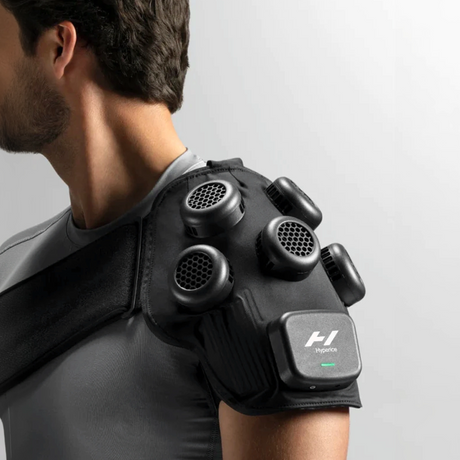
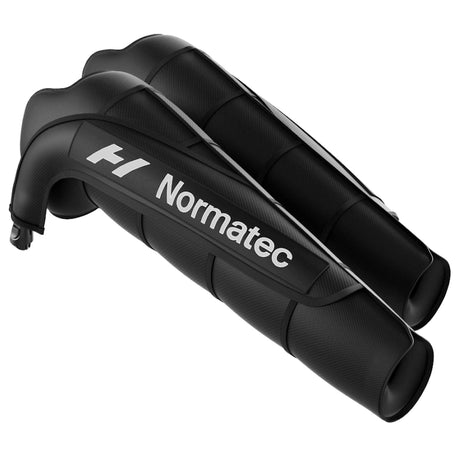
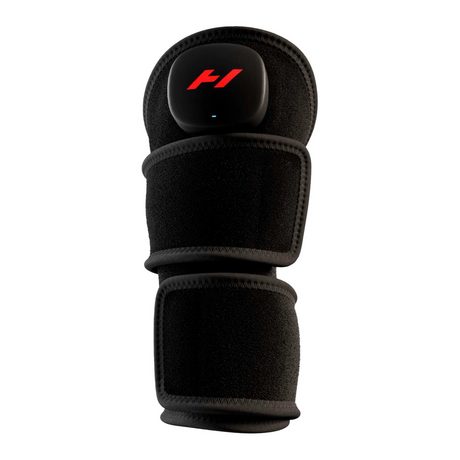
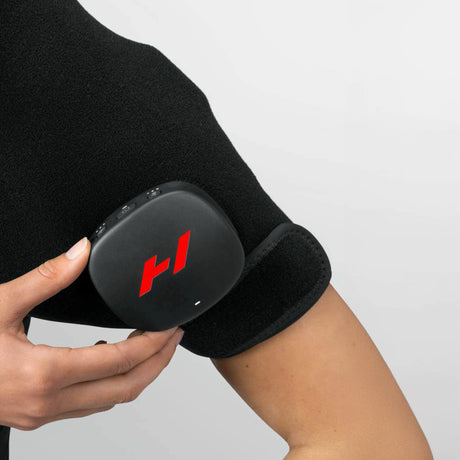
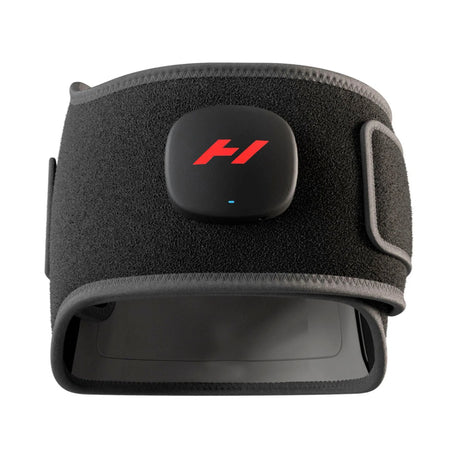
The operational footprint of the Normatec Elite makes it particularly well-suited for corporate settings. At 3.2 lbs per boot with no external hoses and a fully wireless design, according to All Things Fitness and Wellness, it can be integrated into a wellness room, a dedicated recovery suite, or even a large break room without any infrastructure modification. No plumbing, no electrical beyond a standard outlet for charging, no permanent installation. That's a meaningful advantage over cold plunge or sauna, which require significant infrastructure investment. For organizations that also maintain on-site fitness equipment, a Normatec Arm Attachment by Hyperice can extend the recovery program to upper-body focused employees — useful in environments where workers perform repetitive arm and shoulder work.
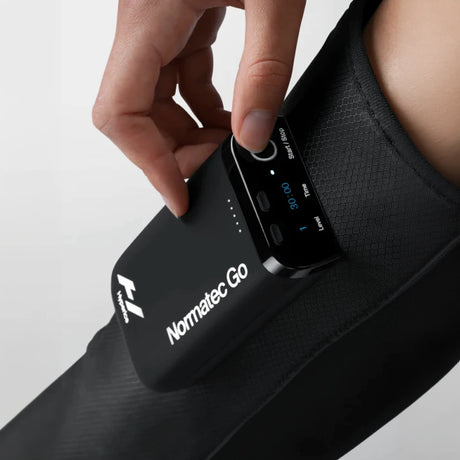
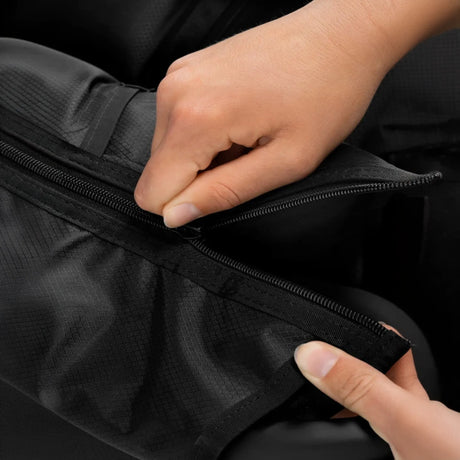
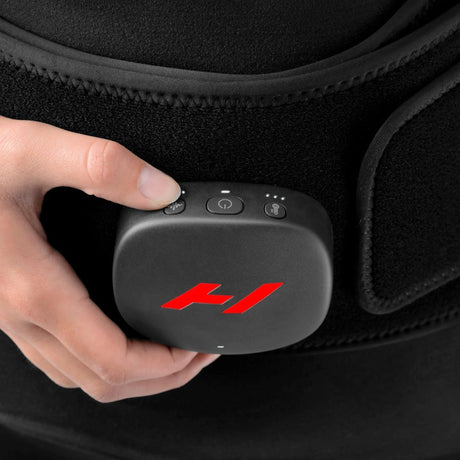
The maintenance profile is where the Normatec Elite genuinely earns its place in a corporate setting. Per Hyperice's official care guidance, cleaning is a wipe-down with a damp cloth or antiseptic wipe after each use — no machine washing, no user-serviceable parts, no specialist maintenance schedule. App-based controls allow employees to self-manage session duration and intensity without staff assistance. For HR teams, that operational simplicity is significant. They want to offer a benefit, not manage a piece of fitness equipment.
Recommended sessions run 20–30 minutes, per the Normatec official guidance cited in Peak Primal Wellness. That duration fits naturally into a structured break schedule. A pair of units in a wellness room, bookable via a simple scheduling app, can serve 8–12 employees per day per station without requiring any dedicated staff oversight.
For corporate wellness program rollouts, contraindication screening should be included from day one. Employees with deep vein thrombosis, peripheral artery disease, open wounds, or certain cardiovascular conditions should be directed to consult a physician before use. A simple intake form — the kind that already exists in most corporate wellness program frameworks — handles this cleanly.
For corporate wellness programs, the low-maintenance profile of the Normatec Elite is a genuine operational advantage — wipe-clean surfaces, app-based controls, no user-serviceable parts. HR teams don't want to manage equipment; they want to offer a benefit. Normatec fits that brief precisely.
As a recruiting and retention talking point, amenity-driven workplace wellness programs help close the gap in competitive talent markets — particularly post-pandemic, where in-office employees increasingly benchmark their workplace experience against what remote work offers in terms of flexibility and autonomy. A recovery suite with compression boots, positioned as an intentional investment in employee health, is a differentiator that shows up in employer reviews, recruiting conversations, and internal retention surveys.

Normatec Boots vs. Other Commercial Recovery Modalities: How They Stack Up
Most operators evaluating normatec boots aren't choosing between boots and nothing — they're deciding how to allocate a recovery room budget across multiple modalities. That's the right framing. Here's how compression therapy compares to the other major commercial recovery options across the criteria that actually matter for facility planning.
Commercial Recovery Modality Comparison
The table below is designed for operators allocating recovery room budget and square footage across modalities. Use it as a starting point — your specific facility economics, member demographics, and available space will shift the weighting on each dimension.
| Feature | Normatec Boots (Compression) | Cold Plunge | Infrared Sauna | Red Light Therapy |
|---|---|---|---|---|
| Per-unit cost (commercial) | $1,099–$1,199/unit; $5,000–$8,000/station | $5,000–$20,000+ | $3,000–$15,000+ | $2,000–$10,000+ |
| Typical session duration | 20–30 minutes | 3–10 minutes | 20–45 minutes | 10–20 minutes |
| Floor space required | Minimal (chair + unit) | Moderate (tub + drainage) | Moderate–Large (dedicated room) | Small–Moderate |
| Sessions per station per day (est.) | 12–18 | 30–50+ | 8–15 | 15–25 |
| Session pricing range | $25–$40 | $20–$50 | $20–$60 | $15–$40 |
| Maintenance complexity | Very low (wipe down, no serviceable parts) | Moderate–High (water chemistry, filtration) | Low–Moderate (cleaning, electrical checks) | Low (bulb replacement cycles) |
| Primary recovery benefit | Circulation, DOMS reduction, cardiovascular recovery | Inflammation, mental resilience, nervous system reset | Systemic recovery, muscle relaxation, detoxification | Cellular repair, reduced inflammation |
| Best member demographics | Runners, cyclists, HIIT athletes, high-volume trainers | Athletes, biohackers, performance-focused members | General wellness, stress reduction, older adults | Injury recovery, longevity-focused members |
| Revenue model fit | Per-session or add-on membership tier | Per-session or premium membership | Per-session, membership, or universal access | Per-session or bundled |
The clear operational advantage of compression boots is the combination of lowest footprint, fastest session turnaround, and lowest maintenance burden of any modality in this category. According to Rework Resources, compression therapy carries lower investment and lower revenue potential than cryotherapy or sauna — but generates strong member satisfaction scores with minimal operating cost per session. That margin profile makes it an ideal entry point or first investment in commercial recovery equipment. Operators researching the red light therapy column in the table above will find the Commercial Red Light Therapy Beds for Spas and Gyms 2026 guide useful for direct comparison on costs, session economics, and member demographics.
Industry data notes that a functional recovery zone can be built in just 300–500 square feet using cold plunge, infrared sauna, and lounge seating — and compression boot stations require the smallest footprint of any modality in that mix. For operators with underutilized square footage, that's a straightforward conversion calculation. The full range of recovery room accessories and complementary equipment available through Blue Sky's other accessories collection covers the supporting hardware operators need to complete a recovery lounge build-out.
From a distributor's perspective, compression boots are often the easiest first step into recovery room territory — lower per-unit cost, minimal installation, and fast session turnover. Operators who start with compression frequently expand to cold plunge and sauna within 12–18 months once they validate member demand. The market is projected to double in value by 2033–2035, according to ShelfTrend. The operators building recovery zones now are positioning for a category at the midpoint of its growth curve, not the end of it.

Frequently Asked Questions
1. What do Normatec boots actually do for gym members?
Normatec boots use sequential pneumatic compression — air chambers that inflate and deflate in a specific wave pattern — to actively move fluid up through the legs, replicating the body's natural muscle pumps and venous valves. Unlike static compression garments that apply constant, uniform pressure, this is an active mechanism that improves circulation and reduces fluid buildup after exercise. The most consistently documented result is reduced perceived muscle soreness and fatigue following intense training sessions. For commercial facilities, that translates directly to members who feel better after their workouts and have a stronger reason to return.
2. Are Normatec boots worth the investment for a commercial gym?
Yes, when structured correctly around a defined revenue model. The ROI case sits at the intersection of retention improvement and recurring revenue — not purely physiology. With add-on membership pricing in the $29–$59/month range, industry data supports break-even under 12 months as a realistic target. Smart Health Clubs research confirms that improving gym member retention by even modest percentages can translate to a 25%–95% profit increase, and premium recovery amenities directly address the leading reason members cancel: not feeling they receive sufficient value.
3. How much does a Normatec commercial setup cost?
The Normatec Elite retails at approximately $1,099–$1,199 per unit. Commercial-grade installations with multiple stations typically run $5,000–$8,000 per station, according to Rework Resources. Session pricing in commercial gym settings runs $25–$40 per 20–30 minute session, and a single station booked five times per day, six days per week can generate approximately $4,680 per month in gross session revenue. These are capital investments treated on a depreciation schedule, not operating expenses.
4. How long should a Normatec compression session last in a commercial facility?
The standard recommended session length is 20–30 minutes, per Normatec's official guidance. The Normatec Elite's app-based controls allow members or staff to set session duration and compression intensity without manual adjustments to the unit itself. This self-service capability is particularly valuable in high-traffic commercial environments where staff time is limited and throughput needs to be consistent across peak hours.
5. How do you sanitize Normatec boots between commercial uses?
Cleaning requires a wipe-down with a damp cloth or antiseptic wipe after each use — no machine washing required. Per Hyperice's official care documentation, the unit has no user-serviceable parts and does not require specialist maintenance. This low-maintenance profile is well-suited to high-turnover commercial environments where cleaning protocols need to be fast, consistent, and executable by any staff member without specialized training.
6. Who should not use compression boots in a gym setting?
Individuals with deep vein thrombosis, peripheral artery disease, open wounds, or certain cardiovascular conditions should consult a physician before using compression boots. Commercial operators should include a brief health screening — a simple waiver or short intake questionnaire — as a standard part of their compression therapy onboarding process. This is consistent with standard liability management practice for any therapeutic modality in a gym setting and is not a barrier to rollout.
7. How many members can one Normatec station serve per day?
With 20–30 minute sessions and a brief turnaround for sanitization between users, a single station can serve approximately 12–18 members per 8-hour operating window. Most facilities start with 2–4 stations to prevent bottlenecks during peak morning and evening hours. That throughput makes per-station capacity planning straightforward and supports accurate revenue projections before committing to a full recovery room build-out.
8. How do Normatec boots compare to other recovery modalities for commercial facilities?
Normatec boots offer the lowest floor space requirement, lowest maintenance complexity, and lowest per-unit entry cost of any major commercial recovery modality. Cold plunge and infrared sauna both carry higher revenue ceilings per session — $50–$75 in premium markets versus $25–$40 for compression — but also require significantly more infrastructure, ongoing maintenance, and operating cost per session. Compression boots work best as part of a bundled recovery lounge rather than a standalone offering, and operators who pair them with cold plunge and sauna consistently see stronger overall ROI than those deploying any single modality in isolation.
The Bottom Line: Should Your Facility Invest in Normatec Boots?
Normatec boots are not a luxury gimmick. They're a commercially viable recovery tool with a credible clinical foundation, a manageable physical footprint, and a clear path to ROI through session revenue and gym member retention improvement — when deployed correctly.
The proof points hold up to scrutiny. The technology originated in vascular medicine, not a fitness marketing department. The Normatec Elite earned TIME Magazine's 2024 Best Inventions recognition. A 2023 study in the European Journal of Applied Physiology documented cardiovascular recovery benefits beyond anything previously attributed to the modality. And the perceived recovery evidence — the most commercially relevant metric for a membership-based business — is consistent across the literature. That's enough credibility to market confidently to health-conscious, evidence-driven members.
The positioning recommendation doesn't change: compression boots work best as part of a recovery room ecosystem alongside cold plunge, infrared sauna, and red light therapy. The combined offering justifies premium membership pricing and creates a member experience that's genuinely difficult to replicate at a budget facility. Recovery services generate higher revenue per square foot than traditional equipment areas at maturity — and improving retention, even modestly, can translate to a 25%–95% profit increase per Smart Health Clubs data.
For gym operators, this is a retention and revenue play with a defensible science foundation. For corporate wellness buyers, it's a tangible, visible investment in employee health that signals something meaningful about employer culture — and requires almost no ongoing operational management to sustain.
If you're evaluating compression therapy as part of a broader recovery room build-out, the team at Blue Sky Fitness Supply works with commercial operators at every budget level — from a single Normatec station addition to a full recovery lounge featuring cold plunge and infrared sauna. Explore our commercial recovery equipment collection to see what a complete recovery room build looks like, or reach out directly to discuss what configuration makes sense for your facility's space, member demographics, and revenue goals.