

Table of Contents:
- Understanding Red Light Therapy's Growing Popularity
- Is Red Light Therapy FDA Approved?
- What Are the Side Effects of Red Light Therapy?
- Contraindications for Red Light Therapy: Who Should Be Cautious?
- Red Light Therapy Best Practices: Getting the Most from Each Session
- Frequently Asked Questions About Red Light Therapy
- Your Path to Safe, Effective Red Light Therapy
Red light therapy is swiftly becoming a wellness phenomenon, celebrated for its ability to rejuvenate skin, alleviate pain, and boost overall health—all without the need for invasive procedures or harmful chemicals. With celebrities touting its benefits and countless devices flooding the market, it's easy to see why this cutting-edge treatment is on everyone's radar. But here's the million-dollar question sitting at the back of everyones mind: is it safe?
At a glance, red light therapy appears almost too good to be true. It uses low-level wavelengths of red light to stimulate cellular repair and regeneration, offering a seemingly simple solution to complex problems like fine lines, muscle soreness, and even joint stiffness. However, this surge in popularity has brought an avalanche of concerns. Questions about side effects, potential risks, and best practices have left many wondering if it's worth the hype, or if they're unknowingly stepping into territory with hidden pitfalls.
And here's the twist: while red light therapy is broadly considered safe, improper use, contraindications, and overlooked safety measures can quickly change the narrative. To unlock its full benefits without putting yourself at risk, you need the facts—backed by research and rooted in best practices. Let's uncover what you need to know to make this trending therapy a safe and effective addition to your wellness routine.
Understanding Red Light Therapy's Growing Popularity
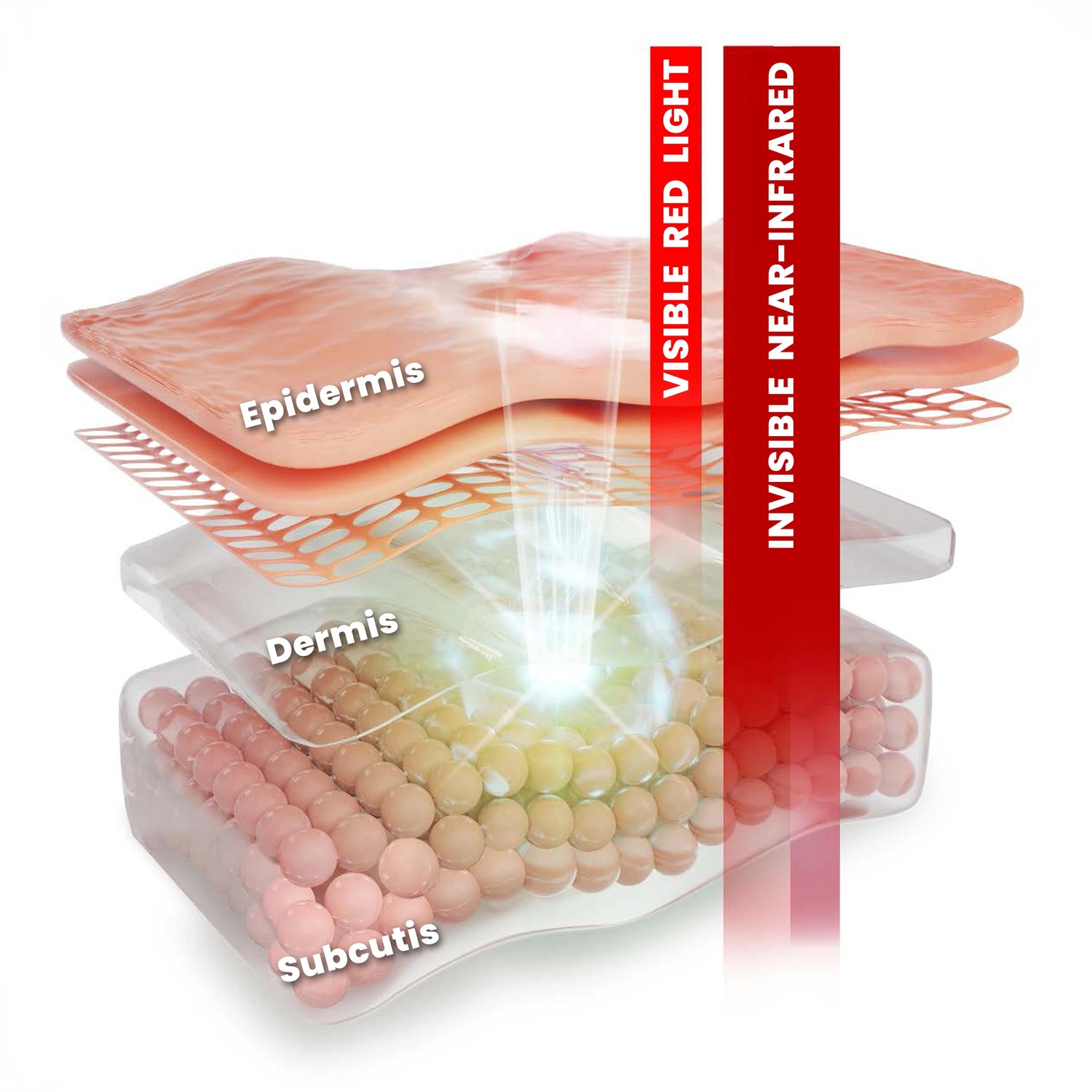
Red light therapy, also called low-level light therapy (LLLT) or photobiomodulation (PBM), has surged in popularity for its impressive ability to target a wide range of health and cosmetic concerns. From reducing fine lines and wrinkles to alleviating chronic pain, this non-invasive, drug-free treatment taps into the regenerative power of low-wavelength red light. The science behind it centers on wavelengths typically in the 630–850 nm range, which penetrate the skin at varying depths to stimulate mitochondrial activity—essentially giving cells more energy to repair and regenerate. This mechanism is why the same modality that helps with surface-level skin concerns can also reach deeper tissues to support muscle recovery and joint health. Interestingly, those same principles of light-based cellular stimulation are why complementary therapies like infrared light therapy are also revolutionizing health and wellness alongside red light treatment. But with widespread adoption comes an equally widespread question: Is red light therapy safe? To answer this, we need to dig deeper into its framework and boundaries, starting with how it's regulated.
Is Red Light Therapy FDA Approved?
A key point of confusion stems from the term FDA approval. To clarify, red light therapy itself is not officially FDA approved as a treatment. Approval is typically reserved for high-risk medical interventions such as pharmaceuticals. However, many red light therapy devices have been granted FDA clearance. This designation confirms they met the necessary safety and performance requirements for lower-risk devices.
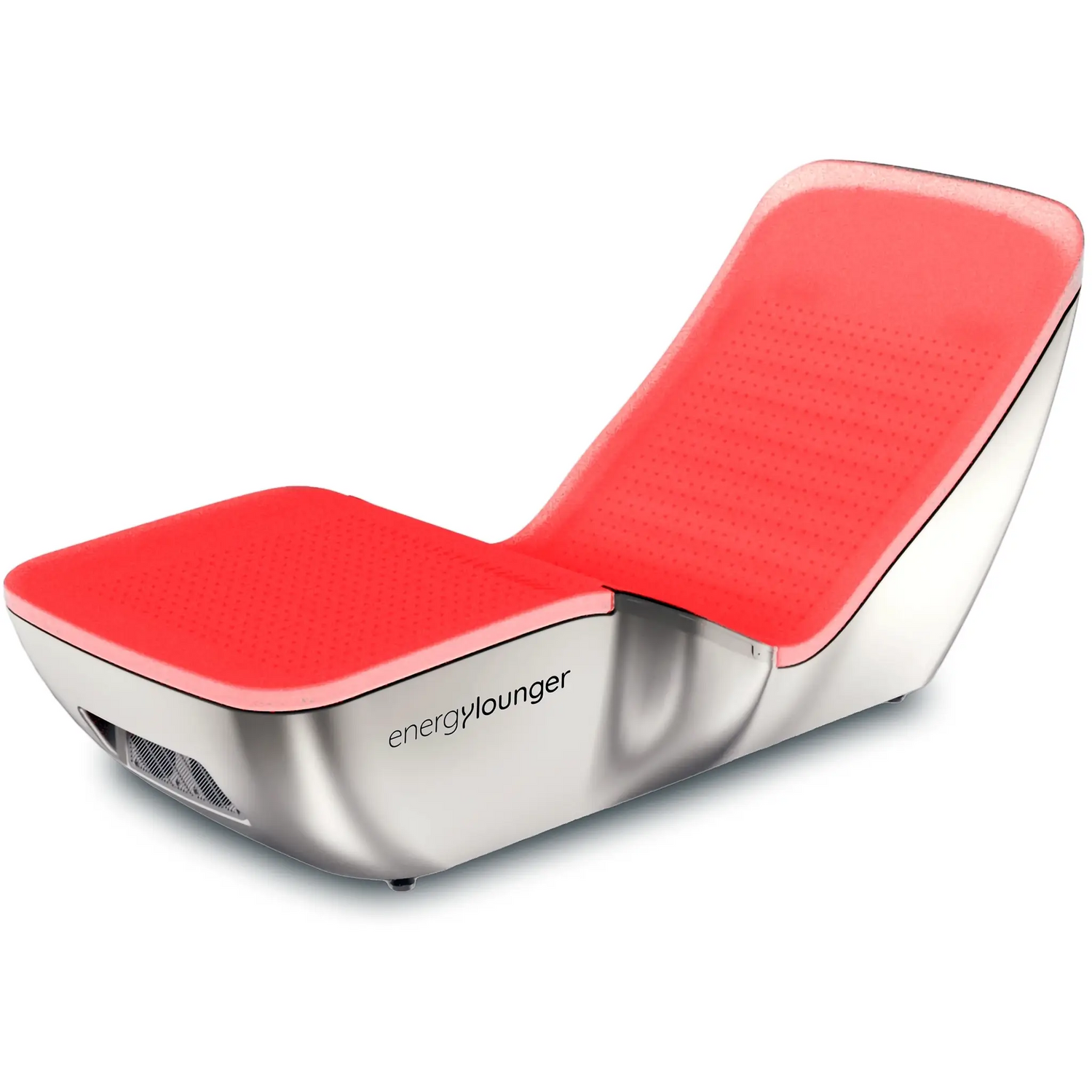
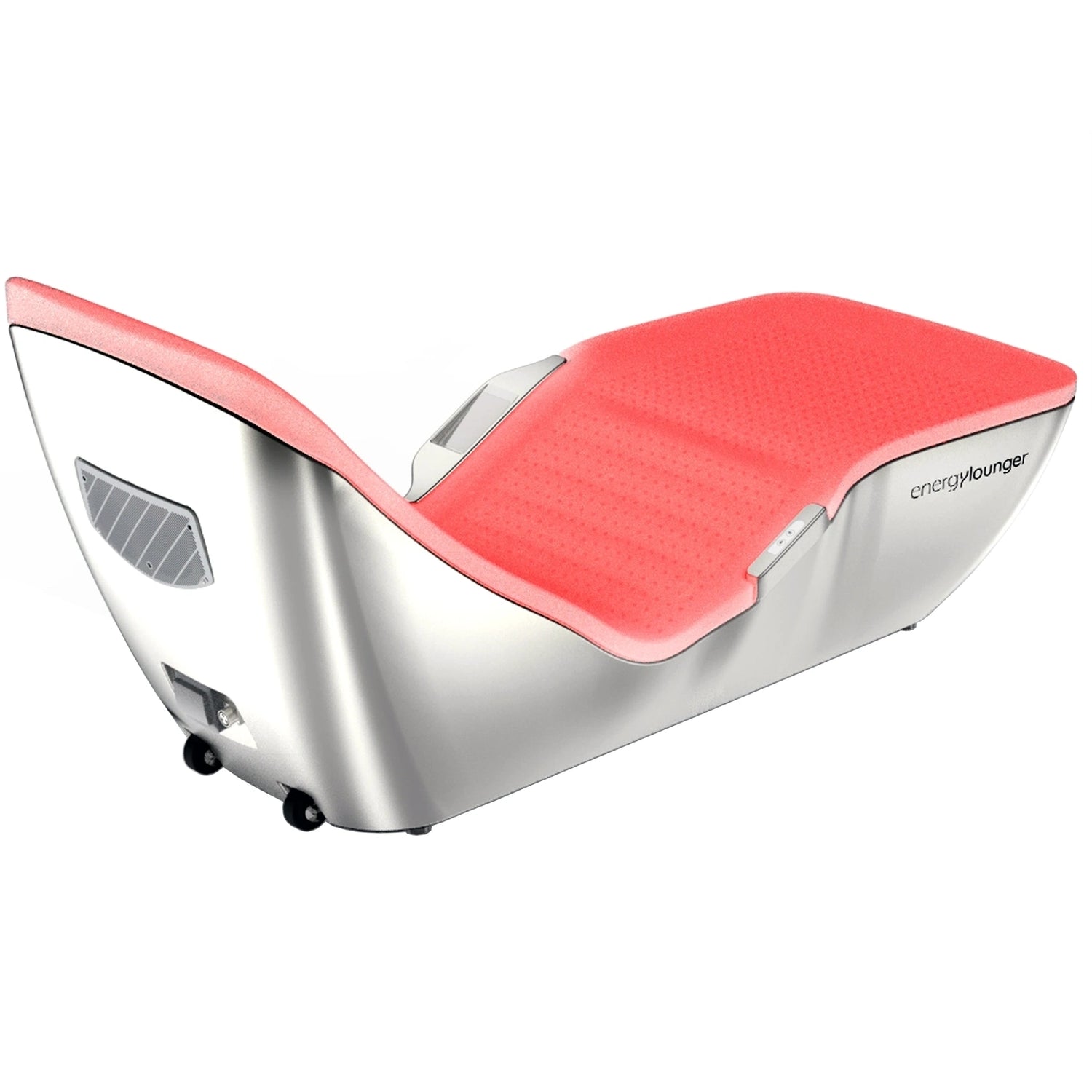
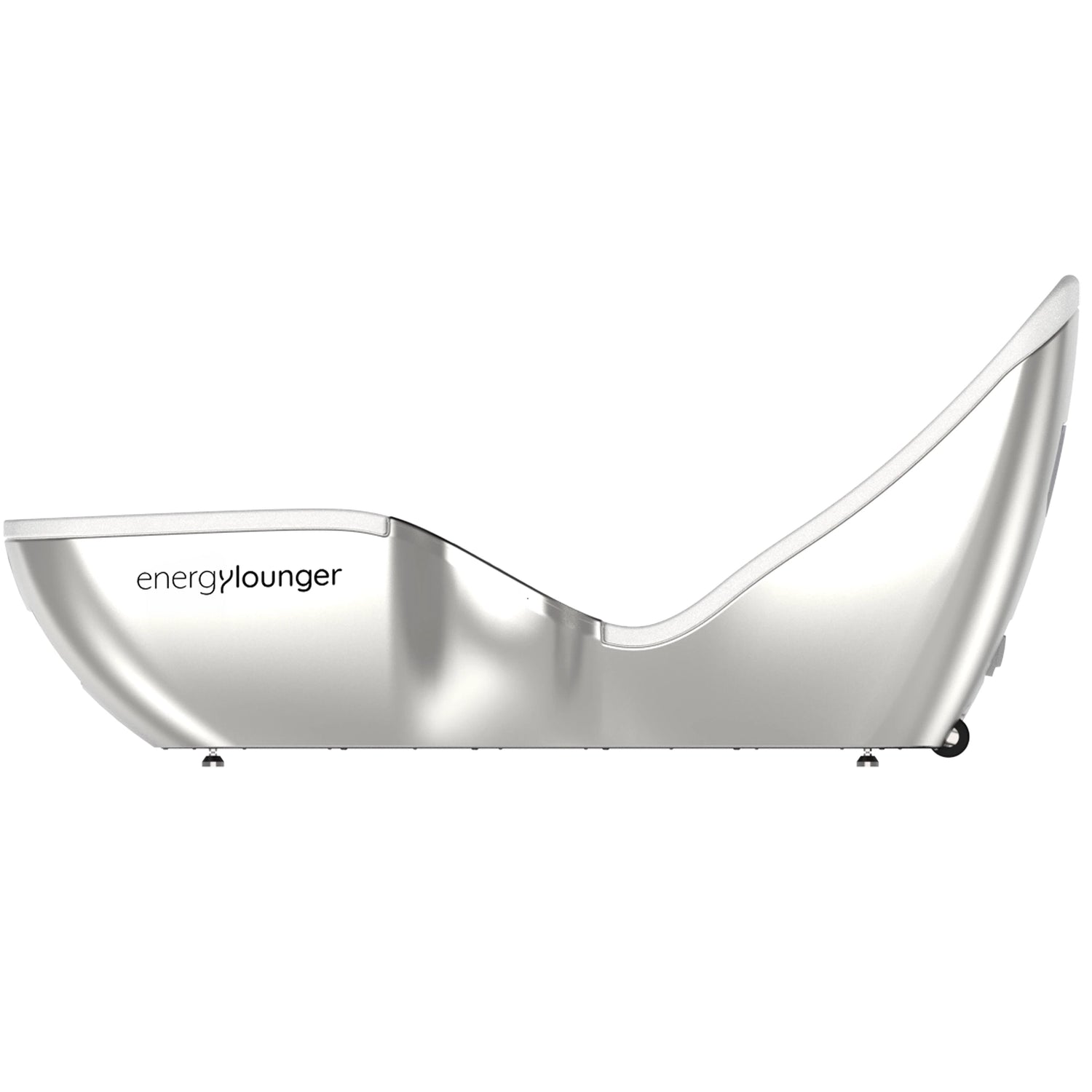
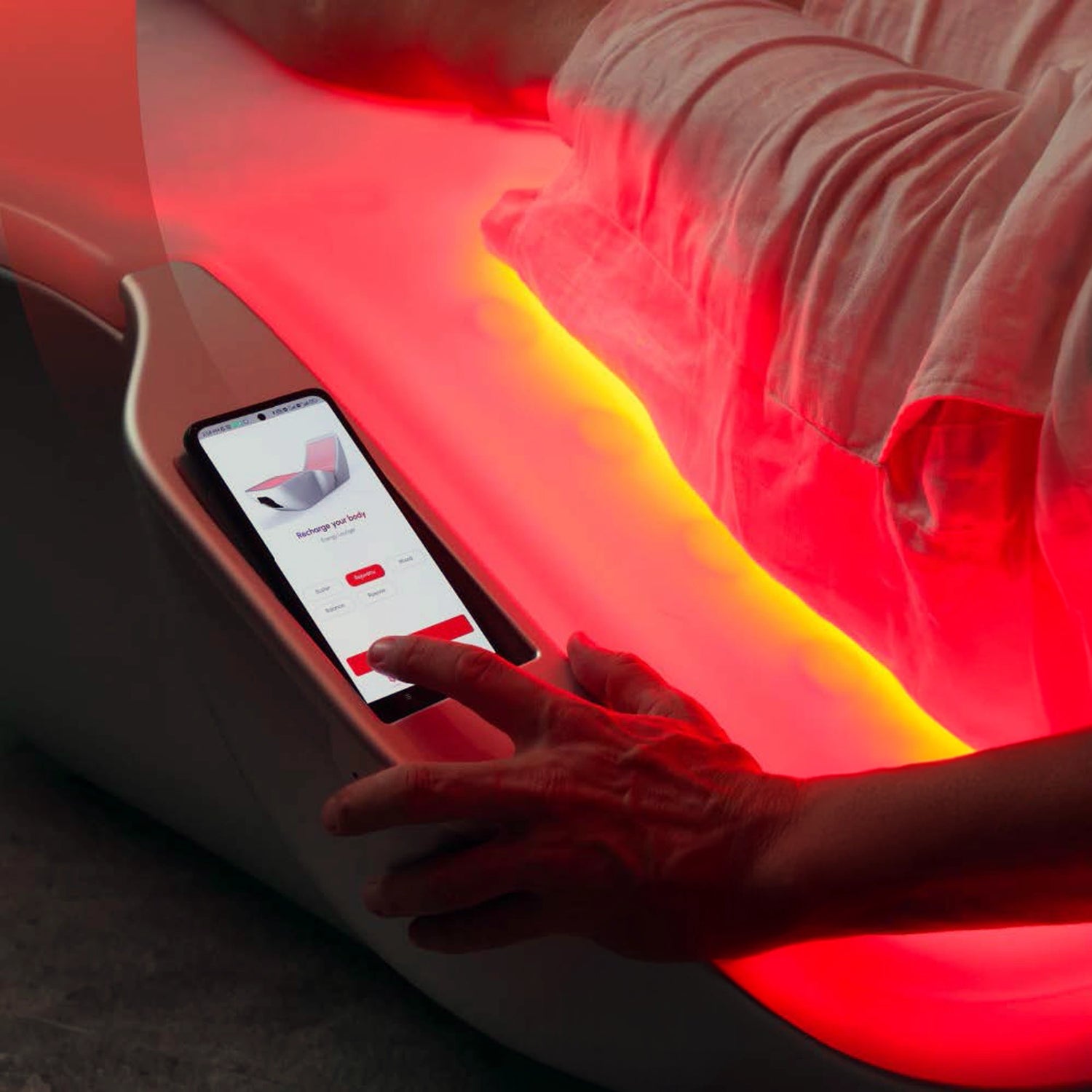
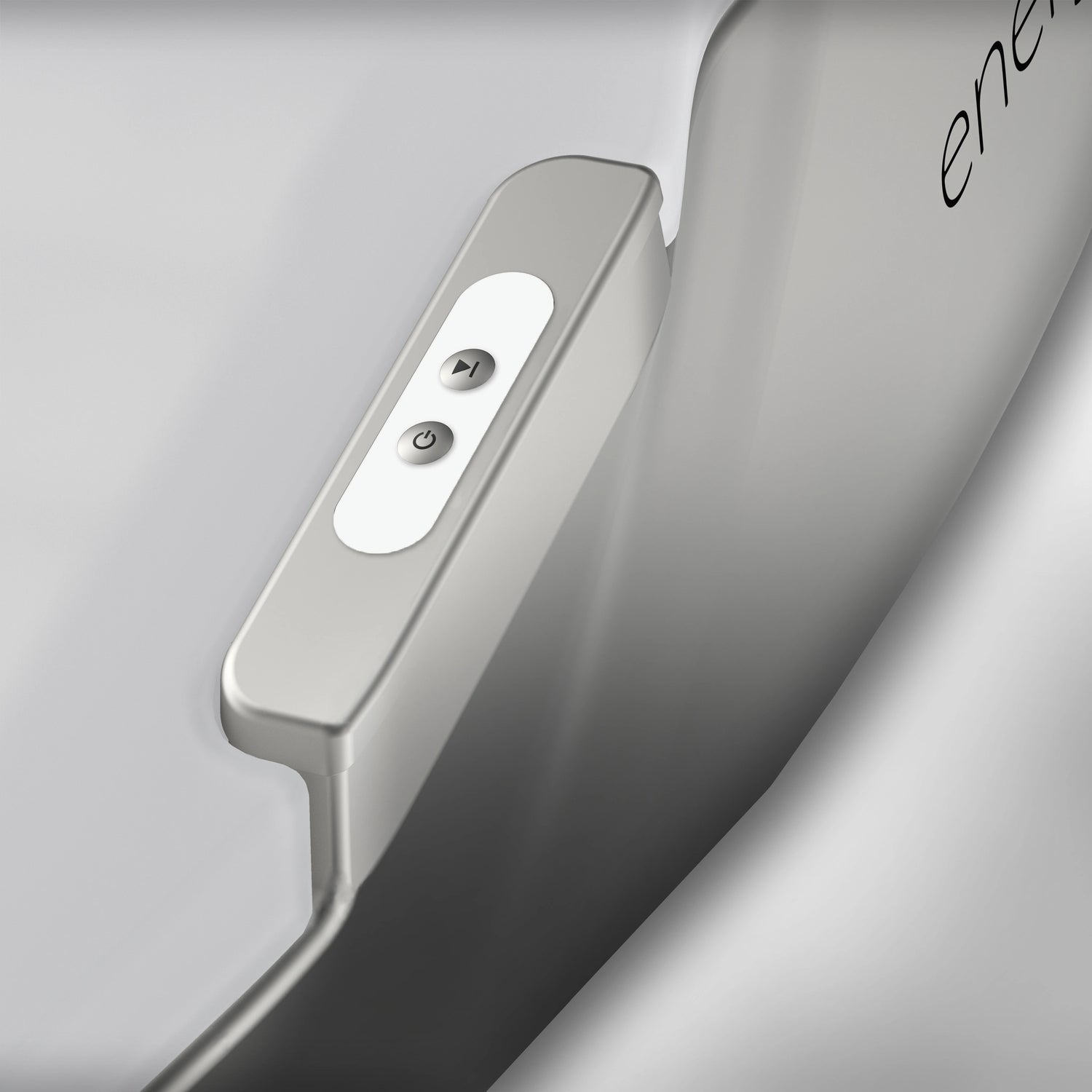
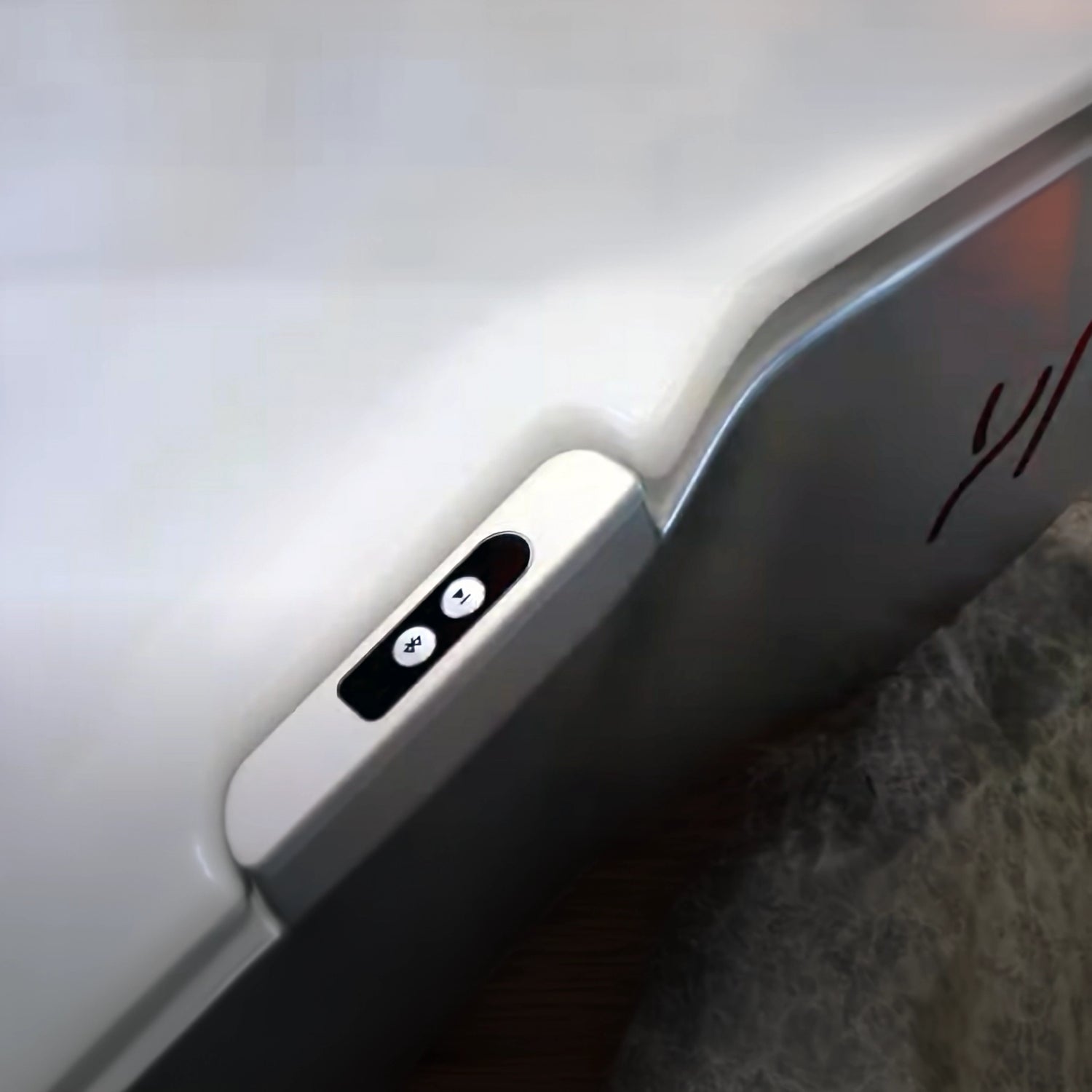
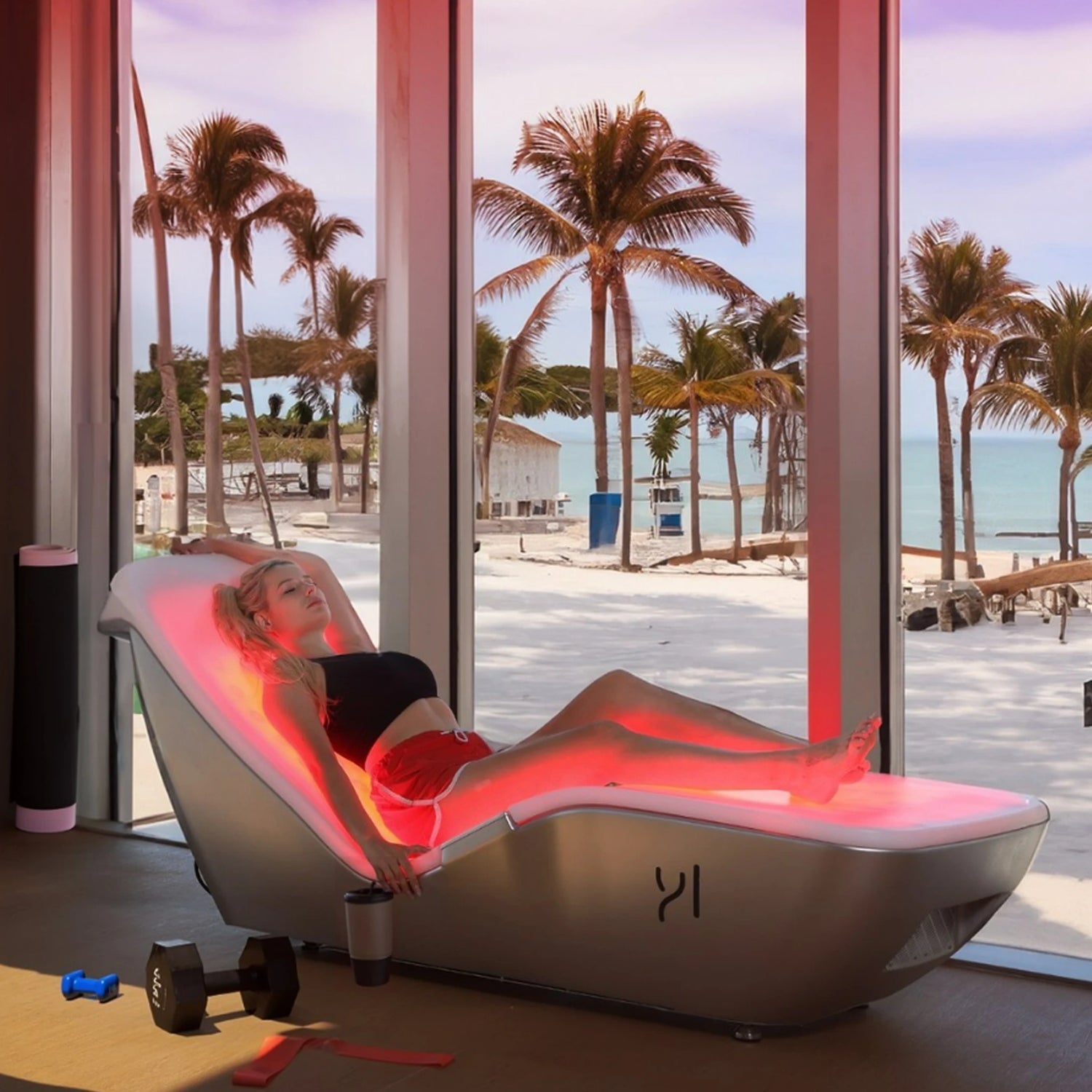
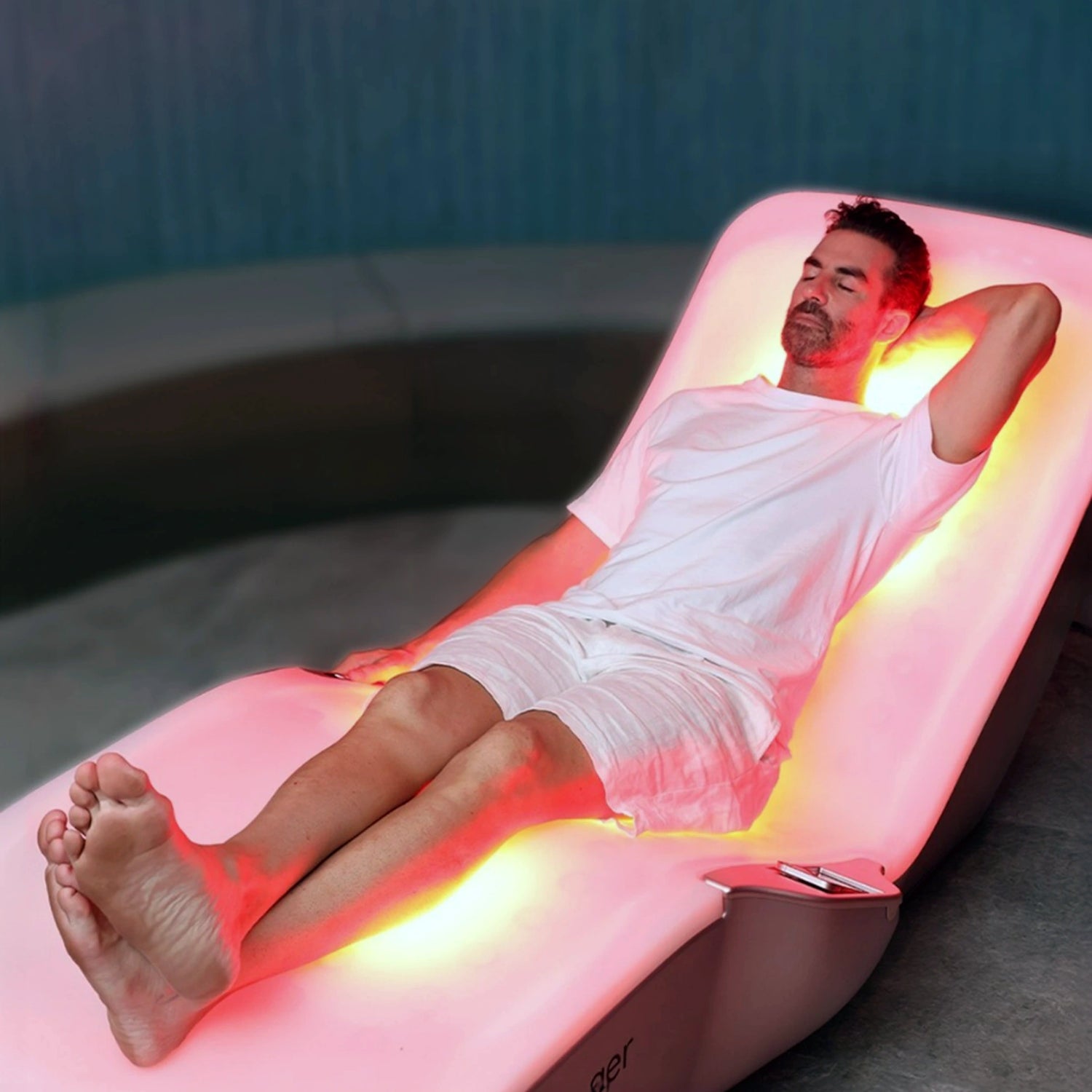
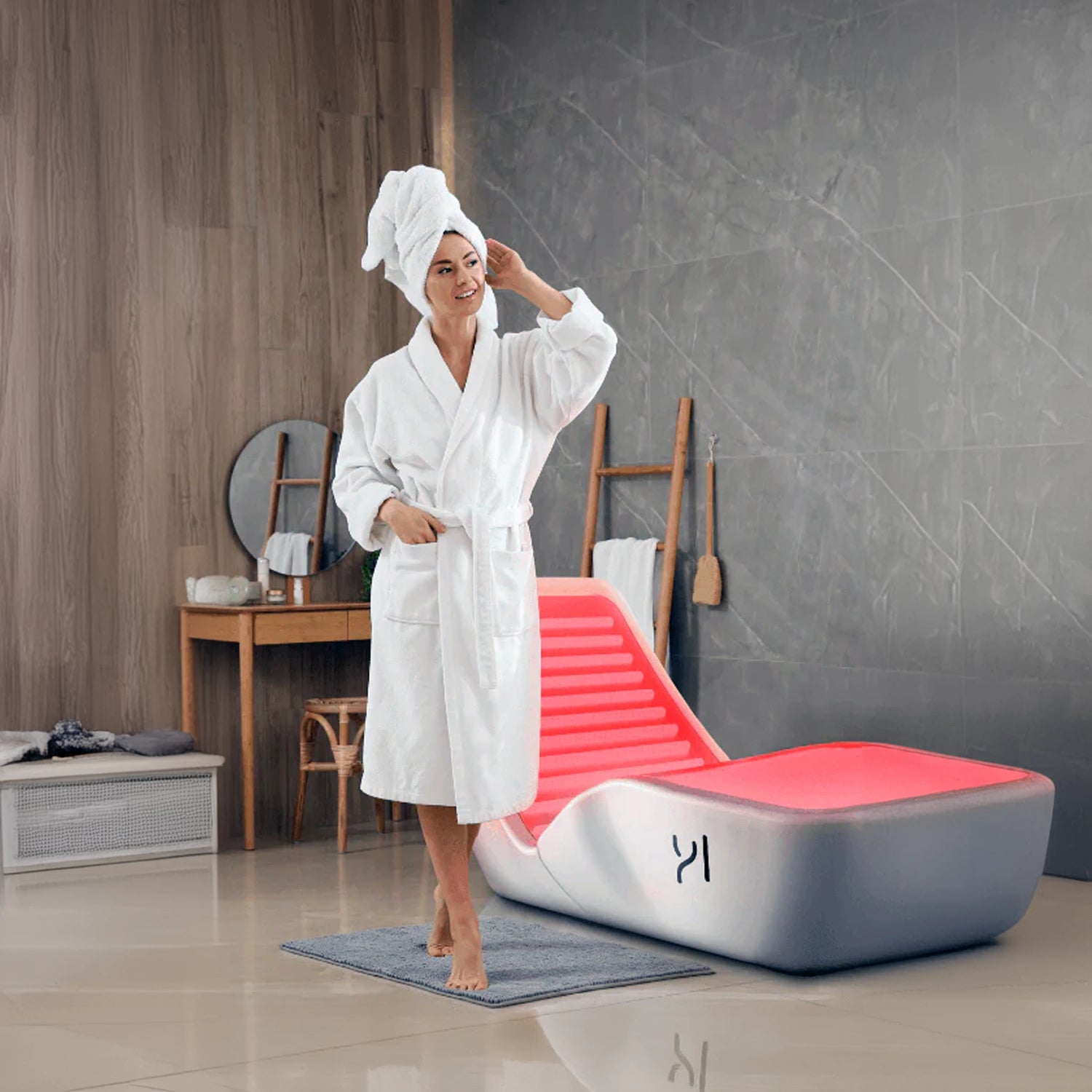
When a device receives FDA clearance, it means the manufacturer has demonstrated it is substantially equivalent to a legally marketed device already reviewed for safety. Examples of FDA-cleared devices include LED masks, handheld therapy wands, and professional-grade panels used for pain relief, skin rejuvenation, and other widely sought benefits. Full-body formats—such as the Red Light Full Body Therapy Bed by Energy Lounger—take this a step further by delivering therapeutic wavelengths across the entire body simultaneously, which is particularly valuable for users seeking systemic recovery benefits rather than targeted spot treatment. FDA clearance doesn't signify the therapy itself has been evaluated like a drug, but it does ensure the devices, when used properly, are safe for consumers.
For users seeking FDA-cleared red light therapy devices, being aware of this distinction can save not only confusion but also protect your health.
What Are the Side Effects of Red Light Therapy?
Wondering about red light therapy side effects? You wouldn't be alone. Despite its generally safe profile, like any treatment, red light therapy isn't without potential downsides.
The good news? Most reported side effects are very mild and temporary. Sudden headaches, skin redness, or warmth are among the most common minor complaints—especially during the first few sessions. In certain cases, some users may experience mild skin irritation or discomfort if treatments are prolonged or conducted too frequently. Research consistently shows that the therapy's safety profile is one of its most compelling attributes—a 2019 review published in Seminars in Cutaneous Medicine and Surgery noted that adverse events from red light therapy are "uncommon and usually minor," reinforcing that the risk-to-benefit ratio is favorable for most users when protocols are followed correctly.
- Headaches: For individuals prone to migraines or light sensitivity, the exposure may temporarily trigger mild headaches.
- Eye strain: Bright light from devices can occasionally irritate the eyes, making protective eyewear a must for safe use.
- Temporary redness: Post-treatment warmth and redness may appear in the targeted areas due to increased blood circulation.
Serious complications are rare when instructions are correctly followed. Consultation with a professional can also mitigate risks. It's also worth noting that special populations—such as older adults—tend to respond well to red light therapy at standard parameters, as explored in research on red light bed therapy for seniors and aging care, which highlights how the therapy's gentle, non-thermal nature makes it particularly well-suited to users with sensitive or aging skin.
Contraindications for Red Light Therapy: Who Should Be Cautious?
Although a majority of users benefit from red light therapy without incident, there are specific cases where it may not be suitable. Knowing these contraindications can help you make the safest decisions:
- Open or infected wounds: Avoid treating affected areas if you have an open wound or are battling skin infections.
- Photosensitivity: Individuals taking light-sensitizing medications or supplements—such as certain antibiotics—should proceed cautiously. Always consult your healthcare provider beforehand.
- Skin cancer history: Those with a history of skin cancer need to consult specialists before engaging in treatments.
- Pregnancy: Pregnant users are typically advised to avoid red light therapy until after delivery to ensure no unintended risks arise.
- Eye conditions: People with certain eye diseases or conditions that worsen with light exposure should navigate use carefully.
It's crucial to have any contraindications reviewed by your physician prior to beginning a treatment plan. When in doubt, err on the side of caution! It's also worth considering how red light therapy fits within a broader wellness stack. Many users who incorporate red light therapy also use complementary heat-based modalities—for instance, pairing light therapy sessions with time in a far infrared sauna like the Golden Designs Catalonia FAR Infrared Sauna. If you're combining modalities, discuss the full picture with your healthcare provider, since cumulative heat and light exposure may require adjusted session lengths or sequencing for certain contraindicated conditions.
Red Light Therapy Best Practices: Getting the Most from Each Session
To maximize benefits while minimizing risks, it's important to follow red light therapy best practices. Whether you're using LED masks, handheld wands, or full-body beds or loungers, these steps ensure every session is safe and impactful:
- Choose FDA-cleared devices: Always opt for products that have undergone FDA clearance. This adds an extra layer of assurance in terms of safety.
- Wear eye protection: Light exposure can be stress-inducing on the eyes—appropriate goggles or shields are essential safeguards when instructed by the manufacturer.
- Follow device guidelines: Stick to programmed time settings and avoid improvising longer-than-recommended sessions.
- Hydrate frequently: Drinking water pre- and post-treatment helps optimize cellular regeneration for best results.
- Maintain proper skin prep: Cleanse your skin thoroughly to remove oils or makeup, which may diminish red light absorption.
- Avoid overuse: Incorporating too many treatments per week can overstimulate cells, reducing efficacy instead of enhancing it.
- Start slow: Begin with shorter durations to monitor your body's response before gradually progressing into routine frequency.
Understanding how to safely integrate red light therapy into your regimen is just as important as understanding the advertised benefits. Proper preparation and aftercare measures help you sidestep potential pitfalls. Some users also find value in pairing red light therapy sessions with other recovery modalities—for example, following up a light therapy session with time in a hybrid sauna like the Golden Designs Nora Hybrid Full Spectrum Infrared/Traditional Steam Sauna, which offers both infrared and traditional steam options for a comprehensive recovery approach. If you're building a multi-modality protocol, always space sessions appropriately and listen to your body's cues.
The Case for Staying Safe
When combined with realistic pacing, high-quality FDA-cleared devices, and well-researched information, red light therapy emerges as a valuable tool for aesthetic and health support. For spa operators, gym owners, and wellness facilities exploring professional-grade options, it's worth reviewing what commercial red light therapy beds offer for spas and gyms—the considerations around session management, client safety protocols, and device specifications differ meaningfully from consumer home use. For those considering their personal options, products such as the EnergyLounger highlight the innovation within this space. This therapy proves undeniably promising—but only when treated with the same seriousness as any wellness routine. Read more about the innovative red light lounger here.
Frequently Asked Questions About Red Light Therapy
1. Is red light therapy safe to use regularly?
Yes, red light therapy is generally safe when used as directed. Studies show minimal side effects such as mild redness or headaches, which are typically temporary. To ensure safety, follow device guidelines, protect your eyes during treatment, and avoid overuse.
Looking to maximize the benefits? Explore FDA-cleared red light devices designed for safe, effective use.
2. Are red light therapy devices FDA approved?
No, red light therapy itself is not FDA-approved. However, many devices are FDA-cleared, meaning they meet safety and performance standards. FDA clearance ensures these devices are safe for consumer use when directions are followed.
Want reliable results? Choose FDA-cleared devices for peace of mind and superior safety.
3. What are the main side effects of red light therapy?
Side effects from red light therapy are rare and mild, including:
- Mild skin redness or warmth after a session
- Temporary eye strain without proper protection
- Occasional headaches, especially for users prone to migraines
To reduce risks, wear protective eyewear, limit session durations, and follow usage instructions.
4. Who should avoid red light therapy?
Red light therapy isn't recommended for everyone. Those with the following conditions should exercise caution:
- Open wounds or active skin infections
- Taking photosensitive medications
- A history of skin cancer
- Pregnant individuals (consult your healthcare provider)
- Eye conditions sensitive to light
If any of these apply, consult your doctor before starting treatment.
5. Can red light therapy be used at home?
Yes, red light therapy can be used safely at home with FDA-cleared devices. Popular options include LED masks, handheld wands, full-body panels, and red light beds and loungers depending on your needs. Just follow the manufacturer's guidelines for optimal results.
Ready for at-home convenience? Explore our top-rated devices for safe and effective results.
6. How can I ensure red light therapy is effective?
To maximize effectiveness, follow these best practices:
- Use FDA-cleared devices for safety
- Wear protective eyewear when needed
- Follow recommended session times and frequencies
- Keep skin clean and makeup-free before treatments
- Stay hydrated before and after each session
Want more tips for success? Learn how to safely integrate red light therapy into your wellness routine today.
7. Does red light therapy work for everyone?
While red light therapy benefits most users, individual results can vary based on skin type, treatment consistency, and device quality. It's best used as part of a broader health or skincare strategy for noticeable, long-term improvements.
Looking for personalized recommendations? Discover which devices suit your specific goals.
8. How often should I use red light therapy?
Most beginners start with 3-5 sessions per week, each lasting 10-20 minutes. Gradually adjust frequency based on your body's response and device recommendations. Overuse may cause reduced efficacy, so consistency within limits is key.
Interested in a customized routine? Learn how to tailor red light therapy to your lifestyle and goals.
Your Path to Safe, Effective Red Light Therapy
Here's the bottom line: red light therapy is an exciting frontier in the world of wellness. With a growing list of potential benefits—from skin rejuvenation to pain relief—it's no wonder it's becoming a staple in both homes and professional clinics. But safety is king. Understanding the difference between FDA approval and FDA clearance, knowing the potential side effects, and following best practices all ensure you reap the rewards without unnecessary risks.
At Blue Sky Fitness Supply, we know the importance of building a wellness routine that works for you. That's why we proudly offer FDA-cleared red light therapy devices designed to match your goals, whether it's improving recovery, relieving pain, or enhancing skin health. Ready to take the next step? Browse our carefully curated collection and discover how red light therapy can empower your health journey.