
Table of Contents:
- Understanding the Venom Heat Therapy Standard
- Categories of Venom Alternative Solutions for 2026
- Top Venom Alternative Heat Therapy Devices: 2026 Analysis
- Commercial Facility Considerations: Beyond Personal Venom Devices
- Selection Criteria: Choosing the Right Alternative to Venom
- Frequently Asked Questions
- Making the Smart Choice: Your Venom Alternative Strategy for 2026
Recovery has fundamentally shifted from a luxury add-on to the limiting factor for consistent training. While athletes once viewed heat therapy as something for game day, modern training science shows that recovery capacity determines how hard and how often you can push your limits. More than 3.5 million sports injuries are recorded annually in the U.S., driving unprecedented demand for rehabilitation equipment, and the rehabilitation equipment market is projected to reach USD 28.12 billion by 2031, growing at a CAGR of 6.88%.
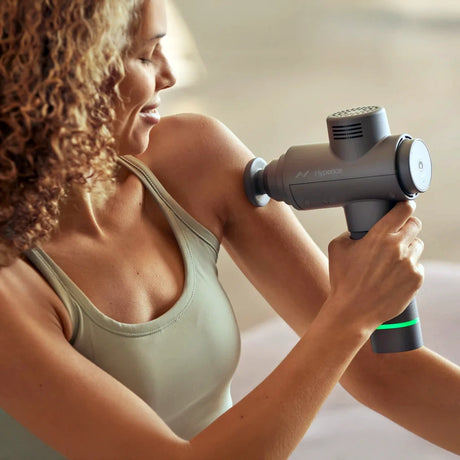
For years, Hyperice's Venom line dominated the personal heat therapy space with their signature HyperHeat technology and sleek marketing. Facilities defaulted to Venom because it was the recognized name, and individual athletes gravitated toward the brand's reputation for rapid heating and targeted coverage.
But here's what most facility managers missed in 2026: while everyone focused on Venom's brand recognition, a new generation of heat therapy alternatives emerged that deliver superior performance, better coverage, and significantly more value. Smart facility managers are discovering these alternatives aren't just cheaper copies — they're purpose-built solutions that address Venom's core limitations while offering features the original never considered. The question isn't whether alternatives exist, but whether you're ready to move beyond brand loyalty to find equipment that actually serves your facility's needs.
Understanding the Venom Heat Therapy Standard
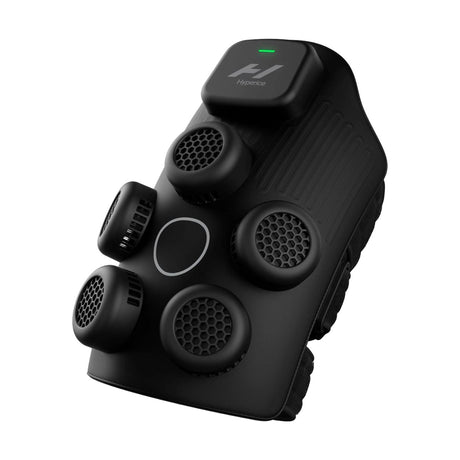
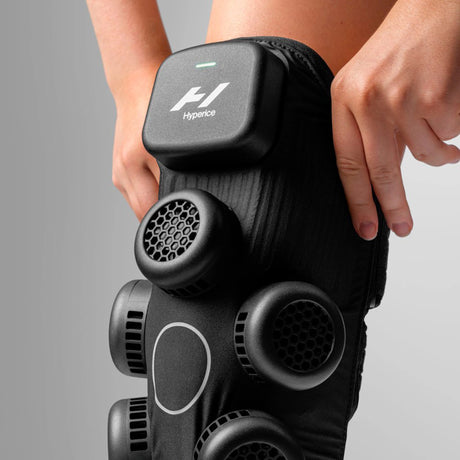
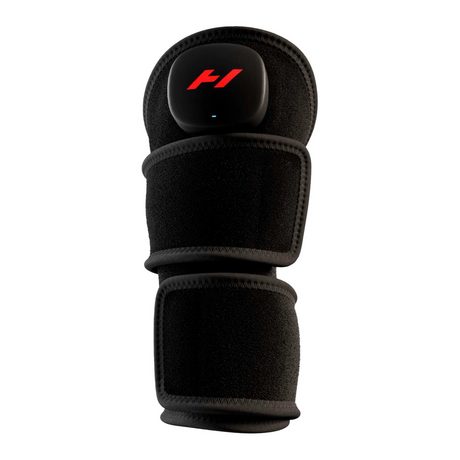
Hyperice built their reputation on solving heat therapy's fundamental problem: waiting around for traditional heating pads to warm up. The Venom 2 Back features HyperHeat technology that heats up six times faster than traditional heating pads, reaching temperatures up to 55°C (131°F) — a genuine breakthrough when it launched.
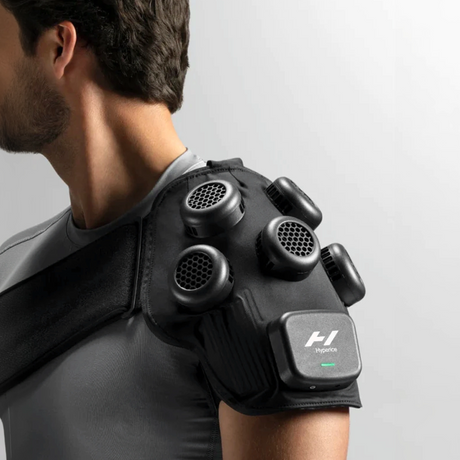
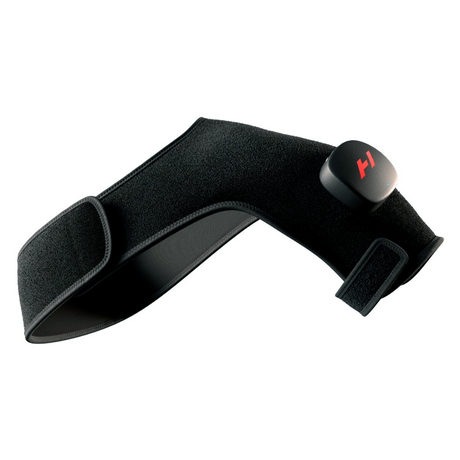
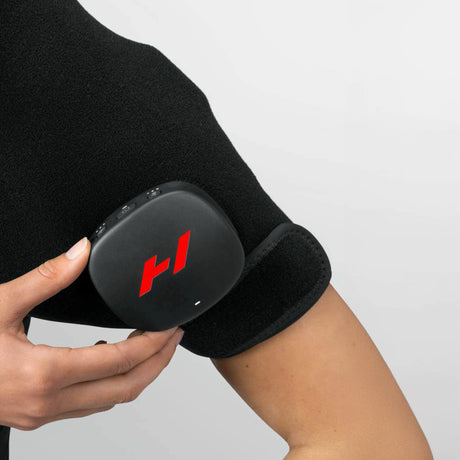
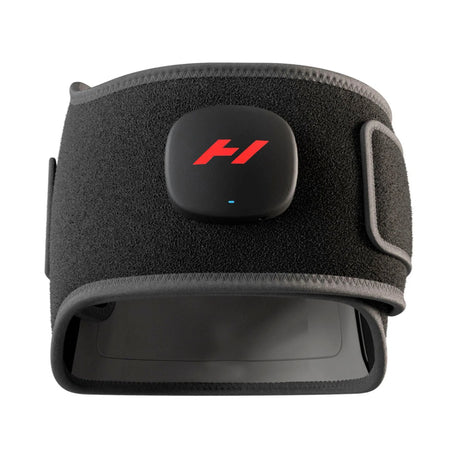
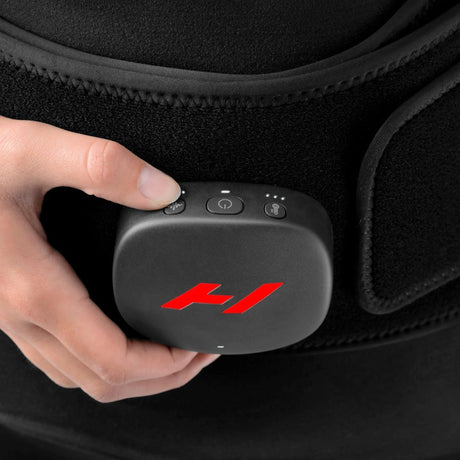
The specifications tell the story of Venom's market position. The Venom 2 Shoulder Wrap by Hyperice provides 94 square inches of treatment area, more than double the 44.5 square inches of its predecessor, while maintaining the rapid heat-up time that made the original popular. Battery life hits the 3-hour standard for premium recovery devices, and the wireless design eliminates the tethered experience that limited traditional heat therapy.

Venom 2 Shoulder Wrap by Hyperice — View Product
Venom's current lineup follows a body-part specific approach: the Venom 2 Back Wrap at $269, Venom 2 Leg Wrap at $269, and Venom 2 Shoulder Wrap at $269 for targeted applications, plus the more affordable Venom Go at $129 for basic heat therapy. This pricing structure reflects Hyperice's premium positioning but also reveals the first limitation: comprehensive coverage requires multiple device purchases.
The Venom approach excels for individual athletes who need targeted heat therapy for specific problem areas. The rapid heating eliminates downtime, the wireless operation allows movement during treatment, and the brand recognition provides confidence for athletes investing in recovery equipment. However, this single-zone focus creates gaps that alternatives have learned to exploit.
As a commercial equipment distributor, we see facilities moving beyond consumer-grade recovery devices toward professional solutions that can handle daily use. While Venom devices work well for personal use, they weren't designed for the durability demands of commercial facilities where multiple users cycle through equipment daily. The battery-dependent operation becomes problematic when devices need constant charging, and the single-zone coverage requires facilities to stock multiple units for comprehensive treatment options.
Most critically, Venom's design philosophy prioritizes portability over coverage area. This trade-off makes sense for traveling athletes but creates inefficiencies for facilities where space and power aren't constraints. Alternatives in 2026 have recognized these gaps and built solutions that maintain Venom's heating performance while addressing coverage, durability, and operational limitations that emerge in commercial settings.
Categories of Venom Alternative Solutions for 2026
2026 has brought heat therapy alternatives that extend far beyond Venom's single-zone approach, creating distinct categories that serve different recovery needs. Understanding these categories helps facility managers and individual users identify solutions that match their specific requirements rather than defaulting to brand recognition.

Full-body heat therapy systems represent the most significant departure from Venom's targeted approach. The Therabody RecoveryTherm offers 360-degree heat therapy treatment covering both lower back and core areas, compared to Venom's back-only coverage. These systems recognize that muscle tension and recovery needs rarely isolate to single zones — comprehensive coverage addresses interconnected muscle groups simultaneously, reducing overall treatment time while improving effectiveness.
Combination heat and cold therapy devices have emerged as the most sophisticated alternative category. While the complete Venom collection focuses exclusively on heat, these systems integrate both heat therapy for muscle relaxation and cold therapy for inflammation management. Heat therapy works by increasing blood flow and relaxing muscles, while cold therapy minimizes swelling — having both modalities in one system eliminates the need for separate equipment and allows for contrast therapy protocols that many professionals consider superior to single-modality treatment.
Commercial-grade heat therapy equipment designed specifically for facility installation represents another major category. These systems abandon portability for power, coverage, and durability. Professional infrared heat therapy panels can be wall-mounted or integrated into recovery rooms, providing consistent heat therapy without battery limitations or device management. The commercial approach recognizes that facilities need equipment that works continuously without the maintenance overhead of personal devices.
Budget-friendly alternatives maintain professional quality while addressing Venom's premium pricing. Heated massage chairs with targeted therapy zones combine heat therapy with mechanical massage, providing dual-modality recovery at price points that make comprehensive coverage affordable. These alternatives recognize that effective heat therapy doesn't require premium brand positioning — quality components and thoughtful design deliver therapeutic benefits regardless of marketing budget.
Smart rehabilitation systems represent the fastest-growing category, with robotic and smart rehabilitation systems projected to expand at a 12.85% CAGR, more than double the overall market pace to 2031. These systems integrate heat therapy with movement analysis, biometric monitoring, and protocol customization. Rather than treating heat therapy as an isolated intervention, smart systems use heat as one component of comprehensive recovery protocols that adapt to individual user needs and progress.
The demand for these alternative approaches reflects a fundamental shift in recovery thinking. Where Venom succeeded by solving the heat-up speed problem, 2026 alternatives address the broader question of how heat therapy integrates with complete recovery strategies. A 30% increase in demand for low-impact recovery tools shows that users want solutions that complement rather than complicate their existing recovery routines.
Top Venom Alternative Heat Therapy Devices: 2026 Analysis
The Therabody RecoveryTherm stands out as the most direct Venom alternative, but with a fundamental design philosophy difference. Where Venom targets specific body parts, the RecoveryTherm provides 360-degree heat therapy coverage for the entire torso region. This design eliminates the need for multiple devices while addressing the interconnected nature of back and core muscle groups that traditional single-zone therapy misses.
Professional infrared heat therapy panels represent the commercial-grade alternative for facilities ready to move beyond personal devices. These wall-mounted or ceiling-integrated systems provide consistent, powerful heat therapy without battery limitations. Unlike Venom devices that require individual management and charging, infrared panels operate continuously with minimal maintenance. The installation investment pays dividends for facilities where heat therapy becomes a daily service rather than occasional personal use.
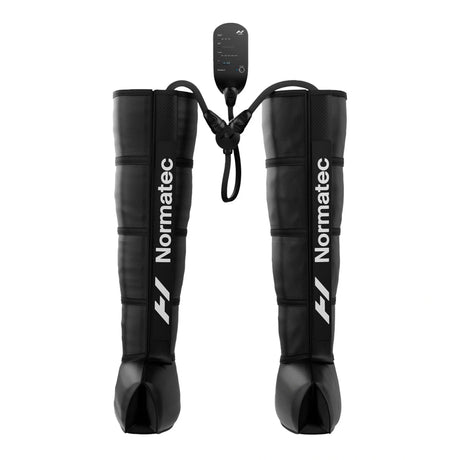
Combination recovery systems that integrate heat with compression therapy have gained significant traction in 2026. These systems recognize that effective recovery rarely relies on single modalities — heat therapy combined with pneumatic compression addresses both muscle tension and circulation simultaneously. While Venom requires separate compression device purchases, integrated systems provide comprehensive treatment in single sessions, reducing equipment costs and treatment complexity.
Budget alternatives focus on heated massage chairs with targeted therapy zones, providing dual-modality recovery that combines heat therapy with mechanical massage. These chairs typically cost less than purchasing multiple Venom devices while offering broader therapeutic benefits. The massage function addresses muscle knots and tension points that heat alone cannot reach, while integrated heat therapy provides the muscle relaxation and increased blood flow that Venom delivers.
Portable heat therapy solutions designed specifically for travel and mobile applications have emerged as practical Venom competitors. These devices maintain the portability advantage that made Venom popular while addressing battery life and coverage limitations. Some feature solar charging capabilities, extended battery life exceeding the standard 3-hour duration, and modular designs that allow coverage expansion without purchasing entirely separate devices.
The commercial viability of these alternatives reflects broader industry trends. 42% of business travelers refuse to book a property that lacks a high-quality fitness facility, creating demand for hotel and corporate fitness centers to offer recovery services that go beyond basic equipment. Professional wellness centers have transitioned from luxury perk to essential recruitment and retention tool, driving facility managers to seek heat therapy solutions that can handle multiple daily users while maintaining consistent performance.
What makes 2026 alternatives particularly compelling is their recognition that heat therapy effectiveness depends more on consistent application and appropriate coverage than brand recognition. Users report similar therapeutic benefits from well-designed alternatives at significantly lower costs, while facilities find that commercial-grade alternatives provide better long-term value through reduced maintenance requirements and improved durability.
The key differentiator isn't necessarily superior heating technology — most quality alternatives achieve similar temperatures and heat-up speeds to Venom devices. Instead, alternatives succeed by addressing the practical limitations that emerge during actual use: coverage gaps, battery management, device storage, and integration with broader recovery protocols. These operational advantages often prove more valuable than the rapid heating that initially made Venom attractive.
Commercial Facility Considerations: Beyond Personal Venom Devices
Personal devices like Venom simply don't scale for commercial use, regardless of their individual performance merits. The fundamental design assumptions behind consumer recovery devices — intermittent personal use, individual ownership, portable battery operation — break down when applied to facilities where equipment faces continuous daily use from multiple users.

Commercial-grade durability requirements create the first major gap between Venom and facility-appropriate alternatives. Consumer devices typically undergo testing for hundreds of use cycles, while commercial equipment must withstand thousands of cycles annually while maintaining consistent performance. The gap between residential and commercial-grade durability has widened significantly by 2026, as manufacturers recognize that facility equipment faces exponentially higher stress than personal devices.
Battery management becomes a logistical nightmare in commercial settings. While individual Venom users can manage charging cycles for their personal devices, facilities must coordinate charging for multiple units while ensuring availability during peak usage periods. Commercial alternatives eliminate this complexity by using direct power connections or advanced battery systems with hot-swappable components that maintain continuous operation.
Warranty considerations reveal another critical difference between personal and commercial applications. Consumer device warranties typically cover manufacturing defects but exclude wear from heavy use. From our experience outfitting commercial facilities, the maintenance and warranty considerations often outweigh the initial price difference when comparing alternatives. Commercial-grade heat therapy equipment comes with warranties that cover parts and labor for continuous use scenarios, while consumer devices may void warranties under commercial application.
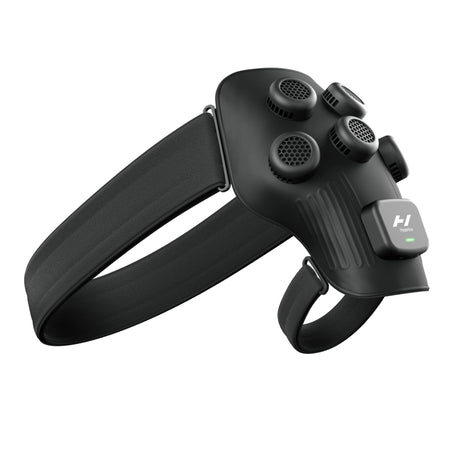
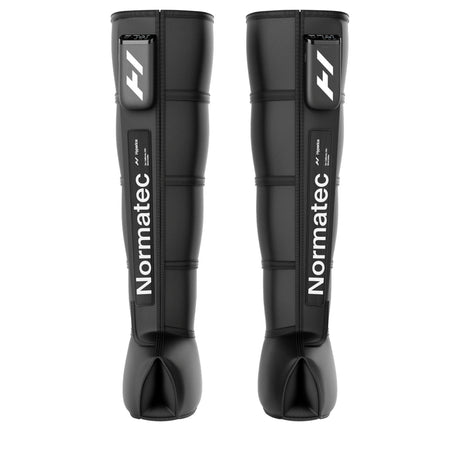
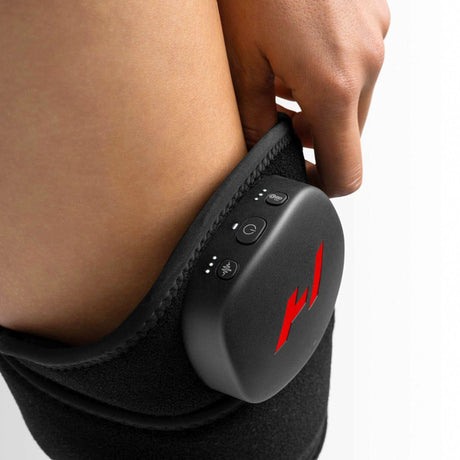
Installation and maintenance factors compound the scaling challenges. The Venom 2 Leg Wrap by Hyperice and similar devices require individual storage, charging infrastructure, and user training for each unit. Commercial alternatives can integrate into facility infrastructure — wall-mounted panels, built-in recovery stations, or centralized systems that eliminate per-device management overhead. Maintenance anxiety is the biggest concern for facility managers, making robust warranties covering parts and labor essential for equipment selection decisions.

Venom 2 Leg Wrap by Hyperice — View Product
Space planning considerations favor commercial alternatives over multiple personal devices. Facilities need predictable equipment footprints for layout planning and user flow optimization. Storing, charging, and organizing multiple Venom-style devices creates space inefficiencies that commercial alternatives avoid through integrated installation or consolidated equipment designs.
Integration with existing recovery equipment presents another commercial consideration. This aligns with research showing that active lifestyles supported by proper equipment significantly enhance longevity when recovery protocols are properly implemented. Professional facilities typically offer multiple recovery modalities — compression therapy, cold therapy, massage, and stretching areas. Commercial heat therapy alternatives can integrate with existing systems, sharing power infrastructure, user interfaces, and protocol management. Personal devices like Venom operate in isolation, requiring separate user interaction and creating protocol fragmentation.
ROI considerations favor commercial alternatives through reduced operational complexity and improved user experience. While initial investment may be higher, commercial systems eliminate ongoing device management costs, reduce staff training requirements, and provide more reliable service availability. The true cost comparison includes procurement, installation, training, maintenance, and replacement cycles — commercial alternatives typically provide superior long-term value despite higher upfront costs.
Most importantly, commercial equipment uses 11-gauge steel (3.05mm thick) providing rigidity that light-commercial units cannot match. This structural integrity ensures consistent performance under continuous use while personal devices may degrade quickly under facility stress levels.
Selection Criteria: Choosing the Right Alternative to Venom
Treatment area coverage represents the most fundamental alternative evaluation criterion. Venom's 94 square inches provides targeted therapy, but comprehensive recovery often requires broader coverage. Effective alternatives should cover interconnected muscle groups rather than isolated zones — back pain rarely exists without related hip, glute, or shoulder tension that single-zone therapy cannot address.
Heat-up time and temperature range determine practical usability. While Venom's six-times-faster heating provides a clear benchmark, alternatives that achieve similar heat-up speeds at competitive temperatures deliver equivalent therapeutic benefits. Maximum temperatures around 131°F (55°C) represent the therapeutic sweet spot — higher temperatures risk burns while lower temperatures reduce effectiveness. The key evaluation factor is consistent temperature maintenance throughout treatment sessions.
Battery life and power source considerations become critical for intended use scenarios. Personal users can manage 3-hour battery cycles, but facilities need either extended battery life or direct power connections. As detailed in recent analysis of ergonomic solutions for joint pain in senior living environments, the importance of consistent, reliable recovery equipment cannot be overstated. Evaluate power requirements against actual usage patterns — continuous daily use favors powered systems while intermittent personal use can accommodate battery limitations.
Durability and warranty evaluation requires understanding the gap between consumer and commercial applications. Commercial alternatives should offer warranties that specifically cover continuous use, multiple-user scenarios, and parts replacement. Consumer device warranties may void under commercial stress, creating unexpected replacement costs that eliminate initial savings from budget alternatives.
We've learned that facilities succeed when they focus on the 'Core Four' approach: ensuring recovery equipment integrates seamlessly with cardio, strength, and functional training zones. Heat therapy alternatives should complement existing equipment rather than creating operational silos. Integration capabilities include power sharing, space efficiency, user interface consistency, and protocol compatibility with existing recovery services.
Technology should enhance coaching, not replace human engagement — when tech replaces engagement, it fails. Evaluate alternatives based on how they support rather than complicate user interactions. Simple, intuitive controls that allow staff to guide users through heat therapy protocols prove more valuable than complex systems that require extensive technical training.
| Feature | Venom 2 Back | Therabody RecoveryTherm | Commercial Heat Panels |
|---|---|---|---|
| Treatment Area Coverage | 94 square inches (targeted) | 360-degree torso coverage | Full-body infrared coverage |
| Heat-Up Time | 6x faster than traditional | Similar rapid heating | Instant-on operation |
| Maximum Temperature | 131°F (55°C) | Similar therapeutic range | Adjustable up to 140°F |
| Battery Life | 3 hours standard | Extended battery options | Direct power (unlimited) |
| Warranty Coverage | Consumer grade | Enhanced coverage | Commercial warranty |
| Commercial Durability | Personal use design | Light commercial rated | Heavy commercial grade |
| Price Range | $269 per device | $400-600 comprehensive | $1200-3000 installed |
The selection process should prioritize use case matching over feature comparison. Personal users who need portable, targeted heat therapy may find Venom alternatives that maintain similar form factors while offering improved coverage or battery life. Facilities requiring comprehensive recovery services benefit more from commercial-grade alternatives that sacrifice portability for performance, durability, and operational efficiency.
Frequently Asked Questions
1. What makes a heat therapy alternative better than Venom devices?
Better alternatives address Venom's core limitations while maintaining therapeutic effectiveness. The primary advantages include broader coverage areas that treat interconnected muscle groups simultaneously, extended battery life or direct power options that eliminate charging management, and commercial-grade durability for facilities requiring continuous daily use. Alternatives also often integrate multiple recovery modalities rather than focusing solely on heat therapy.
2. Are commercial-grade heat therapy alternatives worth the higher investment?
For facilities serving multiple daily users, commercial alternatives provide superior long-term value despite higher upfront costs. Commercial equipment eliminates device management overhead, provides warranties covering continuous use, and offers consistent performance under heavy utilization. The total cost of ownership typically favors commercial alternatives when factoring in maintenance, replacement cycles, and operational efficiency over a 3-5 year period.
3. How do combination heat and cold therapy systems compare to Venom?
Combination systems provide comprehensive recovery protocols that single-modality devices cannot match. Heat therapy increases blood flow and relaxes muscles, while cold therapy reduces inflammation and swelling. Having both modalities in one system eliminates the need for separate equipment purchases while enabling contrast therapy protocols that many professionals consider more effective than heat-only treatment for comprehensive recovery.
4. What's the typical lifespan of Venom alternative devices in commercial use?
Commercial-grade alternatives typically provide 3-5 years of continuous operation under facility use, compared to 1-2 years for consumer devices under similar stress. Personal-use alternatives generally match or exceed Venom's durability while offering enhanced features. The key factor is matching device specifications to actual use patterns rather than assuming consumer devices will perform under commercial stress levels.
5. Can heat therapy alternatives integrate with existing recovery equipment?
Modern alternatives are designed for integration with existing recovery protocols and equipment. Commercial systems can share power infrastructure, user interfaces, and space with compression therapy, cold therapy, and massage equipment. This integration capability reduces facility complexity while providing comprehensive recovery services through coordinated equipment rather than isolated devices that require separate management and protocols.
6. What warranty coverage should I expect from quality Venom alternatives?
Quality alternatives offer warranties that specifically address intended use scenarios. Personal devices should include coverage for manufacturing defects and reasonable wear, while commercial alternatives must provide warranties covering continuous use, multiple users, and parts replacement. Avoid alternatives with generic consumer warranties if planning commercial application — these typically void under facility stress levels and heavy usage patterns.
7. How do I determine if a heat therapy alternative provides adequate coverage area?
Effective coverage should address interconnected muscle groups rather than isolated zones. Look for alternatives that provide at least 150-200 square inches of treatment area for comprehensive therapy, compared to Venom's 94 square inch targeted approach. Consider that back pain rarely exists without related hip, glute, or shoulder tension that single-zone therapy cannot address effectively.
8. Which heat therapy alternatives work best for travel and portable use?
Portable alternatives should maintain battery life exceeding 4-5 hours, offer modular designs for coverage expansion, and include charging options beyond standard wall outlets. Some feature solar charging capabilities, lightweight materials, and compact storage designs. The best travel alternatives balance portability with expanded coverage compared to Venom's single-zone approach while maintaining similar heat-up speeds and therapeutic temperatures.
Making the Smart Choice: Your Venom Alternative Strategy for 2026
The heat therapy landscape has evolved far beyond Venom's initial innovation, creating opportunities for smarter equipment choices that deliver superior value and performance. Alternatives now address the coverage limitations, durability concerns, and operational complexities that emerged as heat therapy moved from personal luxury to facility necessity.
Success requires matching device selection to specific use cases rather than defaulting to brand recognition. Personal users benefit from alternatives that maintain portability while expanding coverage or extending battery life. Facilities need commercial-grade solutions that prioritize durability, operational efficiency, and integration capabilities over consumer-focused features like extreme portability.
Future-proofing considerations favor alternatives that integrate with broader recovery ecosystems rather than operating in isolation. As recovery science advances and facilities adopt comprehensive wellness approaches, heat therapy equipment must complement rather than complicate existing services. The most successful 2026 alternatives position heat therapy as one component of integrated recovery protocols rather than standalone solutions.
Ready to explore heat therapy alternatives that exceed Venom's capabilities while delivering better value for your specific needs? Blue Sky Fitness Supply's recovery equipment collection includes commercial-grade heat therapy systems, combination modality devices, and integrated recovery solutions designed for both personal and facility applications. Our team understands the difference between consumer devices and commercial requirements — contact us to find alternatives that actually serve your recovery goals.