

Table of Contents:
- Why Shock-Absorbing Gym Floors Matter
- What Are Shock-Absorbing Gym Floors and How Do They Work?
- The Benefits of Shock-Absorbing Gym Floors
- Sound-Absorbing and Acoustical Mitigation Gym Flooring
- Choosing High-Impact Flooring with Shock Reduction for Your Gym
- Gym Vibration Isolation and Noise Reduction Strategies
- FAQs About Shock-Absorbing Gym Floors
- Creating a Safer, Quieter, and More Efficient Gym Environment
Why Shock-Absorbing Gym Floors Matter
Picture a busy gym: energy and determination fill the room, but so does a near-constant barrage of clanging weights and echoing vibrations. It's more than distracting — it's fatiguing, potentially unsafe, and can structurally damage the subfloor over time. Shock-absorbing gym flooring — whether rubber tiles, rolled rubber, or layered foam systems rated for drop zones — addresses this directly by dissipating impact energy before it transfers to the slab below. For gym owners dealing with noise complaints or vibration bleed into adjacent spaces, the right flooring system can reduce structure-borne sound transmission by up to 30 dB depending on material density and installation method.
Most people think gym flooring is purely about durability, but its real strength lies in noise control and impact absorption. The right flooring does more than protect your equipment or look professional — it keeps your space safer, quieter, and more enjoyable for everyone who walks in. Here's what you need to know about shock-absorbing gym floors and how they can transform your fitness space.
What Are Shock-Absorbing Gym Floors and How Do They Work?
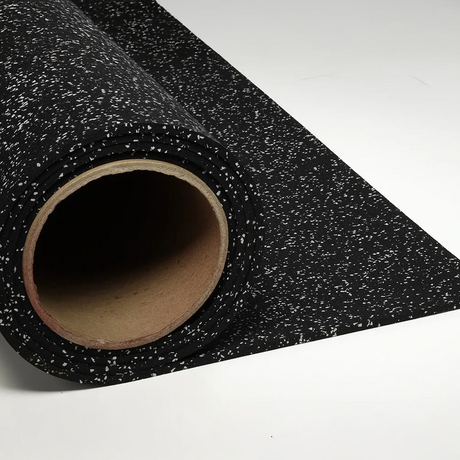
Shock-absorbing gym floors are more than padded surfaces — they're engineered systems designed for high-impact environments. Built from resilient materials like rubber, foam, or multi-layer composites, these floors compress and rebound under force, dispersing energy from dropped weights, heavy equipment, and high-intensity workouts. This protects athletes from potential injuries while minimizing strain on the building structure and reducing sound vibrations.
Each layer serves a distinct purpose. The topmost surface provides durability and grip, ensuring traction even during the most intense sessions. Beneath that lies the core: dense, elastic shock-absorbing layers that capture energy and prevent it from traveling through the floor. Some systems also incorporate acoustic underlayments to significantly cut noise — a critical feature for gyms in mixed-use buildings or noise-sensitive areas like urban neighborhoods.
Key Features That Make Shock-Absorbing Floors Essential
- Energy Dispersion: Weight drops and high-impact movements generate tremendous force. These floors diffuse that energy, preventing damage to athletes, equipment, and subfloors.
- Joint Protection: Reducing impact on knees, hips, and spine lowers the risk of chronic wear-and-tear injuries over time.
- Noise Control: Vibrations and echoes are dampened, creating a quieter, more focused experience for gym-goers and anyone working nearby.
The Benefits of Shock-Absorbing Gym Floors
1. Enhanced Safety and Injury Prevention
If you've felt the jarring impact of jumping or running on unforgiving flooring, you know the problem shock-absorbing gym floors solve. These surfaces provide critical cushioning that safeguards against injuries — from rolled ankles during agility drills to lingering joint pain from repetitive movements. For athletes, proper flooring can be the difference between a productive training session and weeks of recovery downtime.
2. Serious Noise Reduction
If you've been in a gym where weights drop like thunderclaps, you know how disruptive excessive noise can be. Soundproofing fitness floors minimize these disruptions by absorbing sound vibrations. Gyms in multi-level residential buildings benefit enormously from flooring systems that reduce both airborne sound and impact noise. Combining thick rubber tiles with acoustic underlayments amplifies these noise reduction benefits further.
3. Long-Term Durability and Value
Investing in quality gym flooring isn't about aesthetics — it's a long-term financial strategy. These floors endure relentless abuse from weights, machines, and constant foot traffic. Their resilience prevents costly floor repairs and extends the lifespan of gym equipment, making them a sound investment for any facility. Products like ECORE Athletic flooring are specifically engineered for this kind of commercial-grade durability.
Sound-Absorbing and Acoustical Mitigation Gym Flooring
Acoustical mitigation in a gym context means controlling two different sound paths: airborne noise (the crack of weights, music, shouting) and impact noise (the thud that travels through the structure). Most gym flooring addresses impact noise more effectively than airborne noise. Rubber flooring with a density of 60–80 lbs per cubic foot can reduce impact noise transmission meaningfully, but for full acoustical mitigation — particularly in multi-story buildings or shared commercial spaces — pairing the floor system with wall absorption panels is often necessary. If your primary concern is sound isolation for an upstairs gym or a unit in a mixed-use building, look for flooring products that list both STC (Sound Transmission Class) and IIC ratings on their spec sheets, not just thickness.
Soundproofing fitness floors has become a necessity, especially for urban gyms and multi-use buildings. Rubber flooring, known for its dense structure and high sound absorption coefficient, is the most common choice. Thicker tiles (8mm or more) work well for soundproofing, while layers of acoustic underlay beneath prevent vibrations from transferring to lower floors.
Layered Soundproofing Strategies
- Rubber and Foam Combos: Dual-material designs offer optimal sound absorption and shock dispersion.
- Acoustic Underlayment: Adding this below your main flooring ensures minimal vibration transfer to adjacent spaces.
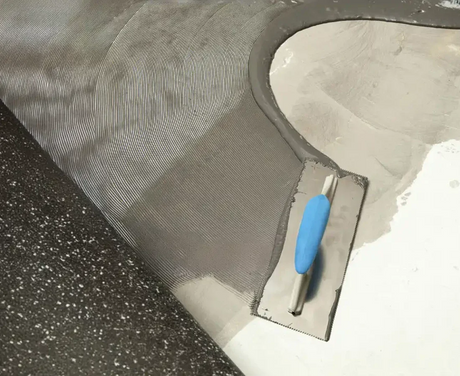
- Zoning: Dedicate thicker, high-impact exercise flooring to areas like free weight zones or HIIT studios where noise is highest. For guidance on selecting the right underlayment, see our gym flooring installation guide.
Choosing High-Impact Flooring with Shock Reduction for Your Gym
Not all gym flooring is created equal. When selecting shock-absorbing gym floors for your space, focus on these core factors:
| Factor | Why It Matters |
|---|---|
| Impact Rating | Determines how well the floor absorbs force — essential in weightlifting or plyometric areas. |
| Material Durability | Ensures the flooring withstands daily abuse while maintaining structural integrity over years of use. |
| Noise Reduction | Critical for both gym patrons and nearby tenants or businesses. |
| Thickness | Thicker flooring (8mm+) provides better shock absorption and sound dampening. Heavy free-weight areas may need 15mm or more. |
For a detailed comparison of flooring types and how they handle different use cases, read our guide to gym flooring options for home or commercial use.
Gym Vibration Isolation and Noise Reduction Strategies
Vibration isolation is a distinct problem from surface-level noise. When a 45-lb plate hits the floor, the impact creates structure-borne vibration that travels through the slab and into walls, ceilings, and adjacent rooms — often heard as a low-frequency thud rather than an airborne crack. Flooring systems designed specifically for gym vibration isolation typically use a decoupled two-layer construction: a dense rubber wear surface (at least 3/8") bonded to or floating above an elastomeric isolation layer. Look for products specifying an Impact Insulation Class (IIC) rating of 50 or higher for free-weight areas. Single-layer rubber mats rated only for surface cushioning will not provide meaningful vibration isolation between floors.
Strategic Zoning for Sound Control
Design your gym's layout to cluster high-impact zones — deadlift platforms, jumping areas, and heavy racks — away from quieter spaces such as cardio or yoga zones. This straightforward tactic significantly reduces sound bleed between areas.
Layered Flooring Systems
The most effective noise reduction strategies involve multiple layers of flooring. Combining thick rubber surfaces with advanced acoustic padding cancels noise and vibration far more effectively than a single-layer approach. Facilities that use eco-friendly rubber products also benefit from the sustainability angle — see our article on eco-conscious athletic flooring benefits for more.
Equipment Placement and Accessories
Beyond flooring, consider rubber bumper plates, deadlift platforms, and equipment mats under heavy machines. These accessories work in tandem with quality flooring to further reduce impact noise throughout your facility.
FAQs About Shock-Absorbing Gym Floors
1. What are the benefits of shock-absorbing gym floors?
Shock-absorbing gym floors offer:
- Safety: Minimize joint impact and reduce injury risk during high-intensity workouts.
- Noise Reduction: Dampen sound and vibrations, creating a quieter environment for gym-goers and neighboring areas.
- Durability: Engineered for heavy use, protecting both equipment and subfloors over time.
- Comfort: Provide a cushioned surface that reduces fatigue during long training sessions.
2. How do shock-absorbing gym floors improve workout safety?
They reduce impact on joints, muscles, and bones during exercises by cushioning movements like jumps, weight drops, and dynamic exercises. This lowers the risk of injuries such as joint strain or stress fractures. Their non-slip surface also prevents accidents from lost footing during intense activity.
3. What materials are used in shock-absorbing gym floors?
Common materials include:
- Rubber: Offers durability, noise absorption, and impact protection. The most popular choice for commercial facilities.
- Foam: Provides a cushioned layer for lighter activities where extreme durability isn't needed.
- Acoustic Underlayment: An added layer beneath the main surface to enhance soundproofing and vibration control.
4. How do shock-absorbing floors help with noise reduction?
They absorb and disperse vibrations caused by heavy equipment, weight drops, and high-impact movements. The dense, elastic materials — often combined with acoustic underlayments — trap sound waves and prevent them from traveling to adjacent areas. Gyms in multi-use buildings benefit most from this feature.
5. Are shock-absorbing floors durable enough for heavy equipment?
Yes. Their dense composition protects against wear and tear from weights, treadmills, and other gym machines. Quality rubber floors like those from ECORE Athletic can handle repeated heavy impacts for years without degrading.
6. Which areas of a gym benefit the most from shock-absorbing floors?
The areas with highest impact and noise:
- Weightlifting Zones: Protection from dropped weights and reduced noise.
- Cardio Areas: Cushioning for treadmill and high-impact exercise users.
- HIIT/CrossFit Spaces: Force absorption during plyometrics and dynamic movements.
- Yoga/Stretching Zones: Comfort and stability for floor-based exercises.
7. How do I choose the best shock-absorbing gym floors?
Consider these factors:
- Impact Rating: Match the flooring to the level of force it will handle.
- Material Durability: Opt for thick rubber or layered solutions for long-term commercial use.
- Noise Reduction: Ensure the flooring includes soundproofing properties if noise is a concern.
- Installation & Maintenance: Look for options that are straightforward to install and simple to clean.
8. Are shock-absorbing gym floors expensive?
While upfront costs may be higher than standard flooring, shock-absorbing floors save money over time by reducing replacement and repair expenses. Their durability, injury prevention, and noise-dampening capabilities make them a cost-effective long-term investment, especially for commercial gyms and shared spaces.
Creating a Safer, Quieter, and More Efficient Gym Environment
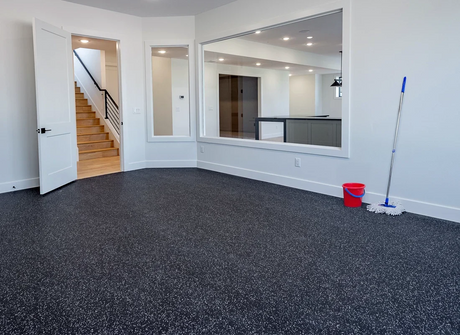
Shock-absorbing gym floors are the backbone of a well-equipped, functional fitness space. With their ability to reduce impact, protect joints, cut noise, and endure heavy use, these floors provide benefits that go well beyond aesthetics. For gym owners, they improve client satisfaction and safety while reducing long-term maintenance costs. For athletes, they offer the confidence to train harder and recover faster.
Whether you're upgrading an existing fitness center or building from the ground up, choosing the right flooring is one of the most impactful decisions you'll make. At Blue Sky Fit Supply, we carry a full selection of ECORE Athletic shock-absorbing flooring engineered for safety, durability, and noise reduction. From rolled rubber to interlocking tiles, we make it easy to find the right fit for your facility.
Ready to get started? Browse our flooring collection or reach out to our team for a personalized consultation.