
Table of Contents:
- The Professional Recovery Revolution
- What Is Normatec and How Does It Work?
- The Science Behind Normatec: What Research Really Shows
- Normatec Cost vs. Benefits: Breaking Down the Investment
- Is Normatec Worth It for Commercial Gyms and Fitness Centers?
- Personal and Athletic Use: When Normatec Makes Sense
- Normatec vs. Alternative Recovery Methods
- Frequently Asked Questions
- Frequently Asked Questions About Normatec Value
- Making the Smart Recovery Investment Decision
The Professional Recovery Revolution
When the Boston Red Sox, Celtics, and Lakers all invest in the same recovery technology, it catches attention. Normatec compression therapy systems have become standard equipment in professional sports facilities, with prices ranging from $899 for basic leg systems to $2,400 for full-body commercial units. These dynamic compression devices promise faster recovery, improved performance, and reduced muscle fatigue through targeted pneumatic pressure cycles.
But here's where it gets interesting. Despite widespread adoption among elite athletes and major sports franchises, the scientific evidence presents a more nuanced picture than the marketing might suggest. While research shows impressive 402% increases in blood flow and significant improvements in hemoglobin levels, other studies question whether these physiological changes translate to meaningful performance benefits for all athletes.
The real question isn't whether Normatec works — it's whether the investment makes sense for your specific situation. A $1,500 recovery system might be transformational for a commercial gym's member retention strategy, but unnecessary for a recreational runner who trains three times per week. Understanding this distinction determines whether Normatec represents smart recovery investment or expensive placebo effect.
Professional adoption tells part of the story. Teams with million-dollar athletes don't invest in equipment without clear return on investment. Yet the same technology serving NBA players might not deliver proportional benefits for weekend warriors. The gap between professional necessity and personal worth requires honest evaluation of training demands, recovery needs, and financial priorities.
What Is Normatec and How Does It Work?
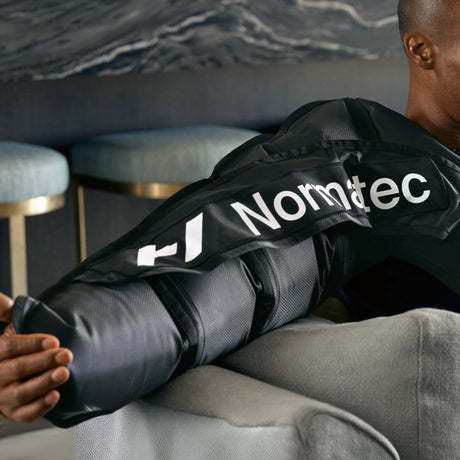
Normatec represents a sophisticated approach to pneumatic compression therapy, utilizing dynamic pressure patterns that mimic natural muscle contractions. The technology originated from medical applications for lymphedema treatment, where controlled compression helps move fluid through compromised circulatory systems. Sports medicine adopted these principles, recognizing that enhanced circulation could accelerate athletic recovery processes.

The system operates through sequential compression chambers that inflate and deflate in precise patterns. Starting at the extremities, pressure waves move toward the core, pushing blood and lymphatic fluid through vessels more efficiently than passive recovery allows. This biomimicry approach replicates the natural muscle pump mechanism that occurs during movement, maintaining circulation even during rest periods.
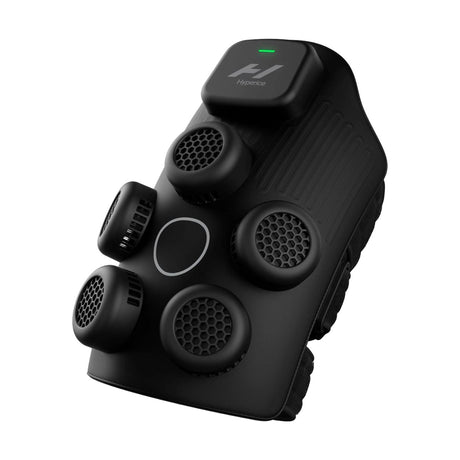
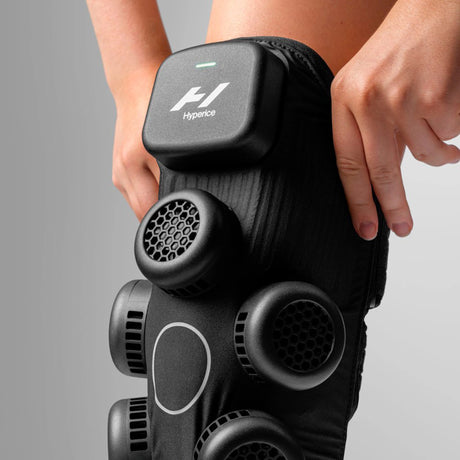
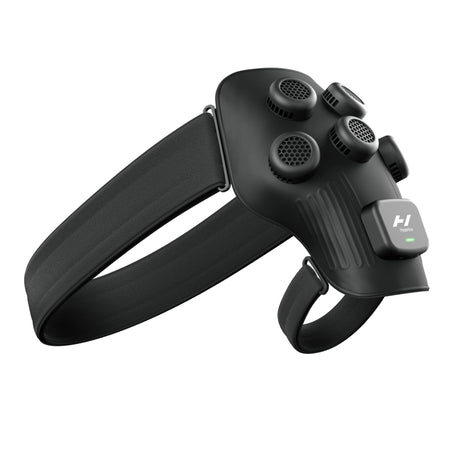
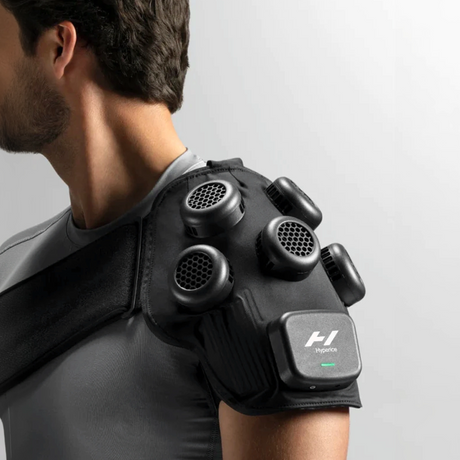
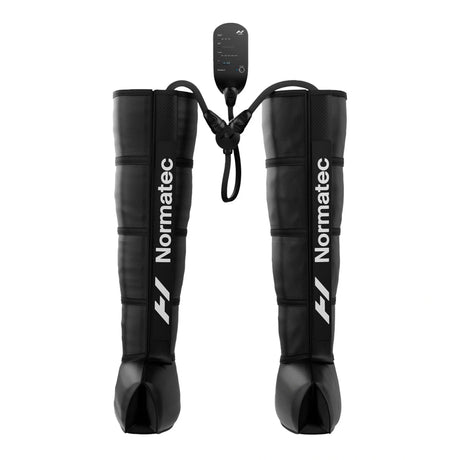
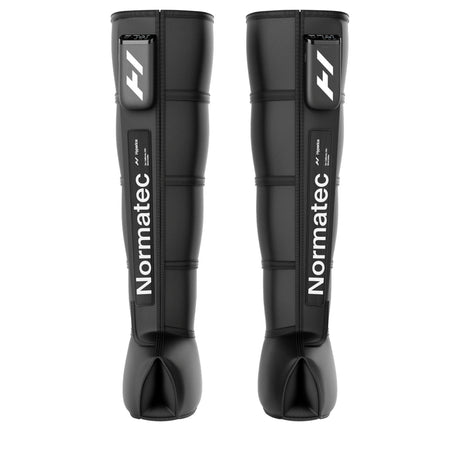
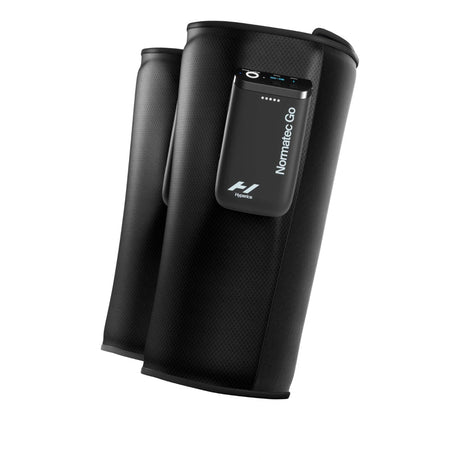
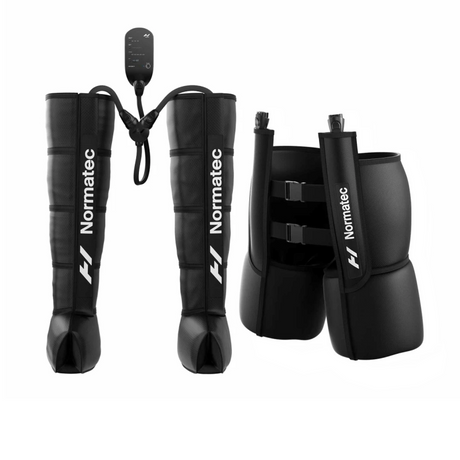
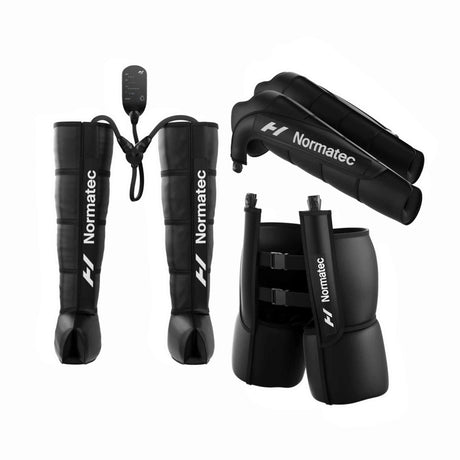
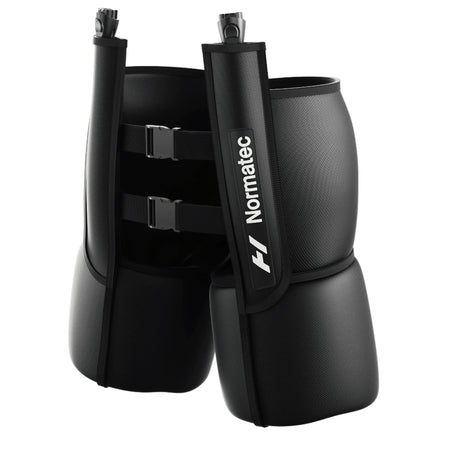
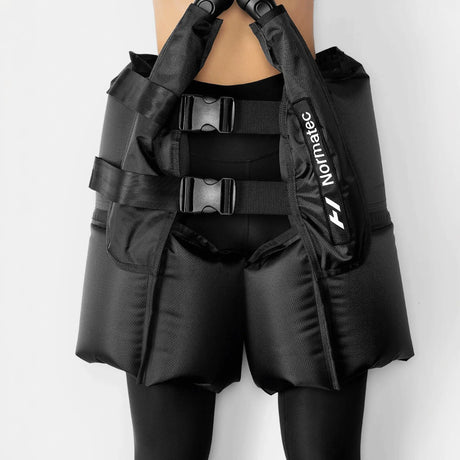
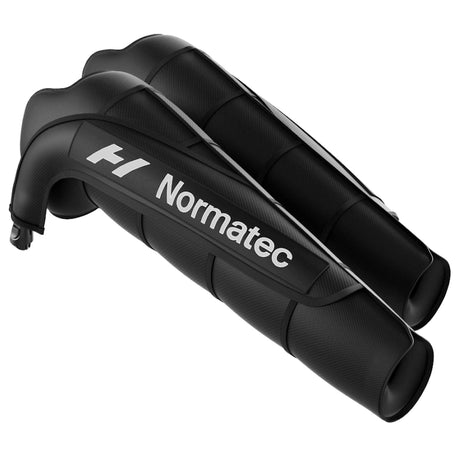
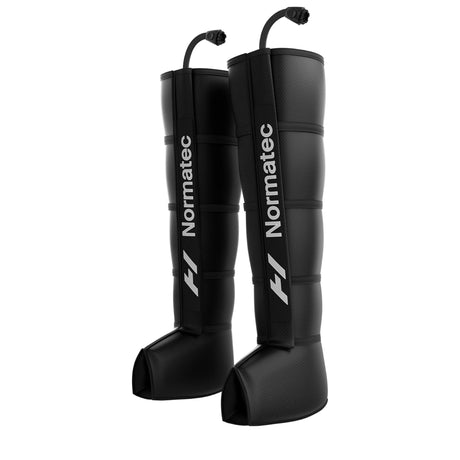
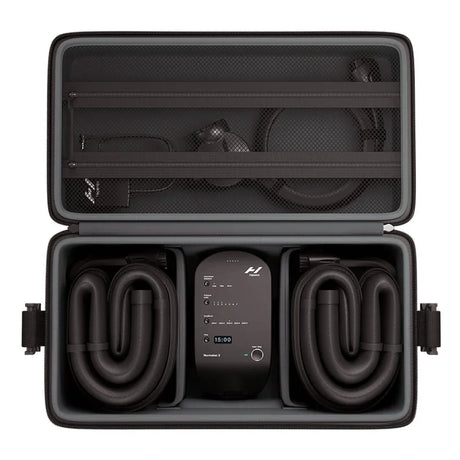
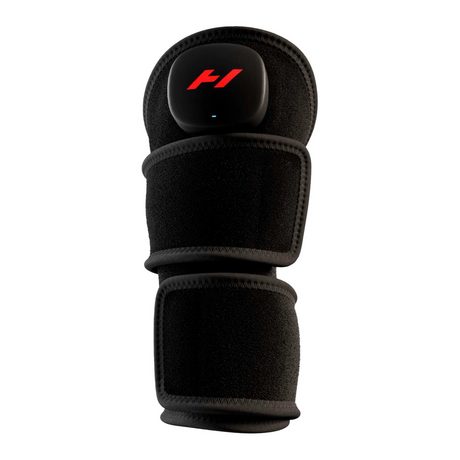
Current Normatec models include several configurations designed for different applications. The Normatec 3 Legs targets lower extremity recovery with hip-to-toe coverage, while the Normatec 3 Lower Body adds hip and glute compression zones. The Normatec 3 Full Body provides comprehensive coverage including arms, while the Elite model offers enhanced pressure control and durability features designed for commercial environments.
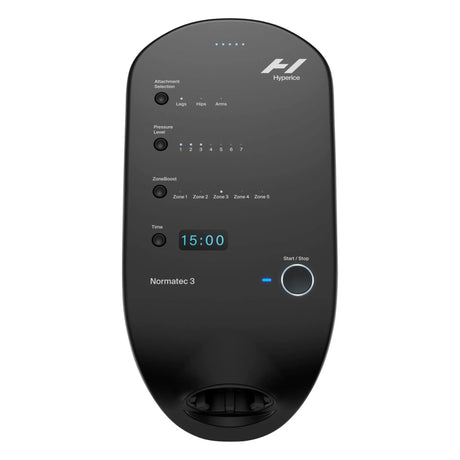
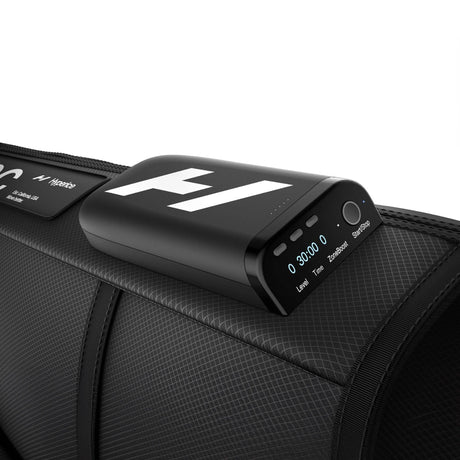
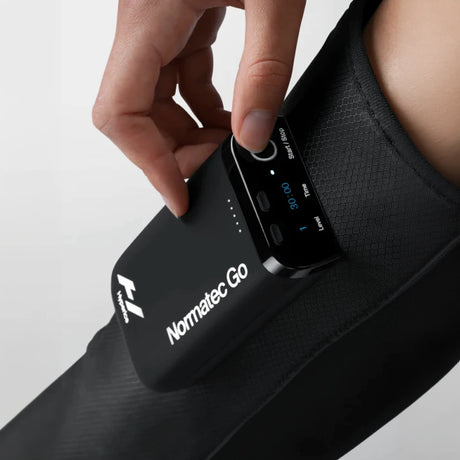
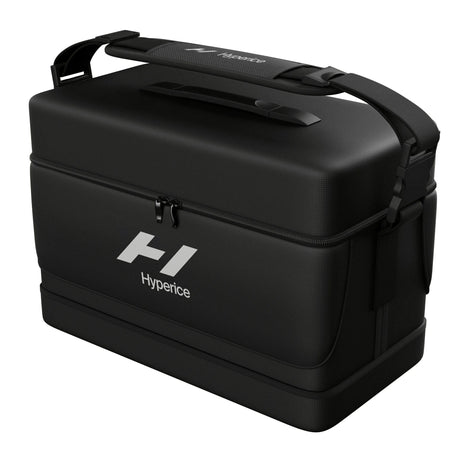
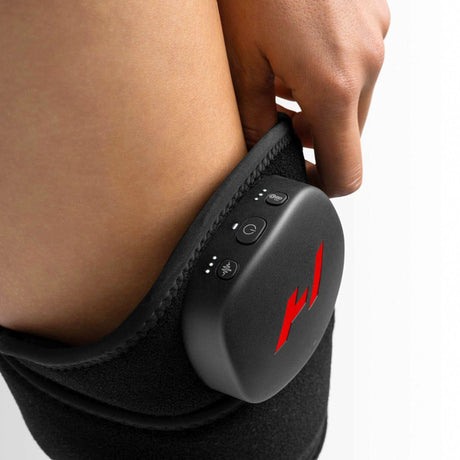
Sessions typically last 20-30 minutes, during which users experience graduated pressure that feels like a rhythmic massage. The control unit weighs just 3.2 pounds, making the system portable enough for home use or travel. Users can adjust pressure intensity across multiple zones, customizing the experience based on comfort preferences and specific recovery needs.
The technology's sophistication lies in its pressure sequencing algorithms. Rather than applying uniform compression, Normatec systems create pressure gradients that optimize venous return and lymphatic drainage. This graduated compression prevents blood pooling while promoting efficient fluid movement, addressing two primary factors in post-exercise recovery.
Attachments connect to a central control unit via proprietary connectors, ensuring consistent pressure delivery across all zones. The system's modular design allows users to target specific body regions while maintaining the sequential compression patterns that distinguish dynamic therapy from static compression garments.
Understanding these operational principles helps evaluate whether the technology addresses your specific recovery bottlenecks. Athletes dealing with circulation-related recovery issues may find significant benefits, while those primarily facing muscle damage or neurological fatigue might see less dramatic improvements from compression-based interventions.
The Science Behind Normatec: What Research Really Shows
The physiological effects of Normatec compression therapy show measurable impacts on circulation and blood chemistry. Research demonstrates that Normatec devices can increase blood flow in the popliteal artery by 402%, representing substantial enhancement of lower extremity circulation. This dramatic increase suggests the technology effectively addresses one primary recovery limitation: inadequate blood flow to exercised tissues.
Hemoglobin studies reveal additional circulation benefits. The same research shows 42% increases in oxygenated hemoglobin levels and 138% increases in total hemoglobin following Normatec sessions. These measurements indicate improved oxygen delivery capacity and enhanced blood volume in treated areas. For athletes struggling with circulation-related recovery delays, these physiological improvements could translate to meaningful performance benefits.
Blood lactate research provides another perspective on Normatec's recovery mechanisms. Studies comparing Normatec sessions to passive recovery consistently show reduced lactate levels in the compression therapy groups. Since elevated lactate correlates with metabolic fatigue and delayed recovery, this reduction suggests the technology helps clear exercise byproducts more efficiently than rest alone.
However, the research picture becomes more complex when examining muscle damage markers and functional performance outcomes. A PubMed study concluded that intermittent pneumatic compression was not effective for reducing exercise-induced muscle damage in endurance athletes. This finding highlights an important distinction: improved circulation doesn't necessarily prevent or repair structural muscle damage from intense training.
The disconnect between circulation improvements and muscle damage reduction suggests Normatec works best for specific recovery challenges. Athletes dealing with circulatory fatigue, swelling, or metabolic waste accumulation may see substantial benefits, while those primarily facing mechanical muscle damage might need additional recovery modalities.
Research methodology also influences interpretation of Normatec studies. Many positive findings come from acute studies measuring immediate post-session effects, while longer-term performance studies show more mixed results. This pattern suggests the technology provides immediate physiological benefits that may not always translate to sustained performance improvements.
The timing of compression therapy appears critical for maximizing benefits. Studies showing the strongest positive effects typically apply Normatec sessions immediately post-exercise, when circulation enhancement can most effectively address acute recovery needs. Delayed application shows diminished returns, suggesting optimal protocols require immediate post-training implementation.
Individual response variability represents another research consideration. While population studies show average improvements, individual responses range widely. Some athletes experience dramatic recovery benefits, while others notice minimal changes. This variability likely reflects differences in baseline circulation, training status, and specific recovery limitations.
Understanding these research nuances helps set realistic expectations for Normatec investment. The technology clearly improves acute circulation and metabolic clearance, but may not address all recovery challenges equally. Athletes and facilities should evaluate whether circulation enhancement aligns with their primary recovery bottlenecks before making investment decisions.
Normatec Cost vs. Benefits: Breaking Down the Investment
Normatec pricing reflects the technology's medical origins and commercial-grade construction. Current systems range from $999 for the Normatec Elite to $2,400 for full-body commercial configurations. The Normatec 3 Legs represents the entry point at $899, while the Normatec 3 Full Body reaches $1,549 for comprehensive coverage.

Breaking down cost per session reveals the long-term value proposition. A $1,500 system used four times weekly generates approximately $1.44 per session over two years, assuming typical commercial equipment lifespan. Compare this to professional massage therapy at $80-120 per session or cryotherapy at $30-50 per session, and the economics become compelling for frequent users.
Commercial gym operators face different ROI calculations. Top-performing gyms generate 30-40% of revenue from non-membership services, including recovery amenities like compression therapy. A Normatec system charging $25 per session needs only 60 monthly uses to generate $1,500 monthly revenue, covering equipment costs within 12-18 months.
However, many facility owners overlook the maintenance and replacement costs — Normatec systems typically need service every 18-24 months in commercial settings with high usage. Factor in replacement attachments, potential repairs, and cleaning supplies, and total ownership costs increase by approximately 15-20% annually beyond initial purchase price.
Hidden costs extend beyond maintenance considerations. Commercial installations require dedicated space, electrical infrastructure, and staff training for proper operation and sanitation protocols. Insurance considerations may also apply, particularly for facilities offering recovery services as billable amenities rather than complimentary member benefits.
The member retention angle provides additional ROI justification for commercial operators. Research shows 58% of gym members engage in wellness programs offered by their clubs, with recovery amenities ranking among the most valued services. Small reductions in member churn often outweigh short-term session revenue gains for gyms, making Normatec investment worthwhile even without direct profit generation.
Personal use calculations depend heavily on training volume and alternative recovery costs. Athletes currently spending $200+ monthly on massage, physical therapy, or other recovery services may find Normatec systems cost-neutral within six months. Recreational exercisers with minimal recovery expenses face longer payback periods that may not justify the investment.
Financing options can improve cash flow for both commercial and personal buyers. Many distributors offer equipment financing with terms ranging from 24-60 months, reducing upfront capital requirements. However, financing costs typically add 15-25% to total ownership expenses, requiring careful evaluation of payment structure versus immediate purchase benefits.
Resale value considerations affect long-term cost analysis. Well-maintained Normatec systems retain approximately 50-60% of purchase value after two years, providing partial cost recovery for users who decide to upgrade or discontinue use. This residual value improves the risk-adjusted return on investment, particularly for facilities testing recovery service demand.
Is Normatec Worth It for Commercial Gyms and Fitness Centers?
Commercial fitness facilities face unique considerations when evaluating Normatec investment beyond simple cost-per-session calculations. Recovery serves as the 'feel-good' layer that creates extra visits on non-training days, with behavioral lift compounding over time. Members who associate their facility with comprehensive wellness often increase visit frequency and extend membership duration, creating value that transcends direct recovery service revenue.
As distributors, we've seen gyms increase member engagement by 15-20% when they properly integrate recovery amenities like Normatec into their member journey rather than treating them as add-on services. The key lies in positioning compression therapy as part of a complete training experience, not an optional extra that requires separate decision-making and payment processing.
Integration strategies significantly influence ROI outcomes. Facilities that bundle Normatec sessions with personal training packages or premium memberships see higher utilization rates than those operating recovery services as standalone offerings. This bundled approach increases perceived membership value while ensuring consistent equipment usage that justifies initial investment costs.
Operational considerations extend beyond equipment purchase and installation. Staff training requirements include proper sanitation protocols, session timing optimization, and member education about compression therapy benefits. Facilities must also establish maintenance schedules, replacement part inventory, and equipment troubleshooting procedures to maintain consistent service availability.
Revenue generation models vary significantly across facility types. High-end clubs often include recovery services in premium membership tiers, using Normatec availability as a differentiation factor rather than direct profit center. Budget facilities typically charge per session, requiring higher utilization rates to achieve positive ROI but offering greater revenue scaling potential.
Member demographics strongly influence Normatec adoption rates within facilities. Facilities serving competitive athletes, older adults with circulation concerns, or high-stress professionals see significantly higher usage than those primarily serving casual exercisers. Understanding your member base helps predict utilization patterns and revenue potential before making equipment investments.
Space allocation represents another critical consideration. Normatec systems require dedicated areas with seating, electrical access, and adequate privacy for extended sessions. Facilities must balance recovery space against other revenue-generating areas, ensuring compression therapy zones don't cannibalize more profitable square footage dedicated to strength training or group fitness.
Insurance and liability considerations may apply depending on how facilities position recovery services. Amenities included in membership typically fall under standard facility insurance, while fee-based services may require additional coverage. Consult with insurance providers to understand potential liability exposure and coverage requirements before launching recovery programs.
The member retention impact often provides the strongest ROI justification for commercial Normatec investment. Facilities that successfully integrate compression therapy into their wellness ecosystem see reduced churn rates that can justify equipment costs even without direct session revenue. A 2% reduction in monthly attrition often generates more value than break-even session pricing for most commercial operators.
Personal and Athletic Use: When Normatec Makes Sense
Training volume serves as the primary indicator of whether Normatec investment makes sense for individual athletes. Quality of recovery is often the biggest performance limiter for typical athletes, more than equipment specifications. Athletes training 6+ hours weekly or competing in multiple events often find circulation-based recovery becomes a limiting factor in adaptation and performance progression.
Competitive athletes face different value calculations than recreational exercisers. Professional and semi-professional athletes whose income depends on performance may justify Normatec costs based on marginal gains that recreational users wouldn't notice or value. A 5% improvement in recovery rate could mean the difference between making a team roster or securing sponsorship opportunities for serious competitors.
Age considerations significantly influence recovery needs and compression therapy benefits. Athletes over 35 often experience decreased circulation efficiency and longer recovery times, making technologies like Normatec more valuable than for younger athletes with naturally efficient recovery systems. Older athletes may find the investment worthwhile even with moderate training volumes.
Injury history also affects Normatec value proposition. Athletes dealing with circulation-related injuries or chronic swelling may experience dramatic improvements from regular compression therapy. Conditions like chronic compartment syndrome, lymphatic dysfunction, or venous insufficiency can make Normatec essential rather than optional for continued athletic participation.
Lifestyle factors beyond training influence recovery needs and equipment worth. Athletes with demanding careers, travel schedules, or family obligations may struggle to implement traditional recovery methods like extended sleep, massage, or ice baths. Normatec's convenience and time efficiency can make it worthwhile even for moderate training volumes when other recovery options prove impractical.
Geographic considerations affect alternative recovery access and associated costs. Athletes in rural areas or locations with limited sports medicine resources may find Normatec more valuable than those with easy access to massage therapists, physical therapy clinics, or recovery centers. The technology provides professional-level recovery capabilities regardless of location constraints.
Budget allocation requires honest assessment of recovery priorities and alternative uses for $1,000-2,400 investment. Athletes might achieve greater performance benefits from coaching, nutrition consulting, or equipment upgrades depending on their current limiting factors. Normatec makes most sense when circulation and metabolic recovery represent primary performance bottlenecks rather than technical skills or training periodization issues.
Personal response to compression therapy varies significantly between individuals. Some athletes experience immediate benefits and integrate Normatec into daily routines, while others find minimal subjective improvements. Consider trying professional compression therapy sessions before purchasing personal equipment to gauge individual response patterns and preferences.
The convenience factor often determines long-term usage patterns for personal Normatec systems. Athletes who consistently use the technology 3+ times weekly typically report positive ROI within 6-12 months, while those using it sporadically may struggle to justify the investment. Honest self-assessment of likely usage frequency helps predict whether equipment purchase makes financial and practical sense.
Normatec vs. Alternative Recovery Methods: What's Actually Worth Your Money?
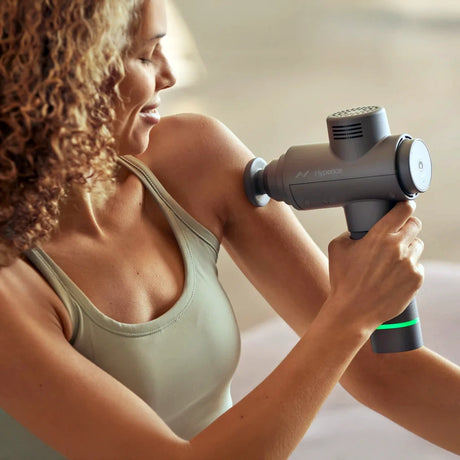
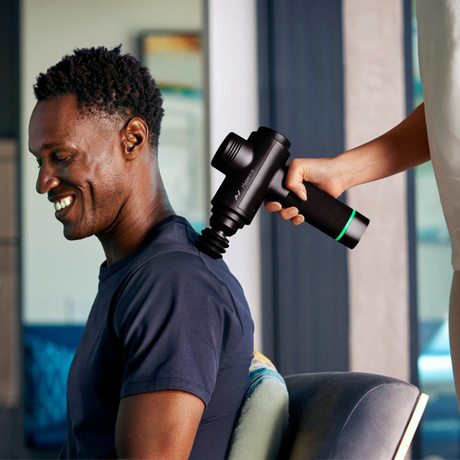
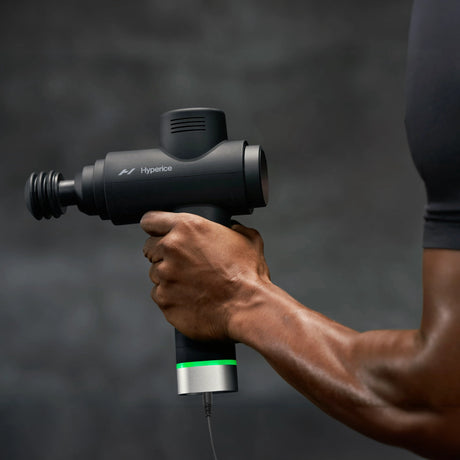
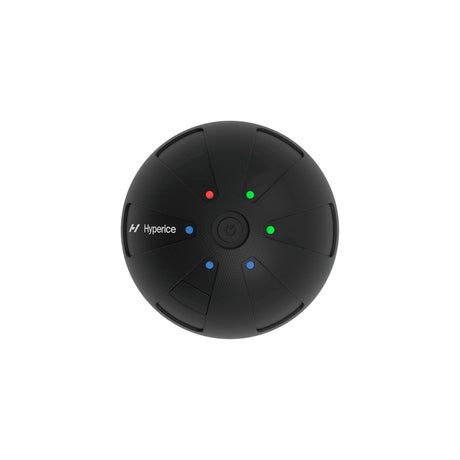
Percussion therapy devices like Theragun and Hypervolt offer different recovery mechanisms at significantly lower price points than Normatec systems. Percussion therapy targets muscle tissue directly through high-frequency vibrations, potentially addressing muscle tension and trigger points that compression therapy cannot reach. However, percussion devices don't provide the circulation benefits that make Normatec particularly effective for metabolic recovery and swelling reduction.
Cost comparison reveals substantial differences between recovery modalities. Quality percussion devices range from $200-600, making them accessible for athletes testing recovery technology benefits. Normatec systems require 3-5 times greater investment, demanding higher usage frequency and more specific recovery needs to justify the expense difference.
Cold therapy represents another established recovery approach with different physiological effects than compression therapy. Ice baths, cold plunges, and cryotherapy chambers primarily work through vasoconstriction and anti-inflammatory mechanisms rather than circulation enhancement. Some athletes find combining cold therapy with subsequent compression therapy provides synergistic benefits, addressing both inflammation and circulation optimization.
Massage chairs offer automated soft tissue manipulation that targets muscle tension and circulation simultaneously. Premium massage chairs cost $3,000-8,000, placing them in similar investment territory as high-end Normatec systems. However, massage chairs provide broader therapeutic benefits including stress reduction, muscle relaxation, and spinal alignment that compression therapy alone cannot address.
Traditional massage therapy remains the gold standard for comprehensive soft tissue treatment, addressing muscle tension, fascia restrictions, and psychological stress simultaneously. While individual sessions cost $80-150, monthly massage therapy expenses often exceed Normatec ownership costs for frequent users. Skilled massage therapists can also identify and address specific problem areas that automated devices might miss.
Recovery zones work best when integrated into member experience rather than treated as separate amenity. This principle applies equally to personal recovery setups, where combining multiple modalities often provides superior results to relying on single technologies. Athletes might benefit from alternating Normatec sessions with percussion therapy, stretching, or other recovery methods.
Sauna and heat therapy offer circulation benefits through different mechanisms than compression therapy. Heat exposure increases blood flow through vasodilation while promoting sweating and stress reduction. Infrared saunas cost $3,000-15,000 for home installation, competing with Normatec for recovery equipment budgets while providing additional wellness benefits beyond athletic recovery.
The timing and sequencing of different recovery methods influence their relative effectiveness. Cold therapy immediately post-exercise followed by compression therapy 2-4 hours later may provide superior recovery to either method alone. Understanding these interaction effects helps optimize recovery protocols and equipment selection for specific athletic demands.
Practical considerations often determine which recovery methods athletes consistently use long-term. Normatec's convenience and consistent delivery make it appealing for busy athletes, while methods requiring setup time, travel, or variable service quality may see declining usage despite theoretical benefits. The best recovery method is ultimately the one athletes actually use consistently.
Budget allocation strategies should consider the recovery hierarchy for individual needs. Athletes primarily dealing with muscle tension might prioritize percussion therapy or massage, while those facing circulation challenges could benefit most from compression therapy. Identifying primary recovery limitations helps direct limited budgets toward the most impactful interventions rather than pursuing comprehensive but underutilized recovery arsenals.
This is particularly relevant when considering high-quality equipment investments across multiple aspects of fitness and recovery. Smart buyers evaluate their entire training ecosystem to determine where their budget will have the greatest impact.
Frequently Asked Questions
1. How long does Normatec equipment last with regular use?
Normatec systems typically provide 3-5 years of reliable service with proper maintenance and moderate personal use. Commercial environments with high daily usage may require service or replacement after 18-24 months due to accelerated wear on compression chambers and control unit components. Hyperice offers warranty coverage and replacement part availability to extend equipment lifespan, though replacement costs should factor into total ownership calculations.
2. Can I see immediate results from Normatec sessions?
Most users notice immediate effects including reduced muscle tension, decreased swelling, and improved circulation sensations during and immediately after sessions. However, performance benefits typically develop over 2-4 weeks of consistent use as circulation improvements compound and recovery efficiency increases. Athletes should expect gradual adaptation rather than dramatic overnight changes in training capacity or soreness levels.
3. Is Normatec more effective than professional massage therapy?
Normatec and massage therapy address different recovery mechanisms and often work synergistically rather than as direct substitutes. Massage provides targeted soft tissue manipulation, trigger point release, and psychological relaxation that compression therapy cannot replicate. Normatec excels at circulation enhancement and metabolic waste clearance that manual massage may not achieve consistently. Many athletes find combining both methods provides superior recovery to either approach alone.
4. What's the difference between various Normatec models?
The Normatec 3 Legs covers hip to toe with basic pressure controls, while the Normatec 3 Lower Body adds hip and glute compression zones for more comprehensive lower body treatment. The Normatec 3 Full Body includes arm attachments for complete coverage, and the Elite model offers enhanced pressure control, commercial-grade durability, and extended warranty coverage designed for high-usage environments.
5. How often should I use Normatec for optimal benefits?
Most athletes see optimal results with 3-4 sessions weekly, particularly when timed within 2 hours post-training. Daily use is safe and may benefit athletes with high training volumes or specific circulation challenges. Less frequent use (1-2 times weekly) may provide some benefits but typically doesn't justify equipment investment costs compared to occasional professional recovery services.
6. Can Normatec replace other recovery methods entirely?
Compression therapy addresses specific recovery mechanisms but shouldn't replace comprehensive recovery strategies including adequate sleep, proper nutrition, and appropriate training periodization. Normatec works best as part of a multi-modal recovery approach rather than as a standalone solution for all recovery needs.
7. Is Normatec safe for daily use over long periods?
Research supports daily Normatec use safety for healthy individuals when sessions follow manufacturer guidelines for pressure settings and duration. However, individuals with circulation disorders, blood clots, or other medical conditions should consult healthcare providers before beginning regular compression therapy protocols.
8. What warranty protection comes with Normatec systems?
Hyperice provides standard manufacturer warranties covering defects and component failures, with extended warranty options available for commercial applications. Warranty terms vary by model and usage type, with commercial installations typically requiring enhanced coverage due to higher usage volumes and accelerated wear patterns.
Frequently Asked Questions About Normatec Value
How long does Normatec equipment last with regular use?
Normatec systems typically provide 3-5 years of reliable service with proper maintenance and moderate personal use. Commercial environments with high daily usage may require service or replacement after 18-24 months due to accelerated wear on compression chambers and control unit components. Hyperice offers warranty coverage and replacement part availability to extend equipment lifespan, though replacement costs should factor into total ownership calculations.
Can I see immediate results from Normatec sessions?
Most users notice immediate effects including reduced muscle tension, decreased swelling, and improved circulation sensations during and immediately after sessions. However, performance benefits typically develop over 2-4 weeks of consistent use as circulation improvements compound and recovery efficiency increases. Athletes should expect gradual adaptation rather than dramatic overnight changes in training capacity or soreness levels.
Is Normatec more effective than professional massage therapy?
Normatec and massage therapy address different recovery mechanisms and often work synergistically rather than as direct substitutes. Massage provides targeted soft tissue manipulation, trigger point release, and psychological relaxation that compression therapy cannot replicate. Normatec excels at circulation enhancement and metabolic waste clearance that manual massage may not achieve consistently. Many athletes find combining both methods provides superior recovery to either approach alone.
What's the difference between various Normatec models?
The Normatec 3 Legs covers hip to toe with basic pressure controls, while the Normatec 3 Lower Body adds hip and glute compression zones for more comprehensive lower body treatment. The Normatec 3 Full Body includes arm attachments for complete coverage, and the Elite model offers enhanced pressure control, commercial-grade durability, and extended warranty coverage designed for high-usage environments.
| Feature | Normatec 3 Legs | Normatec 3 Lower Body | Normatec 3 Full Body | Normatec Elite |
|---|---|---|---|---|
| Price Point | $899 | $1,149 | $1,549 | $999 |
| Coverage Area | Hip to toe | Hip, glute, legs | Arms, hip, legs | Hip to toe |
| Session Duration | 20-30 minutes | 20-30 minutes | 20-30 minutes | 20-30 minutes |
| Portability | High (3.2 lbs) | Medium | Low | High (3.2 lbs) |
| Commercial Durability | Moderate | Moderate | Moderate | Enhanced |
| ROI Timeline | 6-12 months | 8-14 months | 10-18 months | 6-12 months |
How often should I use Normatec for optimal benefits?
Most athletes see optimal results with 3-4 sessions weekly, particularly when timed within 2 hours post-training. Daily use is safe and may benefit athletes with high training volumes or specific circulation challenges. Less frequent use (1-2 times weekly) may provide some benefits but typically doesn't justify equipment investment costs compared to occasional professional recovery services.
Can Normatec replace other recovery methods entirely?
Compression therapy addresses specific recovery mechanisms but shouldn't replace comprehensive recovery strategies including adequate sleep, proper nutrition, and appropriate training periodization. Normatec works best as part of a multi-modal recovery approach rather than as a standalone solution for all recovery needs.
Is Normatec safe for daily use over long periods?
Research supports daily Normatec use safety for healthy individuals when sessions follow manufacturer guidelines for pressure settings and duration. However, individuals with circulation disorders, blood clots, or other medical conditions should consult healthcare providers before beginning regular compression therapy protocols.
What warranty protection comes with Normatec systems?
Hyperice provides standard manufacturer warranties covering defects and component failures, with extended warranty options available for commercial applications. Warranty terms vary by model and usage type, with commercial installations typically requiring enhanced coverage due to higher usage volumes and accelerated wear patterns.
Making the Smart Recovery Investment Decision
The evidence supports Normatec investment for specific use cases while revealing limitations for others. Athletes training 6+ hours weekly who struggle with circulation-related recovery challenges often find the technology transformational. Commercial facilities serving competitive athletes or older adults typically see positive ROI through both direct revenue and member retention benefits.
However, recreational exercisers and facilities serving primarily casual fitness enthusiasts may struggle to justify the investment. The technology excels at addressing circulation and metabolic recovery but doesn't replace comprehensive approaches including proper sleep, nutrition, and training periodization. Worth ultimately depends on whether circulation enhancement addresses your primary recovery bottlenecks.
For commercial operators, the decision often hinges more on member experience and retention than direct session revenue. Facilities that successfully integrate compression therapy into comprehensive wellness programs see the strongest returns, while those treating it as standalone amenity often struggle with utilization and profitability.
Personal users should honestly assess training demands, current recovery expenses, and likelihood of consistent usage before investing. The technology provides measurable physiological benefits, but these translate to performance improvements primarily for athletes whose circulation represents a limiting factor in recovery and adaptation.
Ready to explore how Normatec compression therapy could enhance your facility's recovery offerings? Blue Sky Fitness Supply offers comprehensive selection and expert guidance to help you make the right investment decision for your specific needs.