

Table of Contents:
Imagine this: your gym is packed with energy, weights are clanging, and treadmills are humming with power. But underneath it all—the foundation to every step, every lift, every drop—is your flooring. Now, here's the thing: not all gym floors are created equal. The wrong choice can lead to expensive repairs, unbearable noise levels, or, worse, safety hazards. That's where rubber flooring benefits come in to save the day.
Sure, a gym floor might not be the first thing you think about when optimizing a workout space, but skipping the right flooring could be one of the biggest mistakes gym owners make. And the surprising twist? The durability of rubber gym floors, their ability to provide noise reduction in weight rooms, and the slip resistance of rubber surfaces are just the beginning of why rubber flooring is dominating fitness centers worldwide.
Stay with us as we uncover not just the obvious perks, but also the game-changing reasons why rubber flooring is ideal for gyms. Whether you're a seasoned gym owner or someone building their dream home fitness space, these insights will reshape how you think about what's underfoot. Let's dive in!

The Game-Changing Benefits of Rubber Flooring for Gyms
When it comes to gym flooring, the choice you make directly impacts safety, functionality, and durability. Rubber flooring outshines other options thanks to its unique combination of features that gym owners and fitness enthusiasts can't afford to ignore. Below, we break down the rubber flooring benefits that make this material the unmatched champion of workout spaces.
1. Unmatched Durability: Rubber Floors Can Last Decades
Heavy equipment. Constant foot traffic. Dropped weights. Your gym floor endures relentless punishment daily. That's why the durability of rubber gym floors is a cornerstone benefit to consider. Today's rubber is engineered to handle intense wear and tear without cracking, peeling, or becoming damaged. One factor that significantly influences longevity is rubber composition: vulcanized rubber, which forms stronger molecular bonds during the curing process, tends to outlast standard recycled rubber under heavy-use conditions. It does carry a stronger initial odor — plan to ventilate the space well for the first two weeks after installation. For a deeper look at how leading brands compare on durability, see our comparison of ECORE vs Regupol vs Mondo rubber gym flooring.
In fact, when properly maintained, rubber flooring can easily last up to 20 years, even in high-traffic facilities. This long lifespan minimizes costly replacements or time spent dealing with repairs, making rubber flooring as economical as it is tough.
2. Superior Noise Reduction: Tame the Clanging Chaos
Whether it's the deafening thud of a barbell or the hum of cardio equipment, gyms are known for their noise. This is where a noise reducing rubber floor can really shine.
Many top-tier rubber floors boast sound-dampening capabilities, reducing noise levels by as much as 38 decibels. This benefit is especially critical in multi-story gyms or home setups where neighbors or residents might have noise and vibration concerns. If your facility is in a multi-story building, it's worth checking local building codes — acoustic underlayment under rubber flooring is often required, and factoring that into your quote upfront prevents budget surprises later. Products like the ECORE Performance dBTile Rubber Tile with 2.5" Acoustic Flooring are specifically engineered for these high-acoustic-demand environments and can be an efficient solution for facilities facing strict noise compliance requirements.
Here's the secret: the dense, naturally elastic properties of rubber absorb sound waves, controlling unwanted echoes while cushioning impact vibrations. The result? A smoother, quieter environment—not only for those working out but for everyone in the building.
3. Safety First: The Slip Resistance Gym-Goers Need
No matter how inspiring your gym looks, safety should never take a backseat. The slip resistance of rubber surfaces offers an essential layer of protection in fitness environments frequently exposed to sweat, spills, or humidity.
Rubber features a high coefficient of friction, ensuring users maintain a stable footing even during rigorous activity or in wet conditions.
For added peace of mind, rubber's natural grip allows movements like plyometrics or agility drills to be performed with confidence, reducing the risk of both slips and strain-related injuries.
4. Force Reduction: Protect Your Joints and Equipment
Why does the material underfoot matter so much? Because rubber flooring contributes to overall body wellness. Its shock-absorption properties help mitigate the impact of high-intensity exercises, reducing stress on athletes' joints while simultaneously shielding your gym equipment from excessive wear and tear.
Compare this to hard concrete or traditional wood flooring, which can wreak havoc on knees, ankles, and high-dollar machines over time. Opting for rubber ensures that every dumbbell drop or burpee lands on a forgiving surface designed for endurance and performance. One practical note on thickness: 6mm rolls are appropriate for yoga or stretching zones, but free weight areas where barbells may be dropped require a minimum of 8mm — and 14.5mm options like the ECORE Performance Rally Rubber Roll or the ECORE Performance Beast Plus Rubber Roll are purpose-built for exactly that kind of impact load in commercial settings.
5. Fuss-Free Maintenance: Spend Less Time Cleaning
Let's face it: sweaty workouts and bustling gyms can turn flooring into a breeding ground for dirt and grime. But rubber flooring boasts a low-maintenance profile, which is another of its standout qualities. Routine cleaning generally just involves sweeping away dirt and mopping with a mild all-purpose cleaner.
Another noteworthy consideration is whether a rubber floor is porous or non-porous. At Blue Sky Fitness Supply, we only sell flooring made of porous rubber. This technology coupled with anti-microbial properties allows water spills and sweat to safely dissipate without accumulating on the floor's surface, making maintenance and cleaning easier than ever.
6. Eco-Friendly Innovation: Helping the Planet
Did you know that many rubber flooring products like those made by ECORE Athletic are crafted from recycled materials like car tires? Yes, choosing rubber flooring isn't just a win for your gym—it's a win for the environment. Not all recycled rubber is created equal, though: the ratio of post-consumer to post-industrial content affects both performance and environmental impact. Post-consumer content (materials that were actually used and discarded, like old tires) represents a higher diversion from landfill than post-industrial offcuts. When evaluating products, it's worth asking suppliers about that breakdown — it's a detail most buyers overlook.
This makes rubber a sustainable, green flooring option. By opting for recycled rubber, gym owners contribute to reducing waste while securing a durable and high-performing material. It's fitness done responsibly.
7. Customizable Aesthetics to Match Your Brand
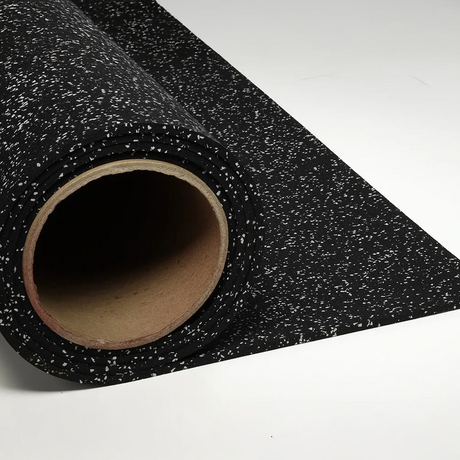
Who said durability and aesthetics don't mix? Modern rubber flooring options come in a plethora of colors, patterns, and thicknesses, making it easy to customize a gym's vibe or match a team's colors and branding. When planning your layout, keep in mind that room shape plays a meaningful role in which format delivers the least waste: irregular or L-shaped rooms are more efficiently covered with tiles, while straightforward rectangular spaces get better material utilization from rolls. Either way, always order 2–3% more than your measured square footage to account for cuts and fitting. For a full side-by-side breakdown of tiles versus rolls versus mats, our gym flooring types comparison guide covers the decision in detail.
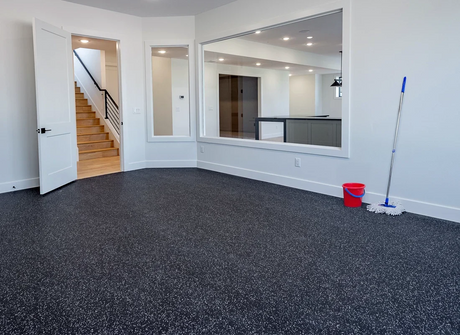
From speckled designs that camouflage dirt to sleek matte finishes for luxury gym chains, the versatility of rubber means you can create a fitness space that's as on-brand and aesthetically pleasing as it is functional.
Rubber Flooring vs. The Competition: A Quick Comparison Chart
| Feature | Rubber Flooring | Wood or Vinyl Flooring |
|---|---|---|
| Durability | Lasts 20+ years with proper care | Susceptible to wear, warping, or dents |
| Noise Reduction | Reduces noise by up to 38 decibels | Minimal soundproofing |
| Slip Resistance | High; suitable for wet environments | Limited, especially when wet |
| Eco-Friendliness | Made from recycled materials | Often non-sustainable materials |
Why Rubber Flooring Should Be Your First Choice
Rubber flooring isn't just a practical solution—it's a long-lasting investment in your gym's performance, safety, and aesthetics. Whether you manage a commercial fitness center or need the ultimate foundation for your home gym, rubber flooring delivers on every level. If you're still weighing your options across the full range of flooring types and formats, our ultimate guide to gym flooring for home and commercial use is a strong next step before making a final decision.
Ready to transform your space? It's time to let the benefits of rubber flooring work for you.

Frequently Asked Questions About Rubber Gym Flooring
1. Why is rubber gym flooring the best choice for fitness spaces?
Rubber gym flooring is the best choice due to its unique benefits:
- Exceptional durability for heavy foot traffic and dropped weights.
- Slip-resistant surface to prevent accidents during workouts.
- Noise reduction properties that create a quieter gym environment.
- Shock absorption to protect joints and gym equipment.
- Eco-friendly, made from recycled materials.
Rubber flooring delivers unmatched performance and safety, making it ideal for both commercial and home gyms.
2. How durable is rubber gym flooring compared to other materials?
Rubber gym flooring is more durable than wood, vinyl, or carpet flooring. Here's why:
- Can withstand dropped weights and heavy equipment without cracking or denting.
- Lasts 20+ years with proper care, saving costs on replacements.
- Resilient against wear from high-intensity foot traffic.
Its durability ensures a long-term investment for your gym flooring needs.
3. Is rubber gym flooring slip-resistant?
Yes, rubber gym flooring is highly slip-resistant. It features a high coefficient of friction, providing excellent grip even in wet or sweaty conditions. This safety feature makes it ideal for minimizing the risk of slips and falls during workouts, especially in weight rooms or high-intensity training areas.
4. Does rubber flooring reduce noise in gyms?
Rubber flooring excels in noise reduction, making gyms quieter and more comfortable:
- Reduces noise by up to 38 decibels from dropped weights and equipment.
- Dampens vibrations, preventing disruptive sounds in multi-level buildings.
- Creates a more enjoyable environment for users and neighbors.
This makes rubber flooring a must-have for both commercial gyms and home setups. Note that if your gym occupies a floor above other occupied spaces, local building codes may also require acoustic underlayment beneath the rubber layer — factor this into your planning and budget.
5. Is rubber gym flooring environmentally friendly?
Yes, many rubber flooring options are eco-friendly. They are often made from recycled materials like car tires, helping reduce waste while providing a high-performance product. By choosing rubber flooring, gym owners support sustainability without compromising on durability or quality. When comparing products, look for the ratio of post-consumer to post-industrial recycled content — a higher post-consumer percentage represents greater environmental benefit.
6. How easy is it to maintain rubber gym flooring?
Rubber flooring is low-maintenance, requiring minimal effort to keep clean:
- Regular sweeping removes dirt and debris.
- Mopping with a mild detergent keeps the surface fresh.
- Water-resistant properties prevent spills and stains.
This makes it a hassle-free choice for busy gym owners.
7. Should I choose rubber tiles or rubber rolls for my gym?
The right choice depends largely on your room's shape and layout. Rectangular rooms with clean, straight walls are well-suited to rolled rubber, which installs efficiently and minimizes seams. Irregularly shaped spaces — those with alcoves, columns, or angled walls — are often better served by tiles, since individual pieces can be cut to fit with less overall waste. Regardless of format, plan to order 2–3% more material than your measured square footage to account for cuts and fitting at the edges. For a full breakdown of the trade-offs between mats, tiles, and rolls, see our gym flooring types comparison guide.
8. What thickness of rubber flooring do I need for a free weight area?
Thickness requirements vary by use. For yoga, stretching, or light cardio zones, 6mm rubber can be sufficient. However, for any area where free weights may be dropped — including deadlift platforms or Olympic lifting zones — 8mm is the minimum you should consider, and 14.5mm is preferred for heavy commercial use. Options like the ECORE Performance Beast Plus Rubber Roll at 14.5mm are specifically designed for high-impact free weight environments. Choosing too thin a product in these zones risks both subfloor damage and reduced equipment longevity.
Elevate Your Gym With the Foundation It Deserves
Investing in the right flooring is more than just a design choice – it's a commitment to safety, performance, and longevity. Rubber flooring isn't just the unsung workhorse of gym design—it's the very bedrock of a superior fitness experience. From preventing injuries and reducing noise to standing strong against wear and tear, the benefits of rubber flooring stretch miles beyond expectations. You're not just choosing a floor; you're choosing a better gym environment, one that inspires confidence, supports users, and keeps your investment thriving for years.
And here's where it all clicks. At Blue Sky Fitness Supply, we understand what makes a gym floor great—and how the right foundation can transform your space. With our wide selection of high-quality rubber flooring solutions, we're here to help you find the perfect fit for your facility or home gym. Whether you're creating a haven for post-office workouts or a state-of-the-art commercial fitness center, we've got you covered with durable, eco-friendly, and customizable options that don't skimp on style or performance.