

Table of Contents:
- What Makes Basketball Court Flooring Different
- What is Indoor Basketball Court Flooring?
- Types of Indoor Basketball Court Flooring
- Wooden Sports Flooring vs. Rubber: The Essentials
- Multi-Purpose Athletic Surfaces: More Than Just Basketball
- Key Factors to Consider
- FAQs About Indoor Basketball Court Flooring
- Choose the Right Basketball Court Flooring
What Makes Basketball Court Flooring Different
When it comes to indoor basketball, the court beneath your feet can make or break the game. The right indoor basketball court flooring doesn't just set the stage for smooth, fast-paced action — it's the foundation for player safety, peak performance, and the longevity of your investment. From reliable ball bounce to joint-protecting shock absorption, the flooring you choose determines how the game is played and experienced.
Not all flooring is created equal. What works in a multi-purpose gymnasium may fall short in a dedicated basketball arena. And choosing the wrong surface could mean compromised gameplay, increased injury risk, or steep maintenance costs down the line.
Whether you're upgrading a community rec center or outfitting a training facility, this guide covers the pros, cons, and key considerations for each flooring type.
What is Indoor Basketball Court Flooring?
Indoor basketball court flooring is more than a playing surface — it's the foundation supporting athletes during every pivot, sprint, and jump. This specialized flooring provides critical performance features: consistent ball bounce, proper traction, and enhanced shock absorption to protect players against injuries. It must also stand up to the wear and tear of high-intensity play and frequent use, making durability non-negotiable for any quality court.
Sports facility flooring also needs to align with the venue's specific requirements. Multi-purpose community centers need versatility to handle everything from basketball tournaments to recreational activities. Pro-level courts demand flooring that supports advanced gameplay while meeting strict performance standards. The right choice balances practical functionality with tailored performance.
Types of Indoor Basketball Court Flooring
There's no one-size-fits-all solution. From traditional hardwood to innovative synthetic alternatives, each material brings its own strengths and limitations.
Wooden Sports Flooring: The Classic Choice
When you think of a basketball court, the gleaming surface of maple hardwood likely comes to mind. Wooden sports flooring — particularly maple — has long been the gold standard for competitive play. It delivers unmatched rebound performance, optimal shock absorption, and reliable grip for demanding games.
Beyond gameplay, hardwood's longevity is impressive. Properly maintained wooden basketball flooring can last over 50 years. However, it carries high installation costs and significant maintenance requirements. Hardwood is also sensitive to temperature and humidity, making climate control essential. For courts where peak performance is the priority, the investment is often worth it.
Rubber Flooring: A Budget-Friendly Contender
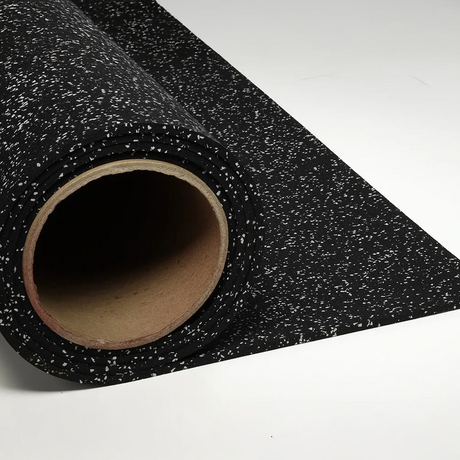
For facilities seeking durability without sacrificing player safety, rubber flooring offers compelling advantages. Rubber sports surfaces excel in gym flooring for basketball centers that prioritize shock absorption and injury prevention. Their cost-effectiveness and low-maintenance nature make rubber an attractive option for high-traffic recreational and community centers.
Rubber flooring doesn't quite match hardwood in ball bounce consistency or visual appeal, but its functionality for multi-use sports facilities is hard to beat. It also handles environmental conditions well, providing a reliable surface for high-energy gameplay with reduced injury risks.
Synthetic Flooring: The All-Purpose Option
Synthetic basketball floors — often polyurethane, vinyl, or PVC — are rising in popularity as cost-effective and customizable alternatives. These materials can mimic the look of wood while offering quicker installation and easier upkeep. They're commonly used in venues that host a variety of sports and events.
Synthetic flooring offers enhanced wear resistance, lower maintenance costs, and design flexibility. For facilities where basketball isn't the exclusive activity, synthetic surfaces are a strong compromise. However, for high-level competitive play, they may fall short of hardwood's superior ball control and gameplay precision.
Wooden Sports Flooring vs. Rubber: The Essentials
The debate between wooden sports flooring and rubber is ongoing among gym owners and facility managers. Here's a direct comparison:
| Feature | Wooden Sports Flooring | Rubber Flooring |
|---|---|---|
| Durability | 50+ years with refinishing | 10-20 years |
| Shock Absorption | Optimal for elite gameplay | Excellent for injury prevention |
| Ball Bounce | Professional-grade consistency | Moderate, depends on thickness |
| Aesthetic | Classic, professional finish | Functional, lacks traditional appeal |
| Cost | Higher upfront | More economical |
| Maintenance | Regular refinishing, climate control required | Minimal — routine cleaning only |
Rubber is also the better choice from an environmental standpoint, especially when manufactured from recycled materials. For more on the sustainability angle, see our article on eco-conscious athletic flooring benefits.
Multi-Purpose Athletic Surfaces: More Than Just Basketball
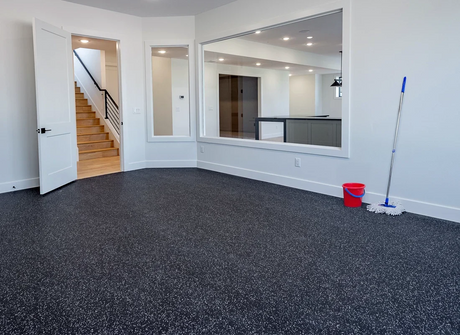
For community centers, schools, and facilities that host a variety of activities, multi-purpose athletic surfaces are the practical solution. These range from rubberized options to synthetic blends that deliver durability without sacrificing versatility. With customization options for colors, designs, and court markings, these surfaces allow easy transitions between sports while maintaining consistent performance.
Their reduced upkeep costs and resistance to wear prove invaluable for high-traffic facilities balancing performance with budget constraints. ECORE Athletic flooring offers a range of multi-purpose rubber surfaces specifically designed for this kind of versatile use.
Key Factors to Consider
When choosing indoor basketball court flooring, evaluate these factors carefully:
- Intended Use: Will the floor host competitive basketball exclusively, or serve as a multi-purpose athletic surface for various sports?
- Budget: Hardwood involves higher initial costs, while rubber and synthetic alternatives are more economical upfront.
- Maintenance Capabilities: Do you have the resources and climate control infrastructure for traditional hardwood upkeep?
- Environmental Constraints: Consider temperature and humidity levels in your facility when deciding on materials.
- Longevity: How long do you expect the flooring to last before replacement? Factor total cost of ownership, not just purchase price.
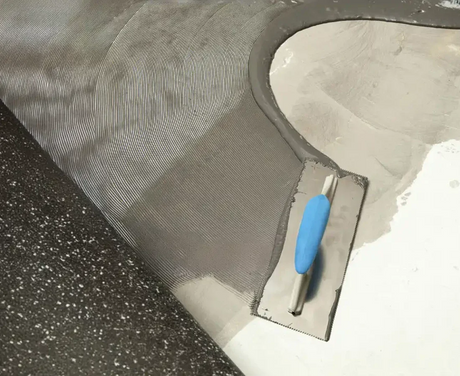
By weighing these factors, you can determine which flooring material aligns with your facility's goals and operational constraints. Whether it's hardwood for a dedicated court or rubber flooring tiles for multi-sport usage, informed decision-making ensures both player satisfaction and cost efficiency. For additional installation guidance, our gym flooring installation guide covers the process step by step.
FAQs About Indoor Basketball Court Flooring
1. What is the best type of indoor basketball court flooring?
Maple hardwood is the gold standard for dedicated basketball courts, offering superior shock absorption, consistent ball bounce, and professional-grade performance. It can last 50+ years with proper care. For multi-purpose facilities, rubber and synthetic flooring provide excellent versatility at lower cost.
2. How does maple hardwood compare to rubber flooring for basketball courts?
Maple hardwood vs. rubber flooring:
| Feature | Maple Hardwood | Rubber Flooring |
|---|---|---|
| Durability | 50+ years with refinishing | 10-20 years |
| Shock Absorption | Optimal for competitive play | Excellent for injury prevention |
| Ball Bounce | Consistent, professional-grade | Moderate, depends on thickness |
| Cost | Higher upfront | More economical |
For professional basketball, maple hardwood remains the preferred choice. Rubber flooring is better for multi-use facilities needing high shock absorption and low maintenance.
3. How long does basketball court flooring last?
Lifespan depends on material:
- Maple Hardwood: 50+ years with regular refinishing and maintenance.
- Rubber Flooring: Typically 10-20 years, depending on wear and usage.
- Synthetic Flooring: 15-25 years with proper care.
Consistent maintenance and controlled environmental conditions significantly extend the lifespan of any flooring type.
4. What are the benefits of synthetic basketball court flooring?
Synthetic basketball court flooring offers:
- A cost-effective alternative to hardwood
- Strong durability and wear resistance
- Customizable designs for multi-use facilities
- Lower maintenance requirements than traditional hardwood
Synthetic is an excellent option for multi-purpose venues hosting a variety of sports and events.
5. Is rubber flooring good for basketball courts?
Yes, rubber flooring works well for basketball courts, especially in multi-use facilities. It provides excellent shock absorption, requires minimal maintenance, and resists moisture and temperature changes. It may not match hardwood's ball bounce consistency or aesthetics, but it's ideal for recreational and community centers prioritizing durability and cost-effectiveness.
6. What factors should I consider when choosing indoor basketball court flooring?
Key factors include:
- Budget: Initial cost and long-term maintenance expenses.
- Facility Use: Dedicated basketball or multi-purpose activities.
- Maintenance: Resources for upkeep and refinishing.
- Performance Needs: Shock absorption, ball bounce, and player safety.
- Environmental Conditions: Moisture and temperature stability requirements.
7. Why is maple hardwood the preferred choice for professional basketball courts?
Maple hardwood provides consistent ball bounce, optimal shock absorption, and a high-quality finish that enhances the professional appeal of competitive and collegiate games. With proper maintenance, it outlasts other flooring materials, making it a long-term investment for high-performance facilities.
8. Can a multi-purpose athletic surface work for basketball courts?
Yes. Multi-purpose athletic surfaces are highly effective for basketball courts that also serve other activities. Synthetic and rubber options provide durability, easy maintenance, and versatility for transitioning between sports. They can be customized with different colors and markings to accommodate multiple activities on the same surface.
Choose the Right Basketball Court Flooring
Selecting the right indoor basketball court flooring directly impacts athlete performance, facility safety, and your long-term budget. Whether you favor the classic feel of hardwood, the practicality of rubber, or the versatility of synthetic surfaces, each type offers distinct benefits that align with different facility goals.
At Blue Sky Fit Supply, we carry premium ECORE Athletic flooring designed for indoor courts and multi-purpose facilities. Our team can help you match the right product to your specific requirements — from dedicated basketball courts to versatile community gym spaces.
Ready to find the right fit? Browse our full flooring collection or contact our team for expert guidance on your next court project.