

Table of Contents:
- The Science Behind Being Active and Prolonging Life: What the Latest Research Reveals
- Exercise Type Hierarchy: Which Activities Deliver Maximum Longevity Benefits
- How Equipment Quality Impacts Long-Term Health Outcomes and the Science Behind Being Active
- Building Your Longevity-Focused Equipment Strategy
- Frequently Asked Questions
- Transform Your Health Investment Into Lifelong Returns
Elite athletes who can run sub-4-minute miles live an average of 4.7 years longer than the general population, according to a 2026 American College of Cardiology study. That's nearly five additional years of life from strategic physical conditioning. But here's what most people miss: it's not about becoming an elite athlete.
However, the science behind being active and prolonging life reveals something more accessible yet equally powerful. Recent research shows that 42.3% of Americans now prioritize getting physically stronger as their primary 2026 health goal, while 33.2% cite longevity as their leading health motivation, according to Life Time's comprehensive survey data. These aren't separate goals — they're interconnected pathways to the same destination.
The real breakthrough isn't just moving more. It's understanding that longevity benefits require strategic choices about both the activities you perform and the equipment that supports them. When facilities invest in commercial-grade equipment designed for consistent, varied training over decades, they're not just buying machines — they're purchasing the infrastructure for extended lifespans. The difference between random exercise and evidence-based longevity training often comes down to having the right tools that can accommodate progressive overload, support exercise variety, and maintain reliability year after year.
The Science Behind Being Active and Prolonging Life: What the Latest Research Reveals
Physical activity isn't just beneficial for longevity — it's transformative. Being consistently physically active in adulthood is linked to a 30-40% lower risk of death from any cause in later life, according to research published in the British Journal of Sports Medicine in 2025. That's not a marginal improvement; it's a fundamental shift in life expectancy that rivals the impact of major medical interventions.

Photo by Edagar Antoni Ann on Unsplash
The research reveals something even more striking about exercise variety. People with the highest variety of exercises had a 19% lower risk of premature death compared to those with the lowest variety, even when total activity levels remained constant. This finding from Harvard T.H. Chan School of Public Health in 2026 challenges the common assumption that any exercise equals maximum benefit. The science behind being active and prolonging life shows that diversified movement patterns create compounding protective effects that single-mode training cannot match, particularly when supported by versatile equipment like resistance bands that enable multiple exercise variations.
Strength training delivers particularly impressive longevity dividends. A 2026 Medical News Today study found that females in the highest grip strength group had a 33% lower risk of death, while those with the fastest chair stand times showed a 37% lower risk. These aren't abstract fitness metrics — they're functional indicators of muscle quality that directly predict lifespan. Dr. Christopher Mohr, PhD, RD, explains that "muscle is a metabolically active organ that is really the organ of longevity," capable of improving bone density through resistance training that stimulates bone formation.
| Exercise Type | Death Risk Reduction | Minimum Weekly Time | Longevity Mechanism |
|---|---|---|---|
| Vigorous Walking | 17% | 150 minutes moderate | Cardiovascular efficiency, metabolic health |
| Running | 13% | 75 minutes vigorous | VO2 max improvement, cardiac adaptation |
| Stair Climbing | 10% | 3-5 sessions weekly | Lower body power, functional strength |
| Resistance Training | 9% | 30-60 minutes | Muscle mass retention, bone density |
| Mixed Variety Training | 19% | Combined approaches | Comprehensive system adaptation |
Age presents a critical factor that many overlook. Physical decline starts around age 35, but the Karolinska Institutet's remarkable 47-year study from 2025 revealed that adults who became physically active improved performance by 5-10% regardless of their starting age. This research followed participants across nearly five decades, providing unprecedented insight into how consistent training can reverse age-related decline even when initiated later in life.
The physiological mechanisms behind these benefits extend far beyond simple cardiovascular improvements. Regular physical activity triggers adaptations in cellular repair mechanisms, inflammation regulation, and metabolic efficiency that compound over decades. When Yang Hu from Harvard notes that "exercise variety may be important to consider not only how much physical activity people do, but also how many different types," he's highlighting the multisystem nature of longevity benefits that require diverse movement patterns to fully activate. Understanding the benefits of cardio exercise for health provides crucial insight into how sustained aerobic work complements strength training for comprehensive longevity outcomes.
Exercise Type Hierarchy: Which Activities Deliver Maximum Longevity Benefits
Not all exercise delivers equal longevity returns. The data reveals a clear hierarchy: walking vigorously provides a 17% reduction in early death risk, running delivers 13%, climbing stairs offers 10%, and resistance training contributes 9%. These percentages might suggest that cardio dominates longevity benefits, but that interpretation misses the foundational role of strength training in enabling all other activities.

Resistance training's 9% direct mortality reduction is deceptively modest compared to its enabling effects. Muscle mass and strength provide the foundation that allows individuals to maintain vigorous walking, running, and stair climbing throughout their lifespan. Without adequate strength reserves, the higher-percentage activities become inaccessible as people age, creating a cascading loss of longevity benefits. The science behind being active and prolonging life demonstrates that strength training acts as the cornerstone that supports all other beneficial activities, particularly when performed on stable surfaces like quality exercise mats that provide proper joint support during floor exercises.
The research reveals an optimal training threshold that many miss. According to an AARP review of 16 global studies from 2021, just 30 to 60 minutes per week of muscle-strengthening exercise increased life expectancy by 10 to 17 percent. This finding challenges the more-is-better mentality and suggests that strategic, consistent strength training delivers outsized returns compared to the time investment required.
Emerging research from the European Journal of Preventive Cardiology in 2025 adds crucial nuance: PA intensity and its distribution are stronger predictors of all-cause and cardiovascular mortality than PA volume alone. This means that how you exercise and when you exercise matters more than simply accumulating total minutes. A Finnish twin study tracking 22,750 people confirmed that moderate activity yields maximum longevity benefits, suggesting there's an optimal zone that maximizes lifespan extension without the potential drawbacks of extreme training volumes.
The most successful longevity enthusiasts are adopting what's known as the Hybrid Athlete model: balancing high-level strength development with Zone 2 cardiovascular health. This approach combines the muscle-preserving benefits of progressive resistance training with the metabolic and cardiovascular adaptations from sustained aerobic work performed at specific intensity zones. Rather than specializing in single modalities, hybrid athletes develop comprehensive fitness that addresses multiple longevity pathways simultaneously, often incorporating CanDo rehabilitation and conditioning tools that bridge therapeutic and performance applications.
Danny King, Director of Recovery at Life Time, observes that "strength training is the new weight loss — people are training more intentionally to feel and perform better for longer." This shift reflects growing awareness that longevity requires building and maintaining muscle mass, not just burning calories. The focus has moved from short-term appearance goals to long-term functional capacity that supports independent living well into advanced age.
The practical application of this hierarchy suggests that optimal longevity training combines moderate-intensity strength work with varied cardiovascular activities. Rather than choosing between strength and cardio, the evidence supports integrating both within weekly routines that emphasize consistency over intensity extremes. This balanced approach allows individuals to capture the benefits across all categories while maintaining sustainability that supports decades of training, especially when recovery protocols include evidence-based approaches like cold therapy for muscle recovery.
How Equipment Quality Impacts Long-Term Health Outcomes and the Science Behind Being Active
Equipment durability directly connects to training consistency — the single most important factor for longevity benefits. Commercial cardio equipment can last up to 10 years in busy facilities with proper maintenance, while strength equipment can endure 15-20 years of regular use, according to global fitness equipment analysis. This longevity isn't just about return on investment; it's about providing the reliable platform that enables decades of health-building activity.
The connection between equipment quality and exercise variety becomes clear when examining how different machines support diverse movement patterns. High-quality equipment enables the 19% death risk reduction that Harvard researchers found associated with exercise variety. When treadmills break down frequently, ellipticals develop mechanical issues, or strength equipment becomes unreliable, users naturally gravitate toward fewer exercise options, limiting their access to the variety-based longevity benefits that research has identified.
Consider the cost-benefit analysis from a longevity perspective. Strength training investments can range from $1,200 for multi-functional power racks to $20,000+ for comprehensive commercial setups. While these numbers might seem substantial, they pale in comparison to the potential health returns. A 30-40% reduction in death risk from any cause, combined with 10-17% life expectancy increases, represents value that far exceeds the equipment investment when calculated across decades of use.
As commercial fitness equipment distributors, we've observed how facilities with higher-quality equipment maintain better member retention and workout consistency — the exact factors research shows drive longevity benefits. Members gravitate toward reliable equipment that provides smooth operation and consistent resistance curves. When equipment delivers predictable performance, users can focus on progressive overload and skill development rather than compensating for mechanical deficiencies. This principle applies equally to commercial cardio equipment, where Spirit gym equipment benefits and features include the warranty coverage and service network that support decades of consistent training.
Progressive overload requires equipment capable of supporting advancement over years and decades. The science behind being active and prolonging life emphasizes that continued adaptation drives ongoing benefits. Equipment that cannot accommodate increasing loads, lacks fine-tuned resistance adjustments, or fails to provide stable platforms for complex movements limits users' ability to maintain the progressive stimulus necessary for continued bone density improvements and strength gains that Dr. Christopher Mohr identifies as crucial for longevity.
Equipment choice significantly affects exercise adherence, which research shows is more predictive of long-term health outcomes than short-term performance improvements. When users encounter equipment that feels unstable, provides inconsistent feedback, or requires frequent maintenance interruptions, their motivation to maintain consistent training schedules decreases. The psychological aspects of equipment interaction — confidence in stability, smooth operation, and reliable performance — contribute to the long-term behavioral patterns that determine whether individuals maintain the consistent activity levels associated with longevity benefits.
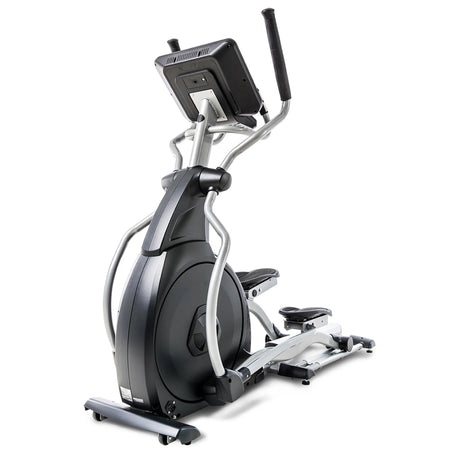
Commercial-grade equipment also supports proper form execution, which becomes increasingly important as users age and accumulate training years. Equipment with precision-engineered movement paths, appropriate resistance curves, and ergonomic design reduces injury risk while maximizing training effectiveness. Since longevity benefits require decades of consistent activity, equipment that promotes safe, effective movement patterns contributes directly to sustained participation in health-building activities. From our experience, commercial treadmill motors should provide at least 4.0 HP continuous power to handle the daily use patterns that develop when individuals commit to decades of consistent training, while elliptical stride length should be at least 20 inches for users over 5'10" to prevent hip impingement over time.
Building Your Longevity-Focused Equipment Strategy
Effective longevity training requires equipment across four essential categories: cardiovascular conditioning, strength development, functional movement, and recovery support. Each category contributes specific adaptations that research has linked to life extension, but the key lies in selecting equipment that will remain reliable and effective across decades of use.

Photo by Craig Lovelidge on Unsplash
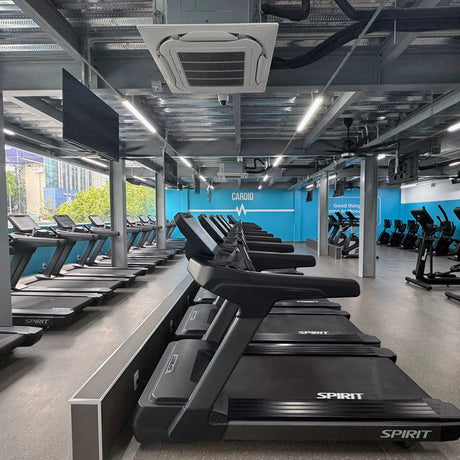
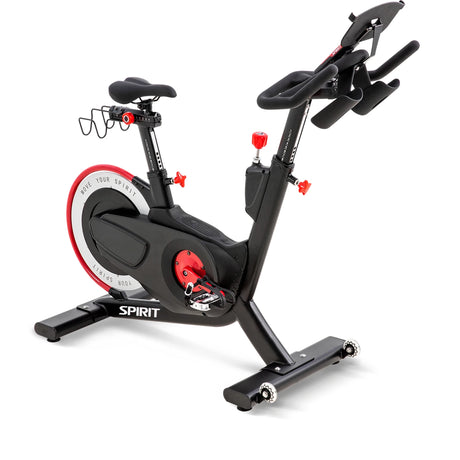
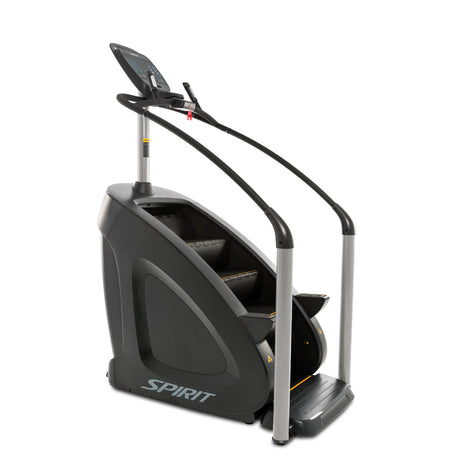
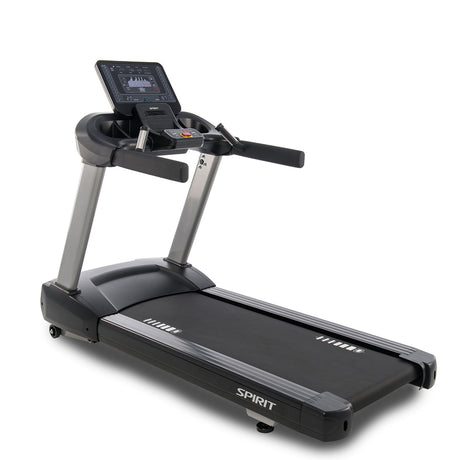
Cardiovascular equipment forms the foundation for Zone 2 training and the vigorous walking or running that research shows delivers 13-17% mortality risk reduction. Spirit Fitness represents our primary commercial cardio line because their warranty coverage and service network support the long-term reliability that longevity training demands. Commercial treadmill motors should provide at least 4.0 HP continuous power to handle the daily use patterns that develop when individuals commit to decades of consistent training. Self-powered treadmills are gaining popularity in performance-focused facilities because they eliminate electrical requirements while force better running mechanics through user-driven belt movement.
Strength training equipment must accommodate the 30-60 minutes per week that AARP research shows increases life expectancy by 10-17%. Multi-station strength equipment provides the most versatile platform, supporting everything from basic squats and deadlifts to advanced movements that maintain the exercise variety associated with 19% mortality risk reduction. Understanding proper gym flooring becomes essential for creating safe training environments that support decades of consistent use. PowerBlock adjustable dumbbell systems offer exceptional space efficiency while providing the incremental weight progressions necessary for continued adaptation over years of training.
Our experience with hundreds of facility setups shows that the most successful longevity-focused programs combine durable cardio equipment for Zone 2 training with versatile strength systems that can accommodate progressive overload for decades. The equipment must support both the hybrid athlete model that balances strength and cardiovascular health, and the exercise variety that research identifies as crucial for maximizing longevity benefits.
Recovery equipment deserves equal consideration in longevity-focused facilities. As Danny King from Life Time notes, people are training more intentionally for long-term performance rather than short-term appearance goals. This shift toward sustainable training requires equipment that supports recovery between sessions — cold plunge units, infrared saunas, and compression therapy systems that help maintain the consistency that drives longevity benefits.
Budget allocation should prioritize equipment longevity over initial cost savings. A $20,000 investment in commercial-grade strength equipment that operates effectively for 15-20 years provides better value than multiple replacements of lower-grade equipment. The key consideration is total cost of ownership across the decades of use that longevity training requires, including maintenance costs, downtime impacts, and replacement frequency. From our distributor experience, 11-gauge steel construction matters more than most buyers realize for institutional use, particularly in school weight rooms where bolt-down options become liability requirements that many coaches don't know about until inspection time.
Equipment sequencing matters for facilities building comprehensive longevity programs. Start with foundational strength equipment that supports the muscle-building activities Dr. Christopher Mohr identifies as crucial for bone density and metabolic health. Add cardiovascular equipment that enables the vigorous walking and running associated with the highest mortality risk reductions. Complete the setup with recovery equipment that supports the consistency necessary for long-term adaptation and the functional movement tools that maintain the exercise variety linked to longevity benefits.
Frequently Asked Questions
1. How much exercise do I need to extend my lifespan?
Research from the British Journal of Sports Medicine shows that being consistently physically active in adulthood provides a 30-40% lower risk of death from any cause. The minimum effective dose is surprisingly modest: 30-60 minutes per week of muscle-strengthening exercise can increase life expectancy by 10-17%, according to AARP's comprehensive review of 16 global studies. This translates to roughly 4-9 minutes of strength training daily, combined with 150 minutes of moderate aerobic activity or 75 minutes of vigorous activity weekly.
2. Is strength training or cardio more important for longevity?
Both contribute essential but different benefits, and the optimal approach combines them rather than choosing one over the other. Vigorous walking provides 17% death risk reduction while resistance training offers 9% direct reduction, but strength training enables the other activities throughout lifespan. Dr. Christopher Mohr explains that muscle is "the organ of longevity" because it supports bone density, metabolic health, and functional capacity that allows you to maintain cardio activities as you age.
3. What's the minimum effective dose for longevity benefits?
The Finnish twin study of 22,750 people found that moderate activity yields maximum longevity benefits, suggesting there's an optimal zone rather than a more-is-better approach. For strength training, 30-60 minutes weekly provides substantial life extension benefits. For cardiovascular work, 150 minutes of moderate or 75 minutes of vigorous activity weekly delivers the 13-17% mortality risk reductions research has identified.
4. Does exercise equipment quality really matter for health outcomes?
Equipment quality directly impacts training consistency, which is the strongest predictor of long-term health benefits. Commercial equipment lasting 10-20 years with proper maintenance supports the decades of consistent training that longevity benefits require. Poor equipment reliability leads to workout interruptions that compromise the consistency research shows is essential for life extension benefits, while high-quality equipment enables the exercise variety associated with 19% mortality risk reduction.
5. Can I start exercising for longevity benefits at any age?
The Karolinska Institutet's 47-year study provides encouraging evidence that adults who became physically active improved performance by 5-10% regardless of starting age. While physical decline typically begins around age 35, consistent training can reverse age-related performance losses even when initiated later in life. The key is starting with appropriate intensity and building gradually toward the activity levels associated with longevity benefits.
6. What's the best exercise routine for maximum lifespan extension?
Research supports combining exercise variety with consistency rather than specializing in single activities. People with the highest exercise variety show 19% lower premature death risk compared to those with lowest variety, even when total activity levels remain constant. The optimal approach includes 30-60 minutes weekly strength training, 150+ minutes moderate cardio or 75+ minutes vigorous cardio, plus varied activities like stair climbing that contribute additional mortality risk reductions.
7. How does exercise variety impact longevity compared to focusing on one activity?
Harvard research reveals that exercise variety provides 19% mortality risk reduction beyond what single-activity training achieves, even when total exercise volume remains constant. Yang Hu from Harvard emphasizes considering "not only how much physical activity people do, but also how many different types." This suggests that diversified movement patterns create protective effects that specialized training cannot match, making varied training programs superior for longevity outcomes.
8. What role does recovery play in longevity-focused training?
Recovery equipment becomes increasingly important for sustainable longevity training as people shift focus toward long-term performance rather than short-term goals. Proper recovery between sessions supports the consistency that drives longevity benefits while reducing injury risk that could interrupt decades-long training programs. Recovery modalities like cold exposure, heat therapy, and compression help maintain the training frequency necessary for continued adaptation and the 30-40% mortality risk reduction that research has identified.
Transform Your Health Investment Into Lifelong Returns
The evidence is overwhelming: strategic physical activity can extend lifespan by 30-40% while reducing death risk across multiple categories. Elite athletes gain 4.7 additional years, but the science behind being active and prolonging life shows that similar benefits are accessible through intelligent equipment choices and consistent training approaches that emphasize variety over intensity extremes.
The connection between equipment quality and longevity outcomes is clear. When facilities invest in commercial-grade equipment designed for decades of reliable operation, they're purchasing the infrastructure that enables the consistent, varied training patterns research has linked to life extension. This isn't just about buying exercise machines — it's about creating the foundation for decades of health-building activity.
At Blue Sky Fitness Supply, we understand that longevity-focused equipment decisions require balancing immediate needs with long-term durability. Our commercial-grade cardio and strength equipment selections reflect the research showing that equipment reliability directly impacts training consistency — the key factor in realizing longevity benefits. When you're ready to transform your health investment into lifelong returns, explore our commercial fitness equipment collections designed to support decades of evidence-based longevity training.