

Table of Contents:
- The Hidden Connection Between Hard Floors and Joint Pain in Seniors
- How Ergonomic Flooring Transforms Fall Prevention and Injury Outcomes
- Comparing Ergonomic Flooring Materials for Senior Living Applications
- The Financial Case: ROI of Ergonomic Flooring in Senior Communities
- Implementation Strategy: Transitioning to Benefits of Ergonomic Flooring for Joint Pain in Senior Living Communities
- Frequently Asked Questions
- Creating Safer, More Comfortable Senior Living Environments
Senior living communities face a silent crisis that administrators rarely discuss openly. About half of all nursing home residents fall every year, with falls being the leading cause of injuries among seniors. The numbers are staggering: across assisted living and skilled nursing facilities, communities pay roughly $380,000 per year in fall-related costs — equivalent to nearly 10 full-time care staff salaries.
But here's what most facility managers miss: the connection between hard flooring surfaces and joint pain amplification isn't just about comfort. It's about creating a cascade of health problems that lead to increased falls, higher injury rates, and massive liability exposure. When residents experience chronic joint pain from walking on unforgiving surfaces, they move less, become more unsteady, and ironically become more prone to the very falls that facilities work so hard to prevent.
The benefits of ergonomic flooring for joint pain in senior living communities extend far beyond resident comfort. Smart facility managers are discovering that the right flooring creates a triple win: dramatically improved resident health outcomes, reduced liability exposure, and measurably better profitability through longer stays and fewer incidents. The question isn't whether your community can afford to upgrade — it's whether you can afford not to.
The Hidden Connection Between Hard Floors and Joint Pain in Seniors
Walk through most senior living facilities and you'll see the same thing: polished concrete, ceramic tile, or basic vinyl flooring stretching down every hallway. These surfaces look clean and professional, but they're silently wreaking havoc on residents' joints with every step.

The biomechanics are straightforward but brutal. When a senior's foot strikes a hard surface, the impact force travels up through their body like a shock wave. Hard surfaces like concrete can cause vibration transfer leading to bunions, shin splints, lumbar strain, achilles tendonitis, back pain, stress fractures, knee pain, and worsening arthritis symptoms. What's particularly concerning is research from Ohio State University showing that working on concrete flooring is equivalent to adding an extra 12 pounds to your body — imagine that additional stress on an 85-year-old's already compromised joints.
The problem compounds exponentially in aging bodies. Seniors have thinner fat pads on their feet, reduced muscle mass to absorb impact, and existing joint conditions like osteoarthritis that make every step potentially painful. According to WHO/ILO research, occupational exposure to ergonomic risk factors increases the risk of acquiring knee or hip osteoarthritis by 120%. While this research focused on workplace exposure, the same principles apply to seniors who spend their entire day walking on unforgiving surfaces.
But the real crisis isn't just the joint pain itself — it's what happens next. When residents experience chronic discomfort, they naturally modify their movement patterns. They take shorter steps, move more tentatively, and avoid walking when possible. This creates a dangerous downward spiral: less movement leads to muscle weakness, which leads to balance problems, which dramatically increases fall risk.
The secondary effects are equally concerning. Seniors compensating for foot and ankle pain often develop what experts call "protective gait patterns" — walking styles that reduce pressure on painful joints but throw off their natural balance and proprioception. Add declining vision and slower reflexes to this equation, and you have residents who are essentially set up for failure every time they walk down a hallway.
Perhaps most importantly, the pain itself becomes a psychological barrier. Residents who associate walking with discomfort begin to avoid physical activity, social interaction, and the very mobility that's crucial for maintaining their independence. This isn't just about immediate comfort — it's about preserving the quality of life that families expect when they choose your community over competitors.
How Ergonomic Flooring Transforms Fall Prevention and Injury Outcomes
The difference between hard flooring and properly designed ergonomic surfaces isn't just measurable — it's dramatic enough to transform facility outcomes entirely. Compliant flooring reduced injury rates from 42% of falls to 23% of falls in a controlled trial at geriatric hospital wards. When nearly half of your fall-related injuries could be prevented with better flooring choices, the conversation shifts from "nice to have" to "essential for resident safety."

The physics behind these improvements are compelling. Anti-fall flooring systems can absorb up to 60% of impact force during falls, essentially cutting the trauma in half when accidents do occur. To put this in perspective, clinical studies show 15 fractures per 100 falls on carpet versus 11 per 100 falls on vinyl — and modern ergonomic flooring systems perform significantly better than either option.
But injury reduction is only part of the story. Ergonomic flooring fundamentally changes how residents move through your facility. The shock absorption properties that protect during falls also provide continuous joint relief during normal walking. This creates a positive feedback loop: less pain leads to more confident movement, which builds strength and balance, which further reduces fall risk.
Physical therapy areas see particularly dramatic improvements with ergonomic flooring. Seniors doing balance exercises on compliant surfaces report better stability and confidence, allowing therapists to progress treatments more aggressively. The tactile feedback from textured surfaces becomes increasingly important as proprioception naturally declines with age, helping maintain balance and stability that hard floors simply cannot provide.
The impact extends beyond individual residents to facility-wide safety culture. When residents feel more stable and confident walking, they participate more actively in social activities, exercise programs, and daily routines. This increased activity level actually strengthens their overall health and further reduces fall risk — creating an upward spiral that benefits everyone.
Staff notice the difference immediately. Nursing assistants report that residents seem more willing to walk independently, require less assistance during transfers, and complain less about foot and joint pain during daily activities. These seemingly small changes add up to significant improvements in operational efficiency and resident satisfaction scores.
Comparing Ergonomic Flooring Materials for Senior Living Applications
Not all ergonomic flooring delivers the same benefits of ergonomic flooring for joint pain in senior living communities. Understanding the specific properties of different materials helps facility managers make informed decisions that align with their residents' needs and operational requirements.
| Flooring Type | Impact Absorption | Antimicrobial Properties | Maintenance Requirements | Best Application Areas |
|---|---|---|---|---|
| Cork Flooring | Excellent - absorbs heel strike and secondary vibrations | Natural antimicrobial cellular structure | Low - occasional sealing required | Exercise areas, therapy rooms, common spaces |
| Rubber Systems | Superior - maximum impact protection | Varies by manufacturer and formulation | Low to moderate - simple cleaning protocols | High-traffic hallways, activity areas |
| Compliant Vinyl | Good - balanced performance and safety | Standard - meets healthcare requirements | Very low - standard commercial cleaning | Patient rooms, dining areas |
| Traditional Carpet | Moderate - some cushioning effect | Poor - requires aggressive treatments | High - frequent deep cleaning needed | Limited use in senior living |
Cork flooring represents the gold standard for joint health benefits. Cork flooring can absorb initial heel strike impact and prevent secondary shock wave vibrations from traveling through the body, reducing joint stress from feet to head. The cellular structure of cork provides natural antimicrobial properties and exceptional comfort that's particularly beneficial for seniors doing balance exercises. However, cork requires careful consideration of moisture exposure and may not be suitable for all areas of a senior living facility.
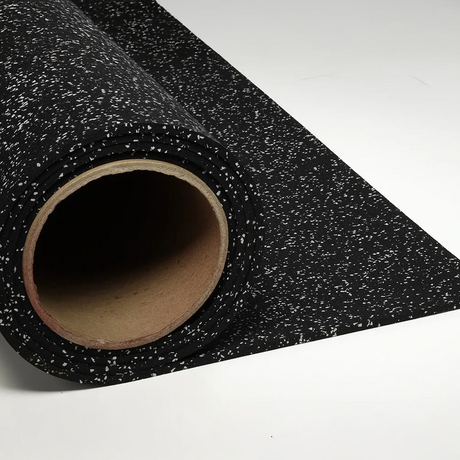
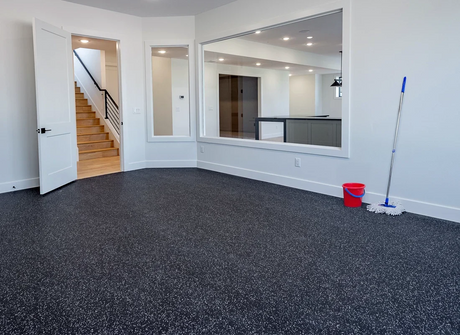
Rubber flooring systems offer the most versatile solution for senior living environments. Blue Sky Fitness Supply has extensive experience with ECORE rubber flooring solutions, which provide exceptional shock-absorbing properties specifically designed for commercial applications. ECORE's Performance Rally rubber flooring can seriously reduce injury risk during falls by absorbing impact better than hard surfaces, potentially preventing life-threatening fractures. These systems come in multiple thickness options, with 8mm being the minimum recommendation for areas with significant foot traffic or equipment use.
Compliant vinyl systems strike a balance between safety performance and operational practicality. Understanding ECORE's comprehensive flooring benefits helps facility managers select systems that provide meaningful impact absorption while maintaining the cleaning protocols that facility staff are accustomed to. They work particularly well in patient rooms and dining areas where spill management and infection control are primary concerns.
The key is matching material properties to specific facility zones. High-traffic corridors benefit from rubber systems that can handle constant use while providing maximum joint relief. Therapy areas perform best with cork or specialized rubber that supports balance training and rehabilitation exercises. Patient rooms may be ideal for compliant vinyl that balances comfort with the stringent cleaning requirements of healthcare environments.
The Financial Case: ROI of Ergonomic Flooring in Senior Communities
The financial impact of ergonomic flooring extends far beyond the initial investment. Anti-fall flooring systems can increase length of stay by 4-6 months, translating to $33,600-$43,000 additional revenue per resident. With senior living facility profit margins typically ranging from 15% to 30%, this revenue increase alone often justifies the entire flooring investment.

The direct cost savings are equally compelling. The average direct cost per fall is approximately $4,743 in assisted living and $6,306 in skilled nursing facilities. When you consider that compliant flooring can reduce injury rates from 42% to 23% of falls, the math becomes straightforward. A 100-resident facility experiencing 50 falls annually could prevent roughly 9-10 injuries, saving $43,000-$63,000 in direct costs alone — not including liability exposure, staff overtime, or regulatory complications.
Insurance implications add another layer of financial benefit. Facilities that proactively invest in fall prevention infrastructure often qualify for reduced premiums or liability coverage adjustments. More importantly, they avoid the reputation damage and potential legal costs associated with preventable injuries. In today's environment where families research facilities extensively online, a track record of resident safety becomes a competitive differentiator.
Operational efficiency improvements create ongoing savings that compound over time. When residents move more confidently and require less assistance, staff can focus on value-added care rather than incident management. Choosing sustainable flooring materials also demonstrates environmental responsibility that resonates with modern families selecting care facilities. Blue Sky Fitness Supply works with senior living facilities to calculate total cost of ownership and ROI projections, helping administrators understand how flooring upgrades fit into broader facility improvement strategies.
The retention benefits cannot be overstated. Residents who experience less joint pain and feel more stable are more likely to remain in the community longer, participate in activities, and recommend the facility to others. This reduces the costly cycle of resident turnover and maintains the high occupancy rates that drive profitability in senior living operations.
Implementation Strategy: Transitioning to Benefits of Ergonomic Flooring for Joint Pain in Senior Living Communities
Successful implementation requires a phased approach that prioritizes resident safety while managing operational disruption. Start with high-risk areas: main corridors, therapy rooms, and activity spaces where residents spend the most time walking and exercising. These zones deliver immediate safety benefits while allowing staff and residents to experience the difference firsthand.
Staff training becomes crucial during the transition period. Housekeeping teams need updated protocols for cleaning and maintaining ergonomic surfaces. Nursing staff should understand how the flooring changes might affect resident mobility and confidence. Most importantly, activities directors can leverage the improved surfaces to expand programming — balance classes and walking groups become more feasible when residents feel stable and comfortable.
Resident communication deserves special attention. Many seniors are naturally resistant to change, especially when it affects their living environment. Frame the flooring upgrade as an investment in their health and safety rather than just a facility improvement. Communicating the health benefits of staying active helps residents understand how better flooring supports their long-term wellness goals. Consider hosting information sessions where residents can see and feel sample materials before installation begins.
Maintenance considerations require upfront planning. Ergonomic flooring interventions reduce work-related musculoskeletal pain with statistical significance according to meta-analysis of 24 clinical trials — this applies to your housekeeping staff too. ECORE Performance Motivate rubber flooring systems are often easier to clean and maintain than traditional flooring, but staff need proper training on techniques and approved cleaning products.
Integration with existing fall prevention programs amplifies the benefits. When ergonomic flooring supports balance training, physical therapy, and exercise programming, the compound effects exceed what any single intervention could achieve. Work with therapy staff to understand how improved surfaces can enhance their treatment protocols and resident outcomes.
Budget planning should account for the full facility rollout over 2-3 years. This allows you to spread costs while learning from each phase of installation. Document resident feedback, staff observations, and measurable outcomes like fall rates and injury severity. This data becomes valuable for board presentations and future facility planning decisions.

Frequently Asked Questions
1. How much does ergonomic flooring cost compared to traditional options?
While initial costs are typically 20-40% higher than traditional flooring, ergonomic flooring pays for itself through reduced fall-related expenses and increased resident retention. The 4-6 month increase in length of stay alone often justifies the investment, generating $33,600-$43,000 in additional revenue per resident.
2. Can ergonomic flooring meet healthcare infection control requirements?
Yes, modern ergonomic flooring systems are specifically designed for healthcare environments and exceed standard antimicrobial requirements. ECORE rubber systems and compliant vinyl options meet or exceed all healthcare facility standards while providing joint protection benefits that traditional flooring cannot match.
3. How disruptive is installation in an occupied facility?
Installation can be scheduled in phases to minimize resident disruption, typically during daytime hours with temporary relocation. Most ergonomic flooring systems can be installed in sections, allowing facilities to maintain normal operations in unaffected areas throughout the process.
4. What maintenance training do staff need for ergonomic flooring?
Most ergonomic flooring requires standard commercial cleaning protocols with 1-2 training sessions on proper techniques and approved cleaning products. Many rubber and vinyl systems are actually easier to maintain than traditional flooring, requiring less frequent deep cleaning and specialized treatments.
5. Does insurance recognize ergonomic flooring for premium adjustments?
Many insurers consider proactive fall prevention measures when calculating premiums, potentially reducing liability costs. Document your flooring specifications and safety improvements to support discussions with your insurance provider about potential premium reductions or coverage benefits.
6. How quickly do residents adapt to new ergonomic flooring surfaces?
Most residents notice improved comfort within days of installation. The adjustment period is typically much shorter than expected because residents immediately feel the joint relief and stability benefits that ergonomic surfaces provide, leading to increased confidence and mobility.
7. Which areas of a senior living facility benefit most from ergonomic flooring?
High-traffic corridors, therapy rooms, and activity spaces deliver the greatest safety and comfort benefits. These areas where residents spend significant time walking, exercising, and participating in activities show the most dramatic improvements in fall prevention and joint pain reduction.
8. Are there specific thickness requirements for ergonomic flooring in senior living?
A minimum of 8mm thickness is recommended for areas with significant foot traffic, with thicker options providing additional impact absorption. Therapy areas and high-activity zones may benefit from 10-15mm systems that provide maximum shock absorption and joint protection for residents.
Creating Safer, More Comfortable Senior Living Environments
The evidence is clear: benefits of ergonomic flooring for joint pain in senior living communities create a measurable triple win for residents, families, and facility operations. Reduced joint pain leads to more confident mobility, fewer falls, and higher quality of life. Decreased injury rates translate to lower costs, reduced liability, and improved reputation. Extended lengths of stay and higher satisfaction scores drive the profitability that allows communities to continue investing in resident care.
Forward-thinking administrators recognize that flooring isn't just infrastructure — it's a fundamental component of resident health and safety strategy. In a competitive market where families carefully evaluate facilities based on safety records and resident outcomes, ergonomic flooring becomes a differentiator that attracts residents and supports premium pricing.
The question isn't whether ergonomic flooring delivers results. Clinical research, financial data, and facility case studies provide overwhelming evidence of benefits. The question is whether your community will be proactive in implementing these improvements or reactive after preventable injuries occur.
Blue Sky Fitness Supply specializes in commercial-grade flooring solutions designed specifically for senior living applications. Our team understands the unique requirements of healthcare environments and can help you evaluate options that balance resident safety, operational efficiency, and long-term value. From ECORE rubber systems to specialized compliant surfaces, we provide the expertise and products that transform good intentions into measurable resident outcomes.
Ready to explore how ergonomic flooring can benefit your community? Contact our team to discuss your specific needs and see samples of the flooring systems that are helping senior living facilities across the country create safer, more comfortable environments for their residents. Visit our rubber flooring collection to learn more about commercial-grade options designed for healthcare applications.