

Table of Contents:
- Why Fire Station Saunas Are Life-Saving Equipment, Not Luxury Amenities
- Best Commercial Sauna Types for Fire Stations: Infrared vs Traditional
- Fire Station Sauna Requirements: Commercial-Grade Features and ADA Compliance
- Top Firefighter Sauna Models: Performance, Capacity, and Installation Requirements
- Implementation Best Practices: Integration with Decontamination Protocols
- Frequently Asked Questions
- Protecting Those Who Protect Us: Your Next Steps
247 firefighters died from occupational cancer in 2025. Only 64 died from all other line-of-duty causes combined. According to the International Association of Fire Fighters, 79.4% of IAFF members honored at the IAFF Fallen Fire Fighter Memorial in September 2025 died of occupational cancer.
But the Minneapolis Fire Department is fighting back with an unexpected weapon: saunas.
The department recently installed saunas in five of its fire stations, with plans to add them to all 19 stations. They're not treating these as luxury amenities or morale boosters. Fire departments across the country are positioning fire station saunas as essential safety equipment, comparable to masks and helmets in their life-saving potential.
This shift represents a fundamental change in firefighter health protocols. Research shows that sauna sessions can reduce carcinogenic compounds in firefighters' urine by up to 40%. When firefighters face a 72% higher risk of death from skin cancer compared to other career professionals, according to the American Cancer Society, every tool that can eliminate toxins becomes critical equipment.
The Minneapolis model is spreading. In St Paul and Minneapolis, almost every single fire station now has an infrared sauna installed. Fire chiefs are discovering that post-incident sauna protocols can significantly reduce the accumulation of carcinogenic compounds that traditional decontamination alone can't eliminate. These aren't wellness perks — they're weapons in the war against occupational cancer that's killing more firefighters than fires themselves.
Why Fire Station Saunas Are Life-Saving Equipment, Not Luxury Amenities
The numbers paint a stark reality. Firefighters have a 72% higher risk of death from skin cancer compared to other career professionals. Lung cancer rates are 10% higher. Digestive cancer rates are 25% higher. These aren't random statistics — they represent a systematic poisoning that happens every time firefighters respond to calls.
Body absorption increases 400% for each 5-degree increase in temperature, according to research from fire safety organizations. When firefighters work in environments reaching 500°F or higher, their bodies become absorption machines for carcinogenic compounds. Polycyclic aromatic hydrocarbons (PAHs), benzene, formaldehyde, and dozens of other cancer-causing chemicals penetrate through skin, despite protective equipment.
Traditional decontamination focuses on external cleaning. Soap, water, and gear washing remove surface contaminants. Firefighter saunas attack the problem from the inside. Heat therapy triggers profuse sweating, which becomes a pathway for toxin elimination that standard decontamination can't achieve. As outlined in our comprehensive guide to fire station sauna installation and health benefits, the evidence supporting sauna-based detoxification continues to grow.
The science behind sauna detoxification centers on heat shock proteins. When body temperature rises during sauna sessions, cells produce specialized proteins that repair damage caused by toxic exposures. These proteins identify and eliminate cellular waste products, including carcinogenic compounds that have penetrated deep into tissue. For a broader look at how heat therapy compares to other recovery modalities, our guide on sauna vs steam room vs cardio health benefits covers the physiological differences in detail.
Research demonstrates the effectiveness. Sauna sessions resulted in up to a 40% reduction in the levels of PAH-OHs (hydroxy-PAHs), carcinogenic compounds found in firefighters' urine, according to studies tracking toxin elimination. This isn't marginal improvement — it's a dramatic reduction in cancer-causing compounds that accumulate after every structure fire, vehicle accident, and hazmat incident.
Fire departments are recognizing this reality. Chiefs who once viewed saunas as expensive luxuries now budget for them as essential safety equipment. The shift parallels how departments adopted breathing apparatus decades ago — not because they were convenient, but because they saved lives.
The Minneapolis Fire Department's systematic installation approach proves this mindset change. They're not adding saunas to improve morale or attract recruits. They're installing them because firefighters are dying from occupational cancer at unprecedented rates, and saunas provide a measurable reduction in toxic compound accumulation.
This positioning matters for budget approvals. When fire chiefs present saunas as luxury amenities, funding gets denied. When they present them as cancer prevention equipment backed by toxicology research, city councils approve purchases. The data supports treating saunas as protective equipment, not recreational facilities.
Forward-thinking fire departments are already implementing post-incident sauna protocols. Firefighters complete traditional decontamination, then spend 15-20 minutes in sauna sessions to eliminate absorbed toxins through controlled hyperthermia. This two-phase approach addresses both external and internal contamination, providing comprehensive protection that neither method achieves alone.
Best Commercial Sauna Types for Fire Stations: Infrared vs Traditional
Infrared saunas dominate fire station installations. The numbers tell the story: in St Paul and Minneapolis, almost every single fire station has an infrared sauna installed. This isn't coincidence — it's based on operational advantages that matter for 24/7 emergency services.
Operating temperature differences drive the preference. Traditional saunas operate at 150-195°F with high humidity levels. Infrared saunas work at 120-150°F with dry heat. For firefighters recovering from high-heat exposure incidents, the lower temperatures feel more comfortable while still triggering the heat shock protein response needed for detoxification. The key distinction is that infrared wavelengths heat the body directly rather than heating the surrounding air — which means more energy goes toward therapeutic benefit and less is wasted warming empty space.
Maintenance requirements favor infrared systems for continuous operation. Traditional saunas require steam generators, water lines, drainage systems, and regular cleaning to prevent mold and bacterial growth. Infrared units need only electrical connections and periodic bulb replacement. When stations operate around the clock with rotating shifts, simpler maintenance translates to more uptime and lower operational costs.
| Feature | Infrared Sauna | Traditional Steam Sauna |
|---|---|---|
| Operating Temperature | 120-150°F | 150-195°F |
| Maintenance Requirements | Minimal - periodic bulb replacement | High - steam generator, water systems, drainage |
| Energy Efficiency | Higher - direct body heating | Lower - must heat air and water |
| Detox Effectiveness | Deeper tissue penetration | Surface-level sweating |
| Installation Complexity | Simple - electrical only | Complex - electrical, water, drainage |
| Ongoing Costs | Lower - electricity only | Higher - water, maintenance, repairs |
Energy efficiency becomes crucial for 24/7 operations. Infrared saunas heat bodies directly through radiant energy, similar to sunlight. Traditional saunas must heat air and generate steam, requiring significantly more electrical consumption. Fire stations that already struggle with utility budgets appreciate the 30-40% energy savings that infrared systems provide.
Detoxification effectiveness research supports infrared technology for firefighter applications. Infrared wavelengths penetrate 1.5-2 inches into tissue, reaching muscle and fat layers where fat-soluble toxins accumulate. Traditional saunas primarily trigger surface sweating through heated air. While both methods produce sweat, infrared systems mobilize toxins from deeper tissue storage sites. It's worth noting that traditional saunas do carry one advantage: the higher heat and steam environment can feel more immersive for personnel who use sauna sessions for stress recovery in addition to detox — so departments with budget flexibility sometimes consider hybrid sauna options that deliver both infrared and traditional heating modes in a single unit.
Pre-heating time matters for emergency response operations. Infrared saunas reach operating temperature in 10-15 minutes. Traditional steam saunas require 30-45 minutes to fully heat. When firefighters return from incidents and need immediate decontamination protocols, faster heat-up times mean they can begin detox sessions sooner, before toxins have time to penetrate deeper into tissue.
Commercial sauna durability requirements eliminate most residential-grade infrared units. Fire stations need systems designed for multiple users per day, not occasional family use. Purpose-built commercial infrared saunas feature reinforced construction, heavy-duty electrical components, and warranty coverage for continuous operation. Residential units marketed for commercial use typically fail within months under fire station usage patterns.
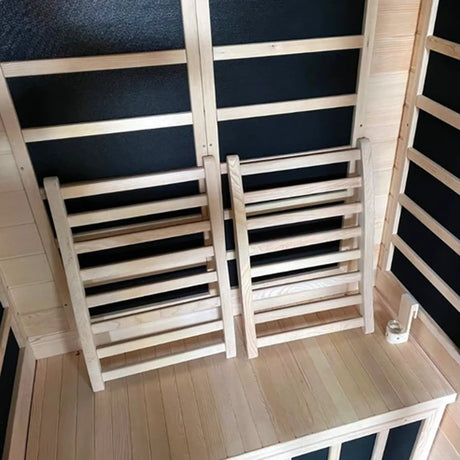
Canadian hemlock construction provides the ideal balance of durability and safety for fire station environments. This wood species is hypoallergenic, resists warping at high temperatures, produces no harmful off-gassing during continuous heating cycles, and maintains structural integrity under commercial use conditions. Cheaper wood options may save money initially but require replacement when they fail under fire station usage patterns — and in a 24/7 operational environment, that replacement comes sooner than expected.

Fire Station Sauna Requirements: Commercial-Grade Features and ADA Compliance
ADA compliance isn't optional for fire station installations. Commercial saunas typically require ADA compliance with door widths of at least 32 inches, adequate turning space, and accessible seating areas, according to commercial sauna planning guidelines. Fire departments, as public agencies, must meet accessibility standards that private gyms might overlook.
Door width specifications go beyond the 32-inch minimum. Fire stations should target 36-inch clear openings to accommodate firefighters in wheelchairs or with mobility equipment. Standard residential sauna doors at 24-28 inches won't meet compliance requirements and can trigger costly retrofits if discovered during inspections.
Interior space planning requires 60-inch diameter turning circles for wheelchair accessibility. This translates to minimum interior dimensions of 5x5 feet for compliant installations, though 6x6 feet provides more comfortable access. Fire station sauna designs must account for these space requirements from initial planning, not as afterthoughts.
Seating arrangements must accommodate users with limited mobility. ADA guidelines require transfer surfaces at 17-19 inches high with back support and arm rests. Fixed benches work better than removable options, which can shift during transfers and create safety hazards. Commercial-grade construction includes reinforced mounting for benches that support up to 300 pounds per person.
Commercial-grade construction means purpose-built components, not residential units with commercial labels. Fire stations need saunas designed for 6-12 hours of daily operation across three shifts. For specific health benefits related to infrared saunas for firefighters, research shows measurable improvements in cardiovascular recovery and toxin elimination. Residential units might handle 2-3 uses per week. The electrical components, heating elements, and wood construction must meet fundamentally different durability standards.
Electrical requirements typically demand dedicated 20-amp circuits for smaller infrared units, scaling to 40-50 amp service for larger installations. Most buyers — including fire department facilities managers — underestimate this requirement when planning budgets. Most fire stations need electrical upgrades to support proper sauna installation. Undersized electrical service leads to tripped breakers, reduced heating performance, and potential fire hazards. Planning departments should budget for electrical infrastructure improvements, not just equipment costs.
Size requirements depend on shift staffing levels. Fire stations with 4-6 firefighters per shift need minimum 4-person capacity saunas. Larger stations with 8-12 personnel require 6-8 person units to avoid bottlenecks during post-incident protocols. Undersized saunas create scheduling conflicts that reduce compliance with detoxification procedures.
Ventilation systems must handle both normal operation and emergency evacuation scenarios. Commercial installations require intake and exhaust ventilation rated for the sauna's cubic footage and maximum occupancy. Fire stations need systems that can rapidly clear the space if medical emergencies occur during sessions. Residential-grade ventilation doesn't provide sufficient air exchange rates for commercial safety standards.
Safety features for emergency responders include emergency shut-off controls accessible from inside and outside the unit. Medical emergencies can occur during sauna sessions, especially for firefighters with underlying cardiovascular conditions. External controls allow responders to immediately shut down heating systems without entering the sauna. Interior emergency releases ensure occupants can exit even if electrical systems fail.
Temperature limiting systems prevent dangerous overheating that could affect firefighters already stressed from heat exposure during incidents. Commercial units include fail-safe thermostats that shut down heating elements if temperatures exceed safe ranges. Multiple temperature sensors provide redundancy that residential units lack.
Flooring considerations require non-slip surfaces rated for high-temperature, high-moisture environments. Standard concrete floors become slippery when wet and can cause injuries during entry and exit. Specialized sauna flooring systems include drainage channels and textured surfaces designed for bare feet in humid conditions.
Installation space requirements extend beyond the sauna itself. Fire stations need clearance for ventilation ductwork, electrical panels, and maintenance access. Planning should include 18-24 inches of clearance on all sides for proper installation and service access. Cramped installations create maintenance headaches and safety concerns.

Top Firefighter Sauna Models: Performance, Capacity, and Installation Requirements
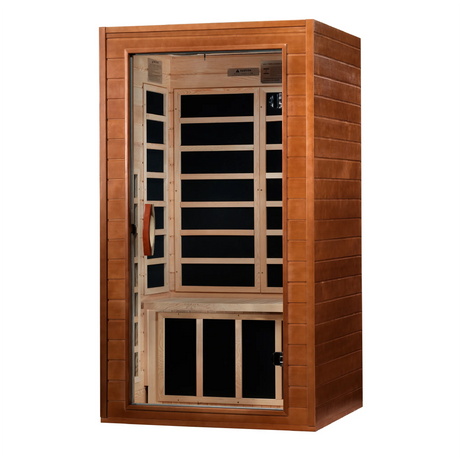
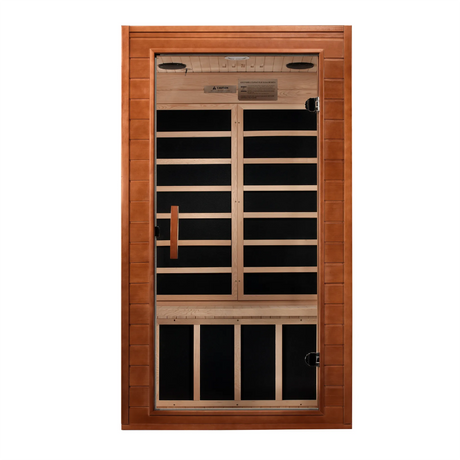
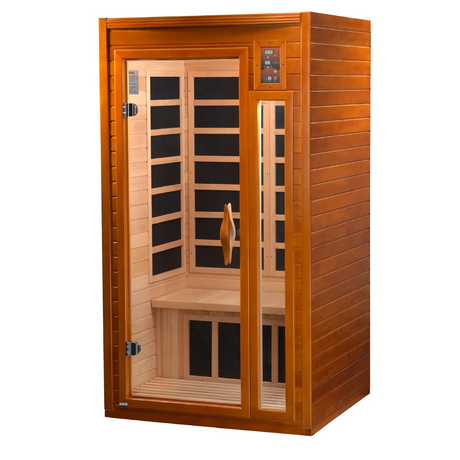
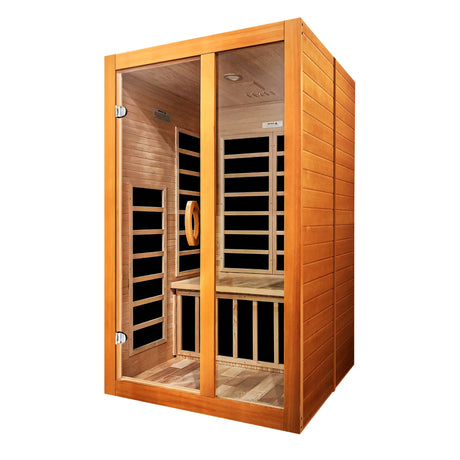
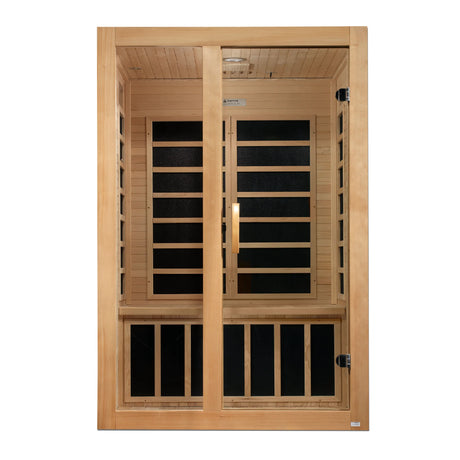
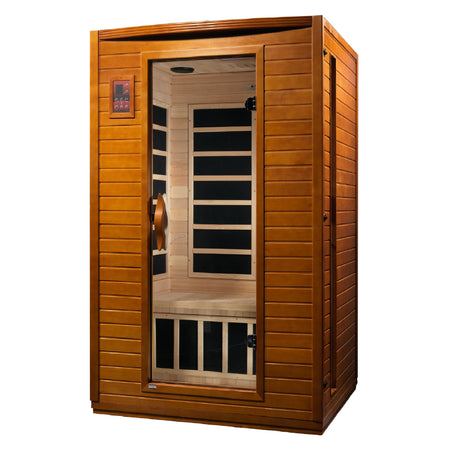
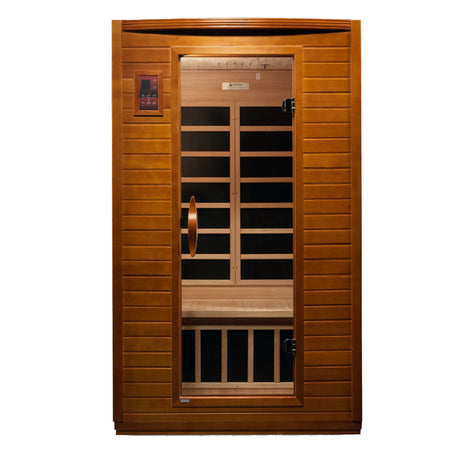
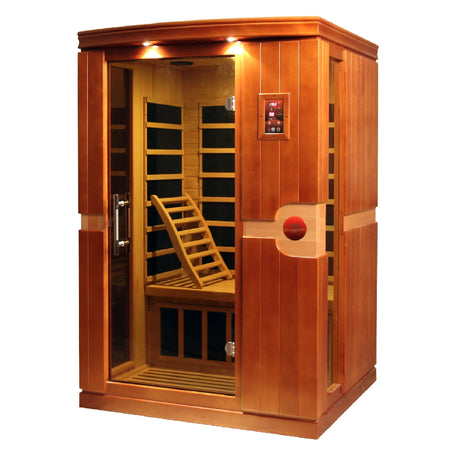
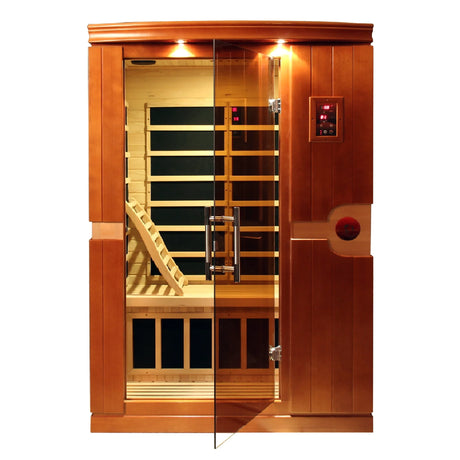
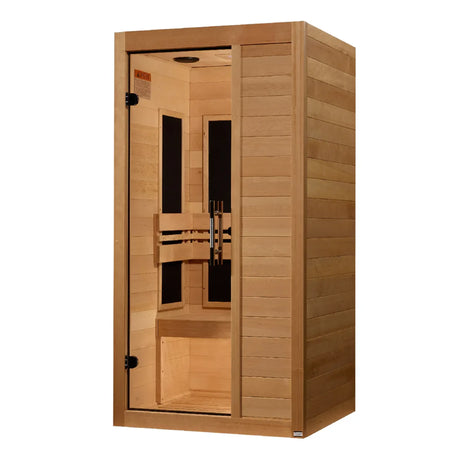
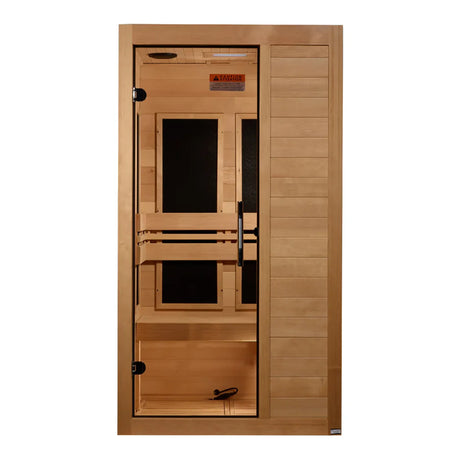
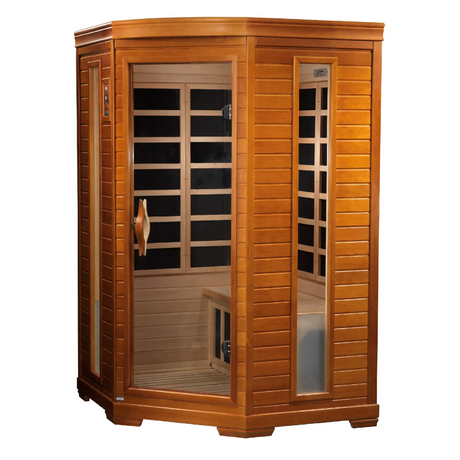
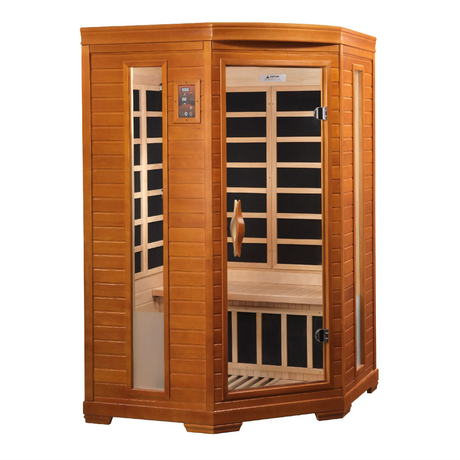
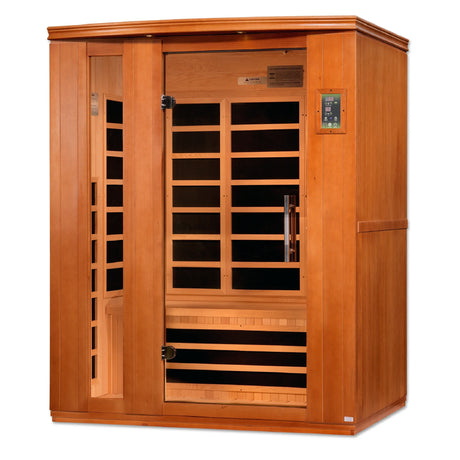
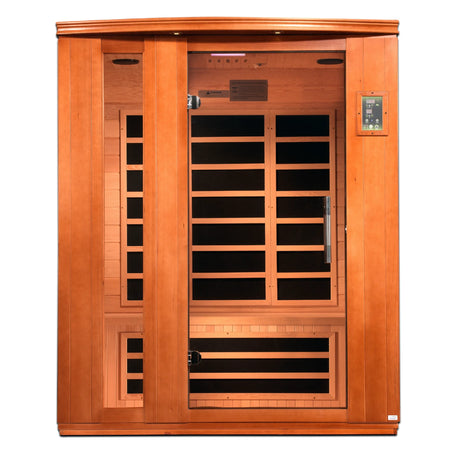
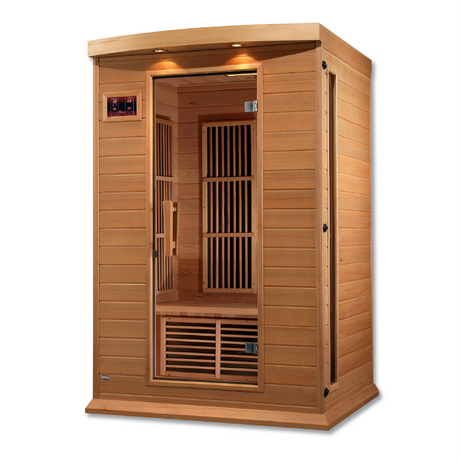
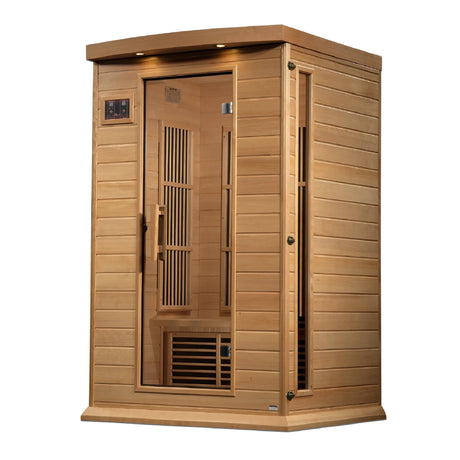
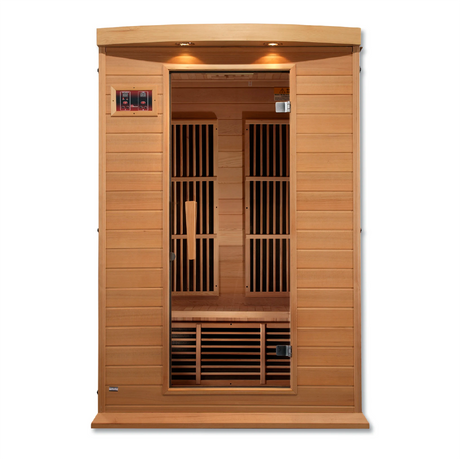
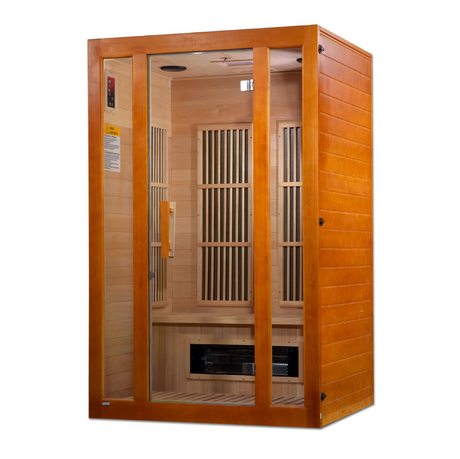
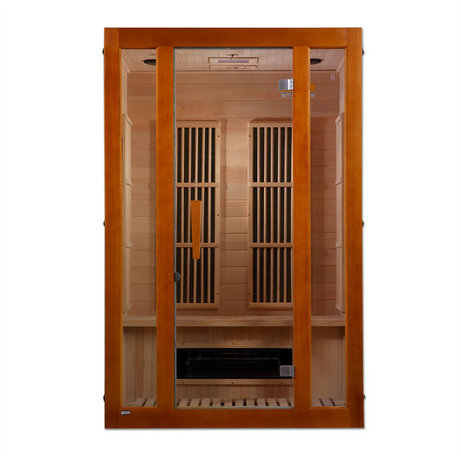
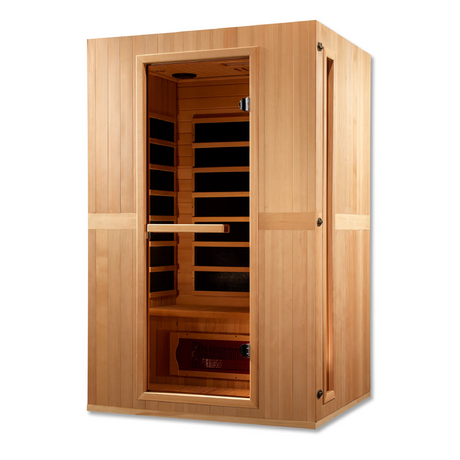
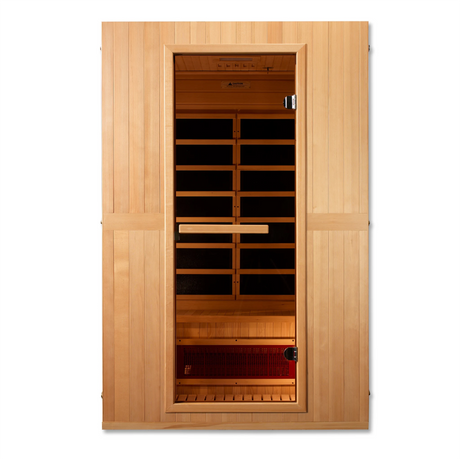
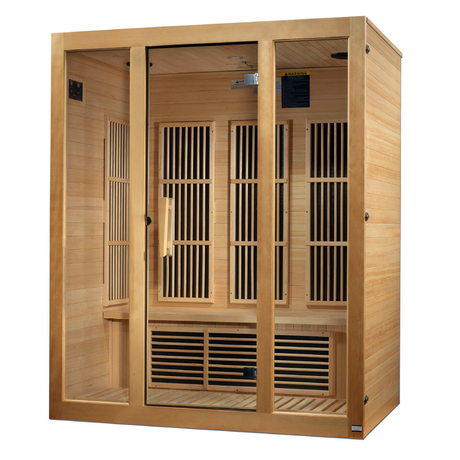
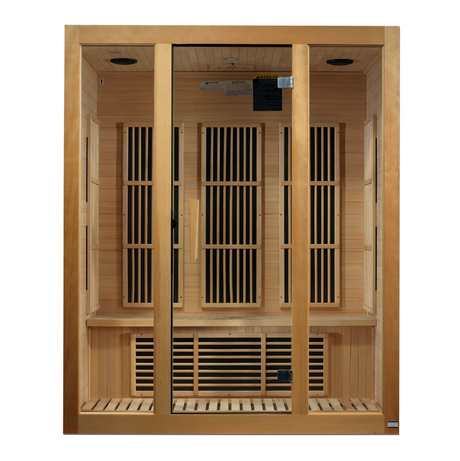
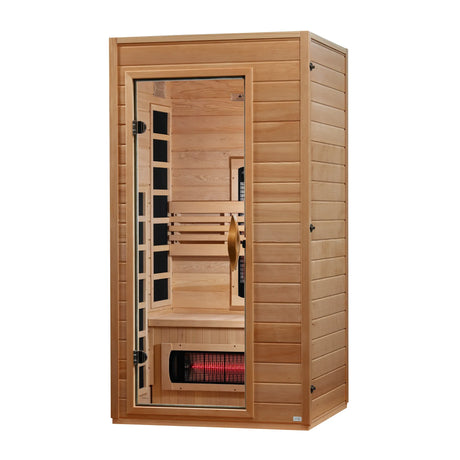
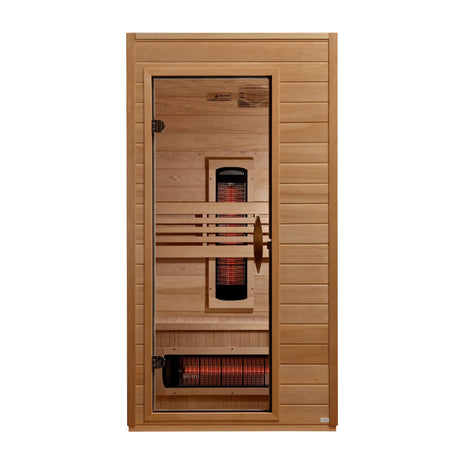
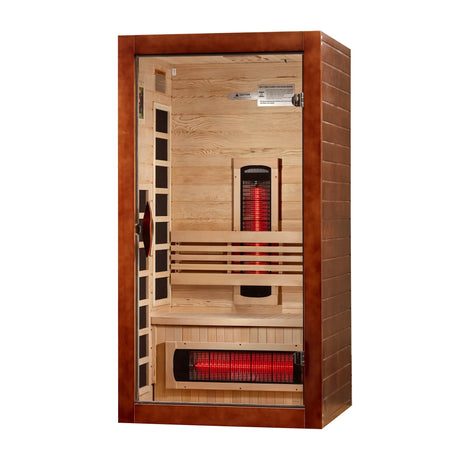
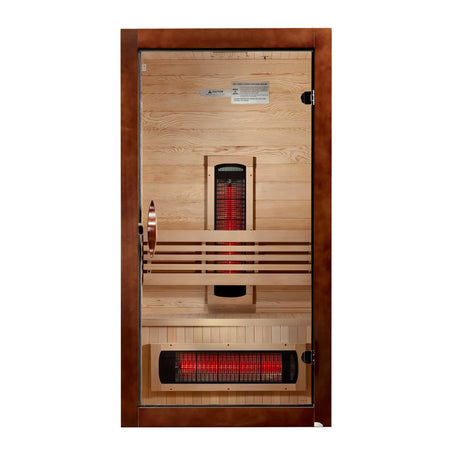
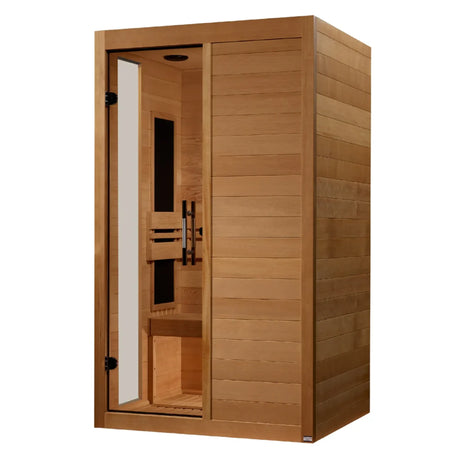
Dynamic Saunas leads commercial fire station installations with proven durability and service support. Their infrared models — available in both infrared and traditional configurations — consistently operate in high-use environments without the frequent repairs that plague cheaper alternatives. While residential units might cost $3,000-$5,000, commercial-grade fire station saunas require $12,000-$50,000 investments, according to industry installation data. Our detailed fire station sauna guide for commercial systems covers the full selection process from capacity planning through final installation.
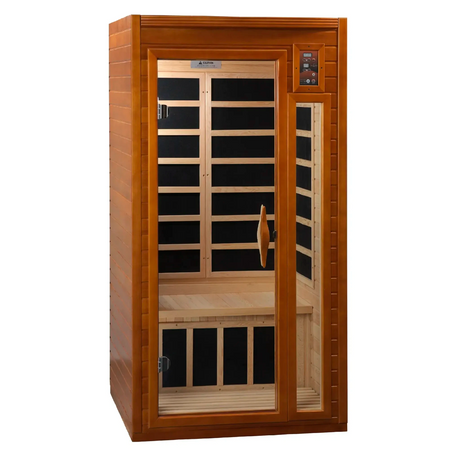
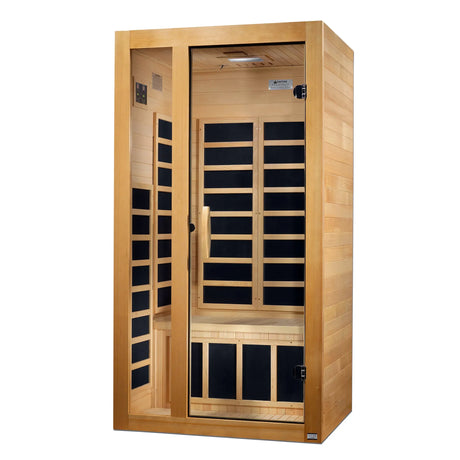
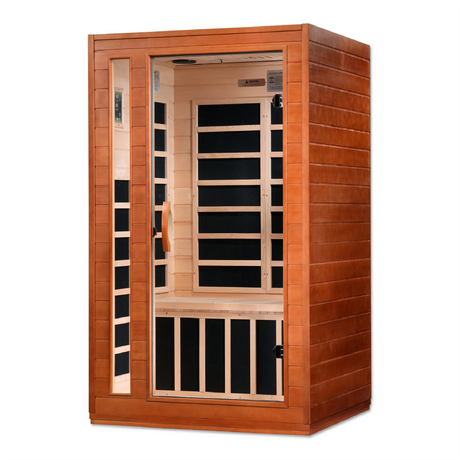
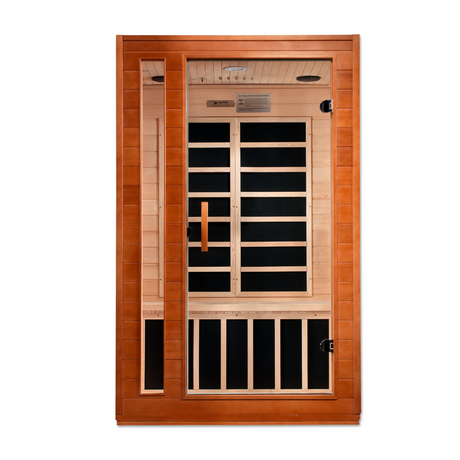
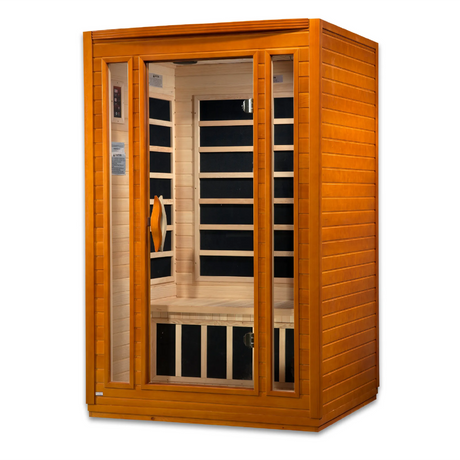
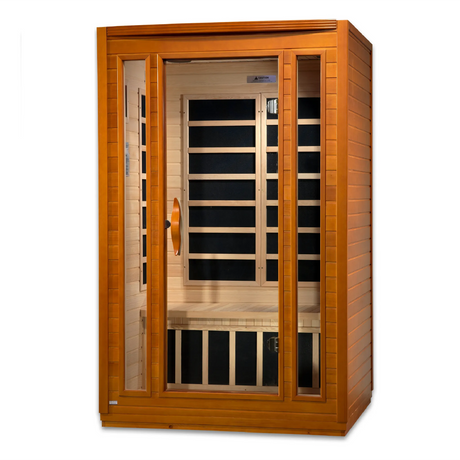
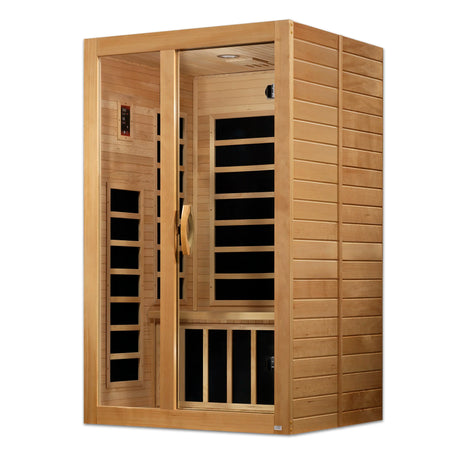
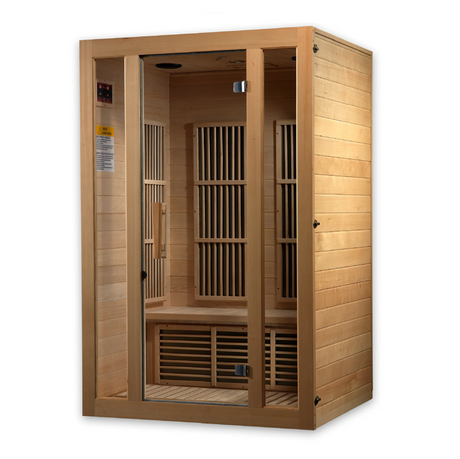
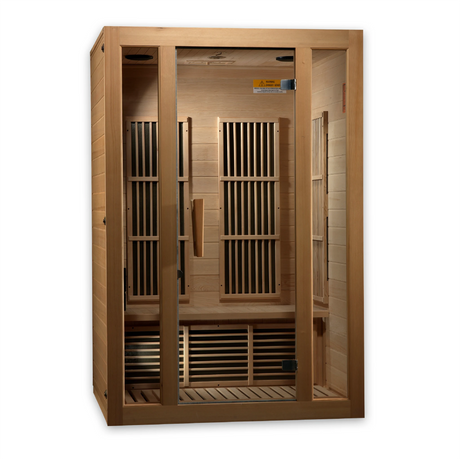
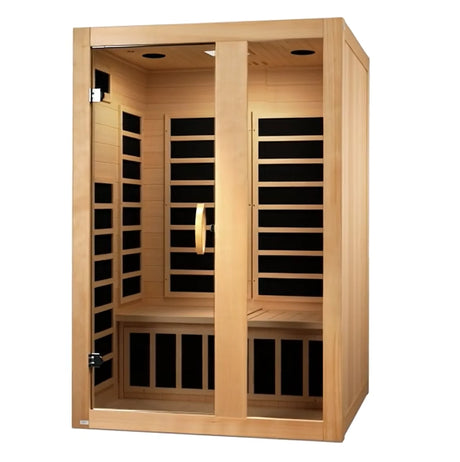
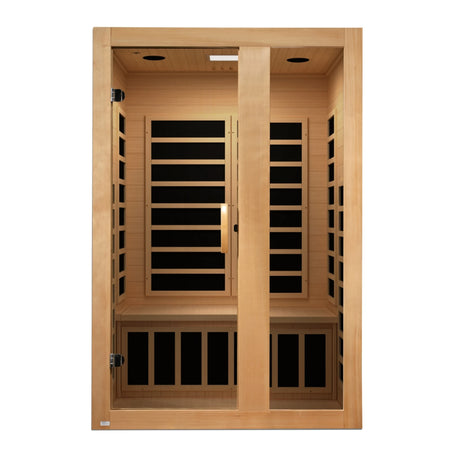
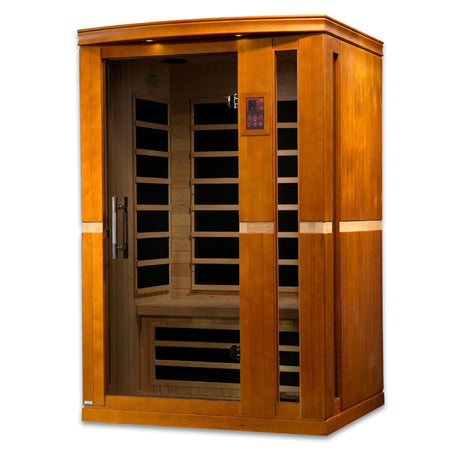
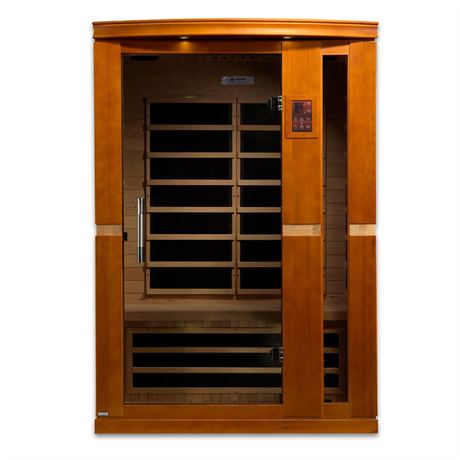
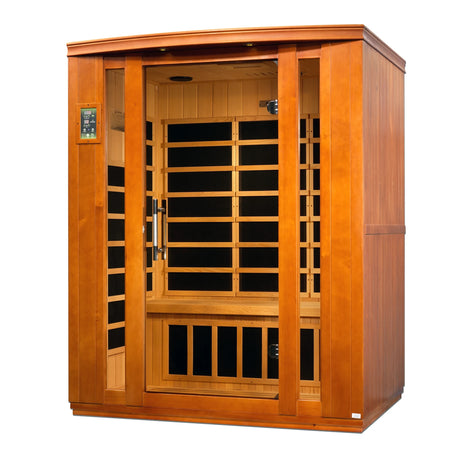
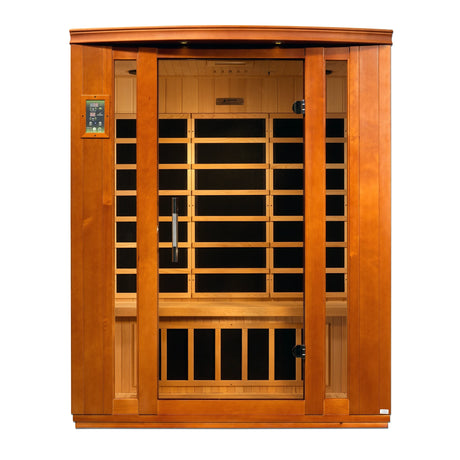
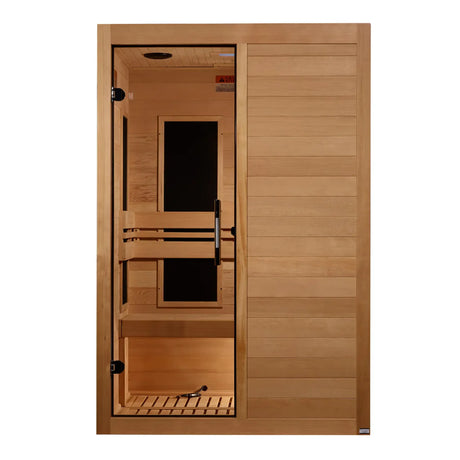
Four-person models work for smaller fire stations with single-engine companies. These units typically measure 6x6 feet internally and require dedicated 20-amp electrical service. Models like the Dynamic Bergamo FAR Infrared Sauna for 4-person capacity represent this category, featuring Canadian hemlock construction, commercial-grade heating elements, and ADA-compliant access. Installation requires 8x8 feet of floor space including clearances.
Six-person capacity serves most fire stations effectively. These units accommodate post-incident protocols for full engine company crews without creating scheduling conflicts. Interior dimensions typically reach 7x7 feet with 6-foot ceiling height minimum. Electrical requirements jump to 30-40 amp service, which may require panel upgrades at older stations.
Eight-person units handle the largest fire stations with multiple apparatus and cross-trained personnel. Ladder companies, rescue squads, and busy engine houses benefit from this capacity. Interior space reaches 8x8 feet or larger, requiring significant floor space and 40-50 amp electrical service. These installations approach $30,000-$50,000 including electrical infrastructure improvements.
For departments evaluating specific brands at the commercial level, our Golden Designs sauna pros, cons, and commercial buyer's guide offers an honest breakdown of where that line excels and where other options may be a better fit — including trade-offs around pricing, lead times, and heater technology that matter for fire department procurement decisions.
Installation space planning extends well beyond sauna dimensions. A 6-person sauna measuring 7x7 feet requires 10x10 feet of actual floor space for proper clearances, ventilation, and access. Fire station architects frequently underestimate total space requirements, leading to cramped installations or costly building modifications.
Electrical infrastructure represents the largest hidden cost. Most fire stations built before 2010 lack sufficient electrical panel capacity for commercial sauna installations. Adding dedicated circuits requires panel upgrades, additional breakers, and potentially service upgrades from utility companies. Budget $3,000-$8,000 for electrical work beyond sauna costs.
Ventilation requirements vary by local building codes but typically demand 6-10 air changes per hour during operation. This requires dedicated HVAC connections or standalone ventilation systems. Fire stations with existing mechanical rooms can often integrate sauna ventilation with building systems. Stations without central HVAC need independent ventilation installations costing $2,000-$5,000.
Ceiling height limitations affect installation options. Fire stations with 8-foot ceilings can't accommodate most commercial saunas, which require 7-foot internal height plus structural clearances. Basement installations work if ceiling height exceeds 8.5 feet total. Stations may need building modifications to create adequate installation space.
Warranty coverage differs dramatically between residential and commercial applications. Quality manufacturers provide 5-7 year warranties on heating elements and 2-3 years on electronics for commercial installations. Extended service agreements become valuable for 24/7 operations where downtime affects firefighter health protocols. Budget $500-$1,000 annually for comprehensive service coverage.
Delivery and installation logistics challenge fire station projects. Commercial sauna components arrive on freight trucks requiring loading dock access. Stations without proper receiving areas need additional coordination for delivery. Professional installation typically adds $2,000-$5,000 but ensures proper electrical connections, ventilation integration, and warranty compliance.
Service accessibility affects long-term operations. Fire stations need sauna locations with easy access for maintenance technicians and component replacement. Units installed in cramped spaces create service nightmares when heating elements or control systems fail. Planning for maintenance access during initial design prevents costly relocations later.
Lead times for quality commercial saunas extend 8-16 weeks from order to delivery. Fire departments should begin procurement processes early in budget cycles to ensure installation completion within fiscal years. Rush orders may be possible but typically add 20-30% to total costs.
Training requirements for fire station personnel should include proper operation, basic maintenance, and emergency procedures. While saunas are relatively simple to operate, incorrect usage can reduce effectiveness or create safety hazards. For departments considering comprehensive wellness programs, understanding the truth about the best sauna brands can help inform purchasing decisions. Manufacturers typically provide operational training as part of installation packages, but ongoing education ensures consistent protocols across shifts.

Implementation Best Practices: Integration with Decontamination Protocols
Post-incident sauna protocols require careful integration with existing decontamination procedures, not replacement of proven safety measures. The International Association of Fire Fighters emphasizes saunas as supplemental wellness tools while maintaining established decontamination as the primary defense against occupational exposure.
Timing matters for maximum effectiveness. Firefighters should complete traditional decontamination first — removing contaminated gear, washing exposed skin, and changing into clean clothes. Sauna sessions follow within 30-60 minutes of incident conclusion, while toxins remain in surface tissue layers before penetrating to deeper storage sites. Delayed sauna use reduces effectiveness as compounds migrate beyond sweat gland reach.
Session duration and temperature protocols optimize toxin elimination without overexposing personnel already stressed from heat exposure during incidents. Fire departments typically implement 15-20 minute sessions at 130-140°F for post-incident use. Longer sessions may seem beneficial but can cause dehydration or heat exhaustion in firefighters already physiologically stressed.
Hydration protocols become critical for safe implementation. Firefighters should consume 16-20 ounces of water before sauna sessions and continue hydrating throughout. Electrolyte replacement may be necessary after extended operations followed by sauna detox. Fire stations should stock appropriate hydration solutions, not rely on standard water alone.
Medical screening identifies personnel who shouldn't participate in post-incident sauna protocols. Firefighters with cardiovascular conditions, recent heat exhaustion, or certain medications may face increased risks from heat therapy. Fire department medical officers should establish clear guidelines for sauna contraindications and alternative detox protocols for affected personnel.
Documentation and tracking help demonstrate program effectiveness and identify areas for improvement. Fire departments should log incident types, sauna usage timing, session duration, and any adverse effects. This data supports budget justifications for expanded programs and helps refine protocols based on real-world experience rather than theoretical guidelines.
Shift coordination ensures sauna availability doesn't interfere with emergency response capabilities. Stations should stagger post-incident sauna sessions to maintain minimum staffing levels. Large incidents involving multiple companies may require scheduling to prevent conflicts with subsequent calls. Protocol development should address these operational considerations upfront.
Training programs must cover proper usage techniques, safety procedures, and integration with existing protocols. All shift personnel need consistent education on when to use saunas, how long to remain in sessions, and what symptoms require immediate exit. Inconsistent training leads to improper usage that reduces effectiveness or creates safety hazards.
Equipment maintenance schedules ensure reliable operation when needed most. Fire stations should establish daily, weekly, and monthly maintenance checklists covering temperature calibration, electrical systems, and cleanliness standards. Regular maintenance prevents equipment failures that could compromise post-incident protocols during critical periods.
Performance monitoring should track both equipment functionality and health outcomes. Fire departments can work with occupational health providers to monitor biomarkers of toxin exposure in personnel using regular sauna protocols versus those who don't. This data provides concrete evidence of program effectiveness for budget justifications and protocol refinements.
Integration with existing wellness programs maximizes overall firefighter health benefits. Saunas complement physical fitness requirements, stress management programs, and regular medical screening. Departments with comprehensive wellness approaches see better compliance and outcomes than those treating saunas as isolated interventions.

Frequently Asked Questions
1. How do saunas specifically help reduce cancer risk in firefighters?
Saunas help reduce cancer risk by triggering deep sweating that eliminates carcinogenic compounds absorbed through the skin during fire incidents. Research shows sauna sessions can reduce levels of PAH-OHs (cancer-causing compounds) in firefighters' urine by up to 40%. The heat therapy activates heat shock proteins that repair cellular damage and mobilize fat-soluble toxins from tissue storage sites where traditional external decontamination cannot reach.
2. What size sauna does a typical fire station need?
Most fire stations need 4-6 person capacity saunas to accommodate full engine company crews during post-incident protocols. These units typically require 7x7 feet of interior space and 10x10 feet of total floor area including clearances. Larger stations with multiple apparatus or ladder companies may need 8-person units, while smaller single-engine stations can use 4-person models.
3. Are fire station saunas required to be ADA compliant?
Yes, fire station saunas must meet ADA compliance requirements since fire departments are public agencies. This includes door widths of at least 32 inches (preferably 36 inches), interior turning spaces of 60-inch diameter, accessible seating at 17-19 inches high with back support, and appropriate transfer surfaces. Non-compliance can result in costly retrofits and legal issues.
4. How much does it cost to install a commercial sauna in a fire station?
Commercial fire station saunas cost $12,000-$50,000 depending on capacity and features. Additional costs include electrical infrastructure upgrades ($3,000-$8,000), ventilation systems ($2,000-$5,000), and professional installation ($2,000-$5,000). Total project costs typically range from $20,000-$70,000 for complete turnkey installations including all necessary building modifications.
5. How long should firefighters use saunas after incidents?
Fire departments typically implement 15-20 minute sauna sessions at 130-140°F for post-incident detoxification. Sessions should occur within 30-60 minutes after completing traditional decontamination procedures while toxins remain in surface tissue layers. Longer sessions may cause dehydration or heat exhaustion in personnel already stressed from heat exposure during emergency operations.
6. Can all firefighters safely use saunas after incidents?
No, firefighters with cardiovascular conditions, recent heat exhaustion, or certain medications may face increased risks from heat therapy. Fire department medical officers should establish clear guidelines for sauna contraindications and provide alternative detox protocols for affected personnel. Medical screening and ongoing health monitoring are essential components of safe sauna programs.
7. What maintenance do fire station saunas require?
Commercial fire station saunas require daily temperature checks, weekly cleaning protocols, and monthly electrical system inspections. Infrared units need periodic bulb replacement and ventilation system maintenance. Fire stations should establish maintenance checklists and budget $500-$1,000 annually for comprehensive service coverage to ensure reliable operation during critical post-incident periods.
8. Do saunas replace traditional decontamination procedures?
No, saunas supplement but do not replace traditional decontamination procedures. Firefighters must still complete established decontamination protocols including gear removal, skin washing, and clothing changes before sauna sessions. The International Association of Fire Fighters emphasizes saunas as supplemental wellness tools while maintaining proven external decontamination as the primary defense against occupational exposure.
Protecting Those Who Protect Us: Your Next Steps
Fire departments can no longer ignore the cancer epidemic claiming more firefighter lives than all other line-of-duty causes combined. Traditional decontamination alone isn't sufficient when 79.4% of fallen firefighters die from occupational cancer. The research is clear: sauna-based heat therapy provides measurable reduction in carcinogenic compound accumulation that soap and water can't achieve.
Minneapolis Fire Department's systematic approach proves that treating saunas as essential safety equipment, not luxury amenities, changes budget approval outcomes. When chiefs present toxicology data showing 40% reductions in cancer-causing compounds through post-incident sauna protocols, city councils approve purchases that save firefighter lives.
The choice isn't whether your department can afford commercial-grade sauna installations. The question is whether you can afford the continued loss of firefighters to preventable occupational cancers. Every delay in implementation allows more carcinogenic compounds to accumulate in personnel who risk their lives protecting communities.
Blue Sky Fitness Supply specializes in commercial-grade sauna solutions designed for the demanding requirements of fire station operations. Our team understands the unique needs of emergency services — from ADA compliance requirements to 24/7 operational durability. We work with fire departments nationwide to implement sauna programs that integrate seamlessly with existing decontamination protocols. Browse our full range of infrared saunas, traditional saunas, and hybrid saunas to find the right fit for your station's space, staffing, and budget requirements.
Your firefighters deserve the same level of protection from occupational cancer that they provide to communities every day. Contact Blue Sky Fitness Supply at www.blueskyfitsupply.com to discuss commercial sauna solutions that can help reduce the cancer epidemic claiming too many lives in the fire service.